
Want to make your dirt bike faster? You can achieve a speed boost through several key modifications, primarily focusing on engine upgrades, optimizing the exhaust system, and proper carburetor tuning. These are the most effective ways to extract more performance from your machine.
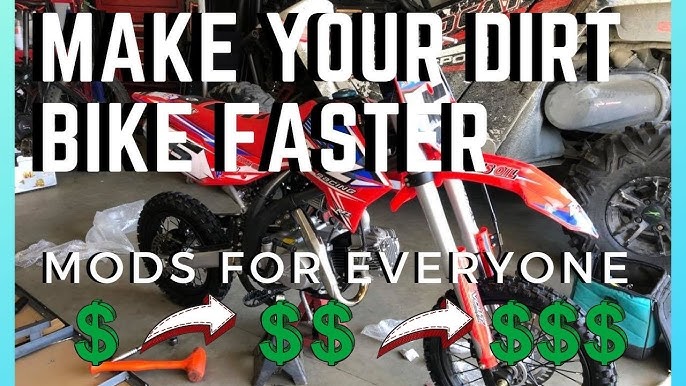
Image Source: i.ytimg.com
Boosting Your Dirt Bike’s Speed: A Comprehensive Guide
Unleashing the full potential of your dirt bike is a thrilling pursuit. Whether you’re a seasoned racer or a weekend warrior, increasing your bike’s speed can elevate your riding experience. This guide delves into the most impactful ways to make your dirt bike faster, covering everything from simple tweaks to more involved mechanical enhancements. We’ll explore how changes to the engine, exhaust, fueling, and even how you handle the bike can contribute to a noticeable speed increase.
Maximizing Engine Performance
The heart of your dirt bike’s speed lies within its engine. Making smart engine upgrades can yield significant gains.
H3: Internal Engine Enhancements
Improving the efficiency and power output of your engine is paramount.
H4: Piston and Camshaft Upgrades
Consider swapping your stock piston for a high-performance, lighter-weight piston. These can improve acceleration and revving ability. A performance camshaft can also alter valve timing, allowing the engine to breathe better and generate more power at higher RPMs. Research camshafts specifically designed for your bike model and desired riding style, as some enhance low-end torque while others focus on top-end power.
H4: Cylinder Porting and Polishing
This is a more advanced modification. Porting involves reshaping the intake and exhaust ports in the cylinder head to improve airflow. Polishing the ports smooths the surfaces, reducing turbulence and allowing air and fuel to enter and exit the combustion chamber more efficiently. This requires precision and a good understanding of airflow dynamics.
H4: Valve Job and Compression Ratios
A proper valve job ensures your valves seal perfectly, maximizing compression. Increasing the compression ratio by milling the cylinder head or using a thinner head gasket can also boost power, but this requires careful consideration of fuel octane to prevent detonation.
H3: Cooling System Efficiency
An engine that runs cooler generally runs more efficiently and can produce more power.
H4: Radiator Upgrades
If your bike tends to overheat, especially during strenuous riding, upgrading to a larger or more efficient radiator can make a difference. Better cooling prevents the engine from losing power due to excessive heat.
Optimizing the Exhaust System
The exhaust system plays a crucial role in how efficiently your engine expels spent gases. A well-designed aftermarket exhaust can free up horsepower.
H3: Performance Exhaust Pipes and Silencers
Stock exhaust systems are often designed for quiet operation and emissions control, which can restrict exhaust flow. Aftermarket systems are typically designed to improve exhaust gas velocity and reduce back pressure.
- Full Systems: Replacing both the head pipe and the silencer offers the most significant performance gains. The head pipe diameter and length are optimized for better gas flow, while a less restrictive silencer allows gases to exit faster.
- Slip-On Silencers: If budget is a concern, a slip-on silencer can still provide a noticeable improvement. These replace the stock silencer and often offer a less restrictive design and a more aggressive sound.
H4: Importance of Dyno Tuning with Exhaust Upgrades
When upgrading your exhaust system, it’s essential to consider how it affects the engine’s air-fuel mixture. A less restrictive exhaust can lean out the mixture, potentially causing performance issues or even engine damage. Dyno tuning allows for precise adjustments to ensure optimal performance and reliability.
Fine-Tuning the Fuel Delivery
Proper fueling is critical for maximizing speed and ensuring your engine runs smoothly. This often involves carburetor tuning and ensuring proper jetting.
H3: Carburetor Tuning and Jetting
The carburetor mixes air and fuel for combustion. Incorrect settings can starve the engine or make it run too rich, both of which hinder performance.
H4: Understanding Air-Fuel Ratio
The ideal air-fuel ratio for gasoline engines is typically around 14.7:1 (stoichiometric). However, for maximum power, engines often run slightly richer, around 12.5:1 to 13:1. This extra fuel helps cool the combustion chamber and prevents detonation.
H4: Adjusting the Carburetor
- Pilot Jet: Affects the fuel mixture at idle and off-idle.
- Main Jet: Affects the fuel mixture at wide-open throttle.
- Needle (Clip Position): Affects the fuel mixture in the mid-range.
- Air Screw/Fuel Screw: Fine-tunes the mixture in the low-speed range.
H4: The Art of Jetting
Jetting is the process of selecting the correct size jets (pilot and main) and needle to achieve the optimal air-fuel mixture for your specific altitude, temperature, and engine modifications. If you’ve installed a new exhaust or air filter, you will likely need to re-jet.
- Lean Condition: Engine sputters, bogs, or overheats. Can lead to serious engine damage.
- Rich Condition: Engine runs sluggishly, blows black smoke, and has poor throttle response.
Table 1: Symptoms of Lean vs. Rich Fuel Mixtures
| Symptom | Lean Condition | Rich Condition |
|---|---|---|
| Throttle Response | Hesitation, bogging, popping | Sluggish, hesitant acceleration |
| Engine Temperature | Overheating | Runs cooler than normal |
| Exhaust Smoke | No visible smoke | Black smoke, strong fuel smell |
| Spark Plug Reading | White or light tan | Black, sooty, wet |
| Power Output | Reduced, especially at high RPMs | Reduced, especially at low RPMs |
H3: Fuel Injection vs. Carburetor
Modern dirt bikes often feature fuel injection (FI). While FI is generally more sophisticated and self-adjusting, it can still be tuned for performance.
H4: Fuel Injection Tuning
FI systems use sensors to monitor engine conditions and adjust fuel delivery. Aftermarket EFI controllers or ECU remapping can alter fuel maps and ignition timing for increased power.
H3: Air Filter Maintenance
A clean air filter cleaning is fundamental. A dirty or clogged air filter restricts airflow, choking the engine and reducing power.
- Regular Cleaning: Clean your air filter after every few rides, or more frequently in dusty conditions.
- Proper Oiling: Use the correct air filter oil and apply it evenly. Too much or too little oil can hinder airflow or attract dirt.
- Replacement: Replace the filter if it’s damaged or beyond cleaning.
H3: Spark Plug Replacement
A fresh spark plug replacement ensures a strong, consistent spark for efficient combustion.
- Check Condition: Inspect your spark plug regularly for fouling or wear.
- Correct Gap: Ensure the spark plug gap is set according to your bike’s specifications.
- Quality Matters: Use a high-quality spark plug recommended for performance applications.
H3: Fuel Octane Considerations
The fuel octane rating indicates a fuel’s resistance to knocking or pinging (detonation).
- Higher Octane: Using higher octane fuel (e.g., 91 or 93 octane) can be beneficial, especially if you’ve increased the compression ratio or made other engine modifications that raise combustion temperatures. It helps prevent premature ignition, which can damage the engine and reduce power.
- Ethanol Content: Be aware of ethanol content in gasoline. Ethanol can absorb water and potentially affect engine performance. Some performance-oriented fuels have lower ethanol content. Always use fuel recommended by your bike’s manufacturer.
Gearing Changes for Different Terrains
Altering your bike’s gearing can significantly impact its acceleration and top speed.
H3: Sprocket Ratios
Your bike’s gearing is determined by the front and rear sprockets.
- Smaller Front Sprocket / Larger Rear Sprocket: This combination increases acceleration and “wheelies” but reduces top speed. It’s ideal for tight, technical terrain or motocross tracks where quick acceleration is prioritized.
- Larger Front Sprocket / Smaller Rear Sprocket: This combination reduces acceleration but increases top speed. It’s better suited for open terrain, desert riding, or enduro where maintaining higher speeds is important.
H4: Finding the Right Balance
The ideal gearing setup depends heavily on your riding style and the type of terrain you primarily ride on. Experimentation is key. Start with a small change (e.g., one tooth on either sprocket) and see how it affects your bike’s performance.
Enhancing Handling and Reducing Weight
While not directly increasing engine power, improving handling and reducing weight can make your dirt bike feel much faster and more agile.
H3: Suspension Setup
Proper suspension setup is critical for maintaining traction and control, especially at higher speeds.
H4: Adjusting Sag
Sag is the amount the suspension compresses under the rider’s weight. Setting the correct sag ensures the suspension works efficiently throughout its travel. Consult your owner’s manual or a suspension specialist for recommended sag figures for your bike and riding style.
H4: Compression and Rebound Damping
- Compression Damping: Controls how quickly the suspension compresses. Adjusting this can influence how the bike handles bumps and resists bottoming out.
- Rebound Damping: Controls how quickly the suspension extends after being compressed. Improper rebound can cause the bike to bounce or pogo.
H4: Suspension Tuning Services
For optimal results, consider having your suspension professionally tuned. Technicians can adjust valving and spring rates to match your weight, riding style, and the type of terrain you ride.
H3: Weight Reduction
Every pound saved makes a difference in acceleration, braking, and maneuverability.
H4: Aftermarket Parts
Many aftermarket parts are lighter than their stock counterparts. Consider:
- Titanium Exhaust Systems: Significantly lighter than steel.
- Lithium-Ion Batteries: Much lighter than traditional lead-acid batteries.
- Lightweight Handlebars: Often made from aluminum alloy.
- Aftermarket Plastics: Can sometimes be lighter and more durable.
H4: Removing Unnecessary Components
- Fender Eliminator Kits: Remove excess fender material.
- Lighter Seat Foam/Cover: While a small saving, it adds up.
- Stripping Down: For dedicated track use, consider removing items like lights, mirrors, or kickstands if not required.
Rider Technique and Training
Even with the most powerful machine, rider skill plays a significant role in perceived speed.
H3: Body Position and Balance
Proper body position allows you to control the bike more effectively and utilize its power.
- Attack Position: Standing with bent knees and elbows, ready to shift weight.
- Weight Shifting: Moving your weight forward or backward to influence traction and stability.
H3: Cornering Speed
Improving your cornering speed will shave seconds off lap times and make you faster overall.
- Look Ahead: Always look where you want to go, not at obstacles.
- Smooth Throttle Control: Gradually apply throttle as you exit a corner.
- Lean Angle: Use body position to help lean the bike, not just the handlebars.
H3: Practice and Coaching
Consistent practice and seeking advice from experienced riders or coaches can dramatically improve your speed and efficiency.
Frequently Asked Questions (FAQ)
Q1: Can I make my dirt bike significantly faster with just one modification?
A1: While some modifications offer noticeable gains, the biggest speed increases usually come from a combination of upgrades. For instance, an exhaust system combined with proper carburetor tuning or jetting will yield better results than either alone.
Q2: What’s the best first modification for speed?
A2: For most stock bikes, a performance exhaust system combined with ensuring the air filter cleaning is up-to-date and checking the spark plug replacement needs are good starting points. If you’re feeling the bike is running poorly, carburetor tuning is also a high-priority check.
Q3: How much does it cost to make a dirt bike faster?
A3: Costs vary widely. A simple clean and adjustment of the air filter and spark plug is inexpensive. An aftermarket exhaust system can range from a few hundred dollars for a slip-on to over a thousand for a full system. Major engine upgrades can cost thousands.
Q4: Will changing my gearing affect my top speed?
A4: Yes, gearing changes directly impact acceleration and top speed. A change to a taller gear ratio (larger front sprocket or smaller rear sprocket) will increase top speed but reduce acceleration.
Q5: Is premium fuel (higher octane) always better for my dirt bike?
A5: Not necessarily. Higher fuel octane is beneficial if your engine is modified to require it (e.g., higher compression) or if it tends to detonate. For stock engines designed for regular fuel, using premium might not offer a noticeable performance increase and can be a waste of money. Always check your owner’s manual.
Q6: How often should I clean my air filter?
A6: The frequency of air filter cleaning depends on riding conditions. In dusty or muddy conditions, you should clean it after every ride. In cleaner conditions, every 2-3 rides is usually sufficient.
Q7: What is suspension setup, and why is it important for speed?
A7: Suspension setup refers to adjusting your bike’s suspension (forks and shock) to match your weight and riding style. Proper setup improves traction and control, allowing you to carry more speed through rough terrain and corners, effectively making you faster.
Q8: What is jetting, and do I need to do it after an exhaust upgrade?
A8: Jetting is the process of selecting specific carburetor components (jets, needles) to ensure the correct air-fuel mixture. Yes, installing a less restrictive exhaust system often requires jetting changes to prevent a lean fuel mixture and optimize performance.
Q9: What are the benefits of weight reduction on a dirt bike?
A9: Weight reduction makes a dirt bike easier to maneuver, accelerate faster, brake better, and jump higher. It improves the overall agility and responsiveness of the machine, contributing to a feeling of increased speed and control.
Q10: Can I do these modifications myself, or do I need a mechanic?
A10: Basic maintenance like air filter cleaning and spark plug replacement are simple DIY tasks. Carburetor tuning and jetting require some mechanical aptitude and trial-and-error. More complex engine upgrades, advanced suspension setup, or ECU remapping are often best left to experienced mechanics or specialized shops.
By implementing these tips, you can transform your dirt bike into a faster, more responsive machine, enhancing your riding enjoyment and performance on the track or trail. Remember to always prioritize safety and consult your owner’s manual or a qualified professional when undertaking significant modifications.