
So, you’re wondering: how long to bike 40 miles? Generally, you can expect a 40-mile bike ride to take anywhere from 2 to 5 hours, depending heavily on your fitness level, the type of bike you’re riding, and the terrain. This guide will break down all the factors that influence your 40 mile bike ride duration and help you estimate your time to cycle 40 miles accurately.
Biking 40 miles is a significant cycling milestone. Whether you’re aiming for a personal best, training for an event, or simply enjoying a long day in the saddle, knowing what to expect is crucial. This article will delve into how long does a 40 mile bike ride take, providing a comprehensive overview of 40 mile bike pace, 40 mile cycling time, and how to approach your 40 mile road bike distance time. We’ll also cover estimating 40 mile bike ride performance and factors that affect your 40 mile bike ride workout duration.
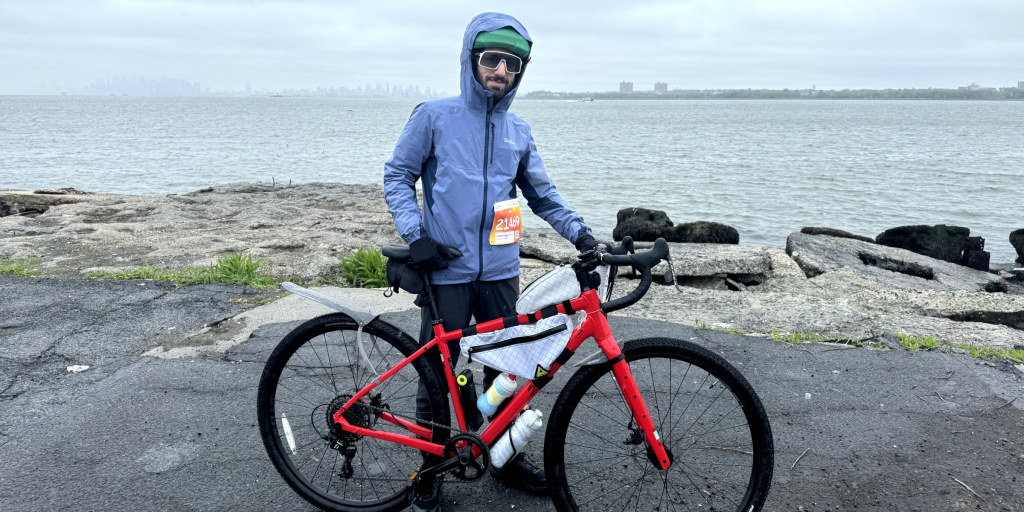
Image Source: media-cldnry.s-nbcnews.com
Fathoming Your 40-Mile Cycling Journey
The question of how long to bike 40 miles isn’t a simple one with a single answer. Several elements come into play, and your personal experience will be unique. Let’s explore the key variables that determine your 40 mile cycling speed and overall ride time.
1. Your Fitness Level: The Biggest Predictor
Your cardiovascular fitness and muscular endurance are paramount. Someone who cycles regularly will complete the distance much faster than a beginner.
- Beginner Cyclists: If you’re new to cycling or haven’t ridden much in a while, your average cycling speed 40 miles might hover around 10-12 mph. This means your 40 mile bike ride duration could be in the 3.5 to 4-hour range, possibly more, including short breaks.
- Intermediate Cyclists: Those who cycle a few times a week and have built some endurance might average 12-15 mph. For them, time to cycle 40 miles could be between 2 hours and 40 minutes to 3 hours and 30 minutes.
- Advanced/Experienced Cyclists: Regular, consistent training and strong aerobic capacity allow for average speeds of 16-20 mph or even higher. For this group, a 40 mile road bike distance time might be as short as 2 to 2 hours and 30 minutes.
Table: Estimated 40-Mile Bike Ride Time Based on Fitness Level
| Fitness Level | Average Speed (mph) | Estimated Ride Time (Hours) |
|---|---|---|
| Beginner | 10-12 | 3.5 – 4.5 |
| Intermediate | 12-15 | 2.75 – 3.5 |
| Advanced | 16-20+ | 2 – 2.5 |
Note: These times do not include significant stops for rest or refueling.
2. Type of Bicycle Matters
The bike you ride significantly impacts your speed and efficiency.
- Road Bikes: Designed for speed and efficiency on paved surfaces, road bikes have lightweight frames, narrow tires, and aerodynamic riding positions. This makes them ideal for achieving faster 40 mile cycling speed.
- Hybrid Bikes: A blend of road and mountain bikes, hybrids are comfortable for longer rides and handle varied surfaces better than road bikes. They are generally slower due to wider tires and a more upright position.
- Mountain Bikes: Built for off-road terrain, mountain bikes are heavier, have suspension, and wider, knobbier tires. These features create more rolling resistance, making them the slowest option for a 40-mile paved ride.
- Gravel Bikes: Similar to road bikes but with wider tire clearance and a more relaxed geometry, gravel bikes offer a good balance of speed and comfort for varied surfaces, including light gravel.
When you’re talking about 40 mile road bike distance time, you can expect the fastest results because of the bike’s design.
3. Terrain: Hills vs. Flats
The landscape you ride through plays a massive role in your pace.
- Flat Terrain: Riding on flat roads is the most efficient. Your energy is primarily used for propulsion, allowing for a consistent and higher speed. This is where you’ll achieve your best 40 mile cycling speed.
- Rolling Hills: Gentle inclines and descents will slow you down on the climbs but allow you to gain speed on the descents. This often evens out to a slightly slower overall pace than purely flat terrain.
- Steep Climbs: Significant elevation gain will dramatically reduce your average speed. Climbing requires a lot of effort, and long, sustained climbs will add considerable time to your 40 mile bike ride duration. A 40-mile route with substantial hills will take significantly longer than a flat 40 miles.
4. Weather Conditions: The Unseen Force
Weather can be a cyclist’s best friend or worst enemy.
- Tailwinds: A favorable wind pushing you from behind can significantly boost your speed, reducing your time to cycle 40 miles.
- Headwinds: Riding into a headwind requires substantially more effort and will drastically slow you down, increasing your 40 mile cycling time.
- Rain: Wet roads can make braking less effective, and the added resistance from water can slow you down. Visibility is also reduced.
- Temperature: Extreme heat can lead to faster fatigue. Extreme cold can make muscles stiff and less efficient. Riding in comfortable temperatures (typically 60-75°F or 15-24°C) is ideal for maintaining pace.
5. Stops and Breaks: The Time Drain
No one rides 40 miles without a break, especially if they are aiming for comfort and endurance.
- Short Stops: Quick stops to adjust clothing, grab a water bottle, or check your route might only add a few minutes.
- Planned Breaks: Longer breaks for snacks, stretching, or enjoying a view will add more significant time. For estimating 40 mile bike ride duration, it’s wise to factor in at least one or two 10-15 minute breaks for a 40-mile ride.
Calculating Your 40-Mile Bike Pace
40 mile bike pace is simply the speed at which you cover the distance. It’s often measured in miles per hour (mph) or minutes per mile.
- Speed (mph): Distance / Time
- Pace (minutes per mile): Time / Distance
Let’s use an example: If you complete 40 miles in 3 hours, your average speed is 40 miles / 3 hours = 13.3 mph.
To calculate your pace in minutes per mile:
* Convert 3 hours to minutes: 3 hours * 60 minutes/hour = 180 minutes.
* Pace: 180 minutes / 40 miles = 4.5 minutes per mile. This means you are averaging a pace of 4 minutes and 30 seconds per mile.
A 40 mile cycling speed calculator can be a handy tool for this, but the basic math is straightforward. If you know your target time, you can work backward.
Example:
Target time: 3 hours (180 minutes)
Distance: 40 miles
Required average speed: 40 miles / 3 hours = 13.3 mph
Required pace: 180 minutes / 40 miles = 4.5 minutes per mile (or 4:30 per mile)
If your target time is 4 hours (240 minutes):
Required average speed: 40 miles / 4 hours = 10 mph
Required pace: 240 minutes / 40 miles = 6 minutes per mile (or 6:00 per mile)
Estimating Your 40-Mile Bike Ride Performance
To get a realistic idea of how long does a 40 mile bike ride take for you, consider these steps:
- Assess Your Current Fitness: Be honest about your recent cycling activity. How far can you comfortably ride now? What’s your typical speed on a 1-hour ride?
- Consider Your Bike: Are you on a road bike, hybrid, or mountain bike? This will influence your expected speed.
- Analyze the Route: Look at the elevation profile. Is it mostly flat, or are there significant hills?
- Factor in Conditions: Think about typical weather for your area and time of year.
- Add Buffer Time: Always add a little extra time for unforeseen circumstances, rest stops, and enjoying the scenery.
Practice Rides: Your Best Predictor
The most accurate way to estimate your 40 mile bike ride workout duration is to do practice rides. Try riding distances that are a percentage of your target:
- 10-15 mile rides: Focus on maintaining a consistent pace.
- 20-25 mile rides: This is a good test of endurance for a 40-mile effort. Pay attention to how you feel at the end of these rides.
During these practice rides, monitor your average speed using a cycling computer or a GPS watch. This will give you concrete data for estimating 40 mile bike ride performance.
Breaking Down the 40-Mile Ride: Pace Strategies
When embarking on a 40-mile journey, thinking about your 40 mile bike pace can be broken down into stages.
Pre-Ride Preparation
- Bike Check: Ensure your tires are properly inflated, brakes are working, and gears are shifting smoothly.
- Nutrition & Hydration: Eat a good meal 2-3 hours before your ride. Carry water and easily digestible snacks (energy bars, gels, bananas).
- Gear: Wear comfortable cycling clothing, including padded shorts. Don’t forget a helmet, sunglasses, and sunscreen.
During the Ride: Pacing Yourself
- Start Conservatively: It’s easy to get excited and start too fast. Conserve energy in the first half of the ride. Aim for a sustainable 40 mile cycling speed that you can maintain.
- Hydrate Regularly: Sip water or an electrolyte drink every 15-20 minutes.
- Fuel Appropriately: Eat snacks every 45-60 minutes to keep your energy levels up.
- Breaks: Take short breaks to stretch your legs and refuel. Use these to assess how you’re feeling.
- Listen to Your Body: If you feel pain, stop. If you’re feeling strong, you can gradually increase your effort, but avoid burning out.
Post-Ride Recovery
- Cool Down: Ride at an easy pace for the last few miles.
- Refuel: Eat a meal containing protein and carbohydrates within an hour or two after your ride to aid muscle recovery.
- Stretch: Gentle stretching can help reduce muscle soreness.
Factors Affecting Your 40-Mile Cycling Speed
Let’s delve deeper into the specifics of what influences your 40 mile cycling speed.
Aerodynamics and Body Position
The more aerodynamic you are, the less air resistance you encounter, allowing for higher speeds.
- Road Bikes: Allow for a more aggressive, tucked position, reducing drag.
- Upright Positions: More common on hybrids and city bikes, this position creates more drag.
- Clothing: Loose-fitting clothing acts like a parachute. Tight-fitting cycling kit improves aerodynamics.
Tire Choice and Pressure
The type and inflation pressure of your tires have a significant impact on rolling resistance.
- Tire Width: Narrower tires generally have less rolling resistance on smooth pavement.
- Tire Pressure: Properly inflated tires are crucial. Underinflated tires increase rolling resistance, slowing you down. Overinflated tires can lead to a harsher ride and less grip. For a 40-mile ride on a road bike, tire pressure typically ranges from 80-120 psi, depending on rider weight and tire width.
Rolling Resistance of the Surface
- Smooth Pavement: Offers the least resistance, allowing for the highest speeds.
- Rough Pavement/Cracks: Increases resistance.
- Gravel/Dirt: Significantly increases rolling resistance, requiring more effort and slowing you down.
Bike Maintenance
A well-maintained bike runs more efficiently.
- Lubricated Chain: A clean, lubed chain reduces friction.
- Brake Rub: Ensure your brakes aren’t dragging.
- Wheel True: Wheels that are not true can create drag.
Using a 40 Mile Cycling Speed Calculator (Conceptual)
While there isn’t a single universally recognized “40 mile cycling speed calculator” as a standalone physical device, the concept is simple. It’s the application of the speed formula: Speed = Distance / Time.
When you use online cycling calculators, GPS apps, or cycling computers, they are essentially performing this calculation based on the data you input or that the device collects.
To estimate your time:
- Estimate your average speed: Based on your fitness and the route, guess your average mph.
- Calculate time: Time = Distance / Speed
- If you think you can average 12 mph: Time = 40 miles / 12 mph = 3.33 hours.
- Convert 0.33 hours to minutes: 0.33 * 60 = 19.8 minutes.
- So, 3 hours and approximately 20 minutes.
This is the essence of estimating 40 mile bike ride performance.
Sample 40 Mile Bike Ride Workout Durations
Let’s look at some hypothetical 40 mile bike ride workout duration scenarios:
-
Scenario 1: The Leisurely Explorer
- Fitness: Beginner
- Bike: Hybrid
- Terrain: Mostly flat with some gentle rolling hills
- Pace: 10 mph (6:00 minutes per mile)
- Ride time: 40 miles / 10 mph = 4 hours
- Breaks: 2 x 15 minute breaks = 30 minutes
- Total Duration: 4 hours 30 minutes
-
Scenario 2: The Consistent Endurance Rider
- Fitness: Intermediate
- Bike: Road Bike
- Terrain: Rolling hills
- Pace: 14 mph (approx. 4:17 minutes per mile)
- Ride time: 40 miles / 14 mph = 2.86 hours
- Breaks: 1 x 10 minute break = 10 minutes
- Total Duration: Approximately 2 hours 55 minutes
-
Scenario 3: The Speed-Focused Rider
- Fitness: Advanced
- Bike: Aero Road Bike
- Terrain: Flat with minimal wind
- Pace: 18 mph (approx. 3:20 minutes per mile)
- Ride time: 40 miles / 18 mph = 2.22 hours
- Breaks: 1 x 5 minute quick stop = 5 minutes
- Total Duration: Approximately 2 hours 17 minutes
These scenarios highlight the vast differences 40 mile cycling time can have.
Frequently Asked Questions (FAQ)
Q1: What is a good average speed for a 40 mile bike ride?
A good average speed for a 40-mile bike ride varies greatly. For most recreational cyclists, 12-15 mph is a respectable average. More experienced riders might average 16-20 mph or higher.
Q2: How much time should I allocate for a 40-mile bike ride?
As a general rule, allocate between 2.5 to 4.5 hours for a 40-mile ride. This includes potential stops. Beginners should aim for the higher end, while experienced cyclists might aim for the lower end.
Q3: Can I bike 40 miles in 2 hours?
Yes, it’s possible to bike 40 miles in 2 hours if you are an advanced cyclist with a very good fitness level, riding a road bike on flat terrain with minimal wind. This requires averaging 20 mph.
Q4: What pace should I aim for on a 40-mile ride?
Your target pace depends on your fitness. For a 3-hour ride (40 miles), you need to average 4 minutes and 30 seconds per mile. For a 4-hour ride, aim for 6 minutes per mile.
Q5: How do hills affect my 40 mile cycling time?
Hills significantly increase the time required. Climbing requires more energy and reduces your average speed. A route with substantial elevation gain could add 30 minutes to over an hour to your total 40 mile bike ride duration compared to a flat route.
Q6: What’s the difference in 40 mile road bike distance time versus other bikes?
A road bike is designed for speed and aerodynamics, so your 40 mile road bike distance time will typically be faster than on a hybrid or mountain bike. Expect to be 15-30% slower on a hybrid and potentially 30-50% slower on a mountain bike for the same effort on the same route.
Q7: How do I calculate my 40 mile bike pace?
To calculate your pace, first determine your total ride time in minutes. Then, divide the total minutes by 40 miles. For example, if you rode for 3 hours and 30 minutes (210 minutes), your pace is 210 minutes / 40 miles = 5.25 minutes per mile, or 5 minutes and 15 seconds per mile.
By considering these factors and using your own experience as a guide, you can accurately estimate and successfully complete your 40-mile cycling adventure. Happy riding!