
How long does it take to charge an e-bike battery? Typically, charging an e-bike battery takes between 3 to 8 hours for a full charge, depending on the battery’s capacity and the charger’s power output.
Owning an electric bike (e-bike) is a fantastic way to get around, offering a blend of exercise and assistance. But a crucial aspect of keeping your e-bike ready for adventure is charging an electric bike battery. Many riders wonder about the specifics: how long does e-bike battery take to charge? This is a common question, and the answer isn’t a single number. The e-bike battery charging time varies significantly.
This comprehensive guide will dive deep into everything you need to know about electric bicycle battery charging duration, helping you make the most of your e-bike experience. We’ll cover the factors influencing typical e-bike battery charge time, offer e-bike battery charging tips, and explain the e-bike battery charging process. So, let’s get your battery topped up and your rides rolling!
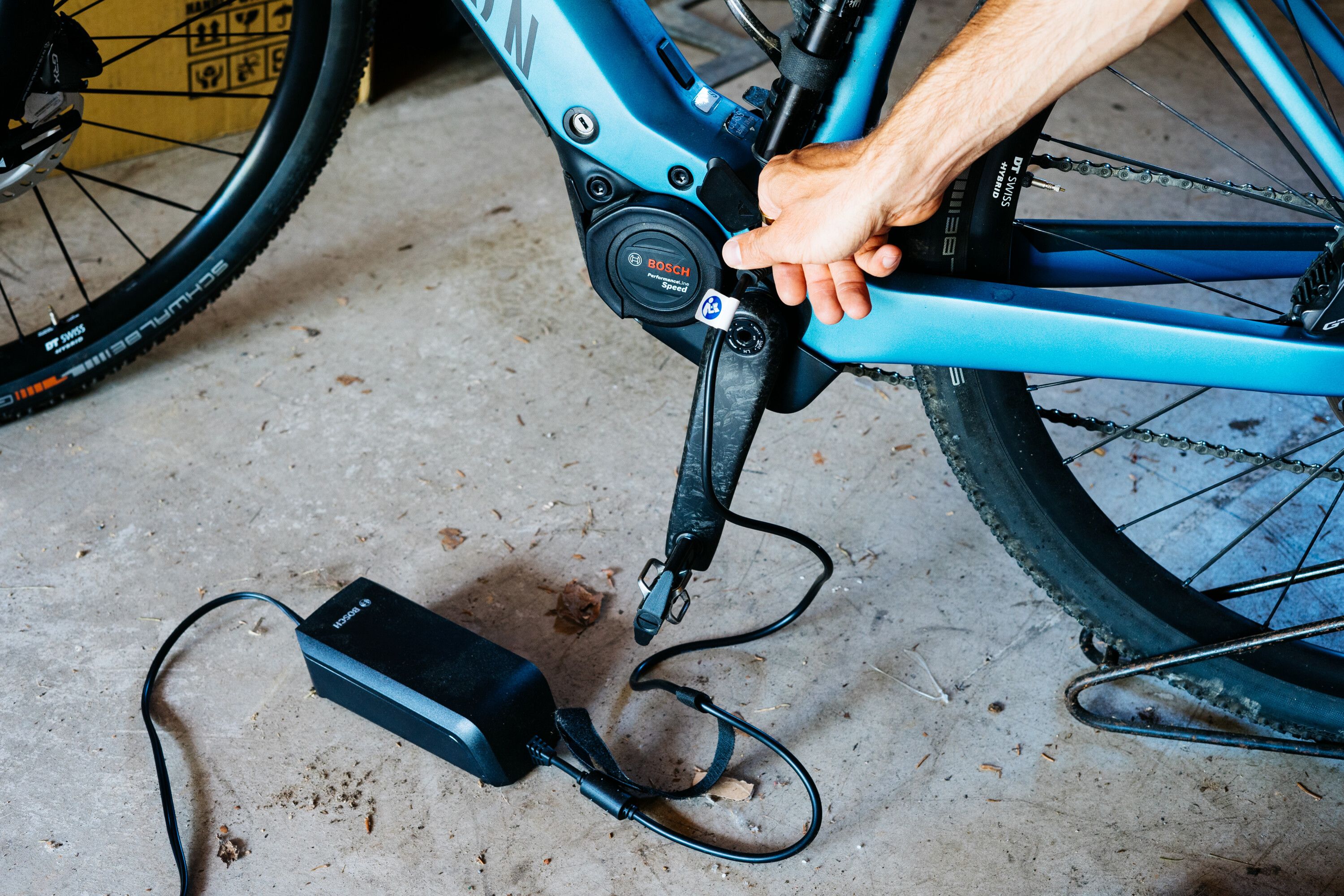
Image Source: hips.hearstapps.com
Deciphering E-bike Battery Charging Time
The electric bike battery full charge time is influenced by several key elements. Think of it like filling a water bottle: a bigger bottle takes longer, and a stronger hose fills it faster. Similarly, your e-bike battery’s “size” (capacity) and the “strength of the hose” (charger’s power) are primary determinants.
Battery Capacity: The Kilowatt-Hour (kWh) Factor
E-bike batteries are measured in Watt-hours (Wh) or Kilowatt-hours (kWh). This unit tells you how much energy the battery can store. A larger capacity means more range, but also a longer charging time.
- Common E-bike Battery Capacities:
- 250 Wh: Smaller, often found on lighter commuter e-bikes.
- 400 Wh: A popular mid-range option offering a good balance of range and weight.
- 500 Wh: Common on many mid-drive e-bikes, providing ample range.
- 600 Wh and above: Found on higher-end e-bikes, long-range touring bikes, or cargo bikes.
To estimate charging time, you can use a simple formula:
Charging Time (hours) ≈ Battery Capacity (Wh) / Charger Output (W)
For example, if you have a 500 Wh battery and a 2 Amp (A) charger with a 36V battery, the charger output is 36V * 2A = 72W.
Charging Time ≈ 500 Wh / 72 W ≈ 6.9 hours.
Charger Power Output: The Charging Speed
The charger that comes with your e-bike is designed to match its battery. Chargers have a power output measured in Watts (W) or Amperage (A) at a specific Voltage (V). Higher wattage chargers can deliver more power, thus reducing the electric bicycle battery charging duration.
- Standard Chargers: Often around 2A (e.g., 36V x 2A = 72W).
- Fast Chargers: Can be 3A, 4A, or even higher (e.g., 36V x 4A = 144W).
Using a higher-wattage charger will significantly decrease the e-bike battery charging time, but it’s crucial to ensure your battery is compatible with faster charging. Using an incompatible charger can damage the battery.
Battery State of Charge: How Empty is It?
The time it takes to charge also depends on how depleted the battery is. If your battery is nearly full, it will charge faster in the final stages. Charging from 0% to 100% will naturally take longer than charging from 50% to 100%.
Factors Affecting E-bike Battery Charge Time
Beyond capacity and charger power, several other factors can subtly influence how long it takes to get your e-bike battery fully charged.
Battery Age and Health
As batteries age, their capacity can degrade. An older battery might not hold as much charge as it did when new, and its ability to accept a charge might also change. While this usually doesn’t drastically alter charging time from a measured perspective, it can affect the effective range you get from a full charge. Battery management systems (BMS) within the battery pack also play a role in regulating charge and discharge.
Temperature
Batteries, especially lithium-ion batteries, are sensitive to temperature.
- Charging in cold temperatures (below 0°C or 32°F): Can significantly slow down the charging process and even be harmful to the battery if forced. Most modern e-bike chargers and batteries have built-in protection to prevent charging in freezing conditions.
- Charging in very hot temperatures (above 35°C or 95°F): Can also affect charging speed and battery health. The battery management system might throttle the charging rate to prevent overheating.
It’s best to charge your battery in a moderate environment, typically between 10°C and 30°C (50°F and 86°F).
Charger Quality and Efficiency
Not all chargers are created equal. A well-designed, efficient charger will deliver power more reliably and potentially slightly faster than a lower-quality one, even if they have the same stated wattage. The efficiency of the charger itself (how much power is lost as heat during conversion) can also play a minor role.
Battery Management System (BMS)
Every modern e-bike battery has a Battery Management System (BMS). This is a sophisticated electronic circuit that monitors and controls the battery’s charging and discharging. The BMS protects the battery from overcharging, over-discharging, short circuits, and overheating. It also helps balance the cells within the battery pack to ensure consistent performance and longevity. The BMS can influence charging speed by regulating the flow of electricity, especially as the battery approaches a full charge.
The E-bike Battery Charging Process
Understanding the e-bike battery charging process can help demystify how your battery gets its power. It’s a multi-stage process designed for efficiency and battery longevity.
- Constant Current (CC) Phase: When the battery is significantly discharged, the charger delivers a constant, high current to the battery. This is the fastest part of the charging cycle, aiming to quickly bring the battery’s voltage up to a certain level.
- Constant Voltage (CV) Phase: As the battery voltage gets closer to its maximum, the charger switches to a constant voltage mode. In this phase, the current gradually decreases as the battery voltage increases. This prevents overcharging and is crucial for battery health. Most of the “topping up” happens here.
- Float Charge (or Trickle Charge): Once the battery reaches its full charge, some chargers will maintain a very low voltage and current to keep the battery topped up. This is often referred to as a “float” charge. However, many modern e-bike chargers simply shut off once the battery is full.
Typical E-bike Battery Charge Time Breakdown
Let’s look at some common scenarios to give you a better idea of typical e-bike battery charge time:
| Battery Capacity (Wh) | Charger Output (W) | Estimated Full Charge Time (Hours) | Notes |
|---|---|---|---|
| 400 Wh | 72W (2A @ 36V) | 5.5 – 7 | Standard charging time |
| 400 Wh | 144W (4A @ 36V) | 2.5 – 3.5 | Using a fast charger |
| 500 Wh | 72W (2A @ 36V) | 7 – 8.5 | Standard charging time |
| 500 Wh | 144W (4A @ 36V) | 3.5 – 4.5 | Using a fast charger |
| 600 Wh | 72W (2A @ 36V) | 8.5 – 10 | Longer charge for larger capacity |
| 600 Wh | 144W (4A @ 36V) | 4.2 – 5.5 | Faster charging for larger capacity |
| 750 Wh | 144W (4A @ 36V) | 5.2 – 6.5 | For very large batteries with fast charger |
Note: These are estimates. Actual times can vary based on the specific battery chemistry, BMS, charger efficiency, and initial state of charge.
The Best Way To Charge E-bike Battery
Knowing the best way to charge e-bike battery can extend its lifespan and ensure you always have power when you need it. Here are some best practices.
Use the Original or Approved Charger
Always use the charger that came with your e-bike or an officially approved replacement from the manufacturer. These are designed to work with your specific battery chemistry and voltage, ensuring optimal charging and preventing damage.
Charge in a Moderate Environment
Avoid extreme temperatures. Charge your battery indoors in a room that is not too hot or too cold. This protects the battery’s internal components and ensures a consistent charging rate.
Don’t Leave it Plugged In Indefinitely (Generally)
While modern chargers and batteries have built-in safety features, it’s generally not recommended to leave your battery plugged in for weeks on end after it’s fully charged. Once the light on the charger turns green (indicating a full charge), unplugging it is a good habit. Some chargers maintain a trickle charge, which is generally safe, but prolonged connection can still cause minor degradation over time.
Avoid Deep Discharges
Lithium-ion batteries (the most common type in e-bikes) don’t suffer from the “memory effect” of older battery technologies. However, it’s generally better for their long-term health to avoid letting them drain completely to 0%. Charging your battery when it reaches around 20-30% is often recommended.
Store Batteries Properly
If you’re not using your e-bike for an extended period (e.g., over a month), store the battery at around 40-60% charge in a cool, dry place. This helps preserve its capacity over time.
Keep Connectors Clean
Ensure the charging port on your battery and the charger’s connector are clean and free from debris. This ensures a good electrical connection and prevents charging issues.
E-bike Battery Charging Tips for Longevity
To maximize the lifespan and performance of your e-bike battery, consider these e-bike battery charging tips:
- Read Your Manual: Your e-bike manufacturer’s manual is the ultimate guide for your specific battery and charging system.
- Charge When Needed: Don’t feel obligated to charge your battery after every short ride. Charge it when the indicator shows it’s low or when you know you’ll need a full charge for your next ride.
- Cool Down After Riding: If you’ve had a particularly strenuous ride or the battery feels warm, let it cool down for a bit before plugging it in to charge.
- Charge Fully, But Not Excessively: Aim for a full charge most of the time. However, if you’re planning a very short ride and your battery is already at 80%, there’s no need to top it up to 100%.
- Regularly Check the Charger: Inspect your charger and its cable for any signs of damage. If you notice fraying or damage, replace it immediately with an approved unit.
- Travel Smart: If you transport your e-bike or battery, ensure the battery is securely fastened and protected from impact.
- Consider a Spare Battery: For longer trips or if you use your e-bike extensively, investing in a spare battery can eliminate charging concerns altogether. You can swap them out and charge the depleted one later.
Frequently Asked Questions (FAQ)
Q1: Can I use a non-original charger for my e-bike battery?
A1: It’s strongly advised against using a non-original charger unless it’s explicitly approved by your e-bike manufacturer. Using an incompatible charger can lead to inefficient charging, damage to the battery, or even safety hazards like overheating or fire.
Q2: How often should I charge my e-bike battery?
A2: Charge your e-bike battery whenever the charge level is low or when you anticipate needing a full charge for your next ride. It’s generally not necessary to charge it after every short use. Avoiding deep discharges (letting it go to 0%) is beneficial for battery health.
Q3: Is it bad to leave my e-bike battery charging overnight?
A3: Modern e-bike battery systems with intelligent chargers are designed to prevent overcharging. Once the battery is full, the charger should stop or switch to a maintenance mode. While generally safe, it’s a good practice to unplug the charger once the battery is indicated as fully charged to minimize any potential long-term stress.
Q4: Will charging my e-bike battery faster damage it?
A4: Faster charging means the battery is accepting a higher current. While this can reduce e-bike battery charging time, it can also generate more heat. If your battery and charger are designed for fast charging, it should be safe. However, forcing a standard battery with a high-power charger can shorten its lifespan or cause damage. Always check manufacturer specifications.
Q5: How can I tell if my e-bike battery is charging?
A5: Most e-bike chargers have an indicator light that changes color or status when charging is in progress and when it’s complete. Usually, a red or orange light indicates charging, and a green light signifies a full charge. Refer to your charger’s manual for specific indicator meanings.
Q6: What is the typical lifespan of an e-bike battery?
A6: E-bike batteries typically have a lifespan of 3-5 years or 500-1000 charge cycles, whichever comes first. Proper charging habits, avoiding extreme temperatures, and not over-discharging can significantly contribute to extending battery life.
By following these guidelines, you can ensure your e-bike battery is always ready to go, providing you with many miles of enjoyable cycling. Knowing how long to charge a bike battery is just one piece of the puzzle; maintaining it correctly is key to its longevity and performance.