
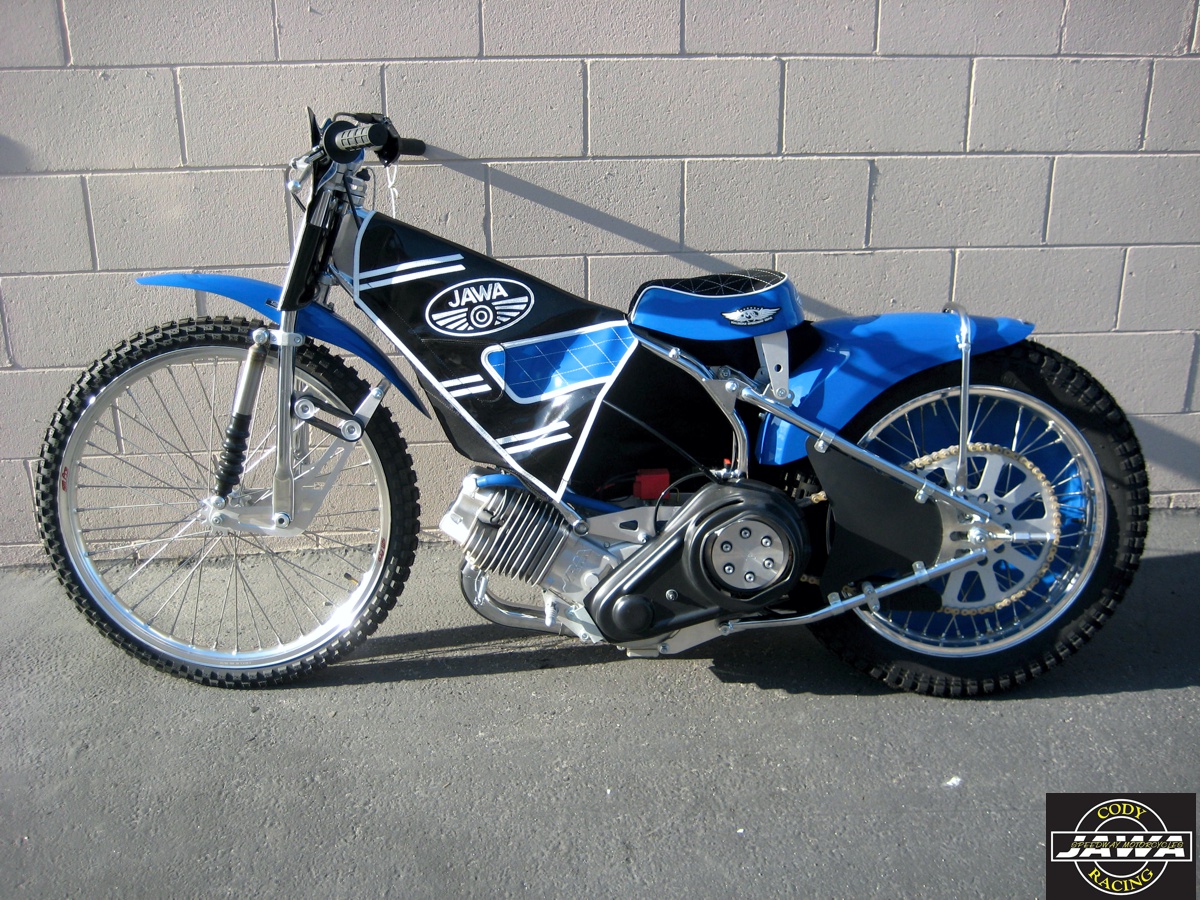
Image Source: www.speedwaybikes.com
How Much Does A New Speedway Bike Cost? – Investment
A brand new, competitive speedway motorcycle can range in price from £6,000 to £12,000 (approximately $7,500 to $15,000 USD), with bespoke or top-tier models potentially exceeding this. This price reflects a significant financial commitment, akin to a substantial motorcycle investment.
Embarking on the journey of owning a speedway motorcycle is an exciting prospect, but it’s crucial to approach the new bike purchase with a clear understanding of the associated costs. This isn’t your average street-legal machine; a speedway bike is a highly specialized piece of equipment, a dedicated race bike costs that reflects its purpose-built nature. Deciphering the speedway motorcycle price involves looking beyond the initial sticker shock and considering the entire ecosystem of racing motorcycle expenses.
The Core Components: What Drives the Speedway Bike Price?
The seemingly high motorcycle acquisition cost for a speedway bike is justified by the unique engineering and specialized components that make them scream around an oval track. These are not mass-produced vehicles; each aspect is designed for maximum performance in a very specific, demanding environment.
Engine Excellence: The Heartbeat of the Beast
The engine is undoubtedly the most significant contributor to the performance bike cost. Speedway bikes typically utilize 500cc, single-cylinder, four-stroke engines. However, the similarities to production motorcycle engines end there.
- Specialized Construction: Speedway engines are built for extreme stress and short, explosive bursts of power. They feature robust internal components designed to withstand immense forces.
- Fuel Type: They run on methanol, a highly volatile fuel that requires specific engine tuning and fuel systems.
- No Transmission (Typically): Most speedway bikes do not have gearboxes. This simplicity reduces weight and potential points of failure, but requires incredible clutch control and rider skill to manage power delivery.
- Exhaust Systems: These are also unique, designed to optimize the power delivery of methanol-fueled engines and contribute to the distinctive sound of the sport.
The development and manufacturing of these specialized engines involve significant research and development, contributing heavily to the overall specialty motorcycle pricing. Brands like JAP, GM, and Stu Pedersen are well-known for their high-performance speedway engines, each with its own price point and reputation.
Chassis and Frame: The Foundation of Agility
The frame and chassis are equally critical. They need to be incredibly strong yet lightweight to handle the G-forces and constant impacts of racing.
- Frame Materials: High-tensile steel tubing is common, often custom-welded to precise specifications.
- Geometry: The frame geometry is specifically designed for speedway tracks, influencing handling, rider positioning, and the bike’s ability to slide predictably.
- Suspension (Minimalist): Unlike street bikes, speedway bikes have very limited, if any, suspension. Some may have a basic front suspension fork, but rear suspension is generally absent. This direct connection to the track provides immediate feedback but demands exceptional rider input.
The intricate welding, precision engineering, and material science involved in creating these frames add to the overall motorcycle pricing.
Wheels and Tires: Gripping the Dirt
The wheels and tires are unique to speedway racing.
- Wheel Size: Speedway bikes typically run on 17-inch wheels, smaller than many street motorcycles.
- Tire Compound and Tread: Speedway tires are slick, with no aggressive tread patterns. Their compound is crucial for grip on dirt or shale tracks and is formulated for specific track conditions. They are also designed to be exceptionally durable under extreme heat and pressure.
- Rim Strength: The rims are built to be robust, capable of withstanding the stress of cornering and occasional contact with other riders.
The specialized manufacturing of these components also factors into the track bike budget.
Brakes: A Different Approach
Speedway bikes often have only a rear brake. This is a conscious decision to reduce weight and complexity, and because the rider’s body and the bike’s dynamics are so integral to controlling speed and direction.
- Rear Brake System: The rear brake is usually a hydraulic disc brake, offering strong stopping power.
- Front Brake Absence: The absence of a front brake is a defining characteristic and a significant factor in the rider’s technique and the bike’s design.
Beyond the Bike: Additional Racing Motorcycle Expenses
The speedway motorcycle price is just the beginning of the financial commitment. To truly compete, you need to factor in a host of other essential expenses. This is where the racing motorcycle expenses can quickly escalate, turning the initial new bike purchase into a more substantial undertaking.
Safety Gear: Protecting the Investment
Safety is paramount in speedway, and the required gear is specialized and often expensive.
- Helmet: A full-face helmet, designed to withstand impacts, is essential. Prices can range from £200 to £700.
- Riding Suit: A one-piece leather suit, reinforced and often custom-fitted, is crucial for protection. These can cost anywhere from £500 to £1,500.
- Boots: Specialized speedway boots offer ankle support and protection. Expect to pay £200 to £500.
- Gloves: Durable, protective gloves are a must. £50 to £150.
- Body Protection: This includes items like kidney belts, chest protectors, and neck braces, which add further protection and cost. £100 to £300.
The total cost of essential safety gear can easily reach £1,000 to £3,000.
Spares and Maintenance: Keeping the Machine Running
Speedway bikes are worked incredibly hard, and parts wear out. A proactive approach to spares and maintenance is vital to avoid costly breakdowns during races.
- Tires: Tires have a limited lifespan and need frequent replacement. A set can cost £150-£250, and you might need several sets per season.
- Sprockets and Chains: These wear out quickly and need regular replacement.
- Spark Plugs: Frequent changes are necessary for optimal performance.
- Clutch Components: The clutch is used heavily and requires periodic servicing or replacement.
- Engine Rebuilds: Engines require regular top-end rebuilds and occasional full overhauls. This is a significant recurring expense, potentially costing several hundred to over a thousand pounds per rebuild, depending on the extent of the work.
Having a good stock of critical spares on hand is a wise investment, but it adds to the initial outlay.
Transportation and Logistics: Getting to the Track
You need to transport your bike to the track.
- Trailer or Van: A suitable vehicle to transport your bike and gear is essential. This could be a purpose-built trailer or a van.
- Tools and Equipment: A comprehensive set of tools, stands, and other equipment for working on the bike at the track is necessary.
Track Fees and Licensing: Access to the Sport
To race, you’ll need to pay for track time, entry fees, and obtain the necessary licenses.
- Practice Days: Hiring tracks or attending practice days incurs costs.
- Race Entry Fees: Each meeting will have an entry fee.
- Licensing: Governing bodies require licenses for riders, which involve fees and potentially medical examinations.
New Bike vs. Used: Weighing the Options for Your Track Bike Budget
When considering your track bike budget, the decision between a new and a used speedway bike is a significant one.
The Allure of New: Benefits and Drawbacks
Benefits:
- Latest Technology: New bikes often incorporate the latest advancements in engine tuning, chassis design, and componentry.
- Reliability: A new bike typically comes with fewer immediate mechanical issues, offering peace of mind.
- Warranty (Limited): While not extensive, there might be some manufacturer support or warranty on certain components.
- Customization: You often have more options for customization and setup when ordering a new bike.
Drawbacks:
- Highest Initial Cost: This is the most obvious disadvantage. The motorcycle pricing for a new, competitive machine is substantial.
- Depreciation: Like any high-performance vehicle, a new speedway bike will depreciate in value from the moment it’s purchased.
The Pragmatism of Used: Benefits and Drawbacks
Benefits:
- Lower Initial Outlay: The primary advantage of buying used is a significantly lower motorcycle acquisition cost. This can make the sport more accessible for those with tighter budgets.
- Potentially More Affordable Racing: A used bike that has been well-maintained can still be very competitive, allowing you to enter the sport at a lower entry price point.
Drawbacks:
- Unknown History: You don’t always know how the bike has been maintained or if it has been involved in any significant crashes. Thorough inspection is crucial.
- Potential for Hidden Problems: A used bike may require immediate repairs or upgrades, which can quickly add to the initial purchase price.
- Older Technology: You might be buying a bike with older engine specifications or chassis designs, potentially putting you at a disadvantage against newer machines.
- Higher Maintenance Costs: Older bikes might require more frequent and extensive maintenance.
When buying used, it’s highly recommended to have an experienced mechanic or a seasoned speedway rider inspect the bike thoroughly. This is crucial for avoiding costly surprises and ensuring you’re getting a reliable machine for your track bike budget.
Factors Influencing Speedway Motorcycle Pricing
Several factors can influence the final speedway motorcycle price, regardless of whether you’re looking at new or used.
- Brand and Manufacturer: Reputable brands known for producing competitive machinery will command higher prices.
- Component Quality: Bikes built with top-tier engines, frames, and suspension components will be more expensive.
- Customization and Bespoke Builds: If a bike is built to your exact specifications by a renowned builder, expect to pay a premium. This is a significant aspect of specialty motorcycle pricing.
- Recentness of the Model: Newer models with the latest specifications will naturally be more expensive than older ones.
- Condition (for Used Bikes): The overall condition, mileage (if applicable), and maintenance history of a used bike will heavily impact its value.
Is a Speedway Bike a Wise Motorcycle Investment?
Defining a motorcycle investment can be tricky. For most, a speedway bike is not a traditional investment in the financial sense, like stocks or bonds. Its value is primarily in its utility and the enjoyment derived from racing.
- Cost of Participation: The primary “return” on a speedway bike is the experience and competition it enables. The costs are more akin to a hobby or a sport with significant equipment requirements.
- Depreciation: As mentioned, speedway bikes, particularly new ones, depreciate. The performance bike cost is not typically recouped through resale value.
- Potential for Earning: While very few riders make a significant income from speedway, professional riders may earn sponsorship and prize money. However, this is rarely enough to cover the full racing motorcycle expenses.
Therefore, approaching the purchase of a speedway bike as a motorcycle investment in terms of financial return is generally not advisable. It’s an investment in a passion, a sport, and a thrilling experience.
Building Your Speedway Bike Budget: A Realistic Approach
To manage your track bike budget effectively, it’s best to break down the costs into initial outlay and ongoing expenses.
Initial Outlay: The Big Ticket Items
| Item | Estimated Cost (GBP) | Estimated Cost (USD) | Notes |
|---|---|---|---|
| New Speedway Bike | £6,000 – £12,000+ | $7,500 – $15,000+ | Varies by brand, spec, and customization. |
| Used Speedway Bike | £3,000 – £7,000 | $3,750 – $8,750 | Condition and age are key factors. |
| Safety Gear | £1,000 – £3,000 | $1,250 – $3,750 | Essential for rider safety. |
| Essential Spares (Initial) | £500 – £1,500 | $625 – $1,875 | Tires, sprockets, chain, plugs, etc. |
| Transportation Setup | £1,000 – £5,000+ | $1,250 – $6,250+ | Trailer, van, tools. |
| Total Initial Outlay | £9,500 – £21,500+ | $11,875 – $26,875+ | This is a significant financial commitment. |
Ongoing Expenses: The Continuous Costs
| Item | Estimated Annual Cost (GBP) | Estimated Annual Cost (USD) | Notes |
|---|---|---|---|
| Engine Rebuilds | £500 – £2,000+ | $625 – $2,500+ | Depending on usage and frequency of rebuilds. |
| Tires | £500 – £1,000 | $625 – $1,250 | Based on track days and race meetings attended. |
| General Spares | £200 – £500 | $250 – $625 | Small parts, consumables. |
| Track Fees | £300 – £800 | $375 – $1,000 | Practice days, track hire. |
| Race Entry Fees | £200 – £600 | $250 – $750 | Per meeting, varies by series. |
| Licensing/Permits | £100 – £200 | $125 – $250 | Annual fees for racing. |
| Maintenance/Parts | £300 – £800 | $375 – $1,000 | General upkeep, oil changes, chain lube, etc. |
| Total Annual | £2,100 – £5,900+ | $2,625 – $7,375+ | This will vary greatly based on your level of participation. |
It’s important to be realistic. The performance bike cost is only the entry ticket. Consistent participation in the sport will involve substantial ongoing expenditures.
Conclusion: A Passionate Pursuit Demanding Preparedness
The speedway motorcycle price is a considerable figure, reflecting the highly specialized nature of these machines. A new, competitive speedway bike represents a significant motorcycle investment, but one that is primarily in the pursuit of sport and adrenaline rather than financial gain. Thorough research, a realistic track bike budget, and an honest assessment of ongoing racing motorcycle expenses are crucial for anyone considering entering the world of speedway. Whether opting for new or used, preparation and understanding the full scope of costs are key to a successful and enjoyable experience.
Frequently Asked Questions (FAQ)
Q1: What is the average lifespan of a speedway engine?
A: The lifespan of a speedway engine is measured in hours or events, not mileage. Depending on the tune, how it’s ridden, and the maintenance it receives, an engine might require a top-end rebuild every 10-20 hours of running time, and a full overhaul could be needed after 40-60 hours.
Q2: Can I race a speedway bike on the road?
A: No, speedway bikes are not road-legal. They lack essential features like lights, mirrors, proper suspension for road use, and emissions controls. They are purpose-built for closed-track racing only.
Q3: Who makes the best speedway bikes?
A: There isn’t a single definitive “best.” Reputable manufacturers and engine builders known for quality and performance include JAP, GM Engineering, Stu Pedersen, and various custom builders who use these engines as a base. The choice often depends on rider preference, availability, and specific performance characteristics.
Q4: How much does it cost to maintain a speedway bike per year?
A: As detailed in the article, annual maintenance and running costs can range from £2,100 to £5,900+ (approximately $2,625 to $7,375+), heavily influenced by how often you ride and race, and the frequency of engine rebuilds and tire replacements.
Q5: Is it cheaper to buy a used speedway bike?
A: Generally, yes. A used speedway bike will have a lower initial purchase price than a new one, making it a more accessible entry point. However, it’s crucial to factor in potential repair costs and the possibility of older technology.