
How long does it take to bike 60 miles? Typically, it takes between 2.5 to 6 hours to bike 60 miles, depending on several key factors. This guide will break down all the elements that influence your bicycle ride length 60 miles, helping you estimate your own 60 mile bike ride duration and plan your adventures. Whether you’re a seasoned cyclist or just starting out, knowing how to calculate your cycling time for 60 miles is crucial for training, event participation, or simply enjoying a long ride.
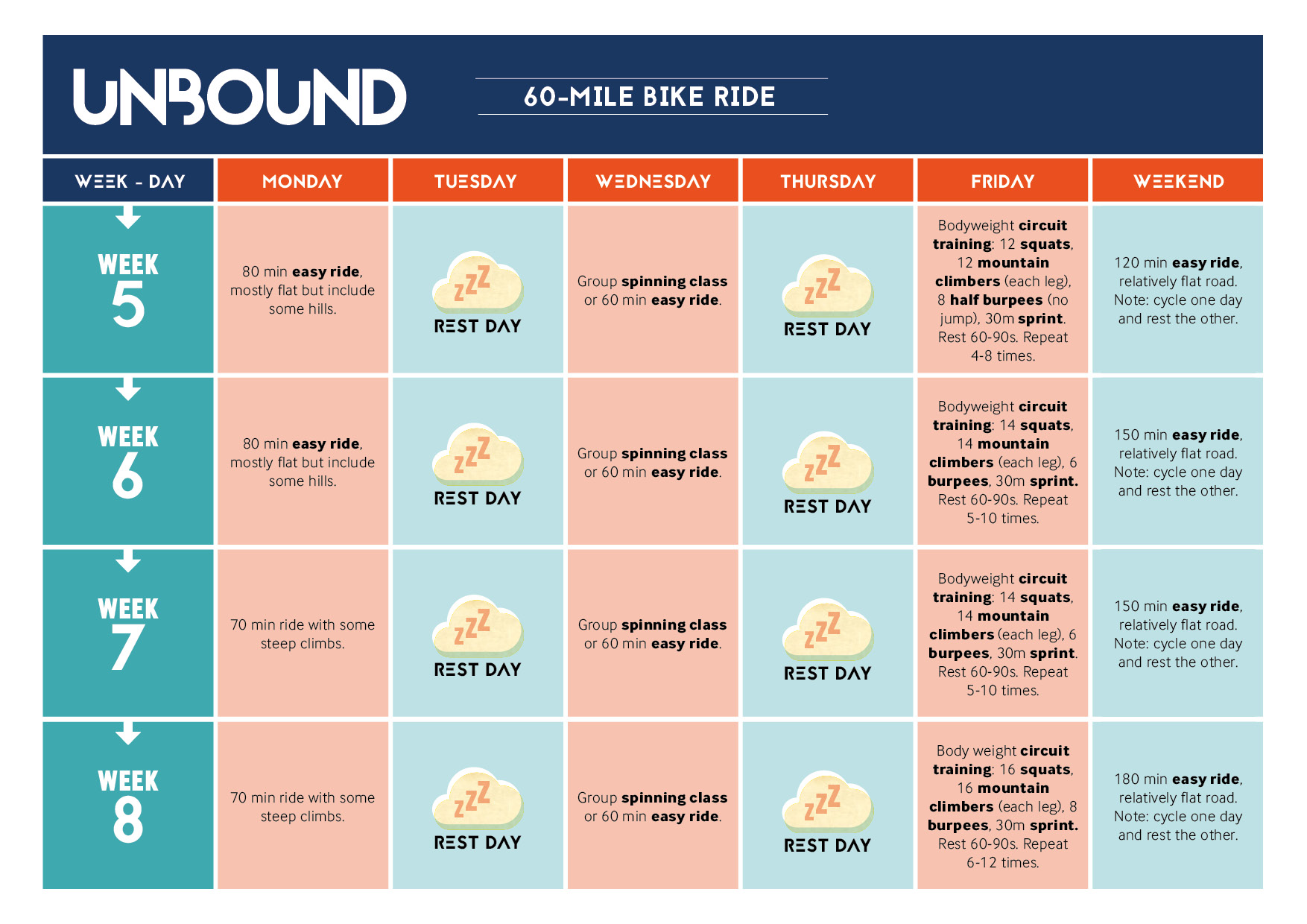
Image Source: www.active-traveller.com
Factors Affecting Your 60 Mile Bike Time
Several things change how long it takes to bike 60 miles. Your average biking speed is the main one. But many other things play a big role.
1. Your Fitness Level and Endurance
This is the biggest factor. How fit are you?
- Beginners: If you’re new to cycling or haven’t ridden long distances before, your speed will be lower. You’ll likely need more stops. Expect your endurance cycling time to be on the longer side.
- Intermediate Cyclists: Those who ride regularly but perhaps not for these distances will be faster. They can maintain a steady pace for longer.
- Advanced/Pro Cyclists: Experienced riders with high fitness levels can maintain much higher speeds and for longer periods. They often focus on 60 mile cycling pace for training or racing.
2. Terrain and Elevation Gain
Where you ride makes a huge difference.
- Flat Roads: Biking on flat, smooth roads is the fastest. You can maintain a good speed with less effort.
- Rolling Hills: Expect your speed to drop when you encounter hills. Climbing takes more energy and time.
- Steep Climbs: Significant elevation gain will drastically increase your 60 mile bike ride duration. You’ll go slower uphill and might need to walk in some sections.
- Off-Road/Gravel: Riding on rougher surfaces like gravel or dirt paths slows you down considerably compared to paved roads.
3. Bicycle Type and Condition
The bike itself matters.
- Road Bikes: These are designed for speed on pavement. They are lightweight with narrow tires, allowing for higher average biking speed.
- Mountain Bikes: Heavier and built for off-road, they have knobby tires that create more friction and are slower on roads.
- Hybrid Bikes: A mix between road and mountain bikes, they are generally slower than road bikes but more versatile.
- Bike Condition: Properly inflated tires, a well-maintained drivetrain, and good brakes contribute to efficiency and speed. A poorly maintained bike will slow you down.
4. Weather Conditions
The elements can be your friend or foe.
- Wind: A strong headwind can make biking incredibly difficult, reducing your speed significantly. A tailwind, however, can boost your speed.
- Temperature: Extreme heat or cold can affect your stamina and require more frequent breaks, impacting your cycling time for 60 miles.
- Rain: Wet roads can be slippery and slow you down, as you’ll want to be more cautious. Visibility can also be reduced.
5. Rider Weight and Bike Load
Your weight and what you carry influence speed.
- Rider Weight: A heavier rider will generally require more effort to maintain the same speed as a lighter rider, especially on climbs.
- Bike Load: Carrying extra gear, water, or luggage increases the total weight, making the ride harder and slower. This is especially noticeable in endurance cycling time calculations.
6. Pacing Strategy and Breaks
How you manage your effort is key.
- Steady Pacing: Maintaining a consistent 60 mile cycling pace throughout the ride is more efficient than sprinting and then resting.
- Breaks: Short, strategic breaks for hydration and nutrition are better than long, unplanned stops. Too many or too long breaks will extend your bicycle ride length 60 miles.
7. Traffic and Road Conditions
External factors can cause delays.
- Traffic Lights: Frequent stops at traffic lights can interrupt your rhythm and add time.
- Road Surface: Poor road surfaces with potholes or rough patches will slow you down and can be uncomfortable.
- Route Choice: Selecting a route with fewer stops, less traffic, and smoother surfaces will generally lead to a faster 60 mile bike ride duration.
Calculating Your Estimated 60 Mile Bike Ride Duration
To get a good idea of how many hours to bike 60 miles, you need to consider your average biking speed.
Average Biking Speed
The average biking speed for recreational cyclists on mostly flat terrain is typically between 12 to 16 mph.
- Beginner: 10-12 mph
- Intermediate: 12-15 mph
- Advanced: 15-20+ mph
The Calculation Formula
The basic formula is:
Time = Distance / Speed
Let’s apply this to a 60-mile ride:
- At 10 mph: 60 miles / 10 mph = 6 hours
- At 12 mph: 60 miles / 12 mph = 5 hours
- At 15 mph: 60 miles / 15 mph = 4 hours
- At 18 mph: 60 miles / 18 mph = 3.33 hours (3 hours and 20 minutes)
- At 20 mph: 60 miles / 20 mph = 3 hours
So, based on speed alone, your cycling time for 60 miles can range from 3 to 6 hours.
Incorporating Breaks and Other Factors
This simple calculation doesn’t account for stops, hills, or other delays. To get a more realistic estimate for your 60 mile bike ride duration, you need to add buffer time.
Estimated Time = (Distance / Speed) + Break Time + Hill Time Adjustment
- Break Time: For a 60-mile ride, you might take 15-30 minutes of breaks every 20-30 miles. That could add another 30 minutes to 1.5 hours.
- Hill Time Adjustment: If your route has significant hills, you could easily add an extra 1-2 hours or more to your long distance cycling time.
Example:
Let’s say you’re an intermediate cyclist aiming for 14 mph on flat ground, but your route has moderate hills and you plan for 45 minutes of breaks.
- Base Time: 60 miles / 14 mph = 4.28 hours (approx. 4 hours 17 minutes)
- Add Break Time: 4 hours 17 minutes + 45 minutes = 5 hours 2 minutes
- Add Hill Adjustment: Let’s add 45 minutes for moderate hills. 5 hours 2 minutes + 45 minutes = 5 hours 47 minutes.
So, for this intermediate rider, the 60 mile bike ride duration could be around 5 hours and 47 minutes.
Using a Biking Distance and Time Calculator
Many online tools and apps can help you estimate your ride time. These are often called biking distance and time calculator tools. You input your distance, your expected average speed, and sometimes factors like terrain and elevation. Some advanced calculators even factor in weather.
How to Use Them Effectively
- Know Your Pace: Use a GPS watch or cycling computer on shorter rides to find out what your typical average speed is on similar terrain.
- Input Accurate Data: Be honest about your fitness and the expected conditions. Overestimating your speed will lead to an inaccurate and potentially disappointing estimate.
- Consider Route Specifics: If you’re planning a specific route, use mapping tools that provide elevation profiles. This is crucial for adjusting your long distance cycling time estimates.
What to Expect on Your 60 Mile Ride
A 60-mile bicycle ride is a significant undertaking. It requires preparation and a realistic mindset.
For Beginners
- Pace: Aim for a 60 mile cycling pace around 10-12 mph.
- Duration: Expect your 60 mile bike ride duration to be 5 to 6 hours, possibly more, including stops.
- Preparation: Focus on shorter rides building up to 30-40 miles in the weeks leading up to the 60-mile ride. Ensure you have good nutrition and hydration strategies.
- Mindset: Be prepared for discomfort. It’s a test of endurance.
For Intermediate Riders
- Pace: Aim for 13-16 mph.
- Duration: Expect 3.5 to 5 hours, plus breaks.
- Preparation: You should be comfortable riding 40-50 miles regularly. Practice fueling and hydration on longer rides.
- Mindset: Focus on maintaining a consistent effort and pacing yourself to avoid hitting a wall.
For Advanced Riders
- Pace: 17-20+ mph is achievable.
- Duration: Potentially under 3.5 hours.
- Preparation: These riders likely already do rides of this length or longer regularly. Training would focus on increasing power output and efficiency.
- Mindset: The focus might be on specific time goals or a competitive pace.
Creating a Realistic 60 Mile Cycling Pace Plan
Your 60 mile cycling pace isn’t static. It will change throughout the ride.
Zone Training
Many cyclists use heart rate zones or perceived exertion to manage their effort.
- Zone 2 (Easy): You can hold a conversation. This is good for the majority of your endurance cycling time.
- Zone 3 (Moderate): Talking is harder, but you can still manage short sentences. Use this for rolling terrain.
- Zone 4 (Threshold): Talking is very difficult. Use this sparingly on climbs or to push the pace.
Pacing Strategies
- Start Conservatively: It’s easy to go out too fast when you’re fresh. Resist the urge. A slightly slower start conserves energy for the later miles.
- Hydrate and Fuel Early and Often: Don’t wait until you’re thirsty or hungry. Sip water and take small bites of food regularly (e.g., every 20-30 minutes).
- Maintain Cadence: A consistent pedaling rate (cadence), typically 80-90 RPM, is more efficient than mashing a big gear slowly.
- Ride the Draft: If riding with others, take turns at the front to share the workload. Riding behind someone can save you up to 30% of your effort.
Preparing for Your 60 Mile Ride
Proper preparation is key to successfully completing a 60-mile ride and enjoying it.
Training Schedule
- Build Mileage Gradually: Increase your longest ride distance by no more than 10-15% each week.
- Include Variety: Mix in shorter, faster rides with longer, slower rides. Hill repeats are also beneficial.
- Rest and Recovery: Allow your body to adapt. Schedule rest days and easy recovery rides.
Nutrition and Hydration Strategy
- Pre-Ride Meal: Eat a carbohydrate-rich meal 2-3 hours before your ride.
- During the Ride: Aim for 50-100 grams of carbohydrates per hour. This can come from energy gels, bars, bananas, or sports drinks. Hydration is equally critical. Drink to thirst, but aim for a consistent intake, especially in warm weather. Electrolytes are also important for longer rides.
- Post-Ride Recovery: Refuel with a mix of carbohydrates and protein within 30-60 minutes after finishing.
Bike Maintenance
- Tire Pressure: Ensure tires are inflated to the correct pressure for your weight and the road conditions.
- Chain Lubrication: A clean, lubricated chain runs smoother and more efficiently.
- Brake Check: Make sure your brakes are working properly.
- Gear Check: Ensure your gears shift smoothly.
What to Pack
- Water Bottles or Hydration Pack: Carry enough water for at least 2-3 hours of riding, and know where you can refill.
- Nutrition: Energy gels, bars, snacks.
- Repair Kit: Spare tube, tire levers, pump or CO2 cartridges, multi-tool.
- Phone: For emergencies and navigation.
- Identification and Emergency Contact Info.
- Cycling Computer or GPS Device: For tracking distance, speed, and navigation.
- Lights: Even if riding during the day, lights improve visibility.
- Weather-Appropriate Clothing: Layers are good for changing conditions.
Frequently Asked Questions (FAQ)
Q1: What is a good average speed for a 60-mile bike ride?
A good average speed for a 60-mile bike ride on mostly flat terrain for a recreational cyclist is typically between 12-15 mph. For more experienced or fit riders, this can be higher, while beginners might average 10-12 mph.
Q2: How many hours to bike 60 miles if I’m a beginner?
If you are a beginner, you can expect your cycling time for 60 miles to be around 5 to 6 hours, possibly more, depending on the terrain and how many breaks you take.
Q3: Does elevation significantly impact 60 mile bike ride duration?
Yes, elevation gain significantly impacts your 60 mile bike ride duration. Climbing hills takes much longer and requires more energy than riding on flat ground, so expect your bicycle ride length 60 miles to increase substantially with more elevation.
Q4: Can I use a biking distance and time calculator for training plans?
Absolutely! A biking distance and time calculator is a great tool for planning your training rides. By inputting your target distance and estimated pace, you can set realistic goals and track your progress.
Q5: What is the difference between average biking speed and 60 mile cycling pace?
“Average biking speed” refers to your overall speed over a set distance or time. “60 mile cycling pace” specifically refers to the speed you aim to maintain or achieve over a 60-mile distance, often considering factors like terrain and endurance. While related, “pace” can imply a more strategic approach to speed management over the entire distance.
Q6: Is 60 miles considered a long-distance ride?
Yes, for most recreational cyclists, a 60-mile ride is considered a long-distance ride. It requires good fitness, proper preparation, and a solid understanding of endurance cycling time management.
Q7: How much break time should I factor into my 60 mile bike ride duration?
For a 60-mile ride, it’s wise to factor in at least 30-60 minutes of break time for hydration, nutrition, and short rests. This can be spread out as 5-10 minute breaks every hour or a couple of longer breaks. This adjustment is crucial for accurate cycling time for 60 miles estimates.
Q8: What kind of bicycle is best for a 60-mile ride?
A road bike is generally the best type of bicycle for a 60-mile ride on paved surfaces due to its lightweight design and efficiency. However, a well-maintained hybrid bike can also be suitable, especially if the terrain is mixed.
Q9: How can I improve my average biking speed for longer distances?
To improve your average biking speed for longer distances, focus on consistent training that includes interval workouts, hill training, and gradually increasing your ride mileage. Improving your aerobic capacity, muscular endurance, and bike handling skills will all contribute. Practicing your 60 mile cycling pace on similar routes is also vital.
Q10: What are the key factors affecting 60 mile bike time?
The primary factors affecting 60 mile bike time include your fitness level, the terrain (especially elevation gain), weather conditions (like wind), your bicycle type and its condition, your weight and any load you’re carrying, and your pacing strategy including breaks.
By carefully considering these elements and using the information in this guide, you can confidently estimate your 60 mile bike ride duration and prepare for a successful and enjoyable ride. Happy cycling!