
What is the typical lifespan of an e-bike battery? An e-bike battery typically lasts between 3 to 5 years, or roughly 500 to 1000 charge cycles.
This guide will help you understand how long your electric bike battery will last and how to get the most out of it. We’ll cover everything from how the battery works to how to keep it in great shape.
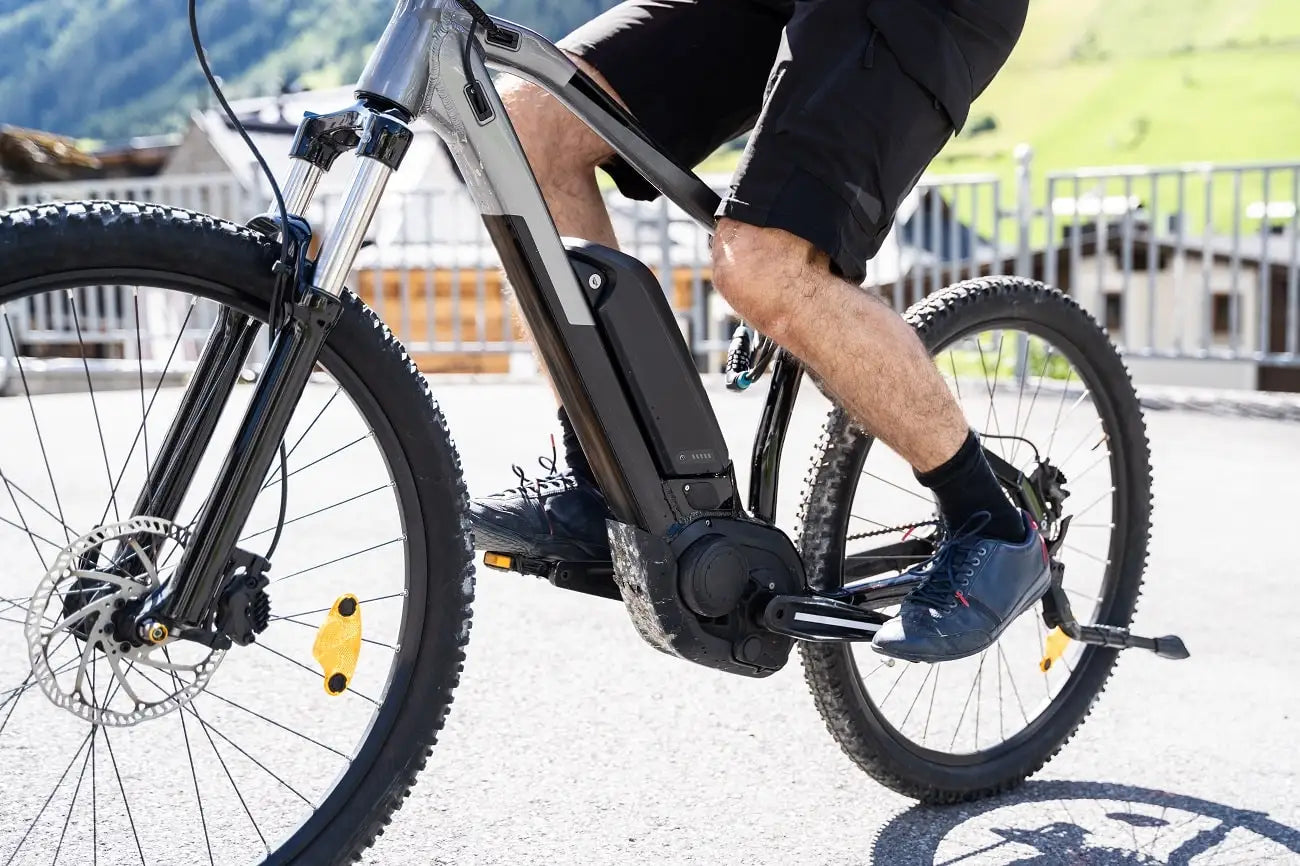
Image Source: rydybikes.com
Factors Affecting E-Bike Battery Duration
Many things can influence how long your e-bike battery keeps working. It’s not just about how much you ride, but also how you treat the battery.
E-Bike Battery Capacity and Range
The e-bike battery capacity is measured in watt-hours (Wh). A higher Wh number means the battery can store more energy. This directly impacts your e-bike battery range, which is how far you can go on a single charge.
- Small Capacity Batteries (250-400 Wh): Offer a range of about 15-30 miles.
- Medium Capacity Batteries (400-600 Wh): Provide a range of 25-50 miles.
- Large Capacity Batteries (600+ Wh): Can give you a range of 40-70+ miles.
However, your actual range will change based on several factors we’ll discuss next.
Riding Style and Terrain
How you ride your e-bike plays a big role in how quickly the battery drains.
- Assistance Level: Using higher levels of pedal assist uses more battery power. Frequent starting and stopping also drains the battery faster than steady pedaling.
- Terrain: Riding uphill or on rough terrain requires more energy from the motor, thus using more battery.
- Rider Weight and Load: A heavier rider or carrying extra weight (like groceries or a backpack) means the motor needs to work harder, reducing battery life per charge.
- Tire Pressure: Underinflated tires create more rolling resistance. This makes the motor work harder and drains the battery quicker.
Environmental Conditions
The weather and temperature can also affect your e-bike battery.
- Temperature: Extreme temperatures, both hot and cold, can negatively impact battery performance. Very cold weather can temporarily reduce capacity and power output. Very hot weather can speed up e-bike battery degradation.
- Humidity: While less of a direct factor for battery performance, high humidity can sometimes affect electronic components if not properly sealed.
Age and Usage: E-Bike Battery Lifespan
Over time, all batteries degrade. This is a natural process.
- E-bike battery lifespan is measured not just in years but also in e-bike battery charge cycles. A charge cycle is counted each time the battery is fully discharged and then recharged. Most lithium-ion e-bike batteries are rated for 500 to 1000 full charge cycles.
- E-bike battery degradation means the battery will hold less charge as it ages. This leads to a shorter electric bicycle battery duration over time.
What is E-Bike Battery Health?
E-bike battery health refers to the current condition and performance capability of your battery. A healthy battery will deliver its full rated capacity and provide consistent power. As a battery ages or is exposed to poor charging habits, its health declines.
Measuring Battery Health
You can often check your battery’s health through your e-bike’s display or a dedicated battery management system (BMS) app. This might show you:
- State of Health (SoH): A percentage indicating how much capacity the battery retains compared to when it was new.
- Voltage: The current electrical potential of the battery.
- Temperature: Crucial for diagnosing issues.
Maximizing Your E-Bike Battery Life: E-Bike Battery Optimization
Proper care can significantly extend your e-bike battery life and help maintain its e-bike battery health. These tips are key for e-bike battery optimization.
Charging Best Practices
- Avoid Full Discharge: Try not to drain your battery completely before recharging. Lithium-ion batteries prefer partial charges.
- Don’t Overcharge: While most modern chargers have protection, it’s still a good idea to unplug the battery once it’s fully charged. Leaving it plugged in for extended periods after reaching 100% can contribute to degradation.
- Use the Correct Charger: Always use the charger that came with your e-bike or a certified replacement. Using an incompatible charger can damage the battery or be a fire hazard.
- Charge at Room Temperature: Charge your battery indoors in a moderate temperature environment. Avoid charging in direct sunlight or freezing conditions.
Storage and Maintenance
- Storage Charge Level: If you plan to store your e-bike for a long period (over a month), charge or discharge the battery to about 50-60%. Storing a fully charged or fully depleted battery can stress it and reduce its e-bike battery lifespan.
- Storage Temperature: Store the battery in a cool, dry place, away from direct sunlight and extreme temperatures.
- Regularly Clean Battery Contacts: Ensure the charging contacts on both the battery and the bike are clean and free of debris. Use a dry, soft cloth. Corrosion can hinder charging.
Riding Habits for Battery Longevity
- Gentle Acceleration: Avoid sudden bursts of power. Smooth acceleration is more efficient.
- Proper Gear Usage: Use your gears effectively, especially when climbing hills. Shifting to a lower gear for hills reduces the strain on the motor and battery.
- Maintain Tire Pressure: Keeping your tires properly inflated reduces rolling resistance.
- Keep it Clean: A clean bike is often more efficient. Regularly clean your bike, paying attention to the drivetrain.
E-Bike Battery Degradation Explained
E-bike battery degradation is the gradual loss of capacity and performance over time and with use. This is a natural process for all rechargeable batteries, especially lithium-ion technology.
What Causes Degradation?
- Charge Cycles: Each time you charge and discharge the battery, it undergoes chemical and physical changes that wear it down. This is why e-bike battery charge cycles are a key metric for e-bike battery lifespan.
- Age: Even if not used, the internal components of a battery can degrade over time due to chemical reactions within the cell.
- Temperature Extremes: As mentioned, prolonged exposure to very high or very low temperatures accelerates degradation.
- High Discharge Rates: Frequently using maximum assist or engaging in aggressive riding styles that demand high power output can stress the battery and contribute to faster degradation.
- Improper Charging/Storage: Leaving a battery at 100% charge for long periods or storing it completely empty can also harm its e-bike battery health.
Signs of Battery Degradation
You’ll notice signs of e-bike battery degradation as it affects your riding experience:
- Reduced Range: The most common sign is that you can no longer travel as far on a single charge as you used to.
- Shorter Ride Times: The battery drains much faster than before.
- Inconsistent Power Delivery: The motor might feel less powerful, especially on inclines.
- Battery Fails to Charge Fully: The charger may indicate a full charge, but the battery doesn’t last as long as it should.
- Error Codes: Some e-bike systems will display error codes indicating a battery issue.
Understanding E-Bike Battery Replacement
Eventually, all e-bike batteries will reach the end of their usable life. When your battery’s e-bike battery health has significantly declined, it’s time for an e-bike battery replacement.
When to Consider Replacement
- When your battery’s range is significantly less than half of its original capacity.
- If the battery no longer holds a charge for a reasonable amount of time.
- If you notice physical damage to the battery pack, such as swelling or leaking.
- When your e-bike’s display indicates a persistent battery fault that cannot be resolved.
Cost and Options for E-Bike Battery Replacement
E-bike battery replacement can be a significant investment. The cost varies depending on the brand, capacity, and type of battery.
- Genuine Manufacturer Batteries: These are the most expensive but guarantee compatibility and often come with a warranty.
- Aftermarket Batteries: These can be more affordable but it’s crucial to buy from reputable brands that offer warranties and have good reviews. Ensure they are compatible with your e-bike’s system.
- Battery Reconditioning/Repair: In some cases, it might be possible to have your existing battery pack reconditioned. This involves replacing the individual cells within the pack. This can be cheaper than a full replacement but is not always possible or advisable depending on the battery’s condition.
E-Bike Battery Range: What to Expect
Your e-bike battery range is the distance you can travel on a single charge. This is a crucial factor for many riders, and it’s influenced by a multitude of elements we’ve touched upon.
Estimating Your Range
To get a realistic estimate of your e-bike battery range, consider these points:
- Battery Capacity (Wh): This is the starting point. A larger Wh battery generally means a longer range.
- Motor Efficiency: Different motors have different levels of efficiency.
- Rider Weight: Heavier riders will have a shorter range.
- Terrain: Hills and rough terrain reduce range.
- Pedal Assist Level: The higher the assist, the less range.
- Riding Speed: Higher speeds consume more energy.
- Wind Resistance: Riding into a strong headwind significantly reduces range.
- Cadence: Pedaling smoothly and efficiently helps conserve battery.
Maximizing Your E-Bike Battery Range
For the longest electric bicycle battery duration per charge:
- Use lower assist levels when possible.
- Pedal actively and use your gears effectively.
- Maintain proper tire pressure.
- Ride on smoother surfaces and flatter terrain when you need maximum range.
- Reduce your speed if you are trying to conserve battery.
- Minimize stopping and starting.
E-Bike Battery Charge Cycles: The Measure of Longevity
E-bike battery charge cycles are a key metric for determining the overall e-bike battery lifespan.
What is a Charge Cycle?
A charge cycle is completed when you have used an amount of energy equivalent to the battery’s full capacity. This doesn’t mean you have to drain the battery from 100% to 0% in one go. For example:
- Charging from 50% to 100% (50% used) and then riding until the battery is at 50% again completes one charge cycle.
- Charging from 80% to 100% (20% used) on one day, and then riding until 60% and charging back to 100% (40% used) on another day is a total of 60% usage. This would contribute to a charge cycle, but it takes two such instances to complete a full 100% cycle.
Impact on Lifespan
As batteries go through more e-bike battery charge cycles, their capacity naturally decreases. This is why manufacturers often specify a battery’s lifespan in both years and charge cycles. A battery rated for 800 charge cycles might last longer if you only use a small amount of charge each day compared to someone who discharges it fully every day.
E-Bike Battery Health Check
Regularly checking your e-bike battery health is a proactive way to manage its performance and lifespan.
Visual Inspection
- Look for any physical damage: dents, cracks, swelling, or leaks. If you see any of these, stop using the battery immediately and consult your e-bike manufacturer or a qualified technician.
- Check battery terminals: Ensure they are clean and free from corrosion.
Performance Monitoring
- Keep a Log: Note down how far you typically travel on a full charge. If you start noticing a significant drop in your usual range, it’s a sign of degradation.
- Use Diagnostics: If your e-bike has a display that shows battery percentage or health, pay attention to these readings. Some systems might have built-in diagnostic tools.
E-Bike Battery Replacement Cost and Considerations
When the time comes for e-bike battery replacement, it’s important to be prepared for the cost and the process.
Factors Influencing Replacement Cost
- Brand and Model: Specialized e-bike brands often have proprietary batteries that can be more expensive.
- Capacity (Wh): Higher capacity batteries cost more.
- Battery Chemistry: While most e-bikes use Lithium-ion, different specific chemistries can have varying costs.
- Retailer Markup: Prices can vary between online stores, direct-to-consumer brands, and local bike shops.
What to Look For in a Replacement Battery
- Compatibility: Ensure the new battery is compatible with your e-bike’s motor, controller, and charging port.
- Warranty: A good warranty (at least 1 year) is essential.
- Reputable Seller: Buy from trusted sources to avoid counterfeit or low-quality batteries.
- Capacity: Decide if you want a replacement with the same capacity or if you want to upgrade to a higher capacity for extended range (check if your bike’s system can handle it).
Frequently Asked Questions (FAQ)
Q1: Can I leave my e-bike battery plugged in all the time?
It’s generally not recommended to leave your e-bike battery plugged in all the time after it reaches a full charge. While modern chargers have protections, prolonged charging can contribute to battery stress and reduce its overall e-bike battery lifespan. It’s best to unplug it once it’s fully charged.
Q2: Does cold weather affect my e-bike battery?
Yes, cold weather can temporarily reduce your e-bike battery’s performance and e-bike battery range. The chemical reactions inside the battery slow down in the cold, leading to lower output. It’s best to store and charge your battery at room temperature.
Q3: How can I check my e-bike battery health?
Some e-bike displays show a “State of Health” or similar metric. You can also monitor your e-bike battery range over time. A significant decrease in your usual range is a strong indicator of e-bike battery degradation. Some advanced systems may have diagnostic tools accessible via a smartphone app.
Q4: What happens if I use a different charger for my e-bike battery?
Using a charger that is not specifically designed for your e-bike battery can be dangerous and can damage the battery or the bike’s electronics. Always use the charger recommended by the manufacturer or a certified compatible charger.
Q5: How many miles can an e-bike battery last?
The number of miles an e-bike battery can last refers to its range on a single charge, not its total lifespan. As discussed, the e-bike battery range varies greatly depending on battery capacity, rider weight, terrain, assist level, and other factors. A typical range is between 25 to 70 miles per charge. The total e-bike battery lifespan is usually measured in years or charge cycles.
Q6: Is it worth repairing an old e-bike battery?
This depends on the issue and the cost of repair versus a new battery. If the battery cells have degraded but the battery casing and management system are intact, cell replacement (reconditioning) might be a cost-effective option. However, if there’s damage to the casing or electronics, a full e-bike battery replacement is usually necessary.
Q7: How do I store my e-bike battery for the winter?
For long-term storage (over a month), it’s best to store your e-bike battery at around 50-60% charge in a cool, dry place, away from direct sunlight and extreme temperatures. Avoid storing it fully charged or completely empty.
By following these guidelines, you can ensure your e-bike battery serves you well for many years and thousands of miles. Happy riding!