
An 80cc dirt bike can typically reach speeds of 25 to 45 miles per hour (mph), with the exact top speed depending on factors like the rider’s weight, terrain, bike condition, and gearing.
For many young riders and enthusiasts, the allure of a dirt bike often starts with smaller displacement engines. The 80cc class holds a special place in this world, offering a thrilling yet manageable introduction to off-road riding. But a common question that pops into the minds of potential buyers or curious onlookers is: “How fast does an 80cc dirt bike go?” This isn’t a simple question with a single answer, as the 80cc dirt bike top speed is influenced by a fascinating mix of mechanical elements and environmental conditions.
In this in-depth exploration, we’ll dive deep into the world of 80cc dirt bikes, dissecting the factors that determine their velocity, and providing a comprehensive look at their 80cc dirt bike performance metrics. We’ll look at everything from engine characteristics to how you can potentially tweak them for more speed.
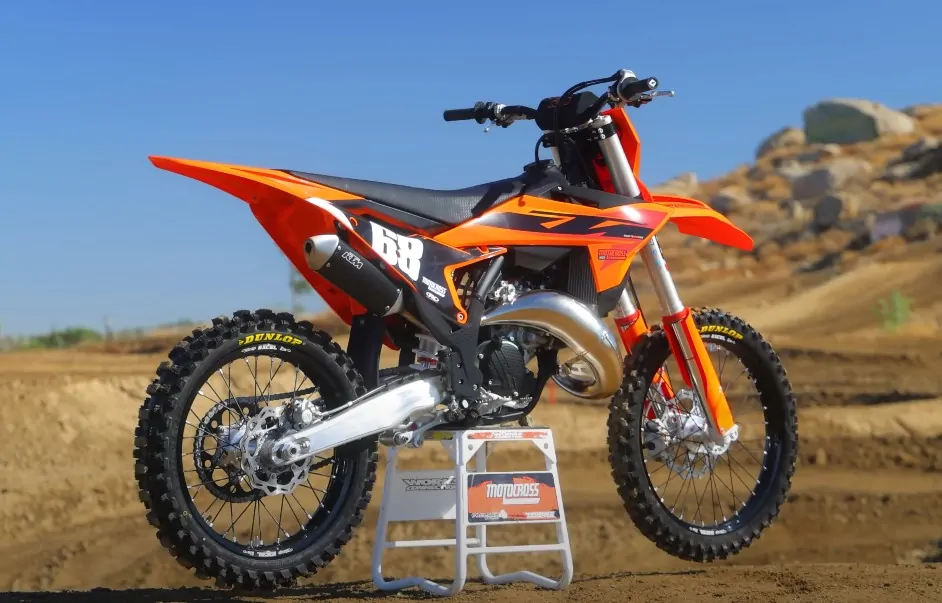
Image Source: efeducationtibcosvb.com
Decoding the Numbers: What Does 80cc Mean?
Before we talk about speed, let’s clarify what “80cc” actually refers to. The “cc” stands for cubic centimeters, which is a measure of the engine’s displacement. Engine displacement is the total volume of all the cylinders in the engine. Think of it as the “size” of the engine’s “lungs.” A larger displacement generally means the engine can burn more fuel and air in each cycle, leading to more power. So, an 80cc engine has a displacement of 80 cubic centimeters.
This size places 80cc dirt bikes firmly in the entry-level to intermediate category, often favored by:
- Young riders: As they graduate from smaller pit bikes or beginner models.
- Smaller adults: For recreational riding and light trail use.
- Those looking for a fun, lightweight machine: That’s easy to handle and maintain.
The Factors That Dictate 80cc Dirt Bike Speed
The 80cc dirt bike top speed is a dynamic figure, not a static one. Many variables come into play, and understanding these will help you better grasp the potential of these compact machines.
1. Engine Type and Design (Two-Stroke vs. Four-Stroke)
A significant determinant of performance, including speed, is whether the 80cc dirt bike uses a two-stroke or a four-stroke engine.
- 80cc Two-Stroke Performance: Two-stroke engines are known for their simpler design, lighter weight, and potent power delivery in a specific RPM range. They fire on every crankshaft revolution, leading to a more immediate burst of power. This often translates to quicker acceleration. For an 80cc two-stroke, you might find a punchier feel, especially in the mid-range.
- Four-Stroke Engines: Four-stroke engines have a more complex cycle (intake, compression, power, exhaust). They generally offer a smoother, more linear power delivery and better fuel efficiency. While an 80cc four-stroke might not have the same “snap” as a two-stroke, it can still be quite capable.
When comparing 80cc dirt bike horsepower, two-stroke engines in this class might often produce slightly more peak horsepower for their size compared to four-strokes, contributing to a higher potential top end. However, modern four-stroke technology is very advanced, and the difference can be minimal depending on the specific model.
2. Horsepower Output (80cc Dirt Bike Horsepower)
The 80cc dirt bike horsepower rating is a crucial indicator of its potential speed. While there isn’t a single standard horsepower for all 80cc bikes, you can generally expect:
- Two-Stroke 80cc: Typically in the range of 8-15 horsepower.
- Four-Stroke 80cc: Often in the range of 6-12 horsepower.
This horsepower figure directly influences how quickly the bike can accelerate and how well it can maintain speed against resistance. A bike with more horsepower will, all other factors being equal, be able to achieve a higher top speed.
3. Gearing and Sprockets
Gearing is one of the most accessible ways to influence a dirt bike’s speed. The 80cc dirt bike geared for speed will have different sprocket sizes compared to one geared for climbing hills or lower-end acceleration.
- Smaller Countershaft Sprocket / Larger Rear Sprocket: This setup provides more torque and better acceleration, but sacrifices top speed.
- Larger Countershaft Sprocket / Smaller Rear Sprocket: This setup prioritizes top speed. The engine has to work harder to get the rear wheel spinning, meaning slower acceleration from a standstill but a higher potential maximum velocity.
The stock gearing on an 80cc bike is usually a compromise, designed for general-purpose riding. Modifying the sprockets is a common first step for riders seeking to optimize their bike for a specific purpose.
4. Rider Weight and Skill Level
The rider is an integral part of the overall system. A lighter rider will allow the bike to accelerate faster and reach a higher top speed more easily than a heavier rider. Similarly, a rider’s skill can impact how efficiently they can utilize the bike’s power. Smooth throttle control and proper body positioning can make a difference.
5. Terrain and Conditions
The surface you’re riding on plays a massive role.
- Smooth, Flat Surfaces: A paved track or a hard-packed dirt road will allow an 80cc dirt bike to reach its maximum potential speed.
- Loose Dirt, Sand, or Mud: These conditions create more rolling resistance, meaning the engine has to work harder, and the achievable speed will be lower.
- Hills: Riding uphill will significantly reduce speed, while riding downhill can increase it (though this is gravity-assisted and not indicative of engine power).
6. Tire Choice and Inflation
The tires on your dirt bike affect how it interacts with the ground. Aggressive knobby tires are great for traction in dirt but can create more drag on hard surfaces, slightly reducing top speed. Tire pressure is also important; correctly inflated tires offer less rolling resistance than underinflated ones.
7. Bike Condition and Maintenance
A well-maintained 80cc dirt bike will always perform better than one that’s neglected. Factors include:
- Engine Health: A clean air filter, fresh oil, and properly tuned carburetor or fuel injection system are essential.
- Drivetrain: A clean and properly lubricated chain reduces friction.
- Tire Condition: Worn tires offer less grip and can impact handling and speed.
Exploring the Speed Capabilities: How Fast Can It Really Go?
Let’s get to the numbers. The 80cc dirt bike speed capability can be broken down into typical ranges:
Typical Top Speeds for 80cc Dirt Bikes
On a flat, hard-packed surface, with a rider of average weight (around 100-150 lbs) and in good mechanical condition, an 80cc dirt bike can achieve the following approximate top speeds:
- Stock 80cc Dirt Bike: Expect speeds to be in the range of 25 mph to 40 mph.
- Modified 80cc Dirt Bike (geared for speed, tuned): With the right modifications, some 80cc dirt bikes could potentially push towards 45 mph or slightly more.
It’s important to remember these are estimates. Brands like KTM, Yamaha, Suzuki, and Honda have different models within their 80cc (or similar displacement, often marketed as 70cc or 90cc for younger riders) lineup, and their specifications will vary.
80cc Pit Bike Speed
The term “pit bike” often refers to smaller, purpose-built bikes used for recreation or in racing series. An 80cc pit bike speed is generally comparable to a standard 80cc dirt bike. However, pit bikes are often designed with shorter wheelbases and can feel quicker in their acceleration due to their lighter weight and lower gearing for agility. Their top speeds would likely fall within the same 25-40 mph bracket, but they might feel “faster” due to their snappy response.
80cc Motorcycle Acceleration
Beyond top speed, 80cc motorcycle acceleration is a key performance metric. Two-stroke engines, in particular, can offer a noticeable “hit” or surge of power once they enter their powerband. This means they can get up to speed relatively quickly from a standstill or when revved.
- From 0 to 20 mph: An 80cc dirt bike can typically reach this speed in a matter of seconds, perhaps 3-5 seconds, depending on the factors mentioned earlier.
- From 0 to 30 mph: This might take slightly longer, perhaps 6-10 seconds.
The acceleration is what makes these bikes feel lively and fun for recreational riding and learning.
80cc Dirt Bike Engine Speed (RPM)
The 80cc dirt bike engine speed is measured in Revolutions Per Minute (RPM). Every engine has a range of RPMs where it operates most efficiently and powerfully.
- Idle RPM: Typically a few thousand RPM.
- Powerband: For an 80cc two-stroke, the powerband might be relatively narrow, meaning the engine produces its best power within a specific, higher RPM range. For example, it might start pulling strongly around 6,000 RPM and continue to deliver power up to 9,000 RPM or higher.
- 80cc Dirt Bike Max RPM: The maximum RPM an engine can safely reach, often indicated by a red line on the tachometer (if equipped), is crucial. Pushing an engine beyond its recommended max RPM can cause damage. For an 80cc engine, the max RPM might be in the 9,000-12,000 RPM range, depending on the specific engine design.
The 80cc dirt bike max RPM is an important characteristic that defines how the engine delivers its power. A higher max RPM often means the engine can rev more freely, contributing to higher potential speeds, but it also means the engine is working harder.
Modifying for Speed: Can You Make Your 80cc Dirt Bike Faster?
Yes, there are several ways to potentially increase the 80cc dirt bike top speed and overall performance, though it’s important to do so responsibly and within legal limits.
Tuning the Carburetor/Fuel System
- Larger Carburetor: Installing a carburetor with a larger bore can allow more air and fuel into the engine, potentially increasing power. This often requires re-jetting to match.
- Performance Exhaust System: A performance exhaust can reduce backpressure, allowing the engine to breathe more freely and produce more power.
- Performance Air Filter: A less restrictive air filter can also improve airflow.
Gearing Adjustments
As mentioned, changing the countershaft and rear sprockets is a common and effective way to alter the speed-gearing balance. If your goal is to increase 80cc dirt bike top speed, you’ll want to install a larger countershaft sprocket or a smaller rear sprocket.
Engine Upgrades (More Advanced)
- Big Bore Kit: This involves replacing the cylinder and piston with larger ones, increasing the engine displacement (e.g., to 90cc or 100cc). This significantly increases power and potential top speed but is a more complex and costly modification.
- Porting and Polishing: This involves modifying the intake and exhaust ports of the cylinder head to improve airflow. This is a skilled modification that can enhance the 80cc two-stroke performance.
- Performance Ignition: Upgrading the ignition system can sometimes offer a slightly better spark and potentially more power.
When considering engine modifications, it’s crucial to ensure all components are compatible and that the engine can handle the increased stress. Over-revving or pushing an engine too hard can lead to premature wear or failure.
Interpreting 80cc Dirt Bike Performance Metrics
When looking at specifications or reviews, you’ll encounter various metrics that describe an 80cc dirt bike’s performance.
- Horsepower (HP): As discussed, this is a primary indicator of power output.
- Torque: Measured in pound-feet (lb-ft) or Newton-meters (Nm), torque represents the rotational force produced by the engine. Higher torque means better pulling power and acceleration.
- Top Speed: The maximum speed the bike can achieve.
- Acceleration Times: Often measured in seconds for specific speed increments (e.g., 0-30 mph).
- Powerband: The RPM range where the engine produces its best power.
Understanding these 80cc dirt bike performance metrics helps you compare different models and gauge their capabilities for your intended use.
Safety First: Riding Responsibly
While discussing speed is exciting, it’s paramount to emphasize safety.
- Wear Protective Gear: Always wear a helmet, goggles, gloves, long pants, and a long-sleeved jersey.
- Ride Within Your Limits: Especially for younger riders or beginners, starting slow and gradually increasing speed as confidence and skill grow is essential.
- Know Your Terrain: Be aware of the surface you’re riding on and adjust your speed accordingly.
- Obey Local Laws: Dirt bikes are typically for off-road use only. Never ride them on public roads unless they are legally registered and equipped for street use (which most 80cc dirt bikes are not).
- Regular Maintenance: A well-maintained bike is a safer bike.
Frequently Asked Questions (FAQ)
Q1: What is the average top speed of a stock 80cc dirt bike?
A: A stock 80cc dirt bike typically has a top speed between 25 and 40 miles per hour on a flat, hard surface.
Q2: Can I make my 80cc dirt bike go faster?
A: Yes, you can make your 80cc dirt bike go faster through modifications like changing sprockets, upgrading the exhaust, or tuning the carburetor. More significant upgrades like big bore kits are also possible.
Q3: Who are 80cc dirt bikes best suited for?
A: 80cc dirt bikes are generally best suited for younger riders who have outgrown smaller bikes, or for smaller-framed adults looking for a lightweight, fun recreational off-road machine.
Q4: Does a two-stroke 80cc engine perform differently from a four-stroke 80cc engine in terms of speed?
A: Yes, 80cc two-stroke engines often deliver a more abrupt and punchy acceleration due to their power delivery characteristics, while four-stroke engines tend to have a smoother, more linear powerband. The actual top speed can be comparable, but the feel of the power delivery will differ.
Q5: How much horsepower does a typical 80cc dirt bike have?
A: A typical 80cc two-stroke dirt bike might produce between 8 to 15 horsepower, while a four-stroke version might produce around 6 to 12 horsepower.
Q6: What is the significance of the 80cc dirt bike max RPM?
A: The 80cc dirt bike max RPM indicates the maximum engine speed the bike can safely reach. It helps define the engine’s powerband and the potential for high-speed operation. Exceeding the max RPM can damage the engine.
Q7: Is an 80cc dirt bike geared for speed the same as one geared for climbing?
A: No, an 80cc dirt bike geared for speed will typically have different sprocket sizes (larger countershaft or smaller rear sprocket) to prioritize higher top speeds, whereas a bike geared for climbing would have the opposite setup for more torque and better low-end power.
In conclusion, the speed of an 80cc dirt bike is a multifaceted attribute, influenced by its engine type, rider, gearing, and the environment. While they might not reach the speeds of their larger displacement counterparts, they offer an exciting and accessible entry into the world of off-road motorcycling, providing plenty of thrills for their intended riders.