
Image Source: static0.topspeedimages.com
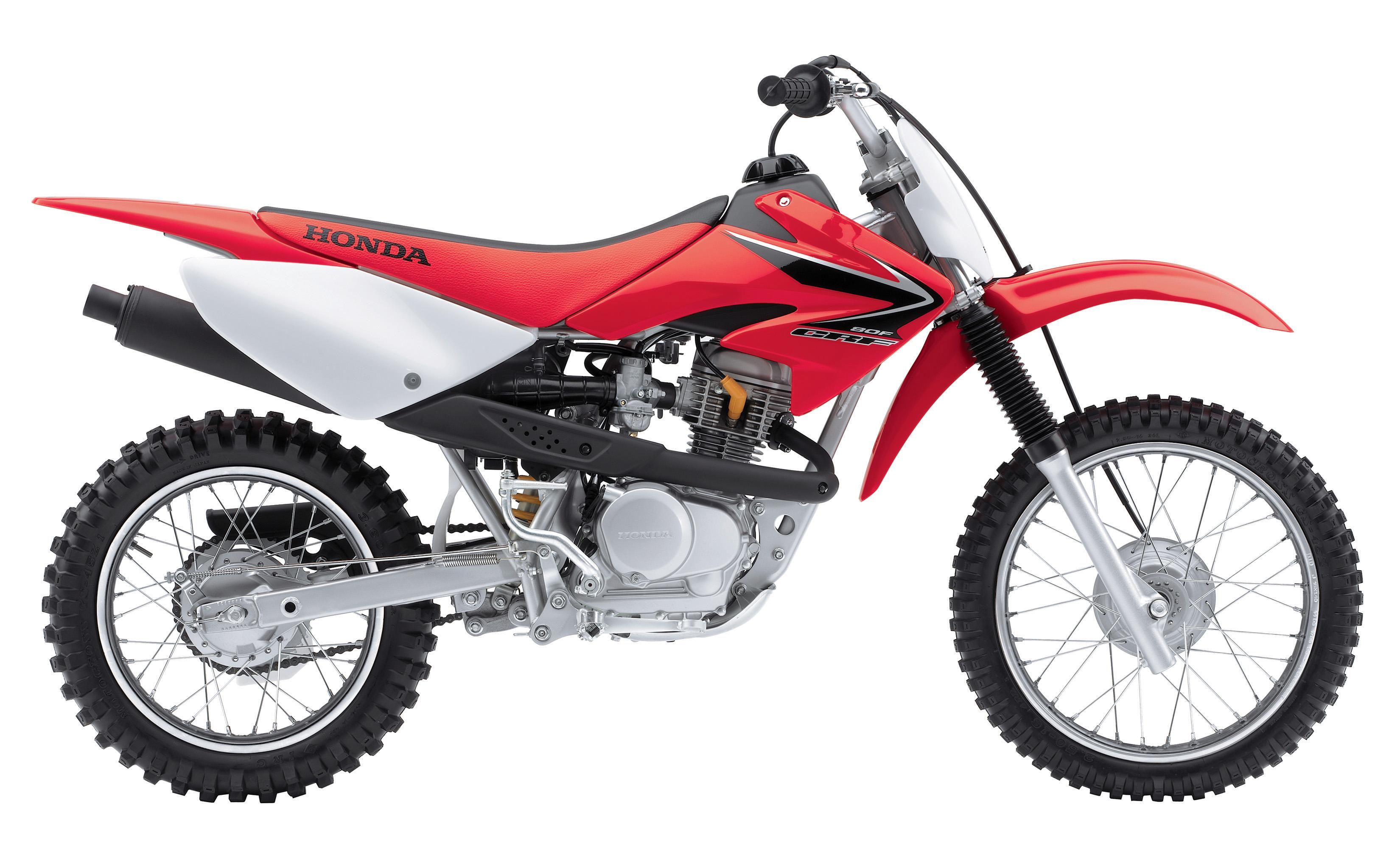
80cc Dirt Bike Speed: How Fast Can An 80cc Dirt Bike Go?
An 80cc dirt bike can typically reach speeds between 30 mph and 45 mph. However, this is a general range, and the actual 80cc dirt bike top speed can vary significantly based on several factors, including the specific model, rider weight, terrain, and modifications.
Dirt bikes, especially those in the 80cc displacement class, are built for fun and off-road adventures, not for breaking land speed records. These bikes are popular with younger riders, beginners, or those looking for a lightweight, nimble machine for recreational trail riding or navigating tight, technical terrain. Their smaller engines and focused design mean they prioritize agility and ease of handling over outright velocity.
Let’s delve deeper into what influences the speed of an 80cc dirt bike and explore the factors that contribute to its overall 80cc dirt bike performance.
Factors Dictating 80cc Dirt Bike Velocity
The speed an 80cc dirt bike can achieve isn’t a fixed number. It’s a dynamic outcome influenced by a combination of the bike itself and its operating environment.
Bike Specifications and Design
The fundamental design of an 80cc dirt bike plays a crucial role in its potential speed.
- Engine Size and Power Output: The 80cc engine displacement is the primary determinant of power. While all are 80cc, the specific design, whether 80cc two-stroke dirt bike speed is considered or a four-stroke, will affect how efficiently that displacement is translated into usable power. Two-strokes, generally, offer a more potent punch for their size, often resulting in quicker acceleration but potentially a slightly different powerband than four-strokes. The 80cc bike horsepower directly impacts how quickly it can reach its maximum speed.
- Gearing: The way the engine’s power is delivered to the rear wheel through the transmission and final drive (sprockets) is critical. Different gear ratios are designed for different purposes. Lower gearing (larger rear sprocket) will favor acceleration and climbing ability, while higher gearing (smaller rear sprocket) will allow the bike to achieve a higher top speed on flat ground. Many riders opt to change their gearing to suit their riding style or terrain.
- Weight of the Bike: Lighter bikes generally accelerate faster and can achieve higher speeds more easily, especially in off-road conditions where power-to-weight ratio is paramount. An 80cc dirt bike is inherently lightweight compared to larger displacement bikes.
- Tire Type and Condition: Off-road tires with knobby treads offer grip on loose surfaces but can also create more rolling resistance than smoother tires. The pressure and wear on the tires also affect how efficiently the bike moves.
- Aerodynamics: While not as significant as on road bikes, aerodynamics still play a minor role. The rider’s position and any fairings can influence drag.
Rider Factors
The person operating the bike also has a significant impact.
- Rider Weight: A heavier rider will require more power to achieve the same acceleration and top speed as a lighter rider. This is a fundamental principle of physics – more mass requires more force to move.
- Riding Skill and Technique: An experienced rider can extract more performance from a bike. Smooth throttle control, proper body positioning, and effective use of the clutch and gears can all contribute to better acceleration and maintaining momentum, ultimately affecting how quickly they can reach the 80cc dirt bike top speed.
- Riding Gear: While protective gear is essential for safety, bulky or poorly fitting gear can create extra drag, slightly reducing top speed.
Environmental Conditions
The surroundings where the bike is ridden are equally important.
- Terrain: Riding on a smooth, hard-packed dirt track will allow for higher speeds than riding on soft sand, mud, or loose gravel. Uphill climbs will naturally reduce speed, while downhill sections can increase it.
- Altitude and Air Density: At higher altitudes, the air is thinner, meaning less oxygen is available for combustion. This can reduce engine power and consequently affect the 80cc motorcycle top speed.
- Temperature: Extreme temperatures can influence engine performance. Very hot conditions can lead to engine overheating, potentially causing a loss of power, while very cold conditions might affect fuel vaporization and engine responsiveness.
Exploring the 80cc Dirt Bike Speed Spectrum
When we talk about 80cc dirt bikes, we’re generally referring to a category of smaller-displacement motorcycles designed for off-road use. These often fall into categories like mini dirt bikes, pit bikes, or entry-level trail bikes.
80cc Pit Bike Speed
80cc pit bike speed is often a bit more focused on agility and quick bursts of acceleration for navigating tight tracks or for recreational fun. While specific models vary, you might see 80cc pit bike speed in the range of 25-40 mph. Pit bikes are typically smaller, lighter, and have shorter wheelbases, contributing to their nimble nature. Their engines are often designed for punchy low-end torque rather than sustained high-speed running. The 80cc engine speed on a pit bike will often be revved higher to achieve its optimal performance.
80cc Trail Bike Velocity
An 80cc trail bike velocity might be slightly higher than a pit bike, especially if it’s designed with a bit more suspension travel and a more stable chassis for general trail riding. These bikes are often a step up from pit bikes in terms of capability and comfort for longer rides. You could expect an 80cc trail bike velocity to be in the 30-45 mph range. These bikes are more about enjoyable cruising and navigating varied off-road terrain rather than outright speed. The 80cc dirt bike performance on a trail bike emphasizes predictable power delivery and comfortable handling.
80cc Off-Road Bike Acceleration
The 80cc off-road bike acceleration is often one of its strong suits. Due to their light weight and often snappy two-stroke engines, these bikes can feel quite lively off the line. This quick acceleration is beneficial for getting out of corners, climbing hills, or navigating obstacles. While they might not maintain high speeds for long periods, their ability to rapidly build momentum is a key aspect of their 80cc dirt bike performance.
What About the 80cc Dirt Bike Speed Limit?
The concept of an “80cc dirt bike speed limit” isn’t a regulatory one in the same way a speed limit on a public road is. Instead, it refers to the practical top speed the bike is capable of reaching due to its design and engineering. Riders often modify their bikes to push these limits, but it’s important to consider the mechanical stresses involved. Pushing an engine or drivetrain beyond its intended design parameters can lead to premature wear or failure. The 80cc dirt bike speed limit is, therefore, more of a mechanical and physics-based limitation than a legal one for off-road riding.
Enhancing 80cc Dirt Bike Performance and Speed
Many owners of 80cc dirt bikes look for ways to improve their machine’s performance, including its top speed and acceleration.
Common Modifications
- Exhaust System: Upgrading the exhaust can improve the flow of gases out of the engine, leading to more power and often a slight increase in top speed. This is a very common modification for two-stroke engines where exhaust tuning is critical for performance.
- Carburetor Tuning or Upgrading: A properly jetted carburetor or a larger carburetor can allow the engine to breathe better and receive the optimal fuel-air mixture for increased power.
- Air Filter: A high-flow air filter can improve airflow into the engine, contributing to better performance.
- Gearing Changes: As mentioned earlier, altering the sprocket sizes can significantly impact acceleration and top speed. For example, putting a larger front sprocket or a smaller rear sprocket will increase the final drive ratio, favoring top speed.
- Engine Tuning: More advanced tuning can involve porting the engine cylinders (for two-strokes), modifying the combustion chamber, or adjusting ignition timing. These are more complex modifications that require expertise.
- Suspension Upgrades: While not directly increasing speed, improved suspension can allow the rider to maintain higher speeds on rough terrain by providing better control and stability.
What About 80cc Bike Horsepower?
The typical 80cc bike horsepower varies, but for a stock, air-cooled two-stroke engine found in many entry-level or pit bikes, you might see figures ranging from 6 to 10 horsepower. Water-cooled, higher-performance engines might push this slightly higher. Four-stroke 80cc engines might produce slightly less peak horsepower but offer a broader, more tractable powerband. Increasing the horsepower through modifications is a common way to enhance 80cc dirt bike performance.
Is an 80cc Dirt Bike Right for You?
When considering an 80cc dirt bike, it’s important to think about your intended use and experience level.
Who is an 80cc Dirt Bike For?
- Young Riders: Many children and teenagers start their off-road riding journey on 80cc dirt bikes. They offer a manageable size, weight, and power output that allows new riders to build confidence and skills.
- Beginner Adults: For smaller-statured adults or those just getting into dirt biking, an 80cc can be a great entry point. They are less intimidating than larger bikes.
- Recreational Riders: If you’re looking for a fun, lightweight machine for leisurely trail rides, exploring backwoods trails, or just for enjoyment, an 80cc can be an excellent choice.
- Pit Bike Enthusiasts: For those who enjoy riding on dedicated pit bike tracks or in smaller, more contained areas, an 80cc pit bike offers the perfect blend of agility and fun.
What to Consider Before Buying
- Your Skill Level: Be honest about your riding experience. An 80cc bike is a good starting point, but don’t underestimate it.
- Your Size and Weight: While 80cc bikes are small, some can feel cramped for larger adults. Test riding is highly recommended.
- Terrain You’ll Be Riding On: If you plan on tackling very challenging terrain or riding with faster groups on larger bikes, an 80cc might be underpowered.
- Maintenance: Like all motorcycles, dirt bikes require regular maintenance. Familiarize yourself with the upkeep involved.
80cc Two-Stroke Dirt Bike Speed Considerations
Many 80cc dirt bikes are powered by two-stroke engines. These engines are known for their simplicity, light weight, and potent power delivery for their size.
- Powerband: Two-strokes typically have a narrower powerband, meaning they produce their best power within a specific RPM range. This can make them feel more “snappy” and exciting when they hit their stride.
- Maintenance: Two-strokes require mixing oil with gasoline and are generally considered to have a simpler design, which can make them easier to maintain for some.
- Sound and Smell: The distinctive sound and smell of a two-stroke engine are part of their appeal for many enthusiasts.
The 80cc two-stroke dirt bike speed is often characterized by quick acceleration as the engine enters its powerband. While they may not have the same low-end grunt as a four-stroke of similar displacement, they can be very rewarding to ride when revved.
Final Thoughts on 80cc Dirt Bike Speed
Ultimately, the 80cc dirt bike top speed is a moderate figure, designed for the purpose of recreational off-road riding. While you might see numbers between 30-45 mph in ideal conditions, the true joy of these bikes lies in their agility, ease of handling, and the fun they provide on trails and tracks. Whether you’re a young rider progressing in the sport or an adult looking for a playful machine, an 80cc dirt bike offers an accessible and enjoyable way to experience the thrill of off-road motorcycling. Always prioritize safety, wear appropriate gear, and ride within your limits and the capabilities of your machine.
Frequently Asked Questions (FAQ)
Q1: Can an 80cc dirt bike go on the road?
Generally, no. Most 80cc dirt bikes are designed for off-road use only and are not street-legal. They lack essential features like headlights, taillights, mirrors, and often emissions controls required for road registration.
Q2: What is the average lifespan of an 80cc dirt bike engine?
The lifespan of an 80cc dirt bike engine depends heavily on maintenance, how it’s ridden, and whether it’s a two-stroke or four-stroke. With proper care, regular oil changes (for four-strokes) or correct oil/gas mixture (for two-strokes), air filter cleaning, and avoiding constant over-revving, an 80cc engine can last for many years of recreational riding. Performance modifications or aggressive riding can shorten its lifespan.
Q3: How much horsepower does a typical 80cc dirt bike have?
A typical stock 80cc dirt bike, especially a two-stroke, will produce around 6 to 10 horsepower. Some performance-oriented models or modified bikes can have slightly more.
Q4: Are 80cc dirt bikes good for beginners?
Yes, 80cc dirt bikes are excellent for beginners, particularly young riders or smaller adults. Their manageable size, weight, and power output allow new riders to learn the fundamentals of riding safely and confidently.
Q5: Can I modify an 80cc dirt bike to go faster?
Yes, you can modify an 80cc dirt bike to increase its speed. Common modifications include changing the exhaust, upgrading the carburetor, altering the gearing, and improving airflow. However, it’s important to do this responsibly and be aware of the potential impact on engine longevity and reliability.