
How do you lock up an electric bike safely? You use strong locks and secure them to solid objects, ideally in a well-lit, high-traffic area. This comprehensive guide will delve into the best practices for securing your valuable electric bicycle, covering everything from choosing the right e-bike lock types to mastering effective e-bike locking methods. The goal is to help you significantly reduce the risk of e-bike theft and keep your electric ride secure.
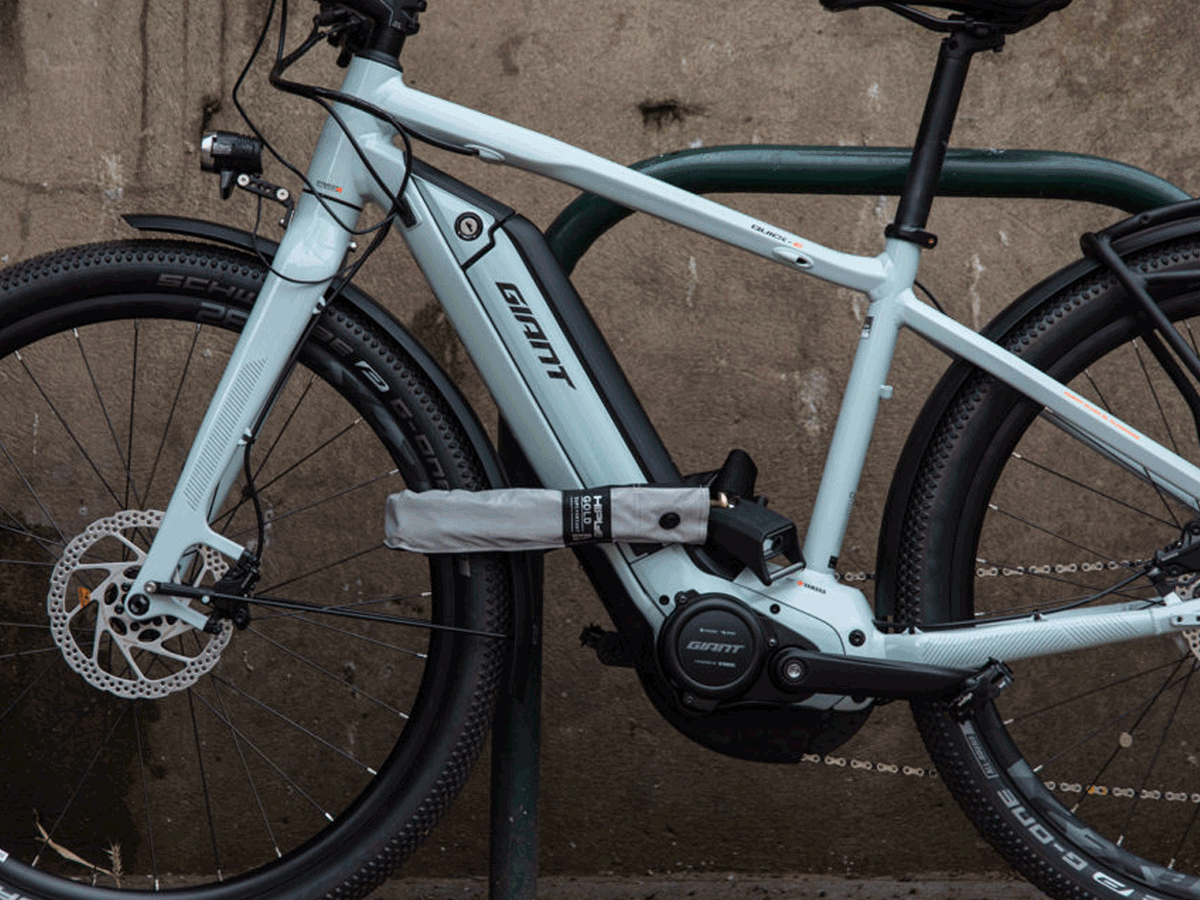
Image Source: philiplochner.ghost.io
Why E-Bike Security is Crucial
Electric bikes, with their powerful motors, batteries, and advanced components, are significantly more expensive than traditional bicycles. This higher value makes them a prime target for thieves. Therefore, robust electric bike security is not just a recommendation; it’s a necessity. Investing in proper bicycle anti-theft measures is an investment in protecting your valuable asset and ensuring you can continue enjoying your rides without worry.
The Rising Tide of E-Bike Theft
Reports across various regions indicate a concerning increase in electric bicycle thefts. The sophistication of e-bikes, coupled with their appeal to a wider range of users, makes them attractive to criminals. Ignoring electric bicycle security systems can lead to the swift loss of your bike.
The Financial and Emotional Cost of Theft
Beyond the monetary loss, having your e-bike stolen can be incredibly frustrating and disruptive. It can impact your commute, your leisure activities, and your overall sense of security. Preventing e-bike theft is about safeguarding your investment and your peace of mind.
Choosing the Best E-Bike Locks
The market offers a variety of e-bike lock types, each with its strengths and weaknesses. For electric bike security, a multi-layered approach using a combination of locks is often the most effective.
U-Locks: The Backbone of E-Bike Security
U-locks, also known as D-locks, are a cornerstone of electric bike security. They are constructed from hardened steel and are resistant to cutting and prying.
What to Look For in a U-Lock:
- Material: Hardened steel is essential. Look for locks that are tested and certified for their resistance to cutting and leverage attacks.
- Shackle Thickness: A thicker shackle (13mm or more) is generally more secure.
- Locking Mechanism: Double-locking mechanisms, where the shackle locks to the crossbar on both sides, offer enhanced security.
- Size: Choose a size that allows you to lock your frame and at least one wheel to a secure object.
Best Practices for Using U-Locks:
- Lock the Frame: Always aim to lock the main frame of your e-bike.
- Secure to a Fixed Object: Loop the U-lock through your frame and a sturdy, immovable object like a bike rack or a lamppost.
- Avoid Locking to Small Objects: Never lock your bike to something that can be easily cut, dismantled, or lifted.
Chain Locks: Versatile and Strong
Chain locks, made of thick steel links encased in a fabric sleeve, offer flexibility and a good level of security. They are often heavier than U-locks but can be more versatile in securing multiple parts of your bike.
What to Look For in a Chain Lock:
- Link Thickness and Hardening: Similar to U-locks, thicker, hardened steel links offer better resistance.
- Link Shape: Octagonal or square links can be harder to cut with bolt cutters than round ones.
- Sheath Material: The fabric sleeve protects your bike’s paintwork but doesn’t add to the security.
- Locking Mechanism: A robust integrated lock or a padlock with a strong shackle is crucial.
Best Practices for Using Chain Locks:
- Wrap Around Frame and Wheels: Use the chain to secure your frame and at least one wheel to a fixed object.
- Minimize Slack: Keep the chain as taut as possible to reduce the leverage a thief can apply.
- Protect the Sheath: Be mindful of the sheath to prevent damage to your bike’s finish.
Cable Locks: Supplemental Security
Cable locks are generally the weakest link in e-bike lock types and should be used as a secondary layer of security, not as your primary defense. They are easily cut with bolt cutters. Some riders opt for a locking cable for e-bike to secure accessories like lights or helmets.
What to Look For in a Cable Lock:
- Material: Braided steel cable is stronger than a single strand.
- Coating: A thick vinyl coating protects your bike.
- Lock Type: A good quality integrated lock mechanism is better than a cheap padlock.
Best Practices for Using Cable Locks:
- Use with a U-Lock or Chain: Employ cable locks to secure wheels or accessories in conjunction with a more robust lock.
- Don’t Rely Solely on Cables: Never use a cable lock as your primary method of securing electric bicycles.
Disc Locks: For Convenience
Disc locks are small, compact locks that attach to your brake disc. They are good for deterring opportunistic thieves but offer minimal resistance against determined attackers.
What to Look For in a Disc Lock:
- Material: Hardened steel is preferred.
- Alarm Feature: Many disc locks come with built-in alarms that sound if the bike is tampered with, adding an extra layer of deterrence.
- Reminder Cable: A brightly colored reminder cable is essential to prevent you from riding off with the disc lock still attached.
Best Practices for Using Disc Locks:
- As a Secondary Lock: Use a disc lock in conjunction with a U-lock or chain lock for added security.
- For Short Stops: Ideal for quick stops in secure locations.
Folding Locks: Compact and Flexible
Folding locks are made of multiple steel plates connected by rivets. They offer a good balance of security and portability.
What to Look For in a Folding Lock:
- Plate Thickness and Material: Look for hardened steel plates.
- Rivets: Secure, strong rivets are important.
- Locking Mechanism: A robust locking cylinder is key.
Best Practices for Folding Locks:
- Secure Frame and Wheel: Fold the lock to encompass your frame and at least one wheel.
- Attach to Fixed Object: Always secure to a solid, immovable object.
Frame Locks: Immobilizing Your E-Bike
An e-bike frame lock, often called a wheel lock or plug-in lock, attaches directly to the rear of your frame and locks the rear wheel. This effectively immobilizes the bike.
What to Look For in an E-Bike Frame Lock:
- Material: Hardened steel is essential.
- Shackle/Bolt Thickness: A thicker bolt provides more resistance.
- Integration with Chain/Cable: Many frame locks are designed to be used with a separate chain or cable that threads through the wheel and frame, allowing you to secure the bike to an object.
Best Practices for E-Bike Frame Locks:
- Always Use with a Secondary Lock: A frame lock alone is insufficient. You need to connect it to a fixed object using an additional chain or cable.
- Lock the Wheel and Frame: Ensure the frame lock and its accompanying chain/cable secure both the frame and the rear wheel.
E-Bike Locking Methods: The Art of Securing
Simply having a good lock isn’t enough; how you use it is critical to preventing e-bike theft. Effective e-bike locking methods maximize the effectiveness of your chosen locks.
The Two-Lock Strategy: The Gold Standard
The most effective way to deter thieves is to use at least two different types of high-quality locks. This forces a thief to carry multiple tools and spend more time at your bike, increasing their risk of being caught.
Recommended Combination:
- Primary Lock: A robust U-lock or a heavy-duty chain lock.
- Secondary Lock: Another U-lock, a folding lock, or a strong chain lock.
Locking to Fixed Objects: The Key to Preventing Theft
This is arguably the most critical aspect of how to lock up electric bike. Without a solid anchor, even the best locks are useless.
What Constitutes a “Fixed Object”?
- Designated Bike Racks: These are specifically designed to secure bicycles.
- Sturdy Street Furniture: Thick metal poles, lampposts, or permanently fixed benches can work.
- Structural Elements: Solid concrete or metal posts that are securely anchored.
What to Avoid:
- Flimsy Objects: Small poles, thin railings, or anything that can be easily cut, bent, or dismantled.
- Objects that Can Be Lifted: Avoid locking to objects that a thief could potentially lift your bike over.
- Unlit or Isolated Areas: Thieves prefer to operate unseen.
Proper Placement of Locks
Even when using good locks and a solid anchor, the way you position them matters.
- Minimize Space: Keep the U-lock or chain as snug as possible around the frame and the object. This reduces the space a thief has to insert tools like bolt cutters or pry bars.
- Lock Wheels: If using a secondary lock, use it to secure one of your wheels to the frame and the fixed object. This prevents wheel theft, a common problem.
- Elevate the Lock: Whenever possible, lift the lock off the ground. This makes it harder for a thief to use leverage or drop it to the ground to gain more power.
Securing Your Battery and Motor
Many e-bikes have removable batteries. If your battery is removable, take it with you! This significantly reduces the attractiveness of your bike to a thief. Some e-bikes also have locking mechanisms for the battery and motor, ensuring they cannot be easily removed. Familiarize yourself with your e-bike’s specific electric bicycle security systems.
Where to Lock Your E-Bike
The location where you leave your e-bike unattended is as important as the locks you use.
High-Traffic, Well-Lit Areas: Your Best Bet
- Visibility: Thieves are less likely to target bikes in plain sight where they can be easily observed.
- Activity: Areas with constant foot traffic or nearby businesses provide a natural deterrent.
Home Security
Don’t forget about securing electric bicycles at home.
- Garage or Shed: If you have one, ensure it’s securely locked. Consider installing additional security measures like ground anchors.
- Inside Your Home: The safest place for your e-bike is inside your house.
- Alarms: Motion-activated alarms can deter thieves even at home.
Public Spaces
- Bike Racks: Use designated bike racks whenever possible.
- Avoid Isolated Spots: Never leave your bike in an empty parking lot or a dimly lit alley.
Advanced E-Bike Security Measures
Beyond locks, consider these additional electric bike security systems to further protect your investment.
GPS Trackers
A GPS tracker can be invaluable if your e-bike is stolen. It can help law enforcement locate and recover your bike.
What to Look For in a GPS Tracker:
- Discreet Installation: Look for trackers that can be hidden within the frame or components.
- Battery Life: Ensure the tracker has a long battery life or can be easily recharged.
- Real-time Tracking: The ability to see your bike’s location in real-time is crucial.
- Geo-fencing: Some trackers allow you to set up virtual boundaries and alert you if your bike moves outside them.
Alarms
Audible alarms can startle thieves and attract attention.
- Motion-Activated: These alarms sound when the bike is moved or tampered with.
- Integration: Some alarms can be integrated with GPS trackers.
Bike Registration
Registering your e-bike with local authorities or specialized bike registration services can help in its recovery if it’s stolen. Keep a record of your bike’s serial number, make, model, and any distinguishing features.
Insurance
Specialized e-bike insurance can cover the cost of replacement if your bike is stolen or damaged.
Frequently Asked Questions About E-Bike Security
Q1: What is the best way to prevent e-bike theft?
A1: The best way to prevent e-bike theft is to use a combination of high-quality locks (at least two different types), always lock your frame to a secure, immovable object, and choose a visible, well-lit location. Taking removable components like batteries with you also significantly deters thieves.
Q2: Can I use a single lock to secure my e-bike?
A2: While a very high-quality U-lock can offer some security, it is strongly recommended to use at least two different types of locks. This multi-layer approach makes your e-bike a much harder target for thieves, who often carry specific tools for certain lock types. Using just one lock, especially if it’s a weaker type like a cable lock, significantly increases your risk.
Q3: What are the best e-bike locks?
A3: The best e-bike locks are typically heavy-duty U-locks, thick-duty chain locks, and robust folding locks made from hardened steel. Brands like Kryptonite, Abus, and OnGuard are well-regarded for their security ratings. Look for locks with high Sold Secure Gold or Diamond ratings.
Q4: Is a locking cable for e-bike effective?
A4: A locking cable for e-bike is generally not effective as a primary security measure. They are easily cut by bolt cutters. Cables are best used as a secondary lock to secure wheels or accessories in conjunction with a much stronger lock like a U-lock or chain lock.
Q5: What should I do if my e-bike is stolen?
A5: If your e-bike is stolen, report it to the police immediately and provide them with all relevant details (serial number, make, model, distinguishing features, and lock details if known). If you have a GPS tracker, provide the location data. Also, notify your insurance company and any bike registration services you use.
Q6: How do I secure my e-bike at home?
A6: To secure your e-bike at home, store it indoors in a locked garage or shed. If storing it outside, use high-quality locks and secure it to a ground anchor or a very sturdy fixture. Consider motion-activated alarms for added security.
Q7: What is an e-bike frame lock?
A7: An e-bike frame lock is a type of lock that attaches to your e-bike’s rear stays and immobilizes the rear wheel. While it prevents the bike from being ridden, it typically needs to be used in conjunction with a separate chain or cable that can be looped through the frame and wheel to secure the bike to an immovable object.
By implementing these strategies and choosing the right electric bike security systems, you can significantly enhance your e-bike’s protection and enjoy your rides with greater peace of mind. Remember, consistent diligence in securing electric bicycles is your best defense against theft.