
Electric bike batteries typically last between 20 to 100 miles on a single charge, but this number can vary significantly. The lifespan of an e-bike battery, meaning how long it will function before needing replacement, is generally between 3 to 5 years or 500 to 1000 charge cycles. This article will delve into the factors that influence these numbers and what you can expect from your electric bicycle’s power source.
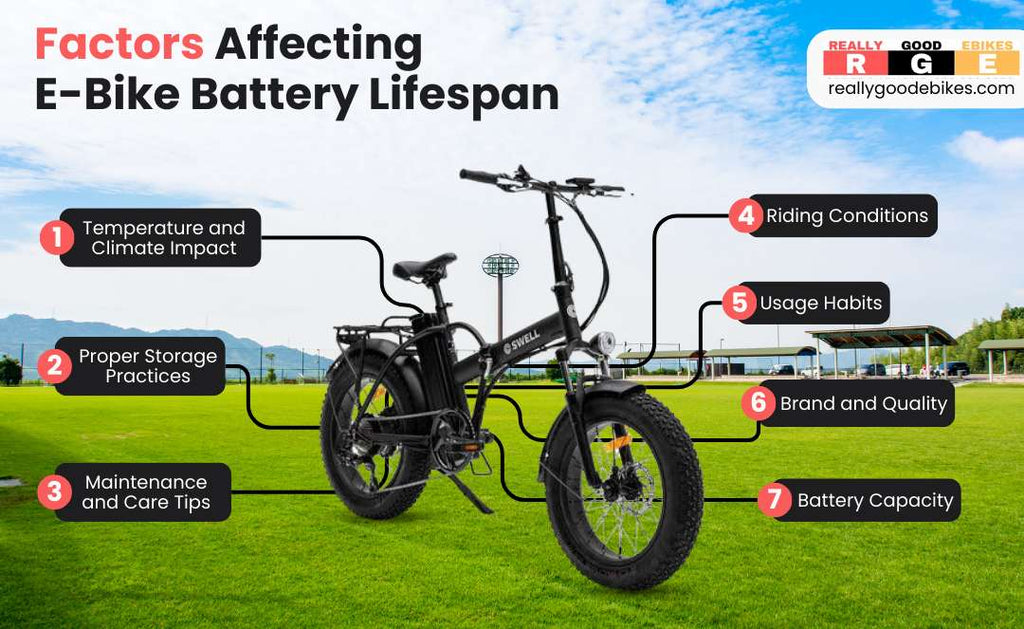
Image Source: cdn.shopify.com
Deciphering Electric Bicycle Battery Life
When you invest in an electric bike, one of the primary concerns for most riders is the electric bike battery range. How far can you go on a single charge? This is often the most talked-about aspect of e-bike ownership. However, equally important is the overall e-bike battery lifespan, which refers to how long the battery will hold a charge and perform effectively before it needs to be replaced.
Factors Affecting E-Bike Battery Life
Several key elements influence both the immediate range and the long-term health of your e-bike battery. Understanding these can help you maximize your mileage and extend the usable life of your battery.
1. Battery Capacity (Watt-hours)
The electric bike battery capacity is the most significant determinant of its range. This is typically measured in Watt-hours (Wh). A higher Watt-hour rating means the battery can store more energy, allowing the bike to travel further on a single charge.
- Small Capacity (e.g., 250-350 Wh): Generally offers a range of 20-40 miles.
- Medium Capacity (e.g., 400-500 Wh): Typically provides a range of 30-60 miles.
- Large Capacity (e.g., 600+ Wh): Can offer ranges of 50-100+ miles.
It’s important to note that these are estimates. Other factors play a crucial role.
2. Motor Power and Efficiency
The power of the electric motor and how efficiently it uses energy directly impacts electric bike battery performance. A more powerful motor might offer quicker acceleration and higher top speeds, but it can also drain the battery faster. Conversely, a more efficient motor will extract more miles from the same amount of stored energy.
3. Rider Weight and Cargo
The total weight the e-bike needs to propel is a major factor. The heavier the rider, or the more cargo they are carrying, the more energy the motor will require, thus reducing the electric bike battery range.
4. Terrain and Riding Conditions
Riding uphill requires significantly more power than riding on flat ground. Steep inclines will drain your battery much faster. Similarly, riding against strong headwinds or on rough terrain (like sand or mud) will increase the effort required by the motor, shortening your range.
5. Pedal Assist Level
Most e-bikes offer various levels of pedal assistance.
- Level 1 (Eco): Provides minimal assistance, extending battery life considerably.
- Level 5 (Turbo): Offers maximum assistance, leading to the shortest battery range.
Choosing a lower pedal assist level will greatly increase your electric bike battery range.
6. Riding Style
Aggressive riding, frequent acceleration, and hard braking will consume more battery power than smooth, consistent pedaling. A relaxed riding style can significantly boost your electric bicycle battery life.
7. Tire Pressure and Type
Under-inflated tires create more rolling resistance, forcing the motor to work harder and drain the battery faster. The type of tire also matters; knobby tires for off-road use generally have more rolling resistance than slick tires designed for pavement.
8. Ambient Temperature
Extreme temperatures can affect battery performance. Cold weather can temporarily reduce battery capacity and range. Very hot weather can also impact performance and potentially shorten the battery’s overall lifespan if not managed properly.
9. Battery Age and Usage (E-bike Battery Degradation)
Like all rechargeable batteries, the lithium-ion batteries used in e-bikes experience e-bike battery degradation over time and with use. This means their capacity gradually decreases, and they can hold less charge. This is a natural process, and understanding it is key to managing expectations about how long do e-bike batteries last.
How Many Miles Do Electric Bike Batteries Last? (Range Breakdown)
The question of “how many miles do electric bike batteries last?” is best answered by looking at the electric bike battery range per charge. While manufacturers often provide estimates, these are usually under ideal conditions.
Here’s a more detailed breakdown of what you can expect:
| Battery Capacity (Wh) | Typical Rider Weight (lbs) | Terrain | Pedal Assist Level | Estimated Range (Miles) |
|---|---|---|---|---|
| 250 | 150 – 180 | Flat, Paved | Eco (1-2) | 20 – 35 |
| 250 | 150 – 180 | Hilly, Paved | Moderate (3) | 15 – 25 |
| 400 | 150 – 180 | Flat, Paved | Eco (1-2) | 30 – 50 |
| 400 | 150 – 180 | Hilly, Paved | Moderate (3) | 25 – 40 |
| 400 | 180 – 220 | Flat, Paved | Moderate (3) | 20 – 35 |
| 600 | 150 – 180 | Flat, Paved | Eco (1-2) | 40 – 70 |
| 600 | 150 – 180 | Hilly, Paved | Moderate (3) | 35 – 55 |
| 600 | 180 – 220 | Hilly, Paved | Moderate (3) | 30 – 45 |
| 750+ | 150 – 180 | Mixed, Hills | Moderate (3-4) | 40 – 75+ |
Note: These are approximations. Actual range can vary significantly based on the combination of all the factors mentioned above. Using the throttle only, without pedaling, will drastically reduce your range.
Fathoming E-bike Battery Lifespan: How Long Before Replacement?
The e-bike battery lifespan is measured in charge cycles and calendar years. A charge cycle occurs when the battery is fully depleted and then recharged. Most modern lithium-ion batteries are rated for 500 to 1000 charge cycles.
Interpreting E-bike Battery Degradation
E-bike battery degradation is a gradual process where the battery’s ability to hold a full charge diminishes. After a certain number of cycles or years, the battery will no longer provide the original range. Typically, a battery is considered to have reached the end of its useful life when its capacity drops below 70-80% of its original capacity.
Here’s what you can expect in terms of lifespan:
- Charge Cycles: If you use your e-bike daily and fully drain the battery once a day, you can expect 1.5 to 3 years of consistent use before noticeable degradation. If you use it less frequently, the calendar lifespan will be more relevant.
- Calendar Years: Even with minimal use, lithium-ion batteries degrade over time. Most manufacturers warranty their batteries for 1-2 years or a specific number of charge cycles (whichever comes first). A well-maintained battery can last 3-5 years, and sometimes longer, before its performance becomes unsatisfactory for most riders.
Preserving Your E-bike Battery Health
Maintaining good e-bike battery health is crucial for maximizing both its range on a single charge and its overall e-bike battery lifespan. Proper charging habits and storage conditions can make a significant difference.
Best Practices for Charging
- Avoid Full Discharges: Try not to let the battery completely drain regularly. It’s better to charge it when it’s at around 20-30% capacity.
- Don’t Overcharge: While modern chargers have safety features, it’s generally not recommended to leave the battery plugged in for extended periods after it has reached 100%.
- Use the Correct Charger: Always use the charger specifically designed for your e-bike battery. Using an incompatible charger can damage the battery.
- Charge in Moderate Temperatures: Avoid charging the battery in extreme heat or cold. Ideal charging temperatures are between 10°C and 25°C (50°F and 77°F).
- Charge After Long Storage: If you plan to store the battery for an extended period (e.g., a few months), charge it to about 60-80% capacity. Check and top it up to this level every few months if stored for longer.
Proper Storage
- Cool, Dry Place: Store the battery in a cool, dry environment, away from direct sunlight and moisture.
- Avoid Extreme Temperatures: Do not store the battery in a car trunk during hot summer days or in a freezing shed during winter.
Physical Care
- Keep it Clean: Gently wipe down the battery with a dry or slightly damp cloth if it gets dirty. Avoid using harsh chemicals or solvents.
- Handle with Care: Avoid dropping or physically damaging the battery pack.
E-bike Battery Replacement Cost
When your e-bike battery reaches the end of its life or becomes damaged, you’ll need to consider e-bike battery replacement cost. This can be a significant investment.
- Cost Range: Replacement batteries can range from $300 to $1,000 or more, depending on the brand, capacity, and type of battery.
- OEM vs. Third-Party: Original Equipment Manufacturer (OEM) batteries are often more expensive but are guaranteed to be compatible. Third-party batteries may be cheaper but require careful research to ensure quality and compatibility.
- Battery Repair: In some cases, it might be possible to repair a faulty battery pack by replacing individual cells. This can be more cost-effective than a full replacement, but it requires specialized knowledge and is not always feasible.
Troubleshooting Common Battery Issues
Even with proper care, you might encounter issues with your e-bike battery.
Reduced Range
- Cause: Often due to e-bike battery degradation, extreme temperatures, or increased load (weight, terrain).
- Solution: Check e-bike battery health through diagnostic tools if available. Ensure proper charging habits. Consider upgrading to a higher capacity battery if range is consistently insufficient.
Battery Not Charging
- Cause: Faulty charger, damaged charging port, or a completely dead battery.
- Solution: Test the charger with a multimeter. Inspect the battery’s charging port for debris or damage. If the battery is old, it may have reached its end of life. Contact the manufacturer or a specialist.
Intermittent Power
- Cause: Loose battery connection, faulty battery management system (BMS), or damaged cells.
- Solution: Ensure the battery is securely seated. If the problem persists, professional diagnosis is recommended.
FAQs about Electric Bike Battery Life
Q1: How often should I charge my e-bike battery?
It’s best to charge your e-bike battery when the charge level drops to around 20-30%, rather than waiting for it to fully discharge. Avoid leaving it at 100% for prolonged periods if possible.
Q2: Can I use my e-bike in the rain?
Most modern e-bikes and their batteries are designed to be water-resistant, but not waterproof. It’s generally safe to ride in light rain, but avoid deep puddles or submerging the battery or motor. Always dry your bike thoroughly after riding in wet conditions.
Q3: How do I know if my e-bike battery needs replacing?
You’ll notice a significant reduction in your electric bike battery range compared to when it was new. The battery might also take longer to charge, or it may not hold a charge at all. Some e-bikes have a battery indicator on the display that shows the battery’s health or remaining capacity.
Q4: Can I upgrade my e-bike battery to a higher capacity?
This is often possible, but you must ensure the new battery is compatible with your e-bike’s motor and controller system. Consult your e-bike manufacturer or a reputable e-bike shop before attempting an upgrade.
Q5: What is a “charge cycle”?
A charge cycle is defined as a complete discharge and recharge of the battery. For example, if you use half the battery’s capacity one day and recharge it, and then use the other half the next day and recharge it, that counts as one full charge cycle.
Q6: Is it bad to leave my e-bike battery on the charger overnight?
Modern e-bike chargers have built-in safety features to prevent overcharging. However, it’s generally best practice to disconnect the battery once it’s fully charged to prolong its overall e-bike battery lifespan and reduce potential wear.
Q7: How does temperature affect my e-bike battery?
Cold temperatures can temporarily reduce the battery’s capacity and electric bike battery performance, meaning you’ll get fewer miles per charge. Very high temperatures can also be detrimental to battery health and accelerate e-bike battery degradation. It’s best to use and store batteries in moderate temperatures.
By now, you should have a comprehensive grasp of how many miles electric bike batteries last, the critical factors influencing their performance and longevity, and how to maintain their e-bike battery health. Remember, a little care goes a long way in ensuring your e-bike provides many miles of enjoyable riding.