
Want to sell a used bike quickly and get the best price possible? This guide will show you how. We’ll cover everything from pricing your bike to finding the right buyer, ensuring a smooth and profitable sale of your used bicycle.
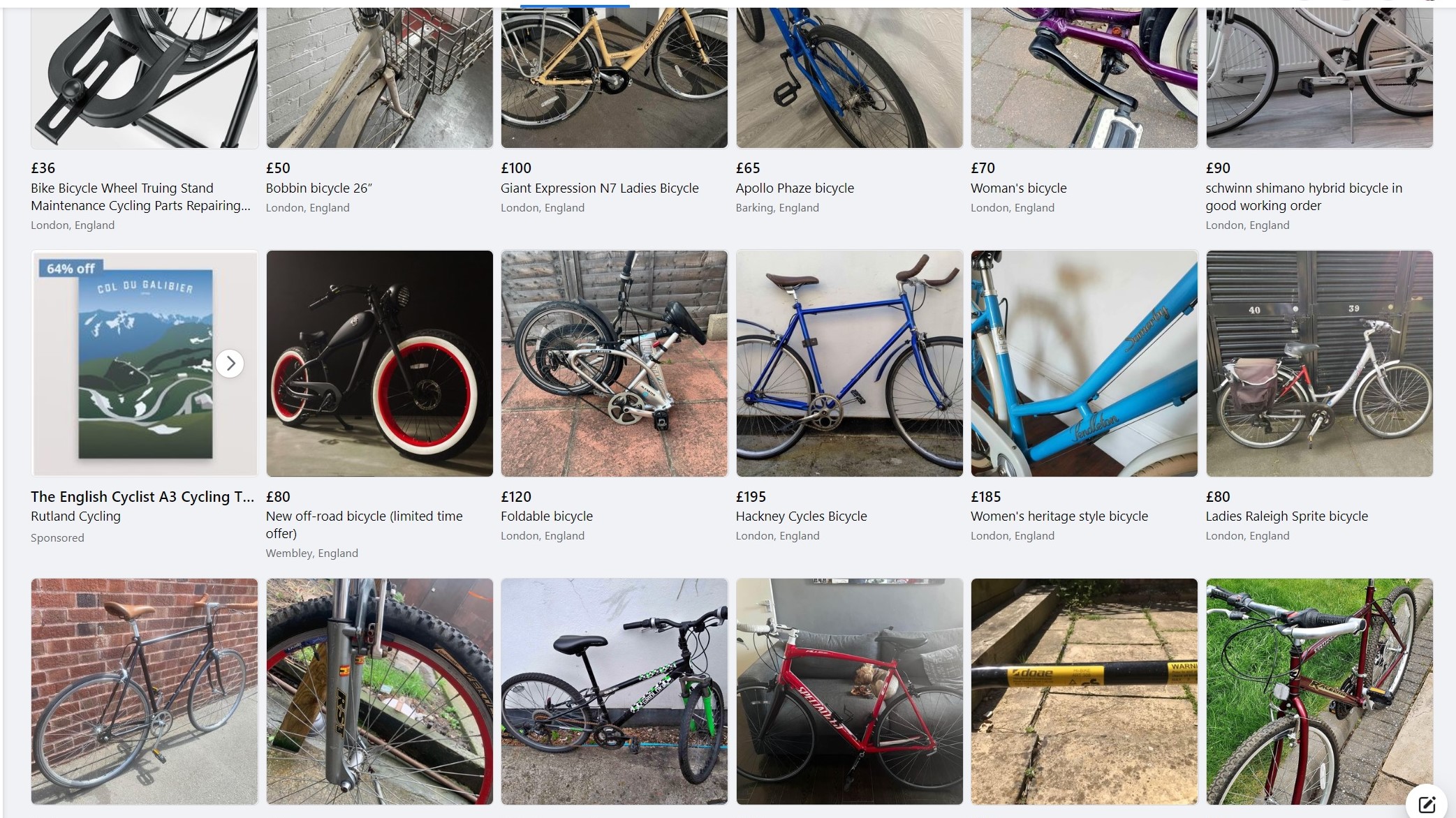
Image Source: cdn.mos.cms.futurecdn.net
Deciphering Your Bike’s Value: Pricing a Used Bicycle Effectively
When selling a used bike, the first crucial step is used bike pricing. This isn’t just about picking a number; it’s about accurately assessing your bicycle’s worth in the current used bicycle market. A well-priced bike attracts buyers, while an overpriced one will sit unsold.
Factors Influencing Used Bike Pricing
Several elements contribute to the perceived value of a second-hand bike:
- Age of the Bike: Newer bikes generally command higher prices than older models.
- Brand and Model: Reputable brands and sought-after models hold their value better.
- Condition: This is paramount. A well-maintained bike in excellent working order will fetch more than one with cosmetic damage or mechanical issues.
- Component Quality: Higher-end components (e.g., Shimano Ultegra vs. Shimano Claris) significantly impact price.
- Upgrades and Customizations: Aftermarket parts or thoughtful upgrades can increase value if they are desirable.
- Demand in the Used Bicycle Market: Certain types of bikes (e.g., popular gravel bikes, reliable commuters) might be in higher demand.
Researching Comparables
To get a realistic idea of used bike pricing, you need to do some homework:
- Online Marketplaces: Browse platforms like eBay, Craigslist, Facebook Marketplace, and dedicated cycling forums. Look for bikes similar to yours in terms of brand, model, age, and condition. Note the asking prices and, if possible, what bikes actually sold for.
- Local Bike Shops: Some shops offer consignment services and have a good pulse on the local market. They might offer a rough valuation, though this is often lower than selling privately.
- Bike Blue Book (for higher-end bikes): For more expensive road or mountain bikes, resources like Bike Blue Book can provide a reference point.
Adjusting for Condition
This is where you refine your pricing. Be honest about your bike’s condition.
- Excellent: Little to no cosmetic wear, mechanically perfect.
- Good: Minor cosmetic blemishes (scratches, scuffs), mechanically sound with maybe a minor tune-up needed soon.
- Fair: Visible wear and tear, minor functional issues that can be easily fixed, but rideable.
- Poor: Significant cosmetic damage, requires substantial repairs, may not be rideable without work.
For each level of wear, mentally (or physically) deduct a percentage of the bike’s potential value.
Creating Your Asking Price
A good strategy is to price your bike slightly above your minimum acceptable price. This leaves room for negotiation. Aim for a price that is competitive but reflects the quality and condition of your specific bike.
Table: Example Pricing Adjustments
| Condition | Estimated Price Reduction from “New” Value |
|---|---|
| Excellent | 10-20% |
| Good | 20-35% |
| Fair | 35-50% |
| Poor | 50%+ |
Note: “New” value refers to what a comparable new bike would cost today.
Where to Sell a Used Bike: Finding the Right Platform
Choosing where to sell a used bike is as important as pricing it correctly. Different platforms cater to different buyers and offer varying levels of reach and ease of use. Understanding the best place to sell used bikes for your situation is key.
Online Marketplaces – The Broad Reach
These are often the go-to options for selling a used bicycle due to their massive user base.
- Facebook Marketplace:
- Pros: Huge local audience, easy to list, free to use, built-in messaging for quick communication.
- Cons: Can attract lowball offers and tire-kickers, less buyer protection, requires careful vetting of buyers for in-person transactions.
- Craigslist:
- Pros: Local focus, direct communication with buyers, free.
- Cons: Similar to Facebook Marketplace in terms of potential for scams and time-wasters. Safety is a primary concern for meetups.
- eBay:
- Pros: Global reach, auction format can drive up prices for desirable bikes, offers buyer and seller protection (if policies are followed).
- Cons: Listing fees, final value fees, shipping can be a hassle and costly, requires more detailed descriptions and photos.
Specialized Cycling Platforms – Targeted Buyers
For serious cyclists, these platforms offer a more knowledgeable audience.
- Pinkbike.com (Buy/Sell Section):
- Pros: Highly targeted audience of mountain bikers and road cyclists, users are often knowledgeable about bike specs and value.
- Cons: Primarily focused on higher-end mountain bikes, requires an account.
- RetroBike.co.uk / other regional cycling forums:
- Pros: Niche communities for specific bike types (e.g., vintage road bikes), buyers are often passionate collectors.
- Cons: Smaller audience, might be regional.
Local Options – Community and Convenience
Sometimes, the best approach is a local one.
- Local Bike Shops (Consignment or Trade-in):
- Pros: Convenient, shop handles the sale and customer interaction.
- Cons: You’ll typically get a much lower price than selling privately. Trade-in values are usually significantly less than market value.
- Local Classifieds (Newspapers, Community Boards):
- Pros: Reaches a very local audience, traditional and can work for less common bike types.
- Cons: Limited reach, can be outdated.
- Garage Sales / Yard Sales:
- Pros: Quick way to offload items, good for lower-value bikes.
- Cons: Prices are usually very low, weather-dependent, requires a lot of bikes or other items to be worthwhile.
Selling a Second-Hand Bike: Considering Your Priorities
When deciding where to sell a used bike, think about:
- Speed: Do you need to sell it fast? Local marketplaces and even garage sales can be quicker.
- Price: Are you aiming for the absolute highest price? Targeted forums or eBay for premium bikes might be better.
- Effort: How much time and effort are you willing to put in? Consignment is low effort, but low return.
- Safety: How comfortable are you with meeting strangers?
How to Advertise a Used Bike: Crafting a Compelling Listing
To sell your used bike fast and get more, your advertisement needs to be excellent. This involves high-quality photos and a detailed, honest description. This is essentially how to list a used bike for sale effectively.
The Power of Great Photos
Photos are the first thing a potential buyer sees. Make them count:
- Clean Your Bike Thoroughly: A dirty bike looks neglected. Wash it, lube the chain, and wipe down the frame.
- Good Lighting: Natural daylight is best. Avoid harsh shadows or direct sunlight that washes out colors.
- Multiple Angles:
- Full side profile (drive side and non-drive side).
- Close-ups of key components: drivetrain (crankset, derailleurs), brakes, wheels, cockpit (handlebars, shifters, brake levers).
- Close-ups of any notable features, upgrades, or even cosmetic flaws (to be transparent).
- Detail shots of the frame – particularly the head tube, top tube, and seat tube.
- Clean Background: Use a neutral background that doesn’t distract from the bike. A plain wall, a driveway, or a park setting can work well.
- Show Scale (Optional): Sometimes, placing a common object (like a water bottle) next to the bike can help convey size.
Writing a Killer Description
Your description should be informative, engaging, and honest.
Essential Information to Include
- Clear Title: Make it specific. “Trek Emonda SL 6 Disc – Size 54cm – Excellent Condition – $1800 OBO” is much better than “Road Bike for Sale.”
- Brand and Model: Full name of the bike.
- Size: Crucial for fit. Specify frame size (e.g., 54cm, Medium, Large) and ideally, the manufacturer’s recommended rider height range.
- Year: If known.
- Frame Material: (e.g., Aluminum, Carbon Fiber, Steel).
- Component Groupset: (e.g., Shimano Ultegra R8000, SRAM GX Eagle). Be specific about shifters, derailleurs, crankset, and brakes.
- Wheelset: Brand and model of wheels and tires.
- Suspension (if applicable): Brand, model, travel.
- Brakes: (e.g., Hydraulic Disc, Mechanical Disc, Rim Brakes).
- Key Features/Upgrades: Mention any aftermarket parts, desirable features (e.g., tubeless setup, dropper post, power meter).
- Condition: Be detailed. Mention any scratches, dents, or worn parts. State if it has been recently serviced.
- Reason for Selling: Briefly mentioning why you’re selling can build trust (e.g., “Upgrading,” “No longer riding,” “Need to clear space”).
- Price and Negotiation: Clearly state your price and whether it’s firm or OBO (Or Best Offer).
- Location: Your general area for local sales.
- What’s Included: Pedals, bottle cages, computer mounts, etc.
Tone and Transparency
- Be Honest: Never try to hide flaws. Buyers appreciate transparency, and it prevents wasted time and disputes later.
- Be Enthusiastic (but realistic): You’re selling a bike you enjoyed. Convey that.
- Use Bullet Points: Break up text to make it easier to read.
Example Listing Snippet:
“For Sale: 2020 Specialized Roubaix Expert – Size 56cm (Rider Height 5’9″ – 6’0”)
This is a fantastic all-around road bike, perfect for endurance riding, gran fondos, and everyday comfort. I’m selling it because I’ve upgraded to a new model.
Key Specs:
* Frame: FACT 10r Carbon, Future Shock 1.5 suspension
* Groupset: Shimano Ultegra R8020 Di2 (Electronic Shifting)
* Brakes: Shimano Ultegra Hydraulic Disc
* Wheelset: Roval C 38 Disc Carbon
* Tires: Specialized Turbo Pro, 700x28c (recently replaced)
Condition:
Bike is in excellent mechanical condition and has been regularly serviced. Cosmetically, there are a few minor scuffs on the crank arm and chainstay from normal use (see photos). Tires have plenty of life left. Ready to ride!”
Tips for Selling a Bike: The Art of the Deal
Beyond pricing and advertising, several tips for selling a bike can significantly speed up the process and maximize your profit.
Presentation Matters
- Cleanliness: We cannot stress this enough. A clean bike looks cared for and valuable.
- Basic Maintenance: Ensure shifting is smooth, brakes are responsive, and tires are properly inflated. A quick tune-up can make a big difference. If there’s a minor issue (like a worn cable), consider replacing it before selling.
- Check for Wear: Worn tires, brake pads, or chain/cassette can be reasons for a buyer to negotiate. Be prepared to address these or offer a discount.
Pricing Strategy Refined
- Be Realistic: Overpricing is the surest way to have a bike languish.
- Be Open to Offers: Unless you’ve priced it exactly at your lowest acceptable point, be prepared for negotiations.
- Know Your Bottom Line: Decide the lowest price you’re willing to accept before you start listing.
Marketing and Communication
- Respond Quickly: Buyers on platforms like Facebook Marketplace expect fast replies.
- Be Polite and Professional: Even if a buyer is rude or lowballing, maintain your composure.
- Answer Questions Thoroughly: Provide any information a buyer requests.
- Be Flexible with Viewings (within reason): Accommodate potential buyers’ schedules if possible.
Safety During the Sale
- Meet in Public Places: For online sales, arrange to meet in a well-lit, public area. A police station parking lot or a busy park are good options.
- Bring a Friend: If meeting somewhere that feels less secure, bring someone with you.
- Cash Only (for local sales): Avoid checks or money orders from strangers, as they can be fraudulent.
- Test Rides: Allow test rides, but consider keeping a piece of their ID (like a driver’s license) or asking for a deposit equal to the bike’s value. Be present during the test ride.
- Online Payments: If using PayPal or other online payment methods, ensure the funds have cleared before handing over the bike, especially if shipping.
Shipping Considerations (if applicable)
- Box It Professionally: If you’re selling nationally, you’ll need to ship. Bike shops can box a bike for a fee, or you can buy a bike box from shipping companies or bike shops.
- Factor in Shipping Costs: These can be significant. Decide if you’ll include shipping in your price or charge it separately. Use online calculators to estimate costs.
- Insure the Shipment: Protect yourself against damage or loss during transit.
Selling a Used Bike Fast: Strategies for a Quick Turnover
If your primary goal is to sell a used bike fast, you’ll need to employ specific tactics.
Aggressive Pricing
- Price Below Market Value: If speed is paramount, price your bike 10-15% below what similar bikes are selling for. This will attract immediate attention.
- “Must Sell” Mentality: Clearly state in your listing that you need to sell the bike quickly.
Targeted Marketing
- Post on Multiple Platforms: Don’t limit yourself to one site. List on Facebook, Craigslist, Pinkbike, etc.
- Promote Locally: Share your listing with local cycling groups on social media.
- Use “Boost” Features (if available): Some platforms offer paid options to increase visibility.
Offer Incentives
- Bundle Extras: Include accessories like a helmet, lights, lock, or pump for free. This adds perceived value.
- “Price is Firm” but Flexible: Sometimes stating “firm” on a slightly lower price can deter haggling and attract buyers who want a straightforward deal.
Be Ready for Quick Transactions
- Have the Bike Ready: Clean, tuned, and with good photos.
- Be Available: Be prepared to answer questions and meet buyers promptly.
Frequently Asked Questions (FAQ)
Q1: How do I determine the best price for my used bike?
A1: Research comparable bikes on online marketplaces, considering their brand, model, age, condition, and components. Adjust your price based on your bike’s specific attributes.
Q2: Is it better to sell a bike online or locally?
A2: Online platforms offer wider reach but can be more complex with shipping. Local sales are faster and avoid shipping hassles but have a smaller buyer pool. Choose based on your priorities for speed, price, and convenience.
Q3: What is the best way to advertise a used bike?
A3: High-quality, detailed photos from multiple angles and a comprehensive, honest description that includes all key specifications and condition details are crucial for effective advertising.
Q4: How much depreciation can I expect on a used bicycle?
A4: Depreciation varies greatly, but expect a used bike to lose 30-50% of its original value within its first few years, with the rate slowing down over time. Condition and demand play significant roles.
Q5: Should I accept a lower offer?
A5: If your primary goal is to sell fast, accepting a reasonable offer below your asking price is often necessary. Know your minimum acceptable price beforehand.
Q6: What are some common scams to watch out for when selling a bike?
A6: Be wary of buyers who want to pay with cashier’s checks, ask for personal information beyond what’s needed for a transaction, request to wire money, or offer significantly more than your asking price. Always prioritize safety and secure payment methods.
Q7: Do I need to include pedals with the bike?
A7: It’s good practice to include basic pedals if you have them, as it makes the bike immediately rideable. If you have aftermarket pedals, decide whether to include them or sell them separately based on their value.
Q8: What if the buyer wants a test ride?
A8: Allowing test rides is standard practice. For safety, meet in a secure location and consider asking for collateral (like their driver’s license) or a deposit equal to the bike’s value. Stay with the buyer during the test ride.
By following these guidelines, you’ll be well-equipped to navigate the selling a used bicycle process efficiently, ensuring you get the best possible outcome for your second-hand bike. Good luck with your sale!