
Ever strummed your acoustic guitar and felt like something was missing? Maybe the sound wasn’t quite as bright as you imagined, or perhaps your fingers felt a little sore after a long jam session. The secret ingredient to unlocking your guitar’s full potential often lies in something small but mighty: your steel strings.
Choosing the perfect acoustic steel guitar strings can feel like navigating a maze. There are so many different types, gauges, and materials, each promising a unique tone and feel. It’s easy to get overwhelmed and end up with strings that just don’t feel right, making practice a chore instead of a joy. But finding the right strings can transform your playing experience, making your guitar sing with vibrant tone and feel comfortable under your fingertips.
In this post, we’ll cut through the confusion. We’ll explore the different kinds of acoustic steel guitar strings, what makes them sound and feel the way they do, and how to pick the best set for *your* guitar and *your* playing style. Get ready to discover how the right strings can make your guitar sound its absolute best and feel amazing to play.
Our Top 5 Acoustic Steel Guitar Strings Recommendations at a Glance
Top 5 Acoustic Steel Guitar Strings Detailed Reviews
1. D’Addario Acoustic Guitar Strings

Rating: 9.1/10
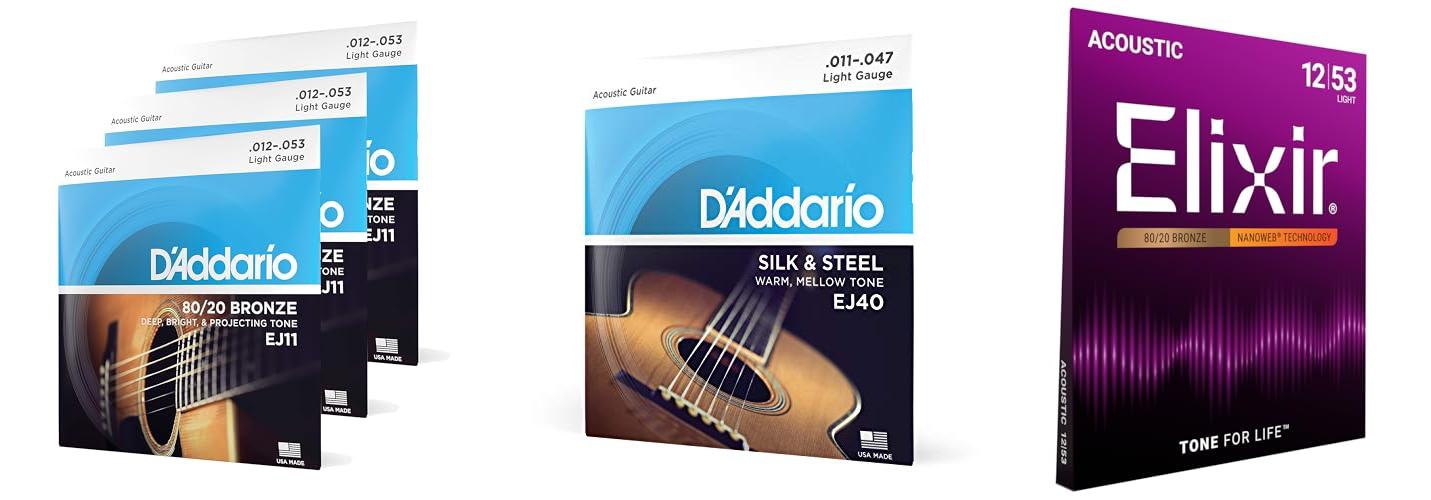
Ready to make your acoustic guitar sing? The D’Addario Acoustic Guitar Strings, 80/20 Bronze, EJ11-3D, Light Gauge 12-53, 6-String Set, Pack of 3, offers a classic sound that players have loved for generations. These strings are built with a strong steel core and a special bronze wrap. They are designed to give your guitar a loud, clear tone that sounds great whether you’re practicing at home or performing on stage. Plus, you get three sets, so you’ll be ready to go for a while!
-
What We Like:
- The precision winding creates a strong, reliable string.
- You get a bold and bright sound that really projects.
- These are the original acoustic strings, with a history behind them.
- You can earn reward points by registering your purchase.
- They are proudly made in the USA.
-
What Could Be Improved:
- While “light gauge” is generally easy to play, some beginners might prefer an even lighter option to start.
- The bright tone might not be everyone’s first choice if they prefer a warmer sound.
If you’re looking for a classic, vibrant tone and a reliable string, these D’Addario strings are a fantastic choice. They offer great value and a sound that will inspire your playing.
2. D’Addario Silk & Steel Acoustic Guitar Strings – EJ40-6 String – Warm
Rating: 9.1/10
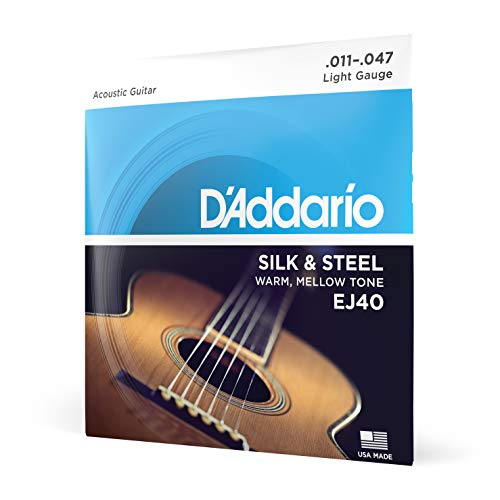
If you’re looking for a guitar string that gives your acoustic guitar a wonderfully warm and soft sound, the D’Addario Silk & Steel Acoustic Guitar Strings – EJ40-6 String – Warm, Mellow Tone – Light, 11-47 are a fantastic choice. These strings are designed to give you a mellow tone with less finger noise, which is especially great if you love playing with your fingers. They have a lower tension, making them comfortable to play for longer periods.
What We Like:
- They produce a warm and mellow tone that’s perfect for fingerstyle playing.
- The low tension makes them easy on your fingers and reduces unwanted noise.
- They give your guitar a vintage acoustic vibe, ideal for older or smaller guitars.
- D’Addario makes strings for all kinds of music and players.
- These strings are made with quality materials in the USA.
What Could Be Improved:
- Some players might find the mellow tone less ideal for very bright or aggressive playing styles.
- Availability might be limited in some smaller music shops compared to more common string types.
For anyone seeking a gentler sound and a comfortable playing experience, these D’Addario Silk & Steel strings are an excellent upgrade. They truly bring out the best in many acoustic guitars.
3. Elixir Strings

Rating: 9.1/10
Want guitar strings that sound amazing and last a long time? Elixir Strings, Acoustic Guitar Strings, 80/20 Bronze with NANOWEB Coating, Light 12-53 are a great choice for any acoustic guitarist. These strings give you a bright, clear sound and feel really smooth under your fingers.
What We Like:
- They make a bright and focused sound that lasts.
- The NANOWEB Coating keeps them from getting rusty or worn out by sweat.
- They feel smooth and comfortable to play.
- These strings are made in the USA and are tested for quality.
- You get a 6-string set with light gauge (12-53) strings.
What Could Be Improved:
- Some players might prefer a different type of bronze or coating.
- The price might be a little higher than some other brands.
If you want a reliable string that keeps its great sound for a long time, Elixir Strings are definitely worth trying. They offer a fantastic playing experience for guitarists of all levels.
4. Ernie Ball Earthwood Silk and Steel Extra-Soft Acoustic Guitar Strings

Rating: 9.0/10
If you’re looking for a gentler sound and a softer feel on your acoustic guitar, the Ernie Ball Earthwood Silk and Steel Extra-Soft Acoustic Guitar Strings are a fantastic choice. These strings are designed to give you a warm, mellow tone that’s easy on your fingers, making them ideal for players of all levels, especially those who want a comfortable playing experience.
What We Like:
- These strings create a warm and mellow sound.
- They feel very soft and comfortable under your fingers.
- The special silk wrap makes playing easier.
- They are made with high-quality materials in California.
- The 10-50 gauge is a great all-around size.
What Could Be Improved:
- The mellow tone might not be loud enough for some playing styles.
- The silk wrap might wear out faster than regular strings for very aggressive players.
For guitarists seeking a smooth playing experience and a warm tone, these Ernie Ball Earthwood Silk and Steel strings are a wonderful option. They offer a noticeable difference in comfort and sound.
5. Ernie Ball Earthwood Extra Light 80/20 Bronze Acoustic Guitar Strings

Rating: 9.2/10
Ernie Ball Earthwood Extra Light 80/20 Bronze Acoustic Guitar Strings (P02006) offer a fantastic playing experience for acoustic guitarists. These strings are designed to give your guitar a bright, clear sound. They also project well, meaning your music will be heard with great detail. The extra light gauge makes them super easy to play, which is a big plus for beginners or anyone who wants less finger strain.
What We Like:
- They sound really bright and balanced.
- Your guitar will have excellent projection and clarity.
- The extra light gauge makes them easy to press down, so playing is more comfortable.
- The 80/20 bronze wrap is made with 80% copper and 20% zinc.
- The special packaging keeps the strings fresh for a long time.
- They are made in California, USA with good materials.
What Could Be Improved:
- Some players might prefer strings with a bit more tension.
- While durable, they might wear out faster than heavier gauge strings.
These Ernie Ball Earthwood strings are a solid choice for players seeking comfort and a vibrant tone. They bring out the best in your acoustic guitar.
Choosing the Right Acoustic Steel Guitar Strings: Your Ultimate Guide
Why Strings Matter
Your acoustic steel guitar strings are the heart of your sound. They vibrate to make music. Different strings create different sounds. Some sound bright and clear. Others sound warm and mellow. Picking the right strings makes a big difference in how your guitar sounds and feels. This guide helps you find the perfect match.
Key Features to Look For
1. Gauge (Thickness)
String gauge refers to how thick the strings are. Thicker strings (heavy gauge) produce a louder, fuller sound. They also feel harder to press down. Thinner strings (light gauge) are easier to play and bend. They have a brighter, thinner sound. Most players start with medium gauge strings. They offer a good balance of tone and playability.
2. Material
The metal used to make the strings is very important. It changes the sound and how long the strings last. Common materials include:
- Bronze: These strings give a bright, clear sound. They are very popular.
- Phosphor Bronze: These are like bronze but last longer. They have a warm, rich tone.
- Nickel: These strings offer a warmer, mellower sound. They are often used for fingerstyle playing.
- Steel (Core): Almost all acoustic strings have a steel core. This is the inner wire that gives the string its strength.
3. Winding Type
The way the outer wire is wrapped around the core wire affects the sound and feel. The two main types are:
- Roundwound: This is the most common type. It makes a bright, cutting sound. It feels a bit rough.
- Flatwound: These strings have a smooth, flat outer wrap. They produce a warm, mellow tone. They are much smoother to the touch. This makes them great for fingerpicking.
Factors That Improve or Reduce Quality
High-quality strings often use better materials. They have a more precise winding. This means they sound better and last longer. Cheap strings might break easily. They can also sound dull or uneven. Good strings feel good under your fingers. They stay in tune better.
User Experience and Use Cases
The best strings for you depend on how you play and what sound you want. Guitarists who strum hard might prefer heavier gauge strings. They can handle the force. Fingerstyle players often like lighter gauge strings. They make it easier to play intricate patterns and bends. Beginners usually find lighter gauge strings more comfortable to start with. Experienced players might experiment with different materials and windings to find their signature sound.
Frequently Asked Questions (FAQ)
Q: What is the most common string gauge for acoustic steel guitars?
A: Medium gauge strings are very common. They offer a good mix of sound and playability for most players.
Q: How often should I change my acoustic guitar strings?
A: It depends on how much you play and your body chemistry. A good rule of thumb is every 1-3 months. You’ll know it’s time when the sound is dull or the strings look dirty.
Q: Will heavier strings make my guitar sound louder?
A: Yes, heavier gauge strings generally produce a louder and fuller sound.
Q: Are coated strings worth the extra cost?
A: Coated strings have a thin coating that helps them last longer and resist corrosion. Many players find they are worth the extra money because they keep their tone for a longer time.
Q: What’s the difference between bronze and phosphor bronze strings?
A: Phosphor bronze strings are an alloy of bronze with phosphorus. This makes them more resistant to corrosion and usually gives them a warmer tone that lasts longer than plain bronze strings.
Q: Can I use electric guitar strings on my acoustic guitar?
A: It is not recommended. Acoustic steel guitar strings are made differently to produce the sound required for an acoustic guitar. Electric guitar strings are usually thinner and made for a different type of pickup.
Q: How do I know if my strings are too old?
A: Old strings often sound dull, lack sustain, and are harder to keep in tune. They might also feel rough or have visible signs of wear.
Q: Which strings are best for beginners?
A: Lighter gauge strings are usually best for beginners. They are easier to press down and make chords, which helps with learning and finger comfort.
Q: What is the difference between roundwound and flatwound strings?
A: Roundwound strings have a textured surface and a bright sound. Flatwound strings are smooth and produce a warmer, mellower tone.
Q: Do string materials affect tuning stability?
A: Yes, higher quality materials and better manufacturing can lead to better tuning stability. New, well-made strings will generally hold their tune better than old or cheap ones.
In conclusion, every product has unique features and benefits. We hope this review helps you decide if it meets your needs. An informed choice ensures the best experience.
If you have any questions or feedback, please share them in the comments. Your input helps everyone. Thank you for reading.