
Imagine you’ve just learned your first power chord, feeling the raw energy surge through your fingertips. You’re ready to unleash your inner rockstar, but then you look at the wall of amplifiers – a confusing maze of knobs, speakers, and brands. Suddenly, that exciting moment feels a little overwhelming, doesn’t it?
Choosing a guitar amp is a big deal for any player. It’s not just a piece of equipment; it’s the voice of your guitar. But with so many types, sizes, and features, it’s easy to feel lost. You might worry about spending too much money on the wrong amp or ending up with something that just doesn’t sound right for the music you love. This confusion can slow down your progress and make practicing less enjoyable.
But don’t worry! By the end of this post, you’ll understand the different kinds of amps out there and why they matter. We’ll break down the jargon and help you figure out what features are important for *you*. Get ready to discover how to find an amp that will truly make your guitar sing.
Our Top 5 Guitar Amp Recommendations at a Glance
Top 5 Guitar Amp Detailed Reviews
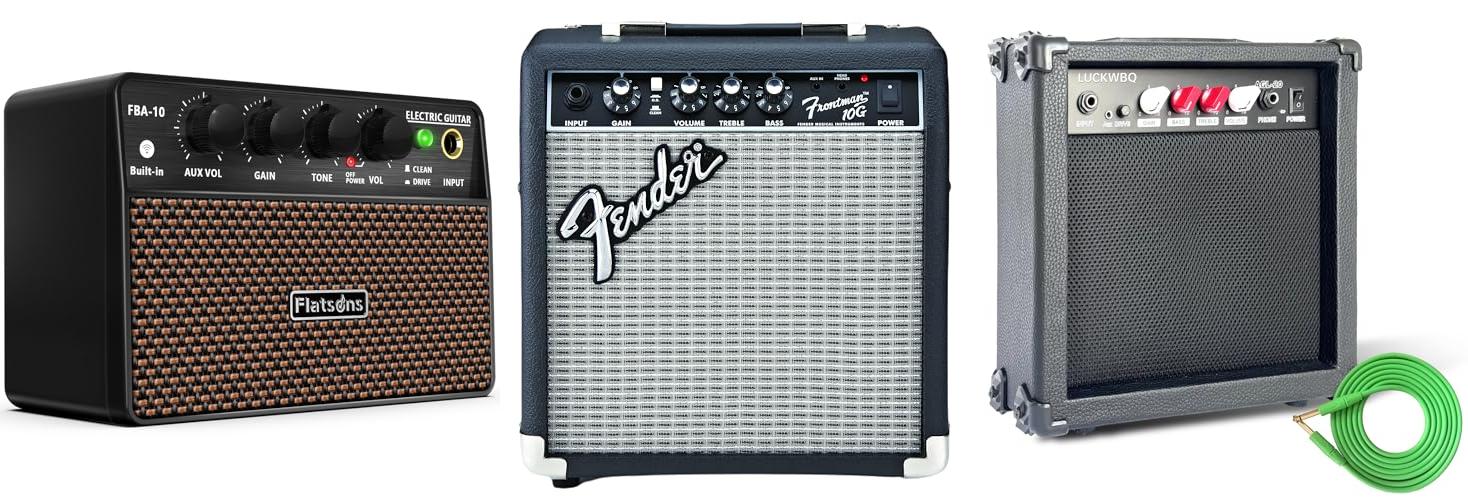
1. Flatsons FBA-10 Guitar Amp

Rating: 9.2/10
The Flatsons FBA-10 is a fantastic little amp for any guitarist on the go. It’s small, portable, and packed with features that make practicing and playing anywhere a breeze. Whether you’re at home, traveling, or just jamming with friends, this amp delivers great sound and a lot of fun.
What We Like:
- Pure Analog Sound: The amp uses real analog technology to give you a clear, natural guitar tone. It sounds great for both clean and driven sounds.
- Dual Tone Modes: Easily switch between a clean, crisp sound and a powerful, distorted drive sound with just one button. You can also adjust the gain and tone to get the exact sound you want.
- Headphone and AUX Jacks: Practice quietly with headphones or play along to your favorite songs using the AUX input. The AUX volume control is easy to use.
- Wireless Audio and Long Battery: Connect your phone or tablet wirelessly via Bluetooth to stream music. The amp is small and light, making it easy to carry. It also lasts up to 6 hours on a single charge thanks to its USB-C rechargeable battery.
- Cool Vintage Design: The two-tone woven grille looks really stylish and helps the sound come out better. It makes a great gift for any guitar player.
- Great Support: Flatsons offers expert support, a 12-month guarantee, and easy returns. They want you to be happy with your purchase.
What Could Be Improved:
- Drive Channel Noise: A little bit of buzzing or hissing is normal on the drive channel, especially when the battery is low or while charging. It’s best to use it fully charged for the clearest sound.
The Flatsons FBA-10 is a versatile and fun portable guitar amp. It’s a great choice for anyone who wants good sound and portability.
2. Fender Frontman 10G Guitar Amp

Rating: 8.5/10
The Fender Frontman 10G Guitar Amp is a compact powerhouse, perfect for beginners and practice sessions. This 10-watt amp packs a punch with its 6-inch Fender Special Design speaker, ready to deliver a wide range of sounds from smooth blues to roaring metal. Its simple controls and sturdy build make it a reliable companion for any guitarist looking to hone their skills.
What We Like:
- It’s lightweight and easy to carry around.
- The controls are simple and easy to understand, perfect for new players.
- You get a good variety of sounds for its size.
- The closed-back design gives it a nice, strong bass sound.
- It comes with a 2-year warranty, which is a great bonus.
What Could Be Improved:
- For jamming with friends, it might not be loud enough.
- Experienced players might want more advanced features.
Overall, the Fender Frontman 10G is an excellent choice for anyone starting out or needing a reliable practice amp. Its quality and value make it a standout option.
3. LUCKWBW Electric Guitar Amp 20 Watt Amplifier Portable Amp with Headphone Input Gain Powe Including Professional Noise Reduction Cable (Black)

Rating: 9.2/10
The LUCKWBW Electric Guitar Amp 20 Watt Amplifier is a compact and powerful option for guitarists. It’s designed for both practice and small performances, offering a good range of features for its size.
What We Like:
- It’s easy to operate. You can plug in your guitar and start playing.
- It has an AUX input. This lets you play music from your phone or MP3 player along with your guitar.
- The headphone jack is great. You can practice quietly without bothering anyone.
- It comes with a professional noise-canceling cable. This helps ensure a clear and strong sound.
- The controls are simple. You can easily adjust gain, bass, treble, and volume to get the sound you want.
- It’s very portable. It weighs only 6.3 pounds and has a handle, making it easy to take anywhere.
- The amp is built tough. It has protective edges and rubber feet for stability.
What Could Be Improved:
- While it’s a 20-watt amp, it might not be loud enough for larger gigs.
- The user manual could be more detailed for advanced users.
Overall, the LUCKWBW Electric Guitar Amp is a solid choice for beginners and intermediate players looking for a portable and versatile practice amp. It offers good value and essential features for everyday playing.
4. Fender Frontman 20G Guitar Amp

Rating: 8.6/10
The Fender Frontman 20G Guitar Amplifier is a compact powerhouse, ready to fuel your musical journey. With 20 watts of clear sound and a 6-inch Fender Special Design speaker, it delivers impressive tone for its size. Its straightforward design makes it super easy to use, whether you’re just starting out or you’ve been playing for years.
What We Like:
- Simple and intuitive controls mean you can start playing right away.
- It has a clean channel for pure guitar sound and a separate Drive channel for some grit.
- You can easily adjust the sound with the volume and three EQ knobs.
- The auxiliary input lets you jam along to your favorite songs.
- The headphone jack is perfect for practicing without disturbing anyone.
- Fender backs this amp with a solid 2-year limited warranty, showing their confidence in its quality.
- Its manageable 10x16x16 inch size makes it easy to place in any room.
What Could Be Improved:
- For more advanced players, the 20 watts might not be enough for very loud gigs.
- While versatile, it may not offer the same depth of tone as larger, more expensive amps.
The Fender Frontman 20G is a fantastic option for practice and small jam sessions. It offers great Fender quality and features that make learning and playing enjoyable.
5. Fender Mustang LT25 Guitar Amp

Rating: 8.8/10
The Fender Mustang LT25 Guitar Amp is a fantastic 25-watt combo amp built for players of all levels, especially those just starting out. It’s compact and easy to use, making it a great addition to any practice space. You get the legendary Fender sound from its 8-inch speaker, and it even comes with a 2-year warranty for peace of mind.
What We Like:
- The simple interface and 1.8-inch color screen make it super easy for beginners to navigate.
- It packs 30 preset effects, so you can explore tons of different guitar sounds for all kinds of music.
- The built-in USB audio interface lets you easily record your playing on your computer.
- Fender’s 2-year limited warranty shows their confidence in the amp’s quality and durability.
- It’s a great value for the features it offers.
What Could Be Improved:
- While it has many presets, some users might want even more customization options for the effects.
- The 8-inch speaker is good for practice, but it might not be powerful enough for larger gigs.
Overall, the Fender Mustang LT25 is an excellent choice for guitarists looking for a versatile and user-friendly amp. It’s a reliable practice companion that offers a lot of sonic exploration right out of the box.
Your Guide to Picking the Perfect Guitar Amp
Choosing a guitar amp can feel like a big deal. It’s the voice of your guitar! This guide will help you find the right one. We’ll cover what to look for, what makes an amp good, and how different amps fit different players.
Key Features to Look For
When you shop for an amp, keep these important things in mind:
- Wattage: This is how loud the amp can get. A small practice amp might have 5-20 watts. A gigging amp could have 50-100 watts or more. For home practice, less is usually fine. For playing with a band, you’ll need more power.
- Speaker Size: Amps have speakers inside. Common sizes are 8, 10, and 12 inches. Bigger speakers often give a fuller sound. A 12-inch speaker is a popular choice for many players.
- Channels: These are like different “voices” for your amp. Most amps have at least two channels: a clean channel for a clear sound and a drive or distortion channel for a rockier sound. Some amps have even more channels for different tones.
- EQ Controls: EQ stands for equalization. These knobs let you shape the sound. You’ll usually find Bass, Middle, and Treble controls. They help you make your guitar sound brighter or warmer.
- Effects: Some amps come with built-in effects like reverb (makes sound echo) or delay (repeats the sound). These can add cool textures to your playing.
- Connectivity: Look for an input for your guitar, of course. You might also want an auxiliary input to play music from your phone. A headphone jack is great for practicing quietly. Some amps have a USB port to connect to a computer.
Important Materials
The materials an amp is made from can affect its sound and how long it lasts.
- Cabinet: This is the box that holds the speaker. Wood is the most common material. Plywood is often used because it’s strong and doesn’t buzz. Particleboard is cheaper but not as durable.
- Speakers: The speaker cone is usually made of paper or a special type of plastic. The magnet inside is typically ceramic or alnico (an alloy). These parts are crucial for producing sound.
- Electronics: The circuit boards and components inside the amp are made of various metals and plastics.
Factors That Improve or Reduce Quality
Several things make an amp sound great or not so great.
- Build Quality: A well-built amp feels solid. Its parts fit together tightly. This means it will last longer and be less likely to make unwanted noises.
- Sound Quality: This is the most important. Does the amp sound good to you? Does it have a clear clean tone? Does the distorted tone sound good? Does it handle different volumes well?
- Component Quality: High-quality electronic parts and speakers make a big difference. They allow the amp to produce a richer, more accurate sound.
- Speaker Pairing: The speaker needs to match the amp. A great amp with a bad speaker won’t sound good.
- Amp Type: Tube amps are known for their warm, natural sound. Solid-state amps are often more reliable and less expensive. Modeling amps can copy the sound of many different amps. Each has its own strengths.
User Experience and Use Cases
How you plan to use your amp is a big part of choosing the right one.
- Beginner Practice: If you’re just starting, a small, affordable practice amp is perfect. It’s easy to use and won’t be too loud for your home. Look for something with simple controls and maybe a headphone jack.
- Home Recording: For recording at home, you might want an amp that sounds good at lower volumes. An amp with a good DI output (to connect directly to a computer) or a headphone jack is very useful.
- Gigging: If you play shows, you need an amp that’s loud enough for the stage. A powerful solid-state or tube amp with at least 50 watts is often recommended. It should also be durable enough to travel.
- Creative Exploration: If you love experimenting with sounds, a modeling amp or an amp with lots of built-in effects might be your best bet.
Frequently Asked Questions
Q: What’s the difference between tube and solid-state amps?
A: Tube amps use vacuum tubes to make sound. They are known for a warm, natural tone and a smooth distortion when turned up loud. Solid-state amps use transistors. They are usually more affordable, lighter, and more reliable. They can also have very clean tones.
Q: How much wattage do I really need?
A: For practicing at home, 10-30 watts is usually plenty. If you play with a drummer, you’ll likely need 50 watts or more. If you play in a loud band or on big stages, 100 watts or more might be necessary.
Q: Should I get an amp with built-in effects?
A: It depends on what you like! Built-in effects are convenient and can save you money. However, separate effect pedals often offer more control and better sound quality. If you’re just starting, built-in effects can be a fun way to explore different sounds.
Q: What’s the deal with speaker size?
A: Bigger speakers generally produce a fuller, richer sound with more bass. An 8-inch speaker is good for small practice amps. A 10-inch speaker offers a good balance. A 12-inch speaker is a popular choice for a robust sound, often found in larger amps.
Q: Can I use any guitar with any amp?
A: Yes, you can plug any electric guitar into any electric guitar amp. However, the sound will be different depending on the guitar and the amp. Some amps are designed to sound best with certain types of guitars or for specific music styles.
Q: What does “impedance” mean for amps?
A: Impedance is measured in ohms (Ω). It’s like how much the speaker “resists” the electrical signal from the amp. You need to match the speaker’s impedance to what the amp can handle. Using the wrong impedance can damage the amp.
Q: Is it okay to practice with headphones?
A: Yes, it’s great for practicing quietly! Most amps designed for home use have a headphone jack. It lets you play without disturbing others. Make sure your amp has this feature if quiet practice is important to you.
Q: How important is the amp’s construction material?
A: The cabinet material is important for durability and sound. Sturdy wood like plywood helps the amp last longer and reduces buzzing. Cheaper materials might not sound as good or hold up as well over time.
Q: What are “modeling amps”?
A: Modeling amps use digital technology to recreate the sounds of many different famous amplifiers. They offer a lot of versatility and are a great way to experiment with various tones without buying multiple amps.
Q: How do I know if an amp sounds good?
A: The best way is to try it yourself! Play your guitar through different amps. Listen to the clean sound and the distorted sound. Does it inspire you? Does it feel good to play? What sounds good to one person might not sound good to another.
In conclusion, every product has unique features and benefits. We hope this review helps you decide if it meets your needs. An informed choice ensures the best experience.
If you have any questions or feedback, please share them in the comments. Your input helps everyone. Thank you for reading.