
What is the best way to transition a child from a balance bike to a pedal bike? The best way is to let them master balancing first on a balance bike, as this naturally builds the core skills needed for pedaling. This guide will walk you through the entire process, ensuring a smooth and enjoyable experience for both you and your child.
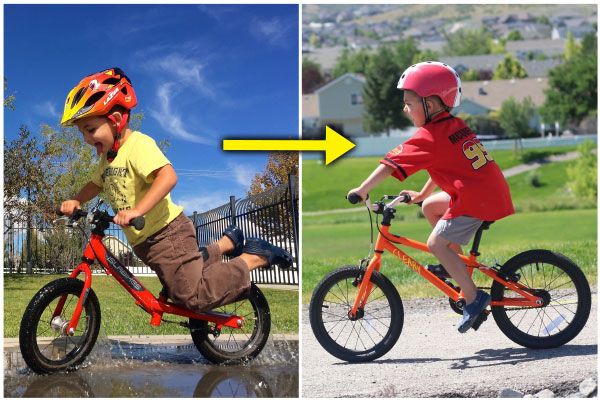
Image Source: www.twowheelingtots.com
The Seamless Shift: From Scooting to Spinning Pedals
The journey from a wobbly toddler on a balance bike to a confident cyclist on a pedal bike is a significant milestone. Many parents wonder about the best approach, especially when considering the role of training wheels. The good news is that the balance bike to pedal bike transition is often more straightforward than traditional methods. By focusing on balance bike progression, you’re essentially giving your child a head start in learning to pedal. This method acts as an excellent training wheels alternative, fostering better bicycle confidence building and overall cycling skills development.
Why Balance Bikes Pave the Way
Balance bikes, by their very design, remove the complexity of pedals. This allows children to focus on the fundamental skill of balancing and steering. They learn to propel themselves by scooting with their feet, gain confidence in maneuvering, and understand how to stop effectively. When they’re ready for a pedal bike, they’ve already conquered the trickiest part: staying upright. This makes the kids bike transition much more intuitive and less intimidating.
The Natural Progression: Recognizing Readiness
So, how do you know when your child is ready to move from their trusty balance bike to their first pedal bike? Look for these signs:
- Confident Scooting: Your child can comfortably push off and glide with their feet off the ground for several seconds.
- Steering Mastery: They can navigate around obstacles and make controlled turns without losing balance.
- Braking Ability: They can effectively use the brakes (if their balance bike has them) to slow down and stop.
- Eagerness to Go Faster: They show a desire to increase their speed and may even lift their feet for longer glides.
- Interest in Pedal Bikes: They express curiosity about pedal bikes or show interest when watching others cycle.
These indicators suggest that your child has developed the necessary core cycling skills development and is prepared for the next step.
Gearing Up for the First Pedal Bike
Choosing the right pedal bike is crucial for a positive moving from balance to pedals experience. Here’s what to consider:
Size Matters: The Foundation of Success
A bike that’s too big or too small will hinder your child’s progress. For a pedal bike, your child should be able to:
- Stand over the top tube with both feet flat on the ground, with at least an inch of clearance.
- Reach the handlebars comfortably without stretching or slouching.
- Reach the pedals when seated, with a slight bend in their knee at the bottom of the pedal stroke.
Table 1: Typical Kids Bike Sizes and Corresponding Age/Height
| Bike Size (Wheel Diameter) | Approximate Age | Approximate Height |
|---|---|---|
| 12-inch | 2-4 years | 30-38 inches |
| 16-inch | 4-6 years | 38-45 inches |
| 20-inch | 5-8 years | 45-52 inches |
| 24-inch | 7-11 years | 52-59 inches |
Note: These are general guidelines. Always have your child try out a bike before purchasing.
Pedal Bike Features to Look For
When selecting a first pedal bike, prioritize simplicity and ease of use.
- Lightweight Frame: A lighter bike is easier for a child to maneuver and control. Aluminum frames are a good choice.
- Coaster Brake: Many small pedal bikes come with a coaster brake (pedal backward to stop), which is intuitive for young children who are used to stopping with their feet.
- Hand Brakes: If your child’s balance bike had hand brakes, you might opt for a pedal bike with hand brakes to maintain continuity. Ensure they are easy for small hands to squeeze.
- No Training Wheels (Ideally): Since your child has mastered balance, training wheels are often unnecessary and can even hinder their progress by teaching them to lean the “wrong” way.
The Big Day: Introducing the Pedal Bike
The moment of introducing the pedal bike can be exciting but also a little nerve-wracking. Here’s how to make the kids bike transition as smooth as possible.
Step 1: Familiarization and Adjustment
Before the first pedal stroke, allow your child to get acquainted with their new bike.
- Seat Height Adjustment: Set the seat so that your child can still touch the ground with the balls of their feet. This will help them feel secure. They won’t need to pedal with the seat this low, but it provides confidence.
- Familiarization with Brakes: If the bike has hand brakes, spend time demonstrating how they work. Have them practice squeezing the levers while walking the bike.
Step 2: The First Pedal Strokes
This is where the magic happens! Your child’s balance bike experience will be invaluable here.
- Start on Flat, Open Ground: A large, flat, empty parking lot or a quiet park path is ideal.
- Encourage Scooting First: Ask your child to scoot the bike forward with their feet, just like they did on their balance bike. This helps them get a feel for the bike’s weight and how it rolls.
- Gentle Pedal Introduction: Once they’re comfortable scooting and gliding, encourage them to try pedaling. They might initially try to scoot and pedal simultaneously.
- “Feet Up!” Cue: Remind them to lift their feet onto the pedals once they have some momentum. Use positive reinforcement: “You’re pedaling! Great job!”
Step 3: Navigating the Pedaling Process
The learning curve for pedaling varies. Some children pick it up instantly, while others need more practice.
- Short, Frequent Sessions: Keep practice sessions short (15-30 minutes) and positive. Avoid pushing them too hard.
- Focus on Forward Motion: Initially, the goal is just to get them moving forward using the pedals. Don’t worry too much about steering or speed.
- Gentle Guidance (Optional): If they are struggling with balance while pedaling, you can offer a gentle hand on their back or shoulder for support, but avoid holding onto the bike itself, as this can prevent them from developing their own balance.
- Celebrate Small Victories: Praise every effort and every successful pedal stroke. The aim is to build bicycle confidence building.
Common Challenges and Solutions
Even with a balance bike background, some challenges might arise during the moving from balance to pedals phase.
Challenge: Fear of Falling
Fathoming the Fear: Falling is a natural part of learning, but it can be frightening for a child.
Solutions:
- Reinforce Balance Skills: Remind them that they are already good at balancing from their balance bike.
- Safe Environment: Ensure the practice area is smooth and free of hazards. Grass can be softer for falls, but it also offers more resistance for pedaling.
- Protective Gear: Always ensure they wear a properly fitted helmet. Knee pads and elbow pads can also boost confidence.
- Demonstrate: Show them that falling isn’t the end of the world. You can even demonstrate a controlled dismount yourself.
Challenge: Difficulty Coordinating Pedaling and Steering
Deciphering the Coordination: Pedaling requires a different kind of coordination than scooting.
Solutions:
- Break it Down: Focus on pedaling first, then steering. They’ll naturally integrate the two skills.
- Practice on a Slight Decline: A very gentle slope can help them maintain momentum, allowing them to focus on pedaling without needing to push with their feet as much.
- Visual Cues: Use cones or markers for them to steer around while they practice pedaling.
Challenge: Loss of Momentum
Interpreting the Stalls: Sometimes, children stop pedaling and their momentum dies.
Solutions:
- Encourage Consistent Pedaling: Prompt them to keep pedaling. “Keep those feet moving!”
- Slight Inclines: As mentioned, a gentle slope can help maintain forward motion.
- The “Push-Off” Technique: Some children find it easier to do a strong push-off with their feet, then quickly lift their feet to the pedals to continue the momentum.
Advanced Skills and Beyond
Once your child is confidently pedaling and steering, you can start introducing more advanced cycling skills development.
Mastering Braking
- Hand Brake Proficiency: If using hand brakes, ensure they know how to apply them smoothly and effectively. Practice stopping at designated points.
- Coaster Brake Control: For coaster brakes, teach them to pedal backward gently to slow down.
Turning and Maneuvering
- Wider Turns: Encourage wider, smoother turns.
- Sharp Turns: As their confidence grows, introduce tighter turns and figure-eights.
Obstacle Courses
Create simple obstacle courses using cones, chalk lines, or safe household items to practice steering and control.
The Role of the Balance Bike Progression
The balance bike progression is key to a successful toddler bike transition. It’s not just about riding; it’s about building a foundational understanding of how a bicycle works. Children learn to:
- Feel the Roll: They understand the momentum of the bike.
- Control Direction: They learn to steer intuitively.
- Manage Speed: They develop a sense of how to go faster and slower.
- React to Terrain: They naturally adjust their balance to uneven surfaces.
These skills translate directly to pedaling, making the learning to pedal process much more natural.
Making the Transition Fun and Engaging
The most important aspect of the kids bike transition is to keep it enjoyable.
- Positive Reinforcement: Constant praise and encouragement are vital.
- Patience: Every child learns at their own pace.
- Family Rides: Once they’re confident, incorporate them into family bike rides. Start with short, flat routes.
- Bike Adventures: Plan fun outings to parks or trails that are appropriate for their skill level.
What to Avoid
- Pressure: Don’t force your child to ride if they’re not ready or are showing resistance.
- Comparison: Avoid comparing their progress to other children.
- Over-Correction: Let them figure out some things on their own; it builds independence.
Frequently Asked Questions (FAQ)
Q1: How long does it typically take for a child to transition from a balance bike to a pedal bike?
A1: The transition time varies greatly depending on the child. Some children might pedal confidently within an hour of trying, while others may take several sessions or even weeks to fully master it. The key is consistent, positive practice.
Q2: Should I remove the pedals from a pedal bike initially?
A2: Some parents do this as a last step if a child is really struggling with pedaling. They effectively turn the pedal bike into a larger balance bike. Once the child is comfortable gliding and steering, they can reattach the pedals. However, if they’ve had a good balance bike experience, this step is often unnecessary.
Q3: My child is still using their feet to push off on their pedal bike. Is this a problem?
A3: No, this is perfectly normal! It’s a natural carry-over from their balance bike days and a sign they are still building confidence in the pedaling motion. Encourage them to try lifting their feet onto the pedals once they have some momentum.
Q4: When should I consider adding training wheels to a pedal bike?
A4: With the balance bike approach, training wheels are generally not needed. They can actually hinder bicycle confidence building by teaching children to lean incorrectly. If your child has a solid balance bike background, it’s best to try without training wheels first.
Q5: What safety gear is essential for the transition?
A5: A properly fitted helmet is absolutely non-negotiable. Knee pads and elbow pads are also highly recommended, especially during the initial learning phase, as they can prevent minor injuries and boost confidence.
The balance bike to pedal bike transition is a rewarding part of childhood development. By leveraging the skills gained on a balance bike, you set your child up for success and foster a lifelong love of cycling. Enjoy the journey as they take their first pedal bike out into the world!