
A 50cc dirt bike typically reaches a top speed of 15 to 30 miles per hour (24 to 48 kilometers per hour), depending on various factors.
Image Source: images.app.ridemotive.com
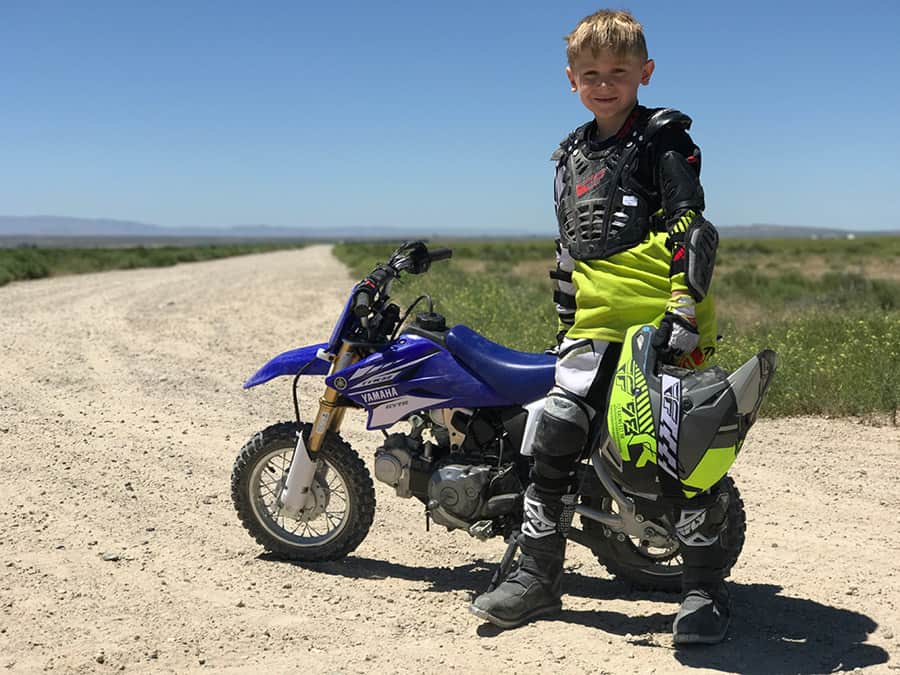
Exploring the Pace of 50cc Dirt Bikes
When we talk about 50cc dirt bikes, we’re often looking at the entry-level machines for young riders or smaller, nimble off-road vehicles. The question of how fast can a 50cc dirt bike go is a common one for parents, new riders, and even those considering them for light recreational use. While they aren’t built for speed demon antics, their capabilities are perfectly suited for their intended purpose.
What Determines a 50cc Dirt Bike’s Speed?
Several elements play a significant role in the 50cc dirt bike top speed. It’s not just about the engine’s displacement. Think of it like a recipe; many ingredients contribute to the final dish.
Here are the key factors that influence how fast a 50cc dirt bike can go:
-
Engine Type and Design: The core of any motorcycle is its engine. For 50cc dirt bikes, we most commonly see either two-stroke or four-stroke engines.
- 50cc 2-stroke dirt bike speed: Two-stroke engines are generally known for their quick acceleration and lighter weight. They achieve power by completing the power cycle in two piston strokes. This often translates to a snappier, more responsive feel, and can sometimes result in a slightly higher top speed for a given displacement compared to a four-stroke, though this isn’t always the case. They tend to rev higher and produce more power in a narrower RPM band.
- 50cc 4-stroke dirt bike speed: Four-stroke engines complete the power cycle in four piston strokes. They are typically smoother, more fuel-efficient, and have a broader powerband, meaning they deliver usable power across a wider range of engine speeds. While they might not have the immediate “punch” of a two-stroke, they can often maintain speed more consistently and are easier for beginners to manage due to their predictable power delivery. The 50cc 4-stroke dirt bike speed will depend heavily on its tuning and gearing.
-
Rider Weight and Skill: The weight of the rider is a direct factor. A lighter rider will allow the bike to accelerate and reach higher speeds more easily than a heavier rider. A rider’s skill also matters; a skilled rider can keep the bike in its optimal power band, maximizing its performance.
-
Terrain and Conditions: A smooth, flat, paved surface will allow a 50cc dirt bike to reach its maximum potential. However, on rough, bumpy, or muddy terrain, speed will be significantly reduced. Uphill climbs will also drastically lower the bike’s speed.
-
Gearing: The gear ratios in the transmission are crucial. A bike geared for quick acceleration will have lower top-end speed, while a bike geared for higher speeds will take longer to get there. For 50cc bikes, gearing is often set up for low-end torque to help young riders get going and manage inclines.
-
Tire Pressure and Type: Properly inflated tires reduce rolling resistance, allowing for slightly higher speeds. The type of tire (knobby for off-road, smoother for lighter trail use) also plays a minor role.
-
Maintenance and Condition: A well-maintained bike with a clean carburetor, good spark plug, and proper oil levels will perform better and potentially achieve higher speeds than a neglected one.
-
Modifications: Aftermarket parts like exhaust systems, performance air filters, and carburetor upgrades can increase 50cc engine performance and, consequently, the 50cc motorcycle top speed. However, these are less common for the very youngest riders and are usually seen on slightly larger, more performance-oriented 50cc bikes.
50cc Dirt Bike Top Speed: A Closer Look
Let’s break down the 50cc dirt bike top speed more granularly. It’s important to remember that these figures are general estimates and can vary considerably.
-
Beginner/Children’s 50cc Dirt Bikes: These are designed with safety and ease of use as top priorities. They often have speed limiters (like throttle restrictors) to prevent young riders from going too fast. Their typical 50cc dirt bike top speed is usually in the 15-20 mph (24-32 km/h) range. These are perfect for teaching basic riding skills.
-
More Advanced 50cc Dirt Bikes: Some models, particularly those marketed as youth performance bikes or for older children and smaller adults, may not have restrictive limiters and can achieve higher speeds. For these, the 50cc dirt bike top speed can push towards 25-30 mph (40-48 km/h).
-
50cc Pit Bike Speed: Pit bikes, often used for recreational purposes or around race tracks, can also fall into the 50cc category. The 50cc pit bike speed can be quite lively due to their smaller size and often lighter construction. They might reach similar speeds to more advanced 50cc dirt bikes, again around the 25-30 mph mark, sometimes slightly more if modified or ridden by a very light rider.
-
50cc Mini Bike Speed: The term “mini bike” is broad, but 50cc versions, especially those on smaller wheels, can be surprisingly zippy. Their 50cc mini bike speed can also be in the 20-30 mph range. The smaller wheels can mean quicker acceleration but might limit top-end speed compared to bikes with larger wheels.
-
50cc Trail Bike Speed: A 50cc trail bike is designed for gentle off-road excursions. The 50cc trail bike speed is usually moderate, focusing on usability on trails rather than outright speed. Expect speeds in the 15-25 mph range, prioritizing control and stability.
Dirt Bike Engine Size and Speed: A Broader Perspective
When considering dirt bike engine size speed, it’s a general rule that larger engines produce more power and can achieve higher speeds. A 50cc engine is at the very low end of the spectrum for dirt bikes.
- 70cc-110cc: These bikes typically see speeds in the 30-45 mph range.
- 125cc: These are very popular for beginners and can hit 45-60 mph.
- 250cc: Performance increases significantly, with speeds often reaching 55-75 mph.
- 450cc and larger: These are for experienced riders and can exceed 70-80 mph, with some racing models pushing much higher.
So, while a 50cc dirt bike’s speed is modest in the grand scheme of motorcycles, it’s perfectly appropriate for its intended audience and use.
The 50cc Engine Performance: What to Expect
The 50cc engine performance is primarily characterized by its usability for smaller riders. These engines are designed to be forgiving and easy to manage.
- Torque: They offer enough torque to get a rider moving from a standstill and to climb modest inclines without bogging down.
- Horsepower: Horsepower figures are generally low, usually in the 2-5 horsepower range. This is more than enough for the bike’s intended purpose and speed capabilities.
- Smoothness: Four-stroke 50cc engines, in particular, provide a very smooth power delivery, which is ideal for riders who are still developing their throttle control.
50cc Off-Road Bike Speed: Real-World Applications
The 50cc off-road bike speed is tailored for learning and fun in a controlled environment. These bikes are usually ridden on:
- Backyards and fields: Where speed is not the primary concern.
- Beginner motocross tracks: Designed for youth riders.
- Gentle trails: Offering a taste of off-road adventure.
In these settings, the 50cc off-road bike speed is more than adequate to provide an exciting experience without overwhelming a new rider. The focus is on maneuverability, balance, and learning throttle and brake control.
50cc 2-Stroke vs. 4-Stroke Speed Nuances
The difference in 50cc 2-stroke dirt bike speed and 50cc 4-stroke dirt bike speed isn’t always a vast chasm, especially at this displacement.
- Two-strokes might feel quicker off the line due to their power delivery characteristics. They often have a “hit” in their powerband.
- Four-strokes might feel more consistent throughout their rev range and can be easier to keep at a steady pace.
Ultimately, for a 50cc engine, the difference in top speed between a well-tuned two-stroke and a four-stroke of the same displacement is often marginal. The more significant differentiators are the riding feel and maintenance requirements.
Factors Affecting the 50cc Motorcycle Top Speed
Let’s reiterate and expand on what can influence the 50cc motorcycle top speed:
- Altitude: Higher altitudes have thinner air, meaning less oxygen for combustion. This reduces engine power and, consequently, top speed.
- Temperature: Extremely hot or cold temperatures can also affect engine performance.
- Carburetor Tuning: A correctly jetted carburetor is essential for optimal performance. Incorrect jetting can lead to a rich (too much fuel) or lean (too little fuel) mixture, both of which reduce power and speed.
- Exhaust System: A restrictive exhaust can hinder performance. A less restrictive, aftermarket exhaust might offer a slight increase in speed, but often at the expense of low-end torque or sound compliance.
- Air Filter: A clean air filter allows the engine to breathe properly. A clogged filter restricts airflow and reduces power.
Speed and Safety: A Crucial Combination
For any dirt bike engine size speed, safety is paramount. This is especially true for 50cc bikes, which are often ridden by children.
- Protective Gear: Always wear a helmet, goggles, gloves, long pants, and a long-sleeved shirt.
- Supervision: Young riders should always be supervised by an experienced adult.
- Safe Riding Areas: Ride only in designated areas, away from traffic and hazards.
- Speed Limiters: Many 50cc dirt bikes come with adjustable throttle stops or governor settings that limit the bike’s maximum speed. These are invaluable tools for controlling the pace as a rider gains confidence and skill.
Typical 50cc Dirt Bike Speed Capabilities
Here’s a general overview of what you might expect from various types of 50cc bikes:
| Bike Type | Typical Top Speed (mph) | Typical Top Speed (km/h) | Primary Use | Notes |
|---|---|---|---|---|
| Beginner 50cc Dirt Bike | 15 – 20 | 24 – 32 | Learning, basic skills, young riders | Often has speed limiters. |
| Advanced 50cc Dirt Bike | 25 – 30 | 40 – 48 | Youth competition, more experienced riders | May have more performance-oriented tuning. |
| 50cc Pit Bike | 20 – 30 | 32 – 48 | Recreational, around tracks, light trails | Varies greatly with wheel size and suspension. |
| 50cc Mini Bike | 20 – 30 | 32 – 48 | Recreational, small spaces | Smaller wheels can lead to quicker acceleration. |
| 50cc Trail Bike | 15 – 25 | 24 – 40 | Light trail riding, beginner off-roading | Focus on stability and ease of control. |
| Modified 50cc (Race Spec) | 30 – 40+ | 48 – 64+ | Youth motocross racing, specialized use | Engine tuning, exhaust, and gearing modifications involved. |
Fathoming the 50cc Engine Performance for Young Riders
For a child just starting out, the 50cc engine performance is about learning, not adrenaline. The power delivery is gentle and predictable, making it easier to get a feel for how the throttle, brakes, and clutch (if present) work together.
- Throttle Response: A smooth throttle is key. Too abrupt a response can be startling and lead to loss of control.
- Powerband: Even at 50cc, there’s a range where the engine feels strongest. For beginners, it’s more about finding that manageable sweet spot rather than maximizing peak power.
- Durability: These engines are typically built to be robust and forgiving of beginner mistakes.
Common Misconceptions About 50cc Speed
It’s easy to think of “dirt bike” and immediately imagine high speeds. However, with a 50cc engine, that’s not the case.
- Not for Adults: While a very light adult might be able to move a 50cc bike around, it’s not designed for adult riding. The suspension, ergonomics, and engine power are all scaled for children or very small, light riders.
- Speed vs. Capability: The 50cc dirt bike top speed is limited by design. The focus is on learning to ride an off-road motorcycle safely. Modifying them for higher speeds can compromise their intended use and introduce unnecessary risk for young riders.
Legal Considerations for 50cc Bikes
Depending on your location, there may be specific laws regarding where and how you can ride a 50cc dirt bike.
- Age Restrictions: Often tied to licensing or registration requirements.
- Off-Road Use: Typically, these bikes are classified as off-road vehicles and cannot be ridden on public roads unless they have been street-legalized, which is rare for 50cc dirt bikes.
- Helmet Laws: Most jurisdictions mandate helmet use for riders of all ages on motorized two-wheelers.
Maintenance for Optimal 50cc Performance
To ensure your 50cc dirt bike runs at its best and achieves its potential 50cc engine performance, regular maintenance is essential.
- Oil Changes: Crucial for both two-stroke and four-stroke engines.
- Air Filter Cleaning: A clean air filter makes a big difference.
- Spark Plug: Check and clean or replace the spark plug as needed.
- Chain Lubrication and Adjustment: Keeps the drivetrain running smoothly.
- Carburetor Cleaning: Ensures proper fuel mixture.
- Tire Pressure: Maintain correct pressure for safety and performance.
Frequently Asked Questions (FAQ)
Q1: What is the average top speed of a 50cc dirt bike?
A1: The average top speed for a 50cc dirt bike is generally between 15 to 30 miles per hour (24 to 48 km/h), with variations based on the specific model, rider weight, and terrain.
Q2: Can a 50cc dirt bike be ridden by an adult?
A2: While a very light adult might be able to physically ride a 50cc dirt bike, they are not designed for adult riders. The size, suspension, and engine power are intended for children.
Q3: Are 50cc dirt bikes fast?
A3: Compared to larger motorcycles, 50cc dirt bikes are not considered fast. Their speed is modest and appropriate for beginner riders and learning essential skills.
Q4: How much horsepower does a 50cc dirt bike have?
A4: Typically, a 50cc dirt bike engine produces between 2 to 5 horsepower.
Q5: Is a 50cc 2-stroke or 4-stroke faster?
A5: For a 50cc engine, the difference in top speed between a 2-stroke and a 4-stroke is often minimal. 2-strokes tend to have quicker acceleration and a more aggressive power delivery, while 4-strokes are usually smoother and more predictable.
Q6: Can you modify a 50cc dirt bike to go faster?
A6: Yes, modifications like exhaust upgrades, carburetor tuning, and air filter changes can increase 50cc engine performance and speed. However, for young riders, maintaining controlled speeds is crucial for safety.
Q7: What factors affect the 50cc pit bike speed?
A7: Similar to other 50cc dirt bikes, 50cc pit bike speed is influenced by rider weight, terrain, gearing, maintenance, and any modifications made to the engine or exhaust.
Q8: Is a 50cc trail bike suitable for off-road riding?
A8: Yes, a 50cc trail bike is designed for light off-road use, offering a stable and manageable experience for beginners on trails and uneven terrain.
In conclusion, the speed of a 50cc dirt bike is a carefully calibrated aspect of its design, prioritizing safety and learnability for new riders. While the 50cc dirt bike top speed might seem modest, it represents a significant step into the world of off-road riding for many, offering a platform for developing skills and experiencing the joy of two-wheeled adventure.