
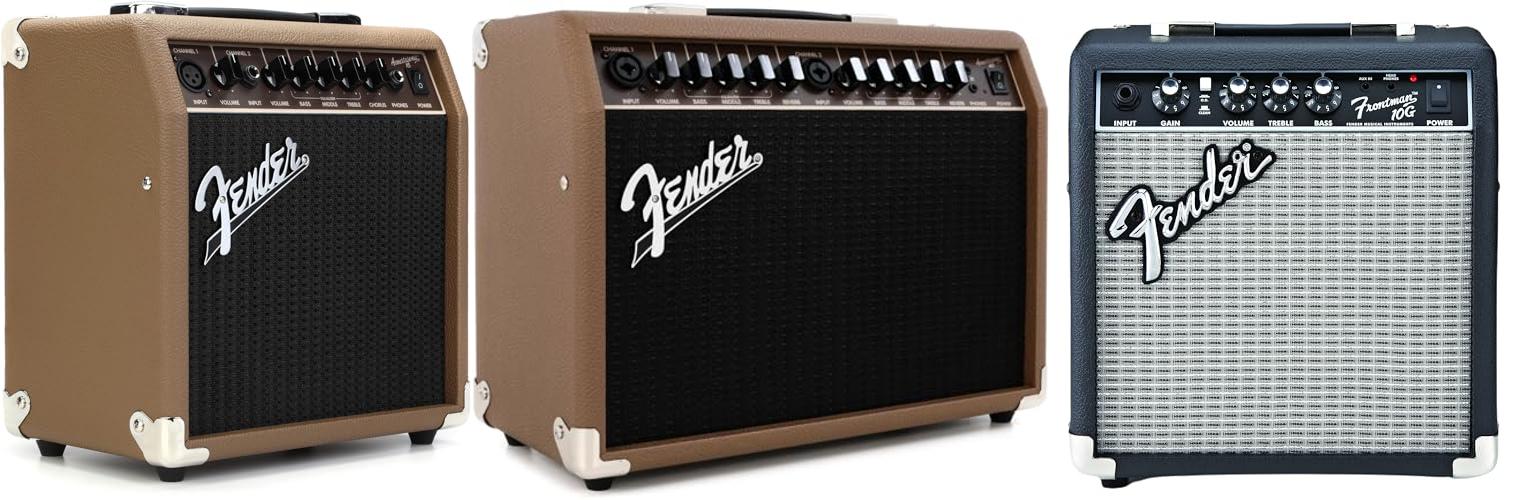
Ever plugged in your beautiful acoustic guitar and heard a thin, lifeless sound come out? It’s a common problem for many players. You’ve invested in a great instrument, but without the right amp, its true voice stays hidden.
Choosing an acoustic guitar amp can feel like navigating a maze. There are so many brands, models, and features to consider. You might wonder about the difference between a small practice amp and a powerful stage amp, or what “phantom power” even means! It’s easy to feel overwhelmed and unsure if you’re making the best choice for your sound and your budget.
But don’t worry! This guide is here to help. We’ll break down the confusing jargon, explain the essential features, and point you toward amps that will make your acoustic guitar sing. By the end, you’ll know exactly what to look for and feel confident picking out the perfect amp to bring your music to life.
Our Top 5 Acoustic Guitar Amp Recommendations at a Glance
Top 5 Acoustic Guitar Amp Detailed Reviews
1. Fender Acoustasonic Guitar Amp for Acoustic Guitar

Rating: 8.6/10
The Fender Acoustasonic Guitar Amplifier is a fantastic choice for any acoustic guitarist looking for a reliable and versatile amp. This 15-watt amp packs a punch for its size, making it great for practice sessions, small gigs, or even recording. Its compact dimensions (11.5H x 11.19W x 7.13D inches) mean it won’t take up much space, and the attractive tan finish looks good anywhere.
What We Like:
- The dual front-panel inputs are super handy. You can plug in your guitar and a microphone at the same time, perfect for singer-songwriters.
- It features a unique “whizzer” cone on its 6-inch speaker. This special cone helps add clarity and sparkle to your acoustic sound.
- The amp is lightweight and portable, so you can easily take it with you wherever you go.
- A headphone output is included, which is awesome for practicing without disturbing anyone.
- It comes with a 2-year limited warranty, giving you peace of mind about its quality.
What Could Be Improved:
- For louder performances, 15 watts might not be enough.
- The 6-inch speaker, while good for its size, may not provide the deep bass response some players desire.
Overall, the Fender Acoustasonic 15 is a solid and well-built amplifier that offers great features for its price point. It’s an excellent option for musicians who need a portable and dependable amp for their acoustic instruments.
2. Fender Acoustasonic Guitar Amp for Acoustic Guitar

Rating: 8.7/10
The Fender Acoustasonic Guitar Amplifier is a powerful and versatile amp built for acoustic instruments. It packs 40 watts of clean power, perfect for practice or small gigs. This amp has a unique feature: a “whizzer” cone on its 6-inch speakers. This small cone helps produce brighter, more detailed sound. You can also add extra sparkle to your playing with the built-in chorus effect and a lovely reverb. It’s designed to sound great and be easy to use, all wrapped up in a classic brown and wheat finish.
What We Like:
- The 40-watt power is enough for many playing situations.
- Dual front-panel inputs let you plug in both your guitar and a microphone.
- The built-in chorus effect adds nice texture to your sound.
- The reverb creates a sense of space and depth.
- The “whizzer” cone helps deliver a clear and bright tone.
- It comes with a 2-year limited warranty for peace of mind.
What Could Be Improved:
- The 6.5-inch speakers might not be enough for very large venues.
- The reverb and chorus effects are built-in, so you can’t swap them out for different ones.
This Fender Acoustasonic amp is a solid choice for any acoustic musician. It offers great sound quality and useful features in a compact package.
3. Fender Frontman 10G Guitar Amp

Rating: 9.0/10
The Fender Frontman 10G Guitar Amp is a fantastic choice for beginners and practice sessions. This 10-watt amp is small enough to fit anywhere and packs a punch with its quality sound. It’s built by Fender, a name you can trust in music gear, and even comes with a 2-year warranty.
What We Like:
- It’s compact and lightweight, making it easy to move around.
- The 6-inch Fender Special Design speaker produces clear and versatile tones, perfect for many music styles from blues to rock.
- You get lots of control over your sound with knobs for gain, volume, treble, and bass.
- The overdrive switch lets you easily switch to a rockier sound.
- Its closed-back design gives you a fuller, deeper bass sound.
- It comes with a 2-year limited warranty, which shows Fender’s confidence in its quality.
What Could Be Improved:
- While great for practice, it might not be loud enough for playing with a full band.
- Some players might want more advanced features for professional use.
For anyone starting their guitar journey or needing a reliable practice amp, the Fender Frontman 10G is a solid and affordable option. Its ease of use and Fender’s quality build make it a smart buy.
4. Fishman Loudbox Micro 40-watt 1 x 5.25-inch Acoustic Guitar Amplifier

Rating: 8.8/10
The Fishman Loudbox Micro 40-watt 1 x 5.25-inch Acoustic Guitar Amplifier is a fantastic little amp for any acoustic player. It packs a punch for its size and is super handy for practice, small gigs, or even just jamming with friends. This amp is built to make your acoustic guitar sound its best, clear and loud.
What We Like:
- It has two channels, so you can plug in your guitar and a microphone at the same time.
- The built-in effects add cool sounds to your playing.
- It has feedback suppression, which stops that annoying squealing noise.
- It’s a solid-state amp, meaning it’s reliable and doesn’t need tubes.
- The 40 watts of power is enough for many different situations.
- The 5.25-inch speaker delivers a good sound.
What Could Be Improved:
- The 5.25-inch speaker might not be big enough for very large venues.
- While it has effects, some players might want more advanced options.
This amp is a great companion for any acoustic musician. It offers excellent features for its price point and is easy to take anywhere you want to play.
5. Yuer BA-10Pro 10W Acoustic Guitar Amp

Rating: 9.1/10
Unleash your inner musician anywhere with the Yuer BA-10Pro 10W Acoustic Guitar Amp. This compact powerhouse lets you sing and play your guitar simultaneously, making it perfect for practice, travel, or even small performances. It’s designed to make playing music easy and accessible for everyone.
What We Like:
- Dual input ports allow you to plug in both your guitar and a dynamic microphone, so you can sing and play at the same time.
- Built-in digital reverb for vocals and delay for guitar add professional flair to your sound.
- The vocal cut feature helps you improve your singing by isolating the instrumental track.
- OTG recording lets you easily record your performances on your phone or laptop.
- Wireless Bluetooth connectivity streams music from your devices effortlessly.
- It’s super portable, weighing only 1.32 lbs, and comes with a handy carry bag.
- The long-lasting rechargeable battery provides 4-8 hours of playtime.
- A headphone jack is included for silent practice sessions.
- AUX input lets you play along with external audio sources.
- Yuer offers a 12-month guarantee and 24/7 customer service for peace of mind.
What Could Be Improved:
- The black USB-C cable is only for OTG recording, not for charging the amp, which might be confusing.
- The microphone input is specifically for dynamic microphones, so condenser mics won’t work.
The Yuer BA-10Pro is a fantastic all-in-one amp for musicians on the go. Its blend of features and portability makes it a strong contender for anyone looking to practice, record, or simply have fun with their music anywhere, anytime.
Choosing Your Perfect Acoustic Guitar Amp
So, you’ve got your acoustic guitar, and you’re ready to let its beautiful sound fill the room, or maybe even a small stage. But to really hear that magic, you need an amplifier. Think of it like a speaker for your guitar, but one specifically designed to make your acoustic sound its best. This guide will help you pick the right one.
1. Key Features to Look For
When you’re shopping for an acoustic guitar amp, keep these important features in mind:
- Power Output (Watts): This tells you how loud the amp can get. For practicing at home or playing in a small room, 20-50 watts is usually plenty. If you plan to play with a band or in bigger spaces, you might want 100 watts or more.
- Number of Channels: Some amps have one channel, meaning you can plug in one instrument. Others have two or more channels. This is great if you want to plug in your guitar and a microphone to sing along, or if you want to plug in two guitars.
- EQ Controls: EQ stands for equalization. These controls let you adjust the bass (low sounds), middle, and treble (high sounds) of your guitar’s tone. Good EQ controls give you a lot of control over how your guitar sounds.
- Effects: Many acoustic amps come with built-in effects like reverb (makes the sound echoey and spacious) or chorus (makes the sound thicker and richer). These can add a lot of flavor to your playing.
- Inputs and Outputs: Look for an aux input to play along with music from your phone or MP3 player. A headphone jack is useful for quiet practice. Some amps also have an XLR output to connect to a larger sound system.
- DI Output: This stands for Direct Input. It’s a special output that sends a clean signal from your amp to a mixer or recording device, bypassing the amp’s speakers. This is really helpful for live performances and recording.
2. Important Materials
The materials used in an amp can affect its sound and durability.
- Cabinet Material: Most acoustic amp cabinets are made of wood, often plywood. High-quality plywood gives a solid sound and is tough. Particleboard or MDF can be cheaper but don’t sound as good and might not last as long.
- Speaker Cone: The speaker cone is what actually makes the sound. Different materials create different tones. Some amps use paper cones, which often produce a warm sound. Others use synthetic materials that can be more durable and offer a clearer, brighter tone.
3. Factors That Improve or Reduce Quality
Acoustic guitar amps vary in quality. Here’s what makes a difference:
What Makes an Amp Sound Better:
- Speaker Size and Quality: Larger speakers, like 10-inch or 12-inch ones, generally produce a fuller sound with better bass response. High-quality speakers are designed to reproduce your guitar’s natural tone accurately.
- Amplifier Design: Some amps use different types of amplification. Solid-state amps are common, reliable, and often more affordable. Tube amps, while less common for acoustic guitars, can offer a very warm and rich sound.
- Build Quality: A well-built amp feels solid. The controls should work smoothly, and the speaker should be securely mounted.
What Can Make an Amp Sound Worse:
- Cheap Components: Using lower-quality electronic parts can lead to a muddy or noisy sound.
- Poor Cabinet Construction: A flimsy cabinet can vibrate and color the sound in an undesirable way.
- Underpowered Speakers: If a speaker is too small or not powerful enough for the amp’s output, it can distort easily.
4. User Experience and Use Cases
How you plan to use your amp greatly influences your choice.
For the Home Player:
If you’re just practicing in your bedroom or playing for family, a smaller, lower-wattage amp (20-50 watts) with a good EQ and maybe some basic effects is perfect. Portability is also a plus, so you can easily move it around your house.
For the Gigging Musician:
If you play at coffee shops, small clubs, or open mic nights, you’ll need more power. Look for 100 watts or more, multiple channels (especially if you sing), and a DI output for connecting to the venue’s sound system. Durability is also important for a gigging amp.
For Recording:
For recording, you want an amp that captures your guitar’s natural tone. A DI output is essential for sending a clean signal to your recording software. Some amps also have USB outputs for direct recording.
For Beginners:
Beginners should look for amps that are easy to use, sound good without a lot of fiddling, and are budget-friendly. A simple design with essential features like volume, EQ, and perhaps a touch of reverb is ideal.
Frequently Asked Questions (FAQ)
Q: What is the most important feature for an acoustic guitar amp?
A: The most important feature depends on how you plan to use it, but generally, good sound quality and enough power for your needs are key.
Q: Do I really need a DI output?
A: You need a DI output if you plan to connect your amp to a larger sound system for live performances or for professional recording. It sends a clean signal directly.
Q: Can I use an electric guitar amp for my acoustic?
A: It’s not ideal. Electric guitar amps are designed to color the sound, and they might not reproduce the natural, clear tone of an acoustic guitar well. Acoustic amps are built to be transparent.
Q: How many watts do I need for playing with a band?
A: For playing with a band, you’ll usually need at least 100 watts, and possibly more, to be heard over the other instruments.
Q: What is the difference between a solid-state and a tube amp for acoustic guitars?
A: Solid-state amps are more common, reliable, and affordable. Tube amps can offer a warmer, richer tone but are less common for acoustic guitars and are usually more expensive.
Q: How do effects like reverb help my acoustic guitar sound?
A: Reverb adds a sense of space and depth to your sound, making it sound richer and more pleasant, like you’re playing in a larger room.
Q: Is a bigger speaker always better?
A: Larger speakers (like 12-inch) generally produce a fuller sound with more bass. Smaller speakers might be lighter and more portable but might not have as much low-end response.
Q: Should I worry about the weight of the amp?
A: If you plan to move your amp often, especially for gigs, weight is an important factor. Smaller, lighter amps are easier to carry.
Q: How can I tell if an amp is good quality just by looking at it?
A: Look for solid construction, smooth-turning knobs, and a well-attached speaker. Brands known for quality often use better materials and have a good reputation.
Q: What’s the best way to test an acoustic guitar amp before buying?
A: Play your own guitar through it! Listen to how clear and natural your guitar sounds. Try out the EQ and any built-in effects. If possible, play it at a volume similar to how you’ll use it.
In conclusion, every product has unique features and benefits. We hope this review helps you decide if it meets your needs. An informed choice ensures the best experience.
If you have any questions or feedback, please share them in the comments. Your input helps everyone. Thank you for reading.