
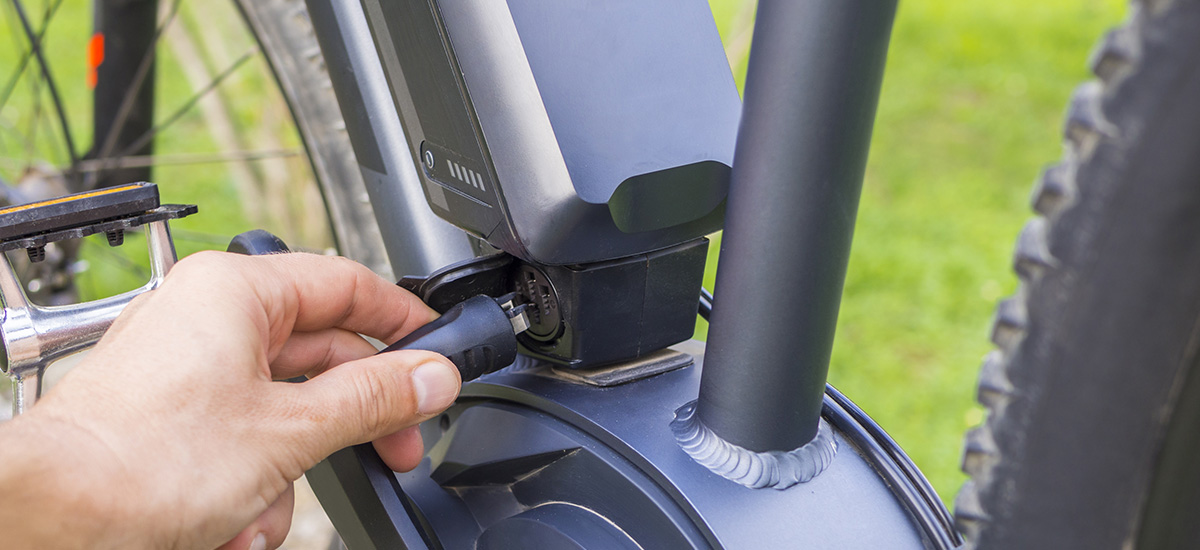
Image Source: electricbikereport.com
Electric Bike Charging Cost: How Much?
Charging an electric bike typically costs less than a dollar per charge, often just a few cents. This makes it a very affordable way to power your rides.
Deciphering the Electric Bicycle Electricity Cost
Many people are curious about the electric bike charging cost. As electric bikes, or e-bikes, become more popular, understanding how much it costs to charge them is a key consideration for potential buyers and current owners alike. The good news is that it’s generally very inexpensive. Let’s dive into what influences this cost and how you can estimate it for your own e-bike.
Factors Affecting E-bike Charging Cost
Several factors play a role in determining the cost to charge e-bike batteries. Knowing these will help you get a clearer picture of your electricity expenses.
Battery Capacity and Watt-Hours (Wh)
The size of your e-bike’s battery is a primary driver of charging costs. Batteries are measured in Watt-hours (Wh). A larger battery with more Wh will naturally require more energy to charge.
- Example: A 500Wh battery will take longer and use more electricity than a 300Wh battery to reach a full charge.
Electricity Rates
The price of electricity in your region is a crucial factor. Electricity costs are typically measured in cents per kilowatt-hour (kWh). These rates can vary significantly based on:
- Location: Different states, cities, and even utility providers have different pricing structures.
- Time of Use: Some utility companies offer lower rates during off-peak hours (e.g., late at night) and higher rates during peak hours (e.g., late afternoon).
Battery Efficiency and Charger Efficiency
Not all the electricity that comes out of your wall outlet makes it into your battery. Both the e-bike battery itself and its charger have efficiencies that can affect the total energy consumed.
- Battery Management System (BMS): The BMS protects the battery from overcharging, overheating, and other issues. It also plays a role in how efficiently the battery charges.
- Charger Efficiency: Most chargers are quite efficient, but some energy is lost as heat during the charging process.
Frequency of Charging
The more often you charge your e-bike, the higher your overall electricity costs will be. However, the cost per charge remains the same.
Calculating Your E-bike Charging Price
To get a precise idea of your e-bike charging price, you can do a simple calculation.
Formula:
(Battery Capacity in Wh / 1000) * (Electricity Rate in $/kWh) * (Charger Efficiency Factor) = Cost Per Charge
Let’s break this down with an example.
Example Calculation
Assume:
- E-bike Battery Capacity: 500 Wh
- Electricity Rate: $0.15 per kWh
- Charger Efficiency Factor: 1.1 (meaning 10% energy loss)
Steps:
- Convert Wh to kWh: 500 Wh / 1000 = 0.5 kWh
- Calculate Energy Used (including loss): 0.5 kWh * 1.1 = 0.55 kWh
- Calculate Cost Per Charge: 0.55 kWh * $0.15/kWh = $0.0825
So, in this example, the cost to charge e-bike would be approximately 8.25 cents per charge.
Estimating the Average Cost to Charge an Electric Bike
Based on typical e-bike battery sizes and average electricity rates across many regions, the average cost to charge an electric bike is remarkably low. Most e-bike batteries range from 300Wh to 700Wh. When you factor in the average electricity cost of around $0.15 per kWh, a full charge often falls into the range of $0.05 to $0.15.
This means that powering your e-bike for hundreds of miles might cost less than a cup of coffee.
E-bike Battery Charging Cost: What to Expect
The e-bike battery charging cost is a significant advantage of owning an electric bicycle. Compared to the cost of gasoline for a motorcycle or car, or even the wear and tear on a traditional bicycle’s components from strenuous riding, charging an e-bike is incredibly economical.
Charging an E-bike at Home Cost
The vast majority of e-bike owners charge their bikes at home. This is the most convenient and cost-effective method. Charging an e-bike at home cost is simply the cost of the electricity used, as we’ve detailed above. There are no additional fees involved.
Cost of Charging Electric Scooter vs. E-bike
While this article focuses on e-bikes, it’s worth noting that the cost of charging electric scooter models is very similar. Electric scooters also use rechargeable batteries, and the principles of calculating charging costs—battery capacity, electricity rates, and efficiency—apply equally. The primary difference would be the average battery size and any specific charger efficiencies.
Electricity Cost Per Charge E-bike: Real-World Scenarios
Let’s look at a few more real-world scenarios to illustrate the electricity cost per charge e-bike:
Scenario 1: Low Electricity Rate, Small Battery
- Battery Capacity: 300Wh
- Electricity Rate: $0.10 per kWh
-
Charger Efficiency Factor: 1.1
-
Calculation: (300Wh / 1000) * $0.10/kWh * 1.1 = $0.033 per charge (3.3 cents)
Scenario 2: High Electricity Rate, Large Battery
- Battery Capacity: 700Wh
- Electricity Rate: $0.25 per kWh
-
Charger Efficiency Factor: 1.1
-
Calculation: (700Wh / 1000) * $0.25/kWh * 1.1 = $0.1925 per charge (19.25 cents)
As you can see, even in a scenario with higher electricity costs and a larger battery, the price per charge remains very low.
E-bike Charging Price: Maximizing Savings
To keep your e-bike charging price as low as possible, consider these tips:
- Charge During Off-Peak Hours: If your utility provider offers time-of-use rates, charge your e-bike overnight when electricity is cheapest.
- Maintain Your Battery: Proper battery care can extend its lifespan and ensure it charges efficiently. Avoid extreme temperatures and fully discharging the battery regularly.
- Use the Original Charger: E-bike manufacturers design their chargers to be efficient and compatible with their specific batteries. Using third-party chargers might lead to lower efficiency or even battery damage.
- Check for Energy-Saving Modes: Some e-bikes and their chargers might have energy-saving features. Consult your e-bike’s manual.
E-bike Battery Charging Cost: Long-Term Value
When you consider the e-bike battery charging cost in the context of the overall cost of ownership, it’s incredibly low. For example, if you ride your e-bike daily and charge it, you could potentially ride for an entire year for less than the cost of a few tanks of gas for a car.
The low electricity consumption makes e-bikes a sustainable and budget-friendly transportation option.
Frequent Questions About E-bike Charging Costs
Here are some common questions people have about the cost to charge e-bike batteries:
Q1: How long does it take to charge an electric bike?
A: Charging times vary depending on battery size and the charger’s output. Most e-bike batteries take between 4 to 8 hours for a full charge. Some fast chargers can reduce this time.
Q2: Can I charge my e-bike using a standard wall outlet?
A: Yes, e-bikes come with chargers that plug into standard household outlets (110V or 220V depending on your region).
Q3: Do I need to charge my e-bike battery every night?
A: It’s generally not necessary to charge your battery every single night unless you’ve used a significant portion of its capacity. It’s often better for battery health to charge it when it’s around 20-30% remaining, rather than letting it drain completely or always topping it off.
Q4: Does the weather affect my e-bike charging cost?
A: Extreme temperatures can affect battery performance and charging efficiency, but the direct cost of electricity charged typically isn’t impacted by the weather itself, only by your electricity provider’s rates.
Q5: Is charging an e-bike bad for the environment?
A: E-bikes are significantly more environmentally friendly than gasoline-powered vehicles. The electricity used for charging can be sourced from renewable energy, further reducing the environmental impact.
Q6: What if my electricity bill shows a significant increase after buying an e-bike?
A: This is highly unlikely given the low energy consumption. If you notice an unusual increase, it’s more probable that another appliance or a change in your general electricity usage is the cause. Double-check your meter readings and other household energy usage.
Q7: What does “electricity cost per charge e-bike” really mean?
A: It refers to the monetary cost incurred from your electricity provider to fully recharge your e-bike’s battery, based on the battery’s capacity and your local electricity rates.
Q8: Are there any hidden costs associated with charging?
A: No, the electric bike charging cost is primarily just the electricity consumption. There are no special adapters or subscriptions usually required, assuming you use the manufacturer-provided charger.
Q9: How does the cost of charging an e-bike compare to charging an electric car?
A: Charging an e-bike is vastly cheaper per mile than charging an electric car due to the much smaller battery size. An electric car battery can be 50-100 times larger than an e-bike battery.
Q10: Can I charge my e-bike at public charging stations?
A: While not as common as electric car charging stations, some bike shops or public areas might offer charging facilities. The cost, if any, would depend on the provider. However, charging an e-bike at home cost remains the most practical and economical option.
Conclusion: The Economic Appeal of E-bikes
The electric bike charging cost is a compelling reason to consider making the switch to electric cycling. With costs typically measured in cents per charge, e-bikes offer an incredibly affordable and eco-friendly mode of transportation. By understanding the factors that influence the cost to charge e-bike batteries and by employing a few simple saving tips, you can ensure your e-bike remains a budget-friendly companion for your daily commute and recreational rides. The e-bike charging price is one of the many aspects that make these vehicles so appealing in today’s world.