
Are you dreaming of opening a bike shop? Yes, you can start a bike shop by creating a solid business plan, securing funding, finding a prime location, building a strong brand, and providing excellent customer service. This guide will walk you through every step of starting your own bicycle store.
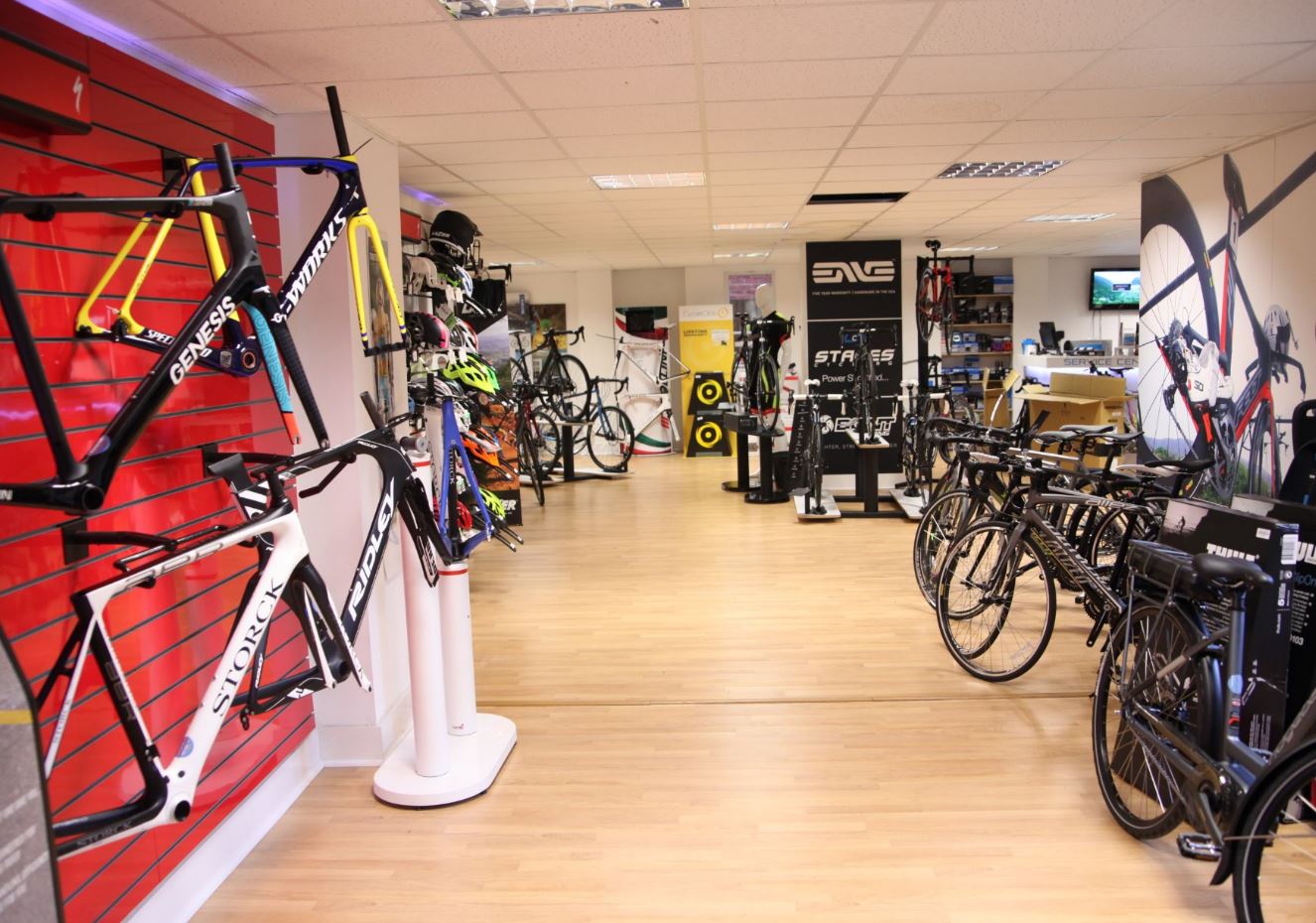
Image Source: cyclingindustry.news
Laying the Foundation: Your Bike Shop Business Plan
Starting any business requires a clear roadmap, and a well-crafted bike shop business plan is your essential first step. This document is more than just a formality; it’s the blueprint for your entire venture. It forces you to think critically about every aspect of your bicycle store startup, from your initial vision to your long-term goals.
Defining Your Vision and Mission
What kind of bike shop do you want to be? Will you focus on high-end road bikes, durable mountain bikes, family-friendly cruisers, or a mix of everything? Your vision should encapsulate the core purpose of your business. Your mission statement should clearly articulate what you aim to achieve for your customers and your community.
Market Analysis: Knowing Your Terrain
Before you even think about buying bike shop equipment, you need to know your market.
- Target Audience: Who are you trying to reach? Are they serious athletes, casual commuters, families, or a specific niche group?
- Competition: Identify other bike shops in your area. What are they doing well? Where are their weaknesses? How can you differentiate yourself?
- Market Trends: Stay informed about what’s happening in the cycling industry. Are e-bikes booming? Are gravel bikes gaining popularity? Understanding these trends is crucial for stocking the right bike shop inventory.
Your Products and Services: What Will You Offer?
This is where you detail what you’ll sell and do.
- Bicycles: What types of bikes will you carry? What brands will you represent? Consider offering a range of price points.
- Accessories: Helmets, lights, locks, pumps, clothing, repair tools – these are essential additions.
- Parts: Tubes, tires, chains, brakes, and other components for repairs and upgrades.
- Bicycle Repair Services: This is often a significant revenue stream for a small business bike shop. Will you offer basic tune-ups, complex overhauls, or specialized services like suspension servicing?
- Other Services: Bike fitting, custom builds, guided rides, or workshops can add value.
Operational Plan: The Nuts and Bolts
How will your shop run day-to-day?
- Location: Crucial for visibility and accessibility.
- Staffing: Who will you hire? What skills will they need?
- Suppliers: Where will you source your bikes and parts? Establishing good relationships with distributors is vital.
- Shop Layout: How will you organize your sales floor, repair area, and storage?
Financial Projections: The Numbers Game
This is arguably the most critical part of your bike shop business plan.
- Startup Costs: Detail everything you’ll need to spend before opening.
- Operating Expenses: Ongoing costs like rent, utilities, salaries, marketing, and insurance.
- Revenue Projections: How much money do you expect to make from sales and services? Be realistic.
- Funding Request: If you need a loan or investment, this section outlines how much you need and how you’ll use it.
Funding Your Dream: Securing the Capital
Opening a bike shop requires capital. Your bike shop business plan will be essential for securing the necessary funds.
Estimating Startup Costs
Here’s a breakdown of common startup expenses for a bicycle store startup:
| Expense Category | Estimated Cost Range | Notes |
|---|---|---|
| Leasehold Improvements | $10,000 – $50,000+ | Renovation, flooring, paint, shelving, signage. |
| Initial Inventory | $30,000 – $150,000+ | Bikes, parts, accessories. Varies greatly by volume. |
| Shop Equipment | $5,000 – $25,000+ | Workstands, tools, diagnostic equipment, computer systems. |
| Point of Sale (POS) System | $1,000 – $5,000 | Hardware and software for sales and inventory tracking. |
| Legal & Licensing | $500 – $2,000 | Business registration, permits, licenses. |
| Insurance | $1,000 – $5,000 (annual) | Liability, property, workers’ compensation. |
| Marketing & Advertising | $2,000 – $10,000 | Initial launch campaign, website, signage. |
| Working Capital | $15,000 – $50,000+ | To cover initial operating expenses before profitability. |
| Contingency Fund | 10-20% of total | For unexpected costs. |
Funding Options
- Personal Savings: Using your own money demonstrates commitment.
- Loans:
- Small Business Administration (SBA) Loans: Often have favorable terms.
- Bank Loans: Traditional business loans.
- Equipment Financing: Loans specifically for purchasing machinery.
- Investors: Angel investors or venture capitalists, though less common for very small small business bike shop ventures.
- Crowdfunding: Can be effective for generating buzz and initial capital.
Location, Location, Location: Choosing Your Spot
The right location is paramount for opening a bike shop. It impacts visibility, accessibility, and your overall success.
Key Considerations for Location
- Foot Traffic and Visibility: Is the location easily seen and accessed by potential customers? Busy streets or retail areas are often ideal.
- Proximity to Cycling Routes: Being close to bike paths, trails, or popular riding areas is a significant advantage.
- Demographics: Does the area align with your target audience?
- Parking and Accessibility: Is there adequate parking for customers, especially those bringing in bikes for repair?
- Rent and Lease Terms: Negotiate favorable lease terms that fit your budget.
- Competition: While you don’t want to be directly next door to a major competitor, being in a retail hub can also draw more bike enthusiasts.
Shop Layout and Design
Once you have a space, how do you make it work for you?
- Sales Floor: Designed to showcase bikes attractively. Consider different zones for road, mountain, casual, etc.
- Repair Area: Needs to be well-lit, organized, and equipped with quality bike shop equipment. Separate it from the sales floor to minimize noise and dust.
- Storage: For inventory, parts, and tools. Keep it organized for efficiency.
- Customer Service Counter: A welcoming space for greetings, transactions, and consultations.
- Fitting Area: If you offer bike fitting services, dedicate a space for this.
Curating Your Inventory: The Heart of the Shop
Your bike shop inventory is what you sell, and it needs to be carefully chosen to meet the demands of your target market.
Bicycle Selection
- Brands: Partner with reputable bicycle brands that offer quality and support.
- Types: Stock a variety of bikes – road, mountain, hybrid, gravel, commuter, kids’ bikes, and potentially electric bikes (e-bikes).
- Price Points: Cater to different budgets, from entry-level to high-performance.
- Sizing: Ensure you have a range of sizes to fit most customers.
Parts and Accessories
- Essential Parts: Tires, tubes, chains, brake pads, shifters, derailleurs, cassettes, pedals.
- Maintenance Supplies: Lubricants, cleaning products, degreasers.
- Riding Gear: Helmets, gloves, cycling apparel (jerseys, shorts), eyewear.
- Accessories: Lights, locks, water bottles, pumps, bike computers, bags, racks.
Managing Your Inventory
- Inventory Management Software: Crucial for tracking stock levels, sales, and reordering. This is a key aspect of effective bicycle retail management.
- Supplier Relationships: Strong relationships with distributors allow for timely deliveries and good pricing.
- Stock Rotation: Use older stock first to avoid obsolescence, especially for fashion items or components that evolve.
- Demand Forecasting: Use sales data to predict what you’ll need in the future.
Essential Bike Shop Equipment
Investing in the right bike shop equipment is vital for efficient operations and professional bicycle repair services.
Repair Tools and Stands
- Professional Workstands: Sturdy stands that hold bikes securely for maintenance.
- Tool Kits: Comprehensive sets of Allen keys, torque wrenches, cassette tools, chain tools, crank pullers, pedal wrenches, spoke wrenches, etc.
- Tire Levers and Pumps: A variety of good quality levers and floor pumps are essential.
- Brake Bleeding Kits: For hydraulic brake systems.
- Cable and Housing Cutters: Clean cuts are important for smooth operation.
- Bottom Bracket Tools: For various types of bottom brackets.
- Headset Tools: For installing and removing headsets.
- Wheel Truing Stands and Dishing Tools: For wheel maintenance.
- Compressed Air System: For cleaning and tire inflation.
Diagnostic and Specialized Equipment
- Bike Fit Tools: Goniometers, measuring tapes, jig systems for professional bike fitting.
- Suspension Service Tools: Specialized kits for servicing front and rear suspension.
- E-bike Diagnostic Tools: If you plan to service e-bikes, you’ll need specific diagnostic computers.
Retail Equipment
- Point of Sale (POS) System: For processing sales, managing inventory, and customer data.
- Computer and Printer: For administrative tasks and printing receipts.
- Security Systems: Alarms and cameras to protect your valuable inventory.
- Display Fixtures: Bike racks, shelving, and wall mounts for showcasing products.
Staffing Your Bike Shop: Building a Great Team
The people who work in your shop are as important as the bikes you sell. Skilled and friendly staff are key to customer satisfaction.
Hiring the Right People
- Mechanics: Look for certified, experienced mechanics with a passion for bikes and problem-solving skills.
- Sales Staff: Seek individuals who are knowledgeable, personable, and have excellent communication skills. They should be passionate about cycling.
- Customer Service Focus: Train all staff to provide a welcoming and helpful experience.
Training and Development
- Technical Training: Encourage mechanics to attend brand-specific training and pursue certifications.
- Sales Training: Teach your sales team about product features, benefits, and how to match customers with the right bikes.
- Product Knowledge: Ensure everyone on staff is up-to-date on new models and technologies in the cycling industry.
Marketing Your Bike Shop: Reaching Your Customers
Effective marketing a bike shop is crucial for attracting customers and building a loyal following.
Branding and Online Presence
- Shop Name and Logo: Create a memorable and professional brand identity.
- Website: A well-designed website with product information, services, hours, and contact details is essential. Consider e-commerce capabilities.
- Social Media: Engage with customers on platforms like Instagram, Facebook, and Strava. Share photos of new bikes, repair tips, and local ride events.
- Search Engine Optimization (SEO): Optimize your website and online listings to appear in local search results for terms like “bike shop near me” or “bicycle repair.”
Local Marketing Strategies
- Community Involvement: Sponsor local cycling events, participate in community fairs, or host workshops.
- Partnerships: Collaborate with local businesses, cycling clubs, or tourism boards.
- Loyalty Programs: Reward repeat customers with discounts or exclusive offers.
- Email Marketing: Build an email list and send out newsletters about new products, sales, and events.
- Local Advertising: Consider local print ads, radio spots, or flyers if they reach your target audience.
Promoting Services
- Highlight Bicycle Repair Services: Emphasize the expertise of your mechanics and the quality of your work.
- Special Offers: Run promotions on tune-ups, accessory bundles, or bike fitting sessions.
- Educational Content: Create blog posts or videos on bike maintenance, riding tips, or choosing the right gear.
Managing Your Bike Shop: Day-to-Day Operations
Efficient bicycle retail management ensures smooth operations and profitability.
Customer Service Excellence
- Friendly and Knowledgeable Staff: This is your first line of defense for customer satisfaction.
- Efficient Repair Turnaround: Communicate realistic timelines for repairs and stick to them.
- Honest and Transparent Pricing: Be upfront about costs for parts and labor.
- Post-Sale Support: Follow up with customers to ensure they are happy with their purchase.
Financial Management
- Bookkeeping: Maintain accurate financial records for income and expenses.
- Budgeting: Track your spending and adjust as needed.
- Cash Flow Management: Ensure you have enough cash on hand to cover your expenses.
- Pricing Strategy: Price your products and services competitively but profitably.
Legal and Compliance
- Business Licenses and Permits: Ensure you have all necessary local and state permits.
- Insurance: Maintain adequate business insurance (liability, property, workers’ compensation).
- Employment Laws: Comply with all labor laws if you have employees.
The Future of Your Bike Shop: Growth and Evolution
The cycling industry is dynamic. To thrive, your small business bike shop needs to adapt and grow.
Expanding Services
- E-bike Sales and Service: As e-bikes continue to grow in popularity, consider specializing in them.
- Bike Fitting: Offer professional bike fitting services for a premium experience.
- Custom Builds: Cater to enthusiasts who want a unique, personalized bike.
- Accessory Subscriptions: Offer curated boxes of cycling accessories.
Building Community
- Group Rides: Organize regular group rides for various skill levels.
- Workshops: Host maintenance clinics, route planning sessions, or nutrition seminars.
- Retail Events: Organize demo days for new bikes or launch parties for new products.
Adapting to Trends
- Stay Informed: Keep up with the latest advancements in bicycle technology, materials, and consumer preferences.
- Be Flexible: Be prepared to adjust your inventory and service offerings based on market changes.
Frequently Asked Questions (FAQ)
How much money does it cost to start a bike shop?
The cost to start a bike shop can vary significantly, but a realistic range for a small shop might be between $50,000 to $150,000 or more, depending on inventory levels, location, and the scope of services offered.
What are the most profitable aspects of running a bike shop?
Typically, profit margins on new bikes can be tight. Profitability often comes from a combination of bicycle sales, a robust bicycle repair services department, and sales of higher-margin accessories like components, apparel, and safety gear.
Do I need to be a mechanic to open a bike shop?
While it’s highly beneficial to have a strong understanding of bicycle mechanics, you don’t necessarily need to be the primary mechanic yourself. Hiring skilled technicians is crucial, but a foundational knowledge will help you manage operations and speak knowledgeably with customers.
What is the most important piece of bike shop equipment?
While many tools are essential, a high-quality, professional bicycle workstand and a comprehensive set of mechanic’s tools are arguably the most critical for performing quality bicycle repair services.
How do I market a new bike shop effectively?
Effective marketing a bike shop involves a mix of online strategies (website, social media, SEO), local community engagement, partnerships, and excellent customer service to drive word-of-mouth referrals.
Opening a bike shop is a rewarding endeavor for any cycling enthusiast. By following this comprehensive roadmap, conducting thorough research, and committing to excellent service, you can build a successful and beloved cycling hub in your community.