
So, how fast is a dirt bike? The dirt bike top speed can vary greatly, with typical speeds ranging from 45 mph for smaller, beginner bikes to over 100 mph for high-performance motocross and off-road racing machines.
Dirt bikes are built for adventure and excitement. They are designed to handle rough terrain, jump obstacles, and provide an exhilarating riding experience. But when we talk about dirt bike speed, it’s not just about reaching a high number on the speedometer. It’s about how quickly a bike can get there, how it handles at speed, and how it performs on different surfaces. Let’s dive deep into the world of dirt bike performance and uncover the factors that influence their speed.
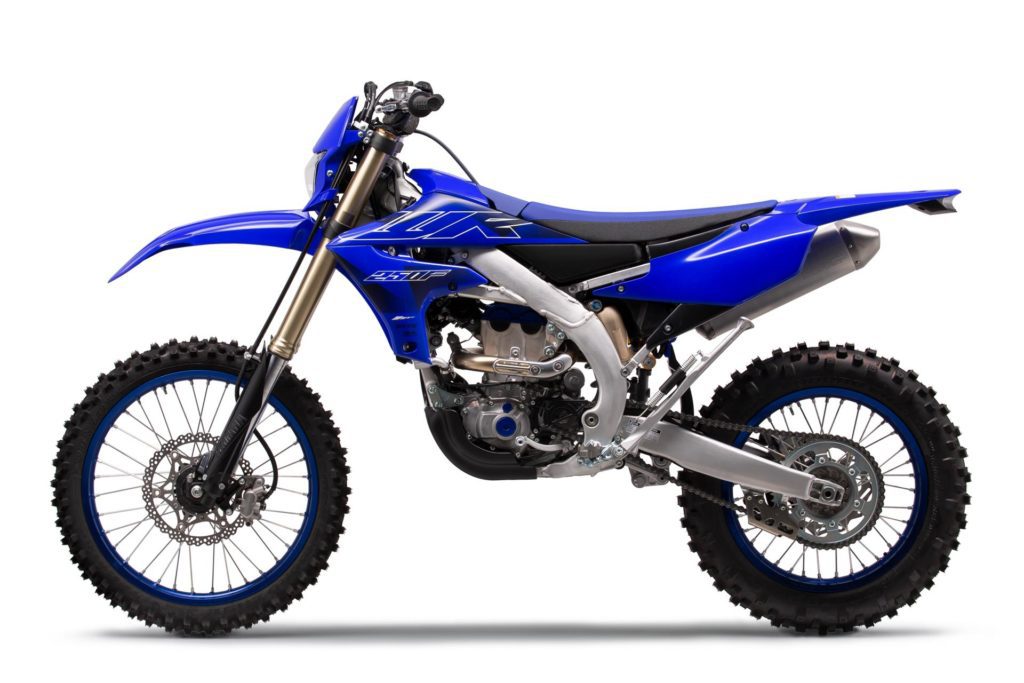
Image Source: www.webbikeworld.com
Deciphering Dirt Bike Speed Factors
Several elements come into play when determining how fast a dirt bike can go. It’s a complex interplay of engineering, design, and even the rider’s skill.
Dirt Bike Engine Size and Speed
The heart of any dirt bike is its engine. Dirt bike engine size speed is directly related to the engine’s displacement, measured in cubic centimeters (cc). Larger engines generally produce more power and torque, allowing for higher top speeds and quicker acceleration.
- 50cc – 150cc: These are typically entry-level bikes, often used by younger riders or for casual trail riding. Their top speeds usually hover around 30-50 mph. They prioritize maneuverability and ease of use over raw speed.
- 200cc – 300cc: This range offers a good balance of power and agility. Many trail bikes and smaller motocross bikes fall into this category. You can expect top speeds in the 50-70 mph range, with impressive dirt bike acceleration for tackling hills and trails.
- 350cc – 500cc: These are serious performance machines. Motocross bikes and larger enduro bikes in this class are built for speed and power. Their dirt bike top speed can easily exceed 70-80 mph, and some can even reach or surpass 90 mph.
- 600cc+: While less common in the pure dirt bike segment, some larger dual-sport or adventure bikes based on dirt bike platforms can have even larger engines. These can achieve highway speeds, but their primary design isn’t solely for off-road racing.
Dirt Bike Horsepower: The Power Behind the Speed
Dirt bike horsepower is a critical indicator of a bike’s performance potential. Horsepower is the rate at which work is done, and in a motorcycle context, it translates to how quickly the engine can spin up and deliver power to the rear wheel.
- A 50cc dirt bike might produce only 2-5 horsepower.
- A 250cc motocross bike could generate between 30-45 horsepower.
- A 450cc motocross bike is often in the 50-60 horsepower range.
- Higher-performance racing bikes can push even further.
More horsepower generally means better acceleration and a higher potential top speed, assuming the bike’s gearing and aerodynamics are suitable.
2 Stroke vs. 4 Stroke Speed: A Tale of Two Engines
The choice between a two-stroke (2-stroke) and a four-stroke (4-stroke) engine significantly impacts dirt bike speed characteristics. Each has its unique power delivery and performance profile.
2-Stroke Engines: The Power Band Rush
- How they work: 2-stroke engines complete their power cycle in two piston strokes. They are simpler, lighter, and generally produce more horsepower for their displacement compared to 4-strokes.
- Speed characteristics: 2-strokes are known for their explosive dirt bike acceleration, especially in the mid-to-top RPM range. They hit a “power band” where they surge forward with immense force. This makes them incredibly fun and effective for quick bursts of speed and maneuvering on technical terrain.
- Top speed: While their peak power can be high, their top-end speed might not always surpass a similarly sized 4-stroke due to less torque at lower RPMs and a narrower powerband. However, for riders who love that immediate, punchy acceleration, a 2-stroke is hard to beat.
- Maintenance: They require mixing oil with fuel and generally need more frequent top-end rebuilds.
4-Stroke Engines: The Torque and Tractability
- How they work: 4-stroke engines complete their power cycle in four piston strokes. They are more complex, heavier, and typically offer a broader, more linear powerband.
- Speed characteristics: 4-strokes provide smoother, more manageable power throughout the RPM range. This makes them more forgiving for beginners and better suited for maintaining consistent speed over long distances or varied terrain. Their torque at lower RPMs is a significant advantage for climbing hills and powering out of corners.
- Top speed: 4-strokes often achieve a higher dirt bike top speed due to their broader powerband and ability to pull through the gears more effectively.
- Maintenance: They have a more conventional lubrication system (oil sump) and can generally go longer between major engine services.
Comparing 2-Stroke vs. 4-Stroke Speed
| Feature | 2-Stroke | 4-Stroke |
|---|---|---|
| Power Delivery | Explosive, peaky powerband | Smooth, broad, linear powerband |
| Acceleration | Very quick, snappy, especially mid-to-top | Strong, consistent, good low-end torque |
| Top Speed | Can be high, but often a narrower range | Generally higher, more sustained |
| Tractability | Can be more challenging to manage | Easier to control and manage |
| Weight | Lighter | Heavier |
| Maintenance | More frequent top-end rebuilds | Longer intervals between major services |
| Fuel/Oil | Requires oil-fuel mix | Separate oil system |
Dirt Bike Terrain Speed: Where You Ride Matters
The surface you ride on dramatically affects your dirt bike speed. A bike that can hit 80 mph on a smooth, dry motocross track might only manage 30 mph on a technical, rocky singletrack trail.
Motocross Tracks
- Characteristics: Motocross tracks are designed for speed and aggression. They feature jumps, berms, whoops (rhythmic bumps), and hard-packed or loamy soil.
- Speed potential: On a motocross track, riders can achieve their highest speeds. Motocross bike speed is a primary focus. Bikes are geared for acceleration out of corners and maintaining speed through straights. Speeds on straights can easily reach 60-80 mph, with some professional riders on powerful 450cc bikes exceeding this. The ability to absorb landings and maintain momentum through rough sections is crucial.
Enduro Trails
- Characteristics: Enduro riding involves covering long distances over varied natural terrain, including forests, mountains, and open fields. Trails can be tight, technical, muddy, rocky, or sandy.
- Speed potential: Enduro bike speed is more about endurance and consistent performance rather than outright top speed. While enduro bikes have powerful engines, their gearing is often set up for more low-end grunt and control rather than maximum velocity. Speeds vary widely; on open sections, an enduro bike might reach 50-60 mph, but in tight technical sections, speeds can drop to 5-15 mph. The focus is on navigating obstacles and maintaining a steady pace for hours.
Other Terrains
- Sand: Riding in sand significantly reduces traction, lowering speeds. Bikes can dig in, and maintaining momentum is difficult, often limiting top speeds.
- Mud: Similar to sand, mud offers poor traction and can bog down the engine, drastically reducing speed.
- Gravel/Dirt Roads: These offer better traction than sand or mud, allowing for moderate speeds, typically in the 40-60 mph range, depending on the condition of the surface.
The Rider’s Influence on Dirt Bike Speed
It’s essential to remember that the rider is a significant factor in how fast a dirt bike goes.
- Skill Level: An experienced rider can extract much more performance from a bike than a novice. Their ability to carry corner speed, manage the throttle, shift gears effectively, and navigate obstacles directly impacts the average dirt bike speed and top speed achieved.
- Riding Style: Aggressive riding, utilizing the engine’s powerband efficiently, and proper body positioning can all contribute to higher speeds.
- Fitness: Enduro and motocross are physically demanding. A fit rider can maintain peak performance for longer, contributing to faster overall times and higher average speeds.
Average Dirt Bike Speed and Top Speed Ranges
Let’s break down some typical speeds you can expect from different types of dirt bikes. These are approximate and can vary based on the specific model, modifications, and rider.
125cc Dirt Bikes
- Type: Often used for youth racing, beginner motocross, and some trail riding.
- Engine Type: Typically 2-stroke.
- Horsepower: Around 20-30 hp.
- Dirt Bike Top Speed: 50-65 mph.
- Acceleration: Known for being quick and rev-happy, great for learning to use a clutch and powerband.
- Average Dirt Bike Speed: 30-45 mph, depending on terrain.
250cc Dirt Bikes
- Type: Popular for motocross racing (both 2-stroke and 4-stroke), as well as aggressive trail riding and enduro.
- Engine Type: Available as 2-stroke and 4-stroke.
- Horsepower: 30-45 hp (4-stroke often slightly higher than 2-stroke at peak, but 2-strokes can be more potent in the powerband).
- Dirt Bike Top Speed: 60-80 mph.
- Acceleration: Strong and responsive. 4-strokes offer more tractable power, while 2-strokes deliver a more aggressive hit.
- Average Dirt Bike Speed: 40-55 mph.
450cc Dirt Bikes
- Type: Primarily for professional motocross and supercross racing, as well as advanced trail and off-road riding.
- Engine Type: Almost exclusively 4-stroke.
- Horsepower: 50-60 hp.
- Dirt Bike Top Speed: 75-90+ mph.
- Acceleration: Extremely powerful and can be intimidating for beginners. Requires precise throttle control.
- Average Dirt Bike Speed: 50-70 mph.
Enduro Bikes (General Range)
- Type: Designed for long-distance off-road riding.
- Engine Type: Mostly 4-stroke, but some 2-strokes are popular for their lighter weight and agility.
- Horsepower: Varies greatly by displacement (250cc to 500cc+).
- Dirt Bike Top Speed: 60-85 mph (depending on engine size and gearing).
- Acceleration: Tuned for tractable power and engine braking, not explosive acceleration.
- Average Dirt Bike Speed: Varies significantly by terrain, but often around 30-50 mph in mixed conditions.
Performance Modifications and Their Impact on Speed
Enthusiasts often modify their dirt bikes to enhance performance, including increasing dirt bike speed.
Exhaust Systems
- Impact: Aftermarket exhaust systems can improve a bike’s ability to breathe, leading to more horsepower and torque. This can result in better acceleration and a slight increase in dirt bike top speed.
- Effect: Often accompanied by a more aggressive sound.
Engine Tuning and Re-mapping (ECU)
- Impact: For 4-stroke bikes, re-flashing the Engine Control Unit (ECU) or installing an aftermarket one can optimize fuel mapping and ignition timing. This can unlock more power across the RPM range.
- Effect: Can improve throttle response, dirt bike acceleration, and potentially top speed.
Gearing Changes
- Impact: Altering the sprocket sizes (front and rear) is a common and effective way to change a bike’s acceleration and top speed characteristics.
- Effect:
- Lower Gearing (Smaller front sprocket or larger rear sprocket): Increases acceleration and “wheelies” better, but reduces top speed.
- Higher Gearing (Larger front sprocket or smaller rear sprocket): Decreases acceleration but increases dirt bike top speed. This is often done for bikes intended for faster tracks or open terrain.
Air Filters and Intake Systems
- Impact: A less restrictive air filter or intake system allows the engine to ingest more air, which is crucial for combustion.
- Effect: Can lead to small gains in horsepower, contributing to better dirt bike acceleration and responsiveness.
Weight Reduction
- Impact: Lighter bikes accelerate faster and are easier to maneuver.
- Effect: While not directly increasing engine power, a reduction in overall weight can make the bike feel faster and more responsive, improving perceived dirt bike speed.
Frequently Asked Questions (FAQ) about Dirt Bike Speed
What is the fastest dirt bike in the world?
Defining the “fastest” is tricky as it depends on the category (motocross, enduro, dual-sport) and modifications. However, top-tier 450cc motocross bikes from manufacturers like KTM, Yamaha, Honda, and Kawasaki are among the fastest production dirt bikes, capable of exceeding 90 mph in optimal conditions. Some highly modified race bikes can reach even higher speeds.
Can a dirt bike be street legal?
Yes, many dirt bikes can be converted to be street legal, becoming dual-sport motorcycles. This typically involves adding lights, mirrors, a horn, and meeting specific emissions and safety standards for registration and licensing. Their top speeds will still be influenced by their original dirt bike design.
How fast can a 125cc dirt bike go?
A typical 125cc dirt bike, especially a 2-stroke, can reach speeds between 50 and 65 mph. They are more about nimble handling and quick acceleration than outright top speed.
What affects a dirt bike’s top speed the most?
The most significant factors affecting a dirt bike’s top speed are engine power (horsepower and torque), gearing, aerodynamics, and the rider’s weight and skill. Tire choice and tire pressure can also play a role by affecting rolling resistance and traction.
Is a 2-stroke or 4-stroke dirt bike faster?
Generally, 4-stroke dirt bikes, especially in larger displacements (450cc+), tend to have a higher dirt bike top speed due to their broader powerbands and ability to sustain power. However, 2-strokes often offer more exciting dirt bike acceleration and can feel faster in certain situations due to their “hit” of power. It often comes down to how the power is delivered and the specific bike’s setup.
How fast is a dirt bike on average?
The average dirt bike speed is highly dependent on the terrain. On a motocross track, average speeds might be in the 40-60 mph range, while on a technical singletrack trail, the average speed could be as low as 10-20 mph. The dirt bike top speed is rarely maintained for long periods off-road.