
A bike marathon typically refers to a long-distance cycling event, and the answer to “how long is a bike marathon?” depends heavily on the specific event’s definition and format, but commonly involves distances ranging from 100 kilometers (62 miles) to over 160 kilometers (100 miles). The cycling race duration can vary significantly, with participants often spending anywhere from 3 to 10 hours or more in the saddle.
Cycling, often referred to as the “new marathon,” has seen a surge in popularity. Many people are curious about the commitment involved in a marathon cycling time and what the distance of bike marathon events generally entails. Whether you’re a seasoned cyclist or just starting to explore the world of endurance events, this guide will shed light on the typical lengths and durations of these challenging yet rewarding rides.
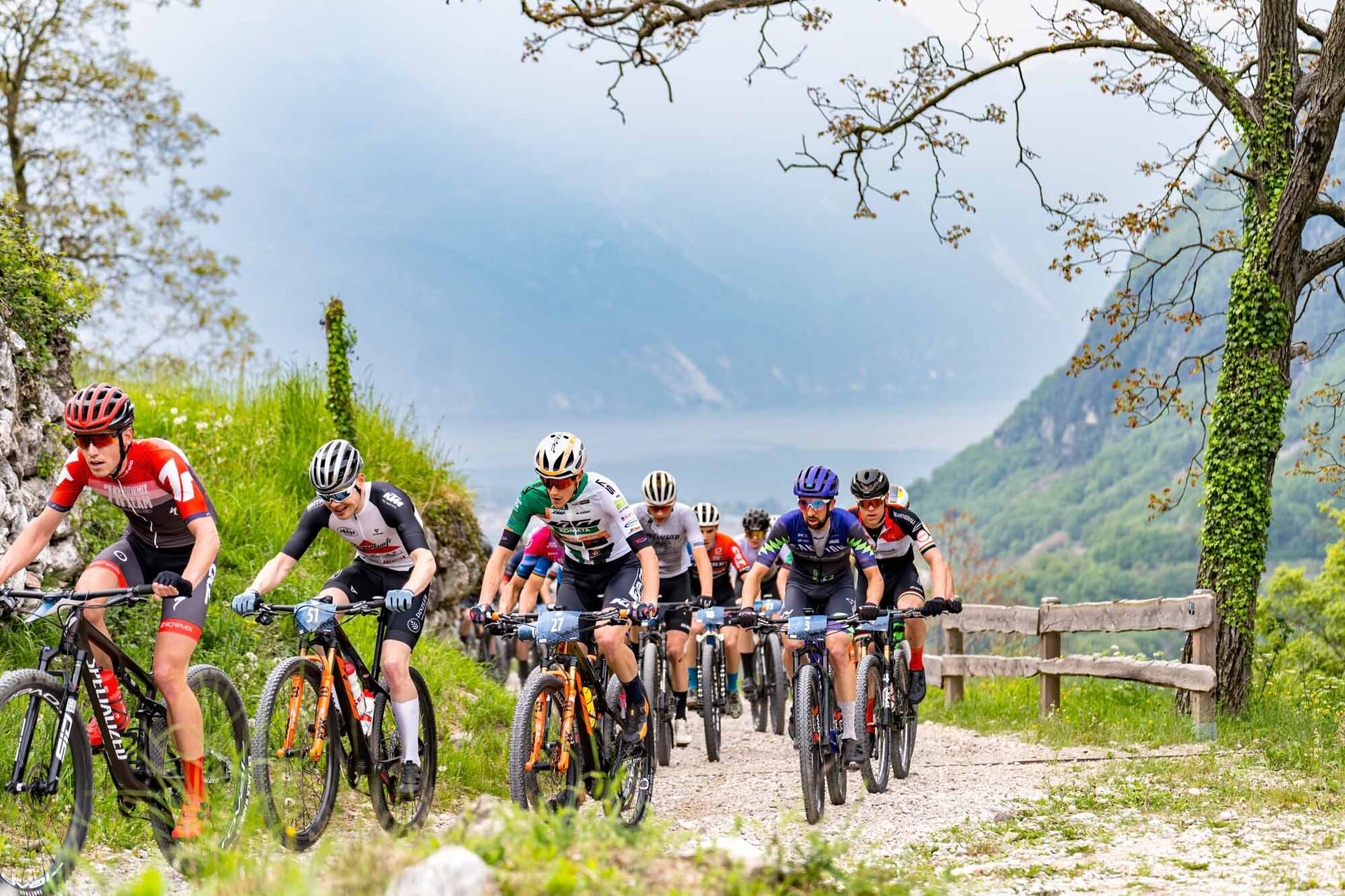
Image Source: www.bikefestivalriva.com
Deciphering the Distance: What Makes a “Bike Marathon”?
The term “bike marathon” isn’t as rigidly defined as its running counterpart. In running, a marathon is universally understood as 26.2 miles (42.195 kilometers). For cycling, however, the definition can be more fluid. Generally, when people refer to a bike marathon, they are thinking of events that test endurance and require a significant amount of time on the bike.
Road Bike Race Lengths
When we talk about road bike race length, we are usually considering events designed for road bicycles. These races are often organized on paved roads and can vary greatly in their competitive nature and the distance covered.
- Gran Fondos: These are popular in Europe and increasingly worldwide. While not always called “marathons,” many Gran Fondos feature distances that are equivalent to or exceed traditional marathon distances. Common lengths for Gran Fondos are:
- Medio Fondo: Typically around 60-100 kilometers (37-62 miles).
- Gran Fondo: Often 120-160 kilometers (75-100 miles), with some events pushing well over 200 kilometers (124 miles).
- Century Rides: A “century” ride is a ride of 100 miles (160.9 kilometers). These are a benchmark for many cyclists and often serve as unofficial “bike marathons.”
- Charity Rides: Many charity events organize rides of varying lengths, with longer options often exceeding 100 kilometers, fitting the “bike marathon” description.
Mountain Bike Marathon Distances
The world of mountain biking also has its endurance events. These often involve off-road trails, which can make the terrain and the perceived effort more challenging than road cycling.
- XCM (Cross-country Marathon): This discipline of mountain biking is specifically designed for longer distances. XCM events typically range from 60 kilometers (37 miles) to over 100 kilometers (62 miles). Some can even reach up to 150 kilometers (93 miles). The technical nature of the trails means that bike race distance and time are not directly comparable to road cycling.
How Many Hours Is A Bike Marathon? The Time Commitment
Beyond just the distance, how many hours is a bike marathon is a critical question for anyone considering participating. The average cycling marathon time is influenced by several factors:
- Distance: The longer the course, the longer the time spent cycling.
- Terrain: Hilly or mountainous terrain will significantly increase the time compared to a flat course.
- Average Speed: A cyclist’s average speed is a major determinant of their finish time. This speed is affected by fitness, bike type, and external factors.
- Weather Conditions: Wind, rain, and heat can all impact speed and add to the duration.
- Number of Stops: Rest stops, aid stations, and mechanical issues can all add time to the overall event duration.
Estimating Your Marathon Cycling Time
Let’s break down how to estimate your marathon cycling time.
Factors Affecting Your Ride Duration:
- Fitness Level: A well-trained cyclist will naturally be faster than a novice.
- Bike Type: A lightweight road bike is faster than a heavier mountain bike or touring bike.
- Pacing Strategy: Starting too fast can lead to “bonking” (hitting the wall) later in the ride.
- Nutrition and Hydration: Proper fueling throughout the ride is crucial for maintaining energy levels.
General Time Estimates for a 100-Mile (160 km) Ride:
- Recreational Cyclist (Average Speed: 15 mph / 24 km/h): This would take approximately 6.5 to 7 hours of moving time. Including stops, the total bicycle marathon event duration could easily reach 8-9 hours.
- Enthusiast Cyclist (Average Speed: 18 mph / 29 km/h): This might take around 5.5 to 6 hours of moving time, with a total event duration of 7-8 hours.
- Advanced/Competitive Cyclist (Average Speed: 20+ mph / 32+ km/h): These riders might complete the distance in 5 hours or less of moving time, with total durations potentially around 6-7 hours.
It’s important to remember these are estimates. The bike marathon course length is just one piece of the puzzle; the profile of that course is equally important.
Understanding the Bike Marathon Course Length
The actual bike marathon course length is the primary factor determining how long you’ll be riding. Event organizers meticulously plan these routes, often aiming for a specific distance that challenges participants without being prohibitively difficult for the target audience.
Common Distances in Organized Events
Many organized cycling events aim for specific mileage or kilometer markers that are considered significant in the cycling world.
- Metric Century: 100 kilometers (62 miles). This is a popular shorter endurance event, often a good introduction to longer rides. The cycling race duration for a metric century can range from 3 to 6 hours, depending on the factors mentioned earlier.
- Century: 100 miles (160.9 kilometers). This is the classic distance that many consider a benchmark for a “bike marathon.” The marathon cycling time here typically falls between 6 to 10 hours for most participants.
- Double Century: 200 miles (321.8 kilometers). These are serious endurance events that require significant training and planning. The distance of bike marathon events like this can take 12-20 hours or more to complete.
Factors Influencing Course Length and Difficulty
When assessing how long a particular bike marathon will be, consider these aspects of the course:
- Elevation Gain: A course with significant climbs will take much longer than a flat one, even if the distance is the same. For example, a 100-mile course with 5,000 feet of climbing will take considerably longer than a flat 100-mile course.
- Road Surface: While most road bike marathons are on paved roads, some events might include sections of gravel or rougher surfaces, which can slow riders down.
- Number of Aid Stations: More aid stations can mean more opportunities for brief stops, but also potential delays if they are crowded.
Ultra Endurance Cycling Marathons: Pushing the Limits
For those seeking the ultimate challenge, there are ultra endurance cycling marathons. These events go far beyond the traditional marathon distance and can last for days.
- Distances: Ultra endurance events can range from 200 miles (320 km) to 1000 miles (1600 km) or even more.
- Duration: These races are not measured in hours, but in days. Participants often ride for 24 hours straight, taking short breaks for sleep, food, and bike maintenance as needed. The total bicycle marathon event duration can be anywhere from 24 hours for shorter ultra-endurance events to several days for longer ones.
- Examples: Races like the Race Across America (RAAM) are the pinnacle of ultra-endurance cycling, covering thousands of miles and taking teams or solo riders about a week to complete. More accessible ultra-endurance events might be multi-day tours or unsupported challenges covering 300-500 miles.
These events require not only incredible physical fitness but also mental fortitude, strategic planning, and excellent equipment management. The cycling race duration here is measured by how quickly one can cover extreme distances, often with minimal support.
Planning Your Bike Marathon Experience
If you’re considering taking on a bike marathon, thorough preparation is key.
Key Preparation Steps:
- Choose the Right Event: Select an event that matches your current fitness level and your goals. Don’t jump into a 100-mile race if you’re only comfortable riding 20 miles.
- Build Your Mileage Gradually: Increase your weekly mileage consistently. Aim to ride at least 70-80% of the target event distance in training before the actual event.
- Practice on Similar Terrain: If your event has a lot of hills, make sure your training rides include similar climbs.
- Dial in Your Nutrition and Hydration: Experiment with different energy gels, bars, and drinks during your long training rides to see what works best for your stomach and energy levels.
- Bike Fit and Maintenance: Ensure your bike is properly fitted for comfort and efficiency. Get a tune-up before the event to prevent mechanical issues.
- Pacing Strategy: Develop a plan for how you will pace yourself throughout the ride. Don’t go out too hard.
What to Expect on Event Day
- Early Start: Most long-distance cycling events start very early in the morning, often before sunrise, to maximize daylight riding hours and avoid the hottest parts of the day.
- Aid Stations: Well-organized events will have aid stations providing water, sports drinks, and snacks at regular intervals.
- Support: Some events offer mechanical support, while others are self-supported.
- Community: Bike marathons are often communal events, fostering a strong sense of camaraderie among participants.
Factors Influencing the “Marathon” Definition
The term “marathon” implies a significant undertaking. When applied to cycling, it generally signifies an event that requires:
- Sustained Effort: A continuous, significant period of physical exertion.
- Endurance: The capacity to withstand prolonged physical or mental strain.
- Challenge: An event that pushes participants beyond their usual comfort zone.
The distance of bike marathon events is often chosen to meet these criteria. While 100 miles is a common benchmark, some smaller events might be labeled “marathon” for distances as low as 50 miles if the terrain is particularly challenging or the event is geared towards novice endurance riders. Conversely, some professional road races can cover well over 200 miles, but they are typically referred to by their specific race names rather than as “bike marathons.”
Comparing Marathon Cycling Time to Other Endurance Sports
It’s interesting to compare marathon cycling time to other endurance sports:
| Sport | Standard “Marathon” Distance | Typical Completion Time (Elite) | Typical Completion Time (Amateur) |
|---|---|---|---|
| Running | 26.2 miles / 42.2 km | ~2 hours | 3-5 hours |
| Cycling (Road) | 100 miles / 160.9 km | ~4-5 hours | 6-10 hours |
| Triathlon (Ironman) | 112-mile bike + 2.4-mile swim + 26.2-mile run | ~7-8 hours (bike leg) | ~10-14 hours (bike leg) |
As you can see, cycling marathon distances are significantly longer, but often completed at a faster pace per mile than running. The bike race distance and time relationship is heavily influenced by the efficiency of the bicycle.
Frequently Asked Questions About Bike Marathons
Q1: What is the minimum distance for a bike marathon?
While there isn’t a strict official definition, most events commonly referred to as “bike marathons” will be at least 100 kilometers (62 miles). Shorter organized rides are often called “challenge rides” or “metric centuries.”
Q2: Can I ride a mountain bike in a road bike marathon?
Yes, you can usually ride a mountain bike in a road bike marathon. However, you will likely be at a disadvantage in terms of speed and efficiency compared to riders on road bikes. It’s always best to check the specific event rules.
Q3: How much training do I need for a bike marathon?
For a 100-mile (160 km) bike marathon, you should aim for consistent riding for at least 3-6 months. This includes gradually increasing your weekly mileage and completing at least a few rides of 50-70 miles in the weeks leading up to the event.
Q4: What should I carry with me during a bike marathon?
It’s recommended to carry:
* Water bottles or hydration pack
* Energy snacks (gels, bars, fruit)
* A spare inner tube
* Tire levers
* A small pump or CO2 inflator
* A multi-tool
* Your phone
* Identification and emergency contact information
* A small amount of cash
Q5: Is there a difference between a bike marathon and a sportive?
The terms are often used interchangeably. A “sportive” is a term commonly used in Europe for organized, non-competitive cycling events that are timed but not raced against others. They often have marked routes, feed stations, and mechanical support, similar to what you’d expect in a bike marathon. The focus is on participation and personal achievement rather than winning.
The distance of bike marathon events ensures a substantial physical challenge, and the cycling race duration is a testament to the endurance required. Whether you’re aiming for a century ride or an ultra-endurance event, the journey on two wheels is a rewarding one.