
Can you tell if a bike is stolen? Yes, you absolutely can, and this guide will show you how. Buying a used bike is a great way to save money and get a good quality ride. However, it also comes with risks, the most significant being the potential to unknowingly purchase stolen property. This not only puts you at legal risk but also contributes to the cycle of bicycle theft. This comprehensive guide will equip you with the knowledge and tools to avoid such a situation, ensuring a safe and honest used bike purchase. We’ll cover everything from identifying red flags to utilizing official databases, empowering you to become a savvy and responsible buyer.
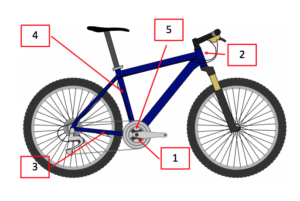
Image Source: www.ilovebicycling.com
Why Verifying Bike Ownership Matters
Buying a bike from a stranger or a less reputable seller can be tempting, especially when the price seems too good to be true. However, the consequences of purchasing a stolen bike can be severe. You could face legal trouble, including confiscation of the bike and potential charges. Furthermore, you wouldn’t be getting a legitimate bike to enjoy, and your hard-earned money would be gone. Protecting yourself and contributing to the reduction of bicycle theft recovery efforts starts with due diligence.
Key Indicators of a Potentially Stolen Bike
There are several signs to look out for when examining a bike for sale. Recognizing these warning signs can help you steer clear of illicit transactions.
Suspicious Seller Behavior
- Reluctance to meet in public: A seller who insists on meeting in a secluded area or at their home without prior arrangement might be trying to avoid scrutiny.
- Vague or inconsistent answers: If the seller can’t provide clear details about the bike’s history, where they got it, or why they are selling it, be wary.
- Cash-only transactions: While not always a red flag, a seller who exclusively demands cash, especially for a higher-value item, may be avoiding a traceable record.
- No proof of ownership: A legitimate seller should be able to provide some form of proof of purchase, like a receipt or original paperwork, though this isn’t always available for older bikes.
- Pressure to buy quickly: If the seller is aggressively pushing you to make a decision immediately, it might be an attempt to prevent you from doing your research.
Bike Condition and Presentation
- Fresh paint or alterations: A bike that has been recently repainted or had its identifying marks deliberately obscured can be a sign that someone is trying to hide its origin.
- Missing serial number: This is one of the most significant red flags. The bike serial number is crucial for identification and ownership verification.
- Damage consistent with theft: Look for signs of forced entry, such as scratches around the lock area, damaged components from being forcibly removed, or crude repairs.
- Generic parts: While some bikes have aftermarket parts, a bike that looks like it’s been stripped and reassembled with random components might be a stolen bike being disguised.
The Crucial Role of the Bike Serial Number
The bike serial number is the unique fingerprint of a bicycle. It’s a series of letters and numbers stamped onto the frame, usually located on the bottom bracket shell (where the pedals attach), the head tube, or the seat tube. This number is vital for identifying a specific bicycle and is used by law enforcement and registration databases.
How to Locate Your Bike’s Serial Number
Most manufacturers place the serial number in one of these common locations:
- Bottom Bracket Shell: Often found on the underside of the metal tube where the crank arms are attached.
- Head Tube: The front tube where the fork is inserted, usually near the top or bottom.
- Seat Tube: The vertical tube that holds the seat post.
- Rear Dropouts: The slots where the rear wheel attaches.
If you’re unsure, consult your bike’s manual or the manufacturer’s website.
Steps to Check Bike VIN and Serial Numbers
Once you’ve found the serial number, the real work of verification begins. This is where you actively check bike VIN (though most bikes use serial numbers, not VINs in the automotive sense) against databases.
1. The Bike Serial Number Lookup
Several online resources allow you to perform a bike serial number lookup. These databases aggregate information from various sources, including police reports and user-submitted data.
- BikeRegister.com: This is a widely recognized platform for registering your bicycle and checking if a bike is stolen. You can search their database for bikes reported as stolen.
- National Bike Registry (NBR): Another reputable service that allows you to register your bike and search for stolen bicycles.
- PredatorDB: While primarily focused on bicycles used in crimes, this database can sometimes contain information about stolen bikes.
- Local Law Enforcement Websites: Some police departments maintain their own databases of stolen property, including bicycles. Check your local police department’s website.
How to use these services:
- Locate the Serial Number: As described above, find the unique serial number on the bike frame.
- Visit the Website: Navigate to one of the recommended bike registration and lookup sites.
- Enter the Serial Number: Carefully type in the serial number into the search or lookup tool.
- Review the Results: The system will tell you if the bike has been reported stolen in its database.
It’s crucial to understand that these databases are not exhaustive. A bike not appearing in a search doesn’t automatically mean it’s not stolen, as not all stolen bikes are reported or their serial numbers logged.
2. Checking with Law Enforcement
For a more definitive check, especially if you have concerns about a specific bike, contacting local law enforcement is a vital step.
- Police Stolen Property Database: Law enforcement agencies maintain databases of stolen items. While you typically can’t directly query these yourself, you can inquire.
- Inquire at a Local Police Station: If you are seriously considering buying a bike and have a serial number, you can visit a local police station and ask an officer to check if the serial number appears in their stolen property database. Be prepared to explain why you are asking.
What to expect when checking with police:
- They will likely ask for the serial number and your reason for inquiring.
- They may be able to check their internal systems.
- They might advise you on the process of reporting a found or suspicious bicycle.
3. Checking with Local Bike Shops
Some local bike shops maintain their own records or are aware of local theft trends. While not a formal verification method, they might recognize a bike that has been circulating in the area under suspicious circumstances.
The Importance of Bike Ownership Verification
Beyond just avoiding stolen goods, verifying bike ownership is about ensuring a clean transaction. This protects you from future complications.
4. Creating a Bill of Sale
A bill of sale is a crucial document for any used bike purchase. It acts as a receipt and a record of the transaction, detailing:
- Seller’s Information: Name, address, and contact details.
- Buyer’s Information: Name, address, and contact details.
- Bike Details: Make, model, color, and most importantly, the serial number.
- Date of Sale: When the transaction took place.
- Price: The agreed-upon sale price.
- Signatures: Both the buyer and seller must sign.
A bill of sale provides proof that you legitimately acquired the bike, which can be invaluable if any questions arise later.
5. Asking for Proof of Purchase
While not always available, asking the seller for proof of purchase (like an original receipt) can add an extra layer of confidence. If the seller has this, it strongly suggests they are the rightful owner. However, remember that older bikes may not have readily available purchase records.
What to Do If You Suspect a Bike is Stolen
If your checks raise concerns, or if you find a bike that you suspect has been stolen, you have a responsibility to act ethically and legally.
5.1 Reporting a Stolen Bicycle
If you believe a bike for sale is stolen, do not purchase it. Instead, you can help by reporting your suspicions.
- Contact the Police: Provide them with the details of the bike, the seller, and where you encountered it. This information can aid in bicycle theft recovery efforts.
- Notify Online Platforms: If you found the bike advertised online, report the listing to the platform administrators. Most platforms have a mechanism for reporting suspicious or fraudulent activity.
5.2 What to Do If You Accidentally Bought a Stolen Bike
This is a difficult situation, but honesty and cooperation with authorities are key.
- Contact the Police Immediately: Explain the situation and provide all the information you have about the purchase.
- Surrender the Bike: You will likely need to surrender the bike to the police.
- Provide Documentation: Offer the bill of sale and any other evidence of your purchase. While you may not get your money back directly from the police, providing proof of your honest intent can help your case.
The goal is to be transparent and cooperate fully. Law enforcement’s priority is to return stolen property to its rightful owner.
Preventing Bicycle Theft in the First Place
The best way to deal with stolen bikes is to prevent them from being stolen. Implementing strong bicycle theft prevention strategies is crucial for any cyclist.
Secure Your Bicycle
- Use High-Quality Locks: Invest in a U-lock and a cable lock, or two U-locks. The quality of your lock is paramount.
- Lock Strategically: Always lock your bike frame to an immovable object, such as a bike rack. Pass the lock through the frame and at least one wheel.
- Lock in Well-Lit, Public Areas: Avoid leaving your bike in dark alleys or secluded spots.
- Don’t Leave it Overnight: If possible, bring your bike inside at night.
Register Your Bike
- Stolen Bike Registration: Registering your bike with services like BikeRegister.com or the National Bike Registry is a powerful deterrent and a vital tool for recovery. This creates a record of your ownership.
- Record Your Serial Number: Keep a record of your bike’s serial number, make, model, and any distinguishing features in a safe place, separate from the bike itself. Take photos of your bike from multiple angles.
Make Your Bike Less Appealing to Thieves
- Deterrent Markings: Consider using indelible markers to discreetly mark your frame with your postcode or a unique identifier.
- Stickers: Some services offer security stickers that can deter thieves.
Lost and Found Bikes
Sometimes, you might come across a bike that appears abandoned or lost, rather than stolen.
- Check for Identification: Look for any tags or contact information.
- Report to Authorities: If it seems genuinely lost or abandoned, you can report it to your local animal control or police department. They often have procedures for handling found property. Do not simply take a bike you find, as it could belong to someone who has reported it missing.
Considerations for Used Bike Purchase Safety
When buying a used bike, prioritize safety and legitimacy above all else.
Where to Buy Used Bikes Safely
- Reputable Bike Shops: Many bike shops sell used bikes that have been inspected and refurbished. This is often the safest option.
- Online Marketplaces with Buyer Protection: Platforms like eBay or specialized cycling forums with established community trust can be good sources, provided you exercise caution and utilize buyer protection features.
- Local Cycling Clubs or Groups: Members of these communities may be selling bikes they’ve outgrown or no longer need, and there’s often a higher level of trust.
What to Avoid When Buying Used
- “Too Good to Be True” Prices: If a bike is significantly cheaper than similar models, it’s a major red flag.
- Sellers Who Won’t Meet in Public: Always arrange to meet in a safe, public place for initial inspections.
- Deals from Sketchy Sources: Be wary of bikes being sold on street corners or from individuals with no verifiable history.
Frequently Asked Questions (FAQ)
Q1: What if the seller won’t provide the serial number?
A: If a seller refuses to provide the serial number or is evasive about it, consider this a significant red flag. It’s best to walk away from the sale. The serial number is essential for bike ownership verification.
Q2: Is it illegal to buy a stolen bike?
A: Yes, it is illegal to knowingly purchase stolen property. Even if you didn’t know it was stolen at the time of purchase, if it’s identified as stolen, you will likely have to surrender it to the authorities.
Q3: What should I do if I find a bike that looks abandoned?
A: Do not take the bike. Report it to your local police department or animal control, as they have procedures for found property.
Q4: How can I check if a bike is stolen without a serial number?
A: Without a serial number, it’s extremely difficult to definitively check if a bike is stolen. However, you can still look for other suspicious signs: the seller’s behavior, any obvious attempts to obscure identifying marks, or if the bike appears to be made of mismatched parts. If you have strong suspicions, report them to the police.
Q5: How long does it take to find a stolen bike?
A: Bicycle theft recovery can vary greatly. It depends on whether the bike is reported, if its serial number is logged in databases, and if law enforcement comes across it. Registering your bike and using anti-theft measures significantly increases the chances of recovery.
By following these steps and remaining vigilant, you can significantly reduce the risk of purchasing a stolen bike and contribute to a safer cycling community. Happy and honest riding!