
Ever stared at a wall of snake tank bedding and felt completely lost? You’re not alone! Choosing the right substrate for your ball python is a big deal, and it can feel overwhelming with so many choices out there. Picking the wrong one can lead to a sad, unhealthy snake, and that’s the last thing any pet owner wants.
This frustration is exactly why we’re diving deep into the world of ball python substrates. We know you want the best for your slithery friend, and finding out which bedding keeps them happy, healthy, and hydrated is key. It’s about creating a perfect home, not just a cage.
By the time you finish reading, you’ll understand the different types of substrates available, their pros and cons, and how to pick the perfect fit for your specific ball python’s needs. Get ready to say goodbye to substrate confusion and hello to a thriving, comfortable snake!
Our Top 5 Substrate Ball Python Recommendations at a Glance
Top 5 Substrate Ball Python Detailed Reviews
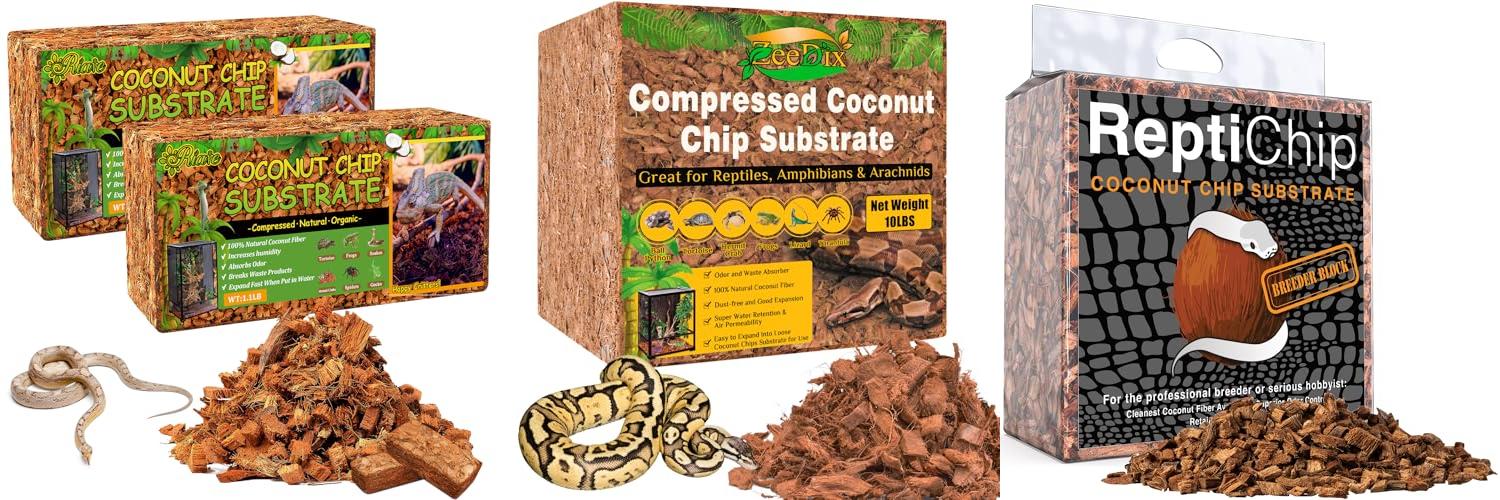
1. Riare 2 Pack Natural Coconut Chip Substrate for Reptiles- Compressed Coconut Husk Reptiles Bedding

Rating: 9.5/10
The Riare 2 Pack Natural Coconut Chip Substrate is a fantastic choice for reptile owners looking to create a natural and healthy habitat for their pets. This compressed coconut husk bedding is designed to mimic the natural environment of many reptiles, offering comfort and a place to burrow.
What We Like:
- Made from natural and organic coco husk chips, it’s soft and safe for your pets.
- The compressed bricks are easy to store and expand with water, making setup a breeze.
- It’s excellent at maintaining humidity, which is crucial for tropical reptiles.
- The substrate helps to absorb odors and keep the enclosure clean and fresh.
- It’s versatile, suitable for a wide range of reptiles and amphibians like snakes, tortoises, and frogs.
- When it’s time for a change, it can be repurposed as garden mulch or a soil amendment, reducing waste.
What Could Be Improved:
- While the expansion is significant, users might need to experiment with the exact amount of water to achieve their desired humidity level.
- The “no dust and sharp pieces” claim holds true, but some very sensitive pets might still require an initial rinse before use.
This substrate provides a cozy, hygienic, and naturalistic environment for your scaly friends. It’s a practical and eco-friendly option that benefits both your pets and the planet.
2. ZeeDix 10LB Coco Fiber Chips Substrate for Reptiles

Rating: 9.2/10
The ZeeDix 10LB Coco Fiber Chips Substrate is a fantastic option for reptile owners looking for a natural and effective bedding material. This compressed brick expands into a generous amount of loose coco chips, perfect for creating a comfortable and healthy habitat for a variety of pets.
What We Like:
- Provides a natural and organic bedding material made from matured husks.
- The loose and breathable texture helps maintain balanced humidity levels.
- Effectively absorbs liquids, water, and waste, while also neutralizing odors.
- It’s dust-free, compostable, biodegradable, and sustainable.
- Simple to use: just add water to expand the compressed brick into loose chips.
- Suitable for a wide range of reptiles, amphibians, and invertebrates like geckos, lizards, tortoises, ball pythons, and frogs.
- Creates a clean, comfortable, and safe environment for pets to thrive.
What Could Be Improved:
- The initial expansion process requires a separate container and water.
- The quantity of loose chips from one brick is substantial, so ensure you have enough space for expansion and storage if not all is used at once.
This coco fiber substrate offers a high-quality, eco-friendly solution for reptile bedding. It’s a great choice for creating an ideal environment for your scaly or amphibious friends.
3. ReptiChip Reptile Substrate Coconut Chip Bedding 72 Quart Compressed Organic Coco Husk Block for Snake Habitat

Rating: 8.7/10
Transform your reptile’s home into a thriving paradise with ReptiChip Reptile Substrate. This 72-quart compressed block of organic coco husk is designed to create a healthy and comfortable environment for a variety of pets, from ball pythons and leopard geckos to turtles and tortoises. Its natural properties make it an excellent choice for creating bioactive terrariums and ensuring your pet’s well-being.
What We Like:
- Excellent humidity retention creates a tropical feel for pets like ball pythons and turtles.
- A 72-quart compressed brick expands to a generous amount of bedding, perfect for serious reptile keepers.
- Effectively absorbs odors, keeping your pet’s habitat and your home smelling fresh.
- Made from 100% organic and sustainable coco chips, which are carefully cleaned to be dust and dirt-free.
- Versatile for many reptile species, including geckos, tortoises, and hermit crabs, making it a multi-functional addition to your supplies.
- An eco-friendly option that shows a deep respect for the environment through sustainable sourcing and processing.
What Could Be Improved:
- The initial expansion process requires adding water, which can be a minor step for some users.
- While versatile, it’s always good to research the specific needs of your individual reptile species to ensure it’s the absolute best fit.
ReptiChip offers a fantastic and responsible way to care for your reptile’s habitat. It’s a product that benefits both your pet and the planet.
4. Halatool 2Pack Snake Bedding Natural Coconut Chips Substrate 2.2LB Coconut Husk for Reptiles Tank Terrarium Substrate for Ball Python Frog Gecko Hermit Crab Tortoise

Rating: 9.4/10
Upgrade your reptile’s home with the Halatool 2Pack Snake Bedding Natural Coconut Chips. This bedding is made from 100% natural coconut husk, offering a safe and comfortable environment for a variety of pets. It’s designed to help maintain the right humidity levels and lets your pets explore and burrow naturally.
What We Like:
- Comes in a convenient 2-pack of compressed bricks that expand to a generous amount of bedding.
- Excellent at holding humidity, which is crucial for healthy shedding in reptiles like ball pythons.
- Made from all-natural coconut husk, it’s free from harmful dyes, chemicals, and odors, ensuring a safe habitat.
- The texture of the coco chips is perfect for burrowing, mimicking natural environments and protecting delicate scales.
- It’s easy to prepare – just add water, and it expands into fluffy, dust-free bedding.
- Provides a soft and enriching surface that contributes to a happier, healthier captive life for your reptiles.
What Could Be Improved:
- The initial expansion process requires a bit of water and patience.
- While generally soft, very small or young reptiles might still benefit from an extra layer of softer material if they are prone to digging.
This Halatool coconut chip bedding offers a natural and functional solution for creating an ideal habitat for your reptiles. It’s a great choice for pet owners looking for quality and safety.
5. SunGrow Leaf Litter for Snakes

Rating: 9.0/10
Give your reptile a natural and enriching environment with SunGrow Leaf Litter! This pack of 10 medium Indian Almond Catappa leaves is perfect for corn snakes and ball pythons. It helps keep their terrarium humid and provides a cozy place for them to hide and explore. The leaves are also great for helping your reptile stay comfortable during hibernation or hot weather.
What We Like:
- Creates a natural hide for your reptile.
- Helps maintain the right temperature for hibernation and estivation.
- Can improve your reptile’s chances of reproducing.
- Supports beneficial microfauna like isopods and springtails.
- Keeps your reptile’s scales clean and free from dirt.
- The leaves break down, helping with plant growth and soil pH.
What Could Be Improved:
- The leaves are medium-sized, so larger reptiles might need more.
- The breakdown process can take time, so initial visual appeal might change.
This leaf litter is a fantastic addition to any reptile habitat, promoting health and natural behaviors. It’s a simple way to make your pet’s home more comfortable and stimulating.
The Ultimate Buying Guide: Choosing the Best Substrate for Your Ball Python
Choosing the right bedding, or substrate, for your ball python is super important. It keeps them healthy and happy. This guide helps you pick the best one.
Why Substrate Matters
Your ball python’s home needs the right substrate. It helps control humidity, which ball pythons need a lot of. It also lets them burrow, which they love to do. Good substrate keeps their enclosure clean and prevents problems.
Key Features to Look For
When you shop for ball python substrate, keep these things in mind:
- Absorbency: The substrate should soak up moisture well. This helps keep the air humid.
- Dust-Free: Dust can hurt your snake’s lungs. Look for substrates that don’t make a lot of dust.
- Burrowing Ability: Ball pythons are natural diggers. The substrate should let them dig and make tunnels.
- Odor Control: Some substrates help trap smells, keeping the enclosure fresh.
- Safe Materials: It must be safe if your snake accidentally eats a little bit.
Important Materials
Many good substrates are made from natural things. Here are some popular choices:
- Cypress Mulch: This is a top pick. It holds humidity really well and lets snakes burrow. It also resists mold.
- Coconut Fiber (Coir): This comes in bricks or loose. It’s great for holding moisture and is safe for snakes. You often need to add a bit of water to it.
- Aspen Shavings: These are good for dry enclosures. They let snakes burrow but don’t hold humidity as well as cypress or coco fiber. Make sure they are dust-free.
- Orchid Bark: Some keepers use this. It holds humidity and looks nice. It’s also good for burrowing.
- Paper Towels/Newspaper: These are very easy to clean. They are a good choice for new snakes or when you need to watch for health issues. They don’t help with humidity or burrowing much.
Factors That Improve or Reduce Quality
What makes a substrate great or not so great?
- Moisture Retention: Substrates that hold moisture evenly are better. They help maintain the humidity ball pythons need. If a substrate dries out too fast, it’s not ideal.
- Mold Resistance: Good substrates don’t grow mold easily. Mold can be bad for your snake’s health. Cypress mulch is known for being mold-resistant.
- Particle Size: The size of the pieces matters. Too fine, and it can be dusty. Too large, and it might not be comfortable for burrowing.
- Chemical Treatments: Never use substrates that have been treated with chemicals or perfumes. These can be toxic to your snake. Always check the packaging.
User Experience and Use Cases
Think about how you want to use the substrate.
- Beginners: For new snake owners, paper towels are the easiest to manage. They make cleaning simple. Coconut fiber or cypress mulch are also good starting points.
- Humidity Needs: If your home is dry, cypress mulch or coconut fiber are excellent. They will help you keep the humidity up.
- Burrowing Enthusiasts: If your ball python loves to dig, choose a substrate that allows for easy burrowing, like cypress mulch or orchid bark.
- Cleaning Routine: Some substrates are easier to spot clean than others. Paper towels are the easiest. For other types, you might need to remove and replace soiled sections regularly.
Frequently Asked Questions (FAQ) about Ball Python Substrate
Q: What is the best substrate for a baby ball python?
A: For baby ball pythons, paper towels are often recommended. They are easy to clean and help you monitor your snake’s health closely. Coconut fiber or cypress mulch are also good choices as they grow.
Q: How often should I change the substrate?
A: You should spot clean your substrate daily, removing any waste. A full substrate change depends on the type. For paper towels, change them weekly. For cypress mulch or coconut fiber, a full change every 1-3 months is usually good.
Q: Can I mix different substrates?
A: Yes, some keepers mix substrates. For example, you can mix coconut fiber with cypress mulch to get the benefits of both. Just make sure all parts are safe.
Q: Is sand a good substrate for ball pythons?
A: No, sand is generally not recommended for ball pythons. It can be too dry and cause respiratory problems. It can also be ingested and cause impaction.
Q: What substrate holds humidity the best?
A: Cypress mulch and coconut fiber are known for holding humidity very well. These are excellent choices for maintaining the high humidity levels ball pythons need.
Q: How deep should the substrate be?
A: A depth of 2-4 inches is usually good. This allows your ball python to burrow comfortably and helps maintain humidity.
Q: Can I use reptile carpet?
A: Reptile carpet is not ideal. It doesn’t hold humidity well and can snag your snake’s scales or nails. It’s also harder to clean thoroughly.
Q: What should I do if my snake eats some substrate?
A: If your snake eats a small amount of safe substrate, it’s usually not a problem. They often pass it. However, if you see signs of impaction, like swelling or lack of defecation, contact a vet.
Q: How do I prepare coconut fiber substrate?
A: Coconut fiber often comes in compressed bricks. You need to break it up and add water until it is moist but not soaking wet. Squeeze out any extra water.
Q: Can I use pine or cedar shavings?
A: No, you should never use pine or cedar shavings. The oils in these woods are toxic to reptiles and can cause serious health issues.
In conclusion, every product has unique features and benefits. We hope this review helps you decide if it meets your needs. An informed choice ensures the best experience.
If you have any questions or feedback, please share them in the comments. Your input helps everyone. Thank you for reading.