
A standard bike tune-up can range anywhere from $75 to $250, depending on the complexity of the service and your location. So, how much is a bike tune up? The cost varies, but expect to pay around $100-$150 for a basic tune-up.
Owning a bicycle is a fantastic way to stay fit, explore your surroundings, and reduce your environmental impact. However, like any mechanical device, bikes require regular care to function optimally and safely. This care is often referred to as a “tune-up,” a comprehensive check and adjustment of your bike’s key components. Many cyclists wonder about the bike maintenance cost associated with keeping their ride in top condition. This guide aims to demystify bicycle service prices and provide you with a clear understanding of what to expect when seeking bicycle tune up cost information. We’ll delve into what constitutes a typical tune-up, the factors influencing bike shop tune up prices, and how to determine the professional bike tune up cost for your specific needs.
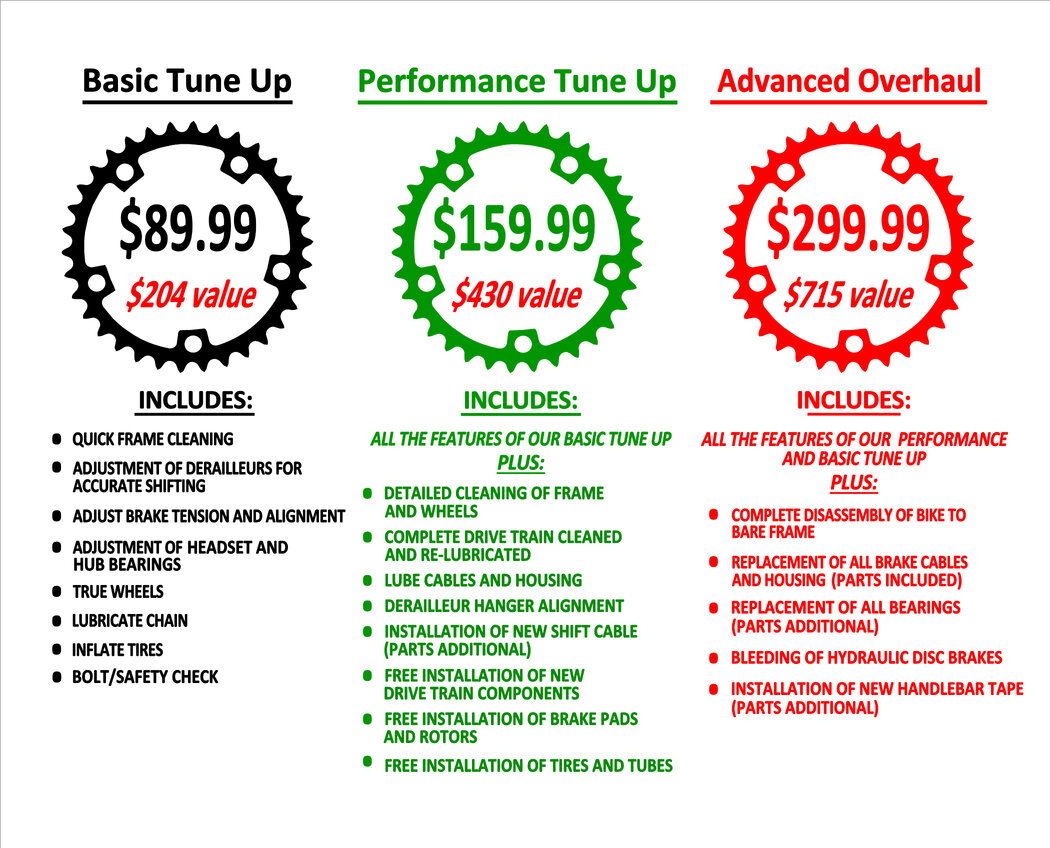
Image Source: www.sefiles.net
What Is a Bike Tune Up?
At its core, a bike tune-up is a preventative maintenance service designed to ensure your bicycle is safe, efficient, and enjoyable to ride. It involves a systematic inspection and adjustment of critical systems. Think of it like a regular check-up for your car or a visit to the doctor for yourself – it catches potential problems before they become major issues. The cost of bicycle servicing is an investment in your bike’s longevity and your riding experience.
A comprehensive tune-up typically includes:
- Cleaning: A thorough cleaning of the bike frame, drivetrain, and wheels to remove dirt, grime, and old lubricant. This makes it easier to spot any worn or damaged parts.
- Brake Adjustment: Checking and adjusting brake levers, cables, and pads to ensure they engage effectively and reliably. This includes ensuring proper stopping power and preventing rubbing.
- Gear Shifting Adjustment: Inspecting and adjusting derailleurs (front and rear), shifters, and cables to ensure smooth and accurate gear changes. This means no more skipped gears or difficulty finding the right one.
- Lubrication: Lubricating the chain, derailleur pivots, brake levers, and other moving parts to reduce friction and wear.
- Tire Inflation and Inspection: Checking tire pressure and inspecting tires for wear, cuts, or embedded debris.
- Bolt Check: A general check of all accessible bolts and fasteners to ensure they are secure.
- Wheel Truing: Minor adjustments to spokes to ensure wheels are straight and spin true, preventing wobbling.
- Headset Adjustment: Checking and adjusting the headset for smooth steering.
- Bottom Bracket Check: Ensuring the bottom bracket spins freely and is properly adjusted.
Factors Influencing Bicycle Tune Up Cost
Several variables can affect the average bike tune up cost. Understanding these can help you budget and choose the right service for your needs.
Type of Bike
The type of bicycle you own plays a significant role in the bicycle tune up pricing.
Road Bikes
Road bikes, with their delicate components, aerodynamic designs, and often electronic shifting, can sometimes command a slightly higher price for a tune-up due to the precision required.
Mountain Bikes
Mountain bikes, especially those with complex suspension systems, disc brakes, and wider gear ranges, may also have varying costs. A full suspension mountain bike tune-up might include more specialized services than a basic tune-up.
Hybrid and Commuter Bikes
Hybrids and commuter bikes generally fall into the mid-range for tune-up costs. They are typically more robust and have fewer specialized components than high-end road or mountain bikes.
Electric Bikes (e-Bikes)
e-Bikes have an added layer of complexity due to their electrical components (motor, battery, controller). While a basic mechanical tune-up might be similar, any work on the electrical system will significantly increase the bike maintenance cost. Many shops offer specialized e-bike services.
Level of Tune-Up Service
Bike shops often offer different tiers of tune-up services. This is a crucial factor when comparing bike shop tune up prices.
Basic Tune-Up
A basic tune-up, often referred to as a “safety check” or “level 1 tune-up,” focuses on essential adjustments and safety. This typically covers the core elements mentioned earlier: brake and gear adjustments, lubrication, tire inflation, and a general bolt check. This is usually the most affordable option.
Standard or Comprehensive Tune-Up
This level is more thorough and might include wheel truing, a more in-depth clean of the drivetrain, and a more detailed inspection of all components. This is what most people consider a “standard” tune-up.
Premium or Overhaul
An overhaul is the most comprehensive service. It often involves disassembling, cleaning, and reassembling key components like the hubs, bottom bracket, and headset. It may also include replacing worn cables and housing. This is the most expensive option and is usually recommended for bikes that haven’t been serviced in a long time or for cyclists who want their bike to perform at its absolute peak. The professional bike tune up cost for an overhaul can be significantly higher.
Location and Bike Shop
Bike shop tune up prices can vary by geographic location. Shops in major metropolitan areas or areas with a high cost of living may charge more than those in smaller towns. The reputation and overhead of the bike shop also play a role. Established shops with highly skilled mechanics might charge more, reflecting the quality of their expertise and service.
Current Condition of the Bike
If your bike is in dire need of attention—with extremely worn parts, rusted chains, or severely misaligned components—the cost of bicycle servicing will naturally be higher. The mechanic might need to spend more time diagnosing and adjusting, or recommend replacing parts, which adds to the overall bill.
Additional Repairs or Part Replacements
A tune-up focuses on adjustments and maintenance. If during the inspection, the mechanic identifies worn-out parts like brake pads, cables, housing, or a chain, they will likely recommend replacement. These parts are usually an additional cost on top of the labor for the tune-up. This is why the average bike tune up cost can sometimes be misleading if you don’t account for potential part needs.
Typical Bicycle Tune Up Pricing Ranges
To give you a clearer picture, here’s a breakdown of general pricing ranges for different types of tune-ups. Remember, these are estimates, and actual prices can vary.
Basic Tune-Up Pricing
- Cost: $75 – $125
- What’s typically included:
- Brake adjustment
- Gear shifting adjustment
- Chain lubrication
- Tire inflation and inspection
- Basic bolt check
- Minor wheel truing (if needed and within basic service scope)
- Bike wash (often a light wash)
Standard Tune-Up Pricing
- Cost: $100 – $175
- What’s typically included:
- All services from a Basic Tune-Up
- More thorough drivetrain cleaning
- More detailed inspection of all components (bearings, pedals, etc.)
- Headset and bottom bracket adjustment
- More comprehensive wheel truing
- Cable and housing inspection (replacement may be extra)
Premium/Overhaul Pricing
- Cost: $150 – $300+
- What’s typically included:
- All services from a Standard Tune-Up
- Drivetrain disassembly, cleaning, and reassembly (cassette, chainrings, derailleurs)
- Hub servicing (cleaning, greasing, and adjustment)
- Headset servicing (cleaning, greasing, and adjustment)
- Bottom bracket servicing (cleaning, greasing, and adjustment)
- Replacement of cables and housing (parts cost extra)
- Deep clean of the entire bike
Table: Example Tune-Up Service Tiers and Estimated Costs
| Service Tier | Estimated Cost Range | Key Inclusions | Ideal For |
|---|---|---|---|
| Basic Tune-Up | $75 – $125 | Brake/gear adjust, lube chain, tire check, bolt check, light wash, minor wheel true. | Regular riders, bikes in decent condition, seasonal prep. |
| Standard Tune-Up | $100 – $175 | Basic + thorough drivetrain clean, headset/BB adjust, better wheel true, component inspection. | Most cyclists, bikes ridden regularly, pre-event prep. |
| Premium/Overhaul | $150 – $300+ | Standard + component disassembly/service (hubs, headset, BB), cable replacement, deep clean. | Neglected bikes, performance-focused riders, major rebuilds. |
Cost of Specific Bike Maintenance Services
Beyond a general tune-up, you might need specific repairs. Knowing the cost of these individual bike maintenance services can help you anticipate expenses:
- Flat Tire Repair: $10 – $25 (plus tube cost if needed)
- Brake Pad Replacement: $15 – $30 per wheel (labor only, pads extra)
- Chain Replacement: $15 – $30 (labor only, chain extra)
- Cable and Housing Replacement: $20 – $40 per brake or gear set (labor only, parts extra)
- Wheel Truing: $20 – $50 per wheel (depending on severity)
- Bearing Servicing (Hubs, Headset, Bottom Bracket): $30 – $75 per component (labor only, parts like bearings extra)
These individual bicycle tune up cost elements can add up if multiple issues are found during a tune-up.
What to Expect from a Professional Bike Tune Up Checklist
A good bike shop will have a comprehensive bike tune up checklist they follow. When you drop off your bike, it’s helpful to know what you should expect to be done. This also helps in comparing bicycle service prices between different shops.
Pre-Service Assessment
- Shop mechanic will likely do a quick visual inspection and ask about any specific issues you’ve noticed.
During the Tune-Up
- Drivetrain:
- Inspect chain for wear and stretch.
- Check cassette and chainrings for worn teeth.
- Clean and lubricate chain.
- Adjust front and rear derailleurs for smooth shifting.
- Inspect derailleur hangers for bends.
- Brakes:
- Inspect brake pads for wear; adjust or recommend replacement.
- Check brake levers for proper feel and travel.
- Adjust brake calipers (mechanical or hydraulic).
- Inspect brake cables/hoses for fraying or leaks.
- Wheels and Tires:
- Check tire pressure and inspect tires for damage or wear.
- True wheels, ensuring they spin freely without wobbling.
- Inspect spokes and nipples.
- Check hubs for play or roughness.
- Contact Points:
- Adjust seatpost height and saddle angle.
- Check crank arms for tightness.
- Inspect pedals for smooth spinning.
- Check handlebar and stem for tightness.
- Inspect headset for play and smooth steering.
- Frame and Fork:
- Inspect for cracks or damage.
- Clean the frame.
- Test Ride:
- A good shop will perform a short test ride to ensure everything is functioning correctly.
Post-Service
- The mechanic should be able to provide a brief report on what was done and if any parts need future attention.
DIY vs. Professional Tune-Up: Cost Considerations
Many cyclists opt for DIY maintenance to save money. While rewarding, it’s important to assess the bike maintenance cost in terms of tools, time, and expertise.
DIY Tune-Up
- Pros: Significant cost savings on labor, satisfaction of learning your bike.
- Cons: Requires investment in tools (which can be expensive), time commitment, potential for errors if inexperienced, may lack specialized diagnostic tools.
- Estimated Tool Investment: For basic maintenance, you might need a good set of Allen keys, a chain tool, tire levers, a pump, and lubricant. For more advanced work, you’ll need cable cutters, torque wrenches, crank pullers, cassette tools, and more. This can easily run into hundreds of dollars.
Professional Tune-Up
- Pros: Expertise of trained mechanics, proper tools and equipment, time savings, often comes with a warranty on labor.
- Cons: Higher out-of-pocket cost due to labor charges.
When considering the bicycle tune up cost, weigh the initial investment in tools and learning against the ongoing expense of professional service. For many, a combination—doing simple tasks like chain lubing and tire inflation yourself, and taking the bike in for a more thorough tune-up once or twice a year—is the most practical approach.
How Often Should You Get a Bike Tune Up?
The frequency of your bicycle tune up pricing considerations depends heavily on how much you ride and the conditions.
- Casual Riders (less than 1,000 miles/year): Once a year is generally sufficient for a comprehensive tune-up.
- Enthusiast Riders (1,000-3,000 miles/year): Twice a year is recommended, perhaps before the start of the riding season and again mid-season or before major events.
- Aggressive/Competitive Riders (3,000+ miles/year or frequent racing): Four times a year or even more frequently, depending on the discipline and conditions.
- Riders in Harsh Conditions: If you ride in rain, mud, or salty conditions (e.g., winter riding), you’ll need more frequent bike maintenance services and tune-ups to combat corrosion and wear.
Getting the Most Value from Your Bike Tune Up
To ensure you’re getting the best value and a thorough service, consider these tips:
- Research Bike Shops: Read reviews, ask fellow cyclists for recommendations, and visit shops to get a feel for their atmosphere and professionalism.
- Ask for a Detailed Estimate: Before agreeing to service, ask for a clear breakdown of what the tune-up includes and any potential additional costs.
- Communicate Issues: Be specific about any noises, performance problems, or concerns you have with your bike. This helps the mechanic focus their attention.
- Discuss Part Replacements: If parts need replacing, ask for options (e.g., different brands, quality levels) and get quotes before approving the work.
- Keep Records: Note when you had your last tune-up. This helps track your bike maintenance cost and schedule future services.
Frequently Asked Questions About Bike Tune Up Costs
Q1: What is the average cost of a bicycle tune up?
A: The average bike tune up cost typically falls between $75 and $150 for a standard service. Basic tune-ups are usually less, while premium overhauls or services on specialized bikes (like e-bikes) can cost more.
Q2: Can I do a tune-up myself to save money?
A: Yes, you can perform many bike maintenance services yourself, such as cleaning, lubricating the chain, and inflating tires. However, tasks like wheel truing or derailleur adjustments require specific tools and expertise. For a full tune-up, DIY saves labor but requires tool investment and time.
Q3: What’s included in a basic bike tune-up?
A: A basic tune-up typically involves adjusting brakes and gears, lubricating the chain, checking and inflating tires, and a general safety inspection of bolts. It’s a fundamental service to ensure your bike is safe and running smoothly.
Q4: Why do bike shop tune up prices vary so much?
A: Prices vary due to the level of service (basic vs. premium), the type of bike, the complexity of components (e.g., suspension, electronic shifting), the geographic location of the shop, and the shop’s overhead and reputation.
Q5: How much does a professional bike tune-up cost for a mountain bike compared to a road bike?
A: Generally, mountain bike tune-ups can sometimes be slightly more expensive due to the added complexity of suspension components and disc brakes, which require specialized adjustments. However, high-end road bikes with electronic shifting can also be at the higher end of the bicycle tune up cost spectrum.
Q6: Should I get a tune-up before storing my bike for winter?
A: Absolutely. A tune-up before storage helps clean and protect components from corrosion during the off-season. It also ensures your bike is ready to go when riding season returns, often saving you hassle and potential repairs later. This is a key part of proactive bike maintenance cost management.
Q7: What if my bike needs more than just a tune-up?
A: If your mechanic identifies worn parts during a tune-up, they will recommend replacements. The cost of these parts will be in addition to the labor charge for the tune-up. It’s always good to get an estimate for any recommended part replacements before approving them. This helps you manage your overall cost of bicycle servicing.
By staying informed about what goes into a tune-up and the factors influencing its cost, you can make smart decisions about your bike’s care, ensuring it provides you with many miles of enjoyable and safe riding. Remember, regular bike maintenance services are an investment that pays off in performance, safety, and the longevity of your bicycle.