
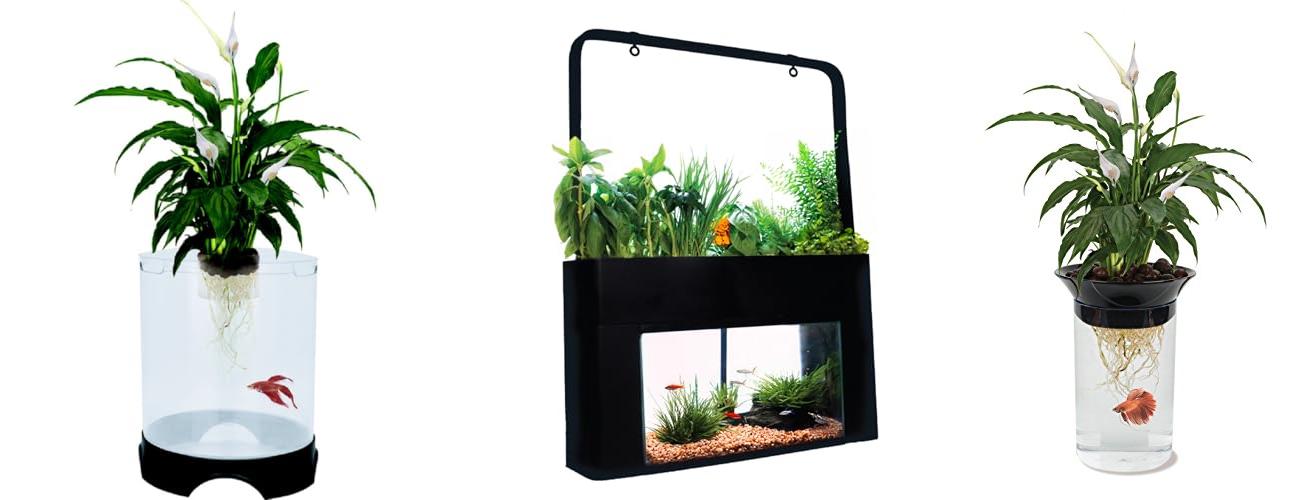
Imagine a garden that waters itself and grows food faster than ever before. That’s the magic of aquaponics! But to make this amazing system work, you need the right fish. Choosing the perfect fish for your aquaponics setup can feel like a puzzle. There are so many kinds, and some just won’t thrive in the unique environment you’re creating.
Many people get stuck wondering which fish are tough enough, which ones grow fast, and which ones will produce the best fertilizer for their plants. It’s a common worry that can make starting your aquaponics journey feel overwhelming. But don’t worry, we’re here to help you solve that puzzle!
In this post, we’ll explore the best fish for aquaponics. We’ll explain what makes a fish a good fit and share tips to help you pick the champion swimmer for your system. Get ready to learn how to make your aquaponics garden flourish with the help of some fin-tastic friends!
Our Top 5 Fish For Aquaponics Recommendations at a Glance
Top 5 Fish For Aquaponics Detailed Reviews
1. Penn-Plax Aquaponic Planter and Aquarium for Betta Fish

Rating: 9.5/10
The Penn-Plax Aquaponic Planter and Aquarium for Betta Fish is a neat way to bring a bit of nature into your home. This tank helps plants and fish live together in a healthy way. It creates a natural cycle where the plants clean the water for the fish. This makes a beautiful and interesting display.
What We Like:
- It’s a 2-in-1 system that looks great.
- The ultra-clear plastic lets you see everything clearly.
- It mimics nature’s way of keeping things clean.
- You can grow many kinds of plants and herbs in it.
- It comes with planting media to help your plants grow.
- Adding water to the plant waters the fish too!
- Feeding your fish is easy through the side openings.
What Could Be Improved:
- The tank is 1.4 gallons, which is a bit small for some fish if you add more than one.
- For Betta fish, you need to lower the water level so they can reach the surface to breathe.
- It’s best to use established plants, not seeds, which means a little extra prep.
This aquaponic tank is a fun and educational addition to any room. It’s a simple way to enjoy a mini ecosystem.
2. AquaSprouts Aquaponics Garden

Rating: 9.2/10
The AquaSprouts Aquaponics Garden is a cool, self-sustaining kit that brings a little piece of nature right to your desk. You can grow yummy veggies, herbs, and greens without any extra fertilizer. It’s like having your own mini farm and aquarium all in one! This kit is perfect for your home, office, or even a classroom. It teaches you about how nature works by using fish waste to feed your plants and letting your plants keep the fish water clean. This means you won’t have to change the water much or buy new filters, making it super easy to care for.
What We Like:
- It’s self-sustaining, so fish fertilize your plants and plants clean the water.
- You can grow your own food year-round, right at home.
- It requires very little water changing and no filter replacements once it’s set up.
- It’s a fun way to learn about ecosystems and is great for small spaces.
- It fits any standard 10-gallon aquarium, so you likely already have a tank to use.
What Could Be Improved:
- The aquarium itself is not included with the kit.
- Choosing the right fish and plants to start can be a bit tricky for beginners.
This AquaSprouts Garden is a fantastic way to enjoy fresh greens and learn about nature. It’s a fun, low-maintenance addition to any space.
3. Penn-Plax (APON1) Aquaponic Planter and Aquarium for Betta Fish Tank Promotes Healthy Hydroponic Environment for Plants and Fish
Rating: 9.0/10
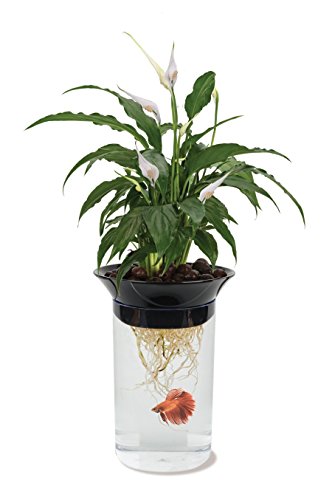
The Penn-Plax (APON1) Aquaponic Planter and Aquarium offers a unique way to combine a cozy home for your Betta fish with a thriving mini-garden. This clever setup uses nature’s own recycling system to keep both your fish and plants happy and healthy. It’s like a tiny, self-sustaining ecosystem right on your desk or shelf.
What We Like:
- It creates a natural, healthy environment for Betta fish and plants.
- The ultra-clear plastic lets you watch the whole system at work.
- It’s a great size for popular Betta fish.
- Many common houseplants and kitchen herbs can grow in it.
- It comes with special ceramic media to help plant roots grow strong.
- Watering your plant automatically waters your fish.
- The design is simple and easy to understand.
What Could Be Improved:
- Betta fish need about an inch of space from the water’s surface to breathe easily, so you’ll need to adjust the water level.
- Regular partial water changes are important for fish health.
- Feeding your fish requires lifting the top, which can be a bit inconvenient.
- It’s best to use established plants, not seeds.
This aquaponic planter is a fantastic way to bring a bit of living nature into your home. It’s a simple yet effective system for keeping Betta fish and plants together.
4. Hydroponic Garden Aquaponic Fish Tank Plants Growing System Self-Cleaning Seed Sprouter Tray
Rating: 8.8/10
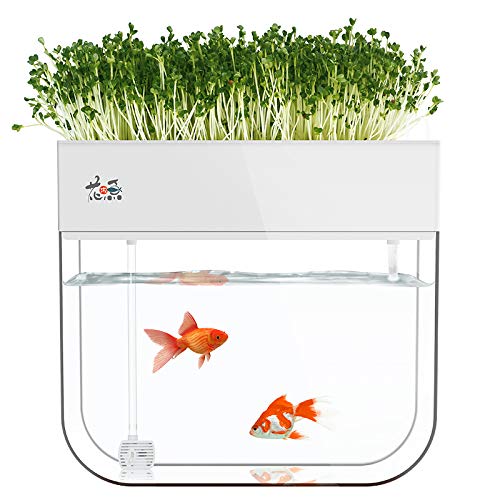
Discover the magic of nature with this innovative Hydroponic Garden Aquaponic Fish Tank Plants Growing System! It’s a clever way to grow fresh greens and keep fish happy, all in one neat package. Think of it as a mini ecosystem where plants and fish help each other thrive. The fish provide natural fertilizer for your plants, and in return, the plants keep the water sparkling clean for your fish friends. This self-cleaning system makes gardening easy and fun for everyone.
What We Like:
- Fish Tank & Seed Sprouter: This system cleverly combines a fish tank with a plant growing tray. Fish waste feeds the plants, and the plants purify the water for the fish. It’s a win-win!
- Self Cleaning System: You’ll spend less time cleaning! The plants soak up the fish waste, which acts as plant food. This means your fish tank needs cleaning about half as often as a regular one.
- Siphon Oxygen Supply: The water level in the tank goes up and down like a tide. This lets the plant roots get air and means you don’t need to water or fertilize them. It also naturally gives your fish the oxygen they need to breathe.
- Educational Product: It’s a fantastic learning tool! Use it at home or in school to teach kids about how seeds sprout. They can learn about where food comes from, how aquatic environments work, and how to care for animals.
- Great Gift: This system makes a thoughtful gift for kids, parents, teachers, food lovers, and anyone who enjoys gardening. (Psst! Need a replacement pump? Search for B08BR8H72X.)
What Could Be Improved:
- The setup might require a little initial guidance for absolute beginners.
- While it reduces cleaning, some basic maintenance will still be necessary.
This aquaponic system offers a unique and educational way to grow your own food while caring for fish. It’s a fantastic addition to any home or classroom.
5. Aquaponic Gardening: A Step-by-Step Guide to Raising Vegetables and Fish Together

Rating: 9.3/10
Aquaponic Gardening: A Step-by-Step Guide to Raising Vegetables and Fish Together offers a clear path for anyone wanting to grow their own food in a unique, sustainable way.
What We Like:
- The guide breaks down the whole process.
- It covers choosing the right spot and getting all your supplies.
- You learn about the important living parts: fish, plants, helpful bacteria, and even worms.
- Setting up your system is explained simply.
- You get instructions on how to keep your aquaponic garden healthy and growing.
- It helps you understand how fish waste fertilizes plants.
- This method uses less water than traditional gardening.
What Could Be Improved:
- More pictures could help visualize some steps.
- A troubleshooting section for common problems might be useful.
- Specific examples of fish and plant pairings could be expanded.
This book makes aquaponics accessible for beginners. It empowers you to create a productive and eco-friendly garden.
Choosing the Right Fish for Your Aquaponics System
Aquaponics is a fantastic way to grow plants and raise fish together. The fish waste fertilizes the plants, and the plants clean the water for the fish. Picking the right fish is a big step for a healthy and productive system. This guide helps you choose the best fish for your aquaponics adventure.
Key Features to Look For in Aquaponics Fish
When you select fish, think about these important features:
- Hardiness: Can the fish handle changes in water temperature and quality? Hardy fish are less likely to get sick.
- Growth Rate: How fast do the fish grow? Faster-growing fish give you a quicker harvest.
- Temperature Tolerance: Some fish like warm water, while others prefer it cool. Match your fish to your climate or the heating/cooling you can provide.
- Diet: What do the fish eat? Many aquaponics fish eat commercial fish food, which is easy to find. Some can also eat extra plant matter or bugs.
- Reproduction: Do you want your fish to breed in the tank? Some people like this for a continuous supply of fish.
- Edibility: Do you plan to eat the fish? If so, choose species that taste good and are safe to eat.
- Size: How big will the fish get? This affects the size of your tank and how many fish you can keep.
Important Materials for Your Fish’s Home
The fish need a safe and healthy place to live.
- Tank or Pond: This is where your fish will swim. It can be a large tank, a stock tank, or even a pond.
- Filtration System: This is crucial. It removes solid waste and converts ammonia from fish waste into nitrates that plants can use.
- Water Pump: This moves water between the fish tank and the grow beds.
- Grow Beds: These hold your plants and media (like clay pebbles) to filter the water.
- Aeration: Air stones or diffusers add oxygen to the water, which fish need to breathe.
Factors That Improve or Reduce Quality
Several things make your fish and system better or worse.
Factors that Improve Quality:
- Stable Water Parameters: Keep pH, temperature, and ammonia levels steady. Fish thrive in consistent conditions.
- Good Filtration: A well-working filter keeps the water clean and healthy.
- Proper Stocking Density: Don’t put too many fish in one tank. Overcrowding stresses fish and pollutes the water.
- Quality Food: Feed your fish nutritious food. This helps them grow well and produce good waste for plants.
- Regular Observation: Watch your fish daily. Spotting problems early helps you fix them quickly.
Factors that Reduce Quality:
- Sudden Water Changes: Big shifts in temperature or pH shock fish.
- Poor Filtration: Dirty water leads to sick fish and unhealthy plants.
- Overfeeding: Uneaten food rots and pollutes the water.
- Introducing Sick Fish: New fish can bring diseases to your existing fish. Always quarantine new fish.
- Using the Wrong Materials: Some plastics or metals can leach harmful chemicals into the water.
User Experience and Use Cases
People use aquaponics for different reasons.
- Home Food Production: Many people set up small systems at home to grow fresh vegetables and fish for their families.
- Educational Purposes: Schools and universities use aquaponics to teach about biology, ecology, and sustainable farming.
- Commercial Farming: Larger aquaponics farms produce a lot of food for markets and restaurants.
- Hobbyists: Some people simply enjoy the challenge and reward of creating a balanced ecosystem.
The best fish for you depends on your goals, your climate, and the size of your system. Tilapia, goldfish, koi, trout, and catfish are popular choices for aquaponics. Do your research and choose fish that fit your needs!
Frequently Asked Questions About Fish for Aquaponics
Q: What are the best fish for beginners?
A: For beginners, hardy fish like goldfish or tilapia are excellent choices. They tolerate a range of water conditions and are easier to care for.
Q: Can I raise multiple types of fish together?
A: Sometimes, but it depends on the fish. They must have similar water needs (temperature, pH) and not be aggressive towards each other. Research compatibility carefully.
Q: How many fish can I put in my tank?
A: This depends on your tank size and filtration. A common rule is 1 pound of fish per 5-10 gallons of water, but good filtration allows for more.
Q: What should I feed my aquaponics fish?
A: Most aquaponics fish eat commercial fish pellets. Ensure the pellets are high quality and suitable for the specific fish species.
Q: How do I know if my fish are healthy?
A: Healthy fish are active, have clear eyes, and swim normally. Look out for clamped fins, lethargy, or spots on their bodies.
Q: Can I use fish from a local pond?
A: It’s generally not recommended. Wild-caught fish can carry diseases or parasites that harm your system. It’s best to buy fish from a reputable supplier.
Q: What is the ideal water temperature for most aquaponics fish?
A: This varies by species. Tropical fish like tilapia prefer warmer water (70-85°F), while cool-water fish like trout need colder temperatures (50-65°F).
Q: How does fish waste help my plants?
A: Fish excrete ammonia. Beneficial bacteria in your system convert this ammonia into nitrates, which are essential nutrients for plant growth.
Q: Do I need to change the water in my aquaponics system often?
A: Unlike traditional aquariums, aquaponics systems require very little water changes. The plants use the fish waste, keeping the water clean.
Q: Can I eat fish raised in an aquaponics system?
A: Yes, many people raise edible fish like tilapia, catfish, and trout for consumption. Just be sure to research the specific species and ensure it’s safe to eat.
In conclusion, every product has unique features and benefits. We hope this review helps you decide if it meets your needs. An informed choice ensures the best experience.
If you have any questions or feedback, please share them in the comments. Your input helps everyone. Thank you for reading.