
Do you love listening to your favorite radio stations, but the sound is fuzzy or weak? Maybe you’ve tried to boost your FM signal, only to be overwhelmed by all the different antennas out there. It can feel like a guessing game, and you just want clear, crisp sound without the hassle.
Choosing the right FM antenna can be tricky. You want to pick one that actually works well for your location and your radio. Many people end up with an antenna that doesn’t improve their reception much, leaving them frustrated and with wasted money. It’s a common problem for anyone who enjoys FM radio.
But what if we told you that finding the perfect FM antenna doesn’t have to be so complicated? In this post, we’re going to break down what makes a good FM antenna and how to choose one that fits your needs. You’ll learn how to get the best possible sound from your radio and finally enjoy your favorite stations without any static.
Our Top 5 Fm Antenna Recommendations at a Glance
Top 5 Fm Antenna Detailed Reviews
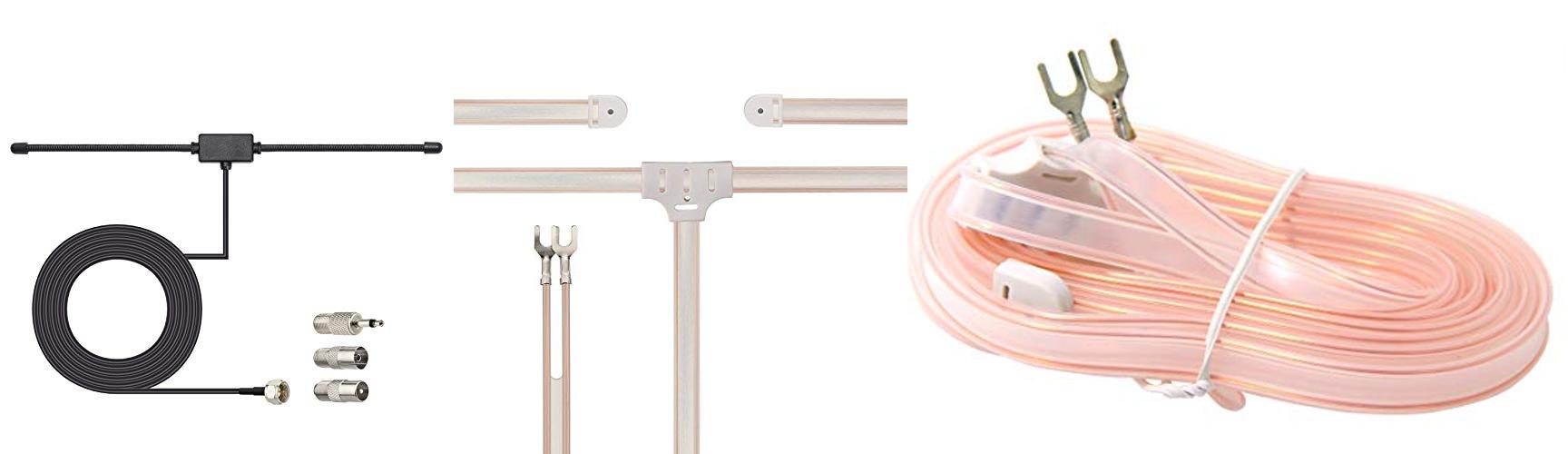
1. Bingfu FM Radio Dipole Antenna for Stereo Receiver Indoor Pioneer Onkyo Yamaha Marantz Bose Wave Music System Home FM Radio AV Audio Video Home Theater Receiver

Rating: 8.9/10
Tired of fuzzy FM radio signals? The Bingfu FM Radio Dipole Antenna is designed to give your stereo receiver a much-needed boost. This antenna works with many popular brands like Yamaha, Pioneer, and Onkyo, and even Bose Wave Music Systems. It’s an indoor antenna that aims to improve your FM radio reception, making your music sound clearer and more enjoyable.
What We Like:
- It’s easy to set up with adhesive mounting.
- It comes with several adapter types to fit different receivers.
- The 10-foot cable gives you flexibility in placing the antenna.
- It can help improve your FM radio stereo sound.
- It’s compatible with a wide range of popular audio brands.
What Could Be Improved:
- Signal strength can be affected by your location and surroundings.
- You might need to experiment with placement for the best results.
This antenna offers a simple way to enhance your indoor FM radio experience. With a little adjustment, you can enjoy clearer sound for your favorite stations.
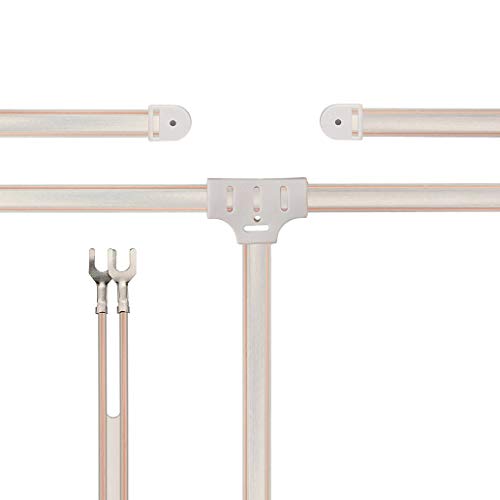
2. Bingfu FM Dipole Antenna 300 Ohm with 2 Pin Bare Wire Twin Lead for Indoor Digital HD Radio Table Top FM Radio AV Audio Video Home Theater Stereo Receiver HDTV TV Tuner
Rating: 8.7/10
Looking for a better FM radio signal? The Bingfu FM Dipole Antenna is a simple yet effective solution. This T-shaped antenna connects directly to your stereo receiver, helping you pick up more stations clearly. It’s designed for indoor use and works with many popular brands of home stereo systems.
What We Like:
- It’s easy to install. You just connect the two bare wires to your radio.
- This antenna can help you get clearer FM radio reception.
- It’s compatible with many well-known stereo receiver brands like Yamaha, Pioneer, and Sony.
- The antenna is designed for indoor use, so you can place it on a shelf or near your radio.
- It provides a better signal than the small, built-in antennas some radios have.
What Could Be Improved:
- You need to check your radio’s FM input to make sure it has a 300 Ohm, 2-pin bare wire connector.
- This antenna is for FM radio only, not AM.
If your current FM reception is weak, this Bingfu antenna is a good option to try. It offers a straightforward way to boost your radio signal.
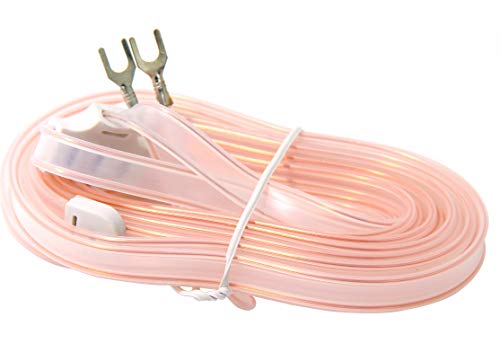
3. Ancable 300 Ohm FM Antenna T Shape Dipole Radio Ant with Spade Terminal for Yamaha Sharp JVC Denon Marantz Vintage Stereo Tuner Receiver
Rating: 8.6/10
Tired of fuzzy radio signals? The Ancable 300 Ohm FM Antenna is your simple solution to better FM stereo reception. This T-shaped dipole antenna is designed to boost the signal for your vintage stereo tuner receiver. It works with popular brands like Yamaha, Sharp, JVC, Denon, and Marantz. Just plug it in and enjoy clearer radio stations.
What We Like:
- Plug and Play Simplicity: Installation is a breeze. You just connect it to your receiver.
- Improved Reception: It greatly improves your FM stereo reception, so you hear your favorite stations clearly.
- Longer Reach: The 5.9-foot antenna cable lets you position it for the best signal. This means you can get more channels and radio stations.
- Versatile Placement: Use it on your tabletop, at home, in the office, garage, or basement. It’s a great radio solution for many places.
- Wide Compatibility: It fits most receivers with a clip or terminal FM socket.
What Could Be Improved:
- Terminal Verification Needed: You must check your receiver’s FM socket before buying to make sure it matches.
This antenna is a fantastic upgrade for anyone looking to enhance their radio listening experience. Get ready to enjoy your favorite broadcasts with improved clarity and more station options.
4. FM Radio Antenna

Rating: 9.3/10
Tired of fuzzy radio signals? The Ancable Indoor FM Telescopic Antenna is here to boost your listening experience. This antenna is designed to grab more FM channels, even in areas where reception is usually weak. It’s built tough and easy to connect, making it a great upgrade for your home stereo system.
What We Like:
- FULL RANGE Of FM CHANNELS: Get more stations and clearer sound. It really improves reception in tricky spots.
- RUGGED & HEAVY HIGH QUALITY: Made from brass copper with 10 extendable sections, it feels strong and will last a long time.
- Wide Compatibility: It comes with F-type male connectors and adapters for PAL male, PAL female, and 3.5mm. This means it works with many different radios and receivers like Bose Wave, Sangean, Yamaha, Sony, and more.
- EASY INSTALLATION: Forget complicated wires! Just screw or plug it into your radio’s antenna socket. It’s much simpler than old-fashioned antennas.
- 100% Guarantee: Ancable offers a 12-month warranty and a “No Questions Asked” guarantee for replacements or refunds. They stand behind their quality.
- User Friendly Installation Experience: The simple design makes it easy to set up without needing detailed instructions.
What Could Be Improved:
- Connector Confirmation: While it has many connectors, it’s important to check your device’s specific ports before buying to make sure it will work perfectly.
This Ancable antenna is a solid choice for anyone wanting better FM radio reception with easy setup. It’s a high-quality solution that promises a clearer sound for your favorite stations.
5. FM Antenna for Stereo Receiver Indoor

Rating: 9.4/10
Tired of fuzzy radio stations and weak signals? This indoor FM antenna is here to help! It’s designed to boost your FM signal, giving you a clearer and more stable connection to your favorite radio stations. Whether you have a stereo receiver, AV receiver, home theater system, or just a simple tuner, this antenna is a simple yet effective upgrade.
What We Like:
- It dramatically improves your FM signal reception. You’ll get more stations and a clearer sound.
- It’s super easy to set up. Just plug it in, and you’re good to go – no complicated steps!
- The 4.9-foot cable gives you flexibility in where you place it.
- It works with a wide range of audio systems, from stereo receivers to home theater amplifiers.
- It’s a simple and effective solution for better radio listening.
What Could Be Improved:
- The cable length, while flexible, might still be a bit short for some very large rooms.
- While it’s great for indoor use, it won’t perform as well as an outdoor antenna in areas with extremely poor signals.
If you want to enjoy your FM radio with better clarity and more station choices, this antenna is a fantastic and easy upgrade. It’s a small change that makes a big difference in your listening experience.
Your Guide to a Better FM Signal: Choosing the Right FM Antenna
Tired of fuzzy radio? An FM antenna can bring clear music and talk radio right to your home. This guide helps you find the best one.
Why You Need an FM Antenna
Many radios have small, built-in antennas. These often don’t pick up distant or weak signals well. An external FM antenna connects to your radio and pulls in a stronger, clearer signal. This means better sound quality for your favorite stations.
Key Features to Look For
When shopping for an FM antenna, keep these features in mind:
1. Type of Antenna
- Dipole Antennas: These are the most common. They look like a T-shape or two rods. They are simple and work well for most situations.
- Loop Antennas: These are circular. They can be good at picking up signals from any direction.
- Directional Antennas: These antennas are designed to point towards a specific radio tower. They offer the strongest signal from that direction.
- Omnidirectional Antennas: These pick up signals from all directions. They are good if radio towers are spread out.
2. Gain
Gain tells you how well the antenna amplifies the radio signal. Higher gain means a stronger signal. Look for antennas with a good gain rating, especially if you live far from radio towers.
3. Impedance
Most FM radios use a 75-ohm impedance. Make sure the antenna matches this. If they don’t match, you might get a weaker signal.
4. Cable Length
The cable connects the antenna to your radio. A longer cable gives you more options for placing the antenna where it can get the best signal. Think about where you want to put the antenna and measure the distance to your radio.
5. Durability and Weather Resistance
If you plan to use the antenna outdoors, it needs to be tough. Look for antennas made from materials that can handle sun, rain, and wind.
Important Materials
The materials used affect how well the antenna works and how long it lasts.
- Copper: Copper is an excellent conductor of electricity. Many high-quality antennas use copper elements for the best signal reception.
- Aluminum: Aluminum is lighter than copper and still conducts signals well. It’s often used for outdoor antennas because it’s less expensive and resists rust.
- Plastic: Strong, weather-resistant plastics are used for the antenna’s housing and supports. This protects the internal parts.
Factors That Improve or Reduce Quality
Several things can make your FM antenna work better or worse.
Improving Quality:
- Placement: High is good! Putting the antenna as high as possible, away from walls and large objects, helps it catch signals better.
- Direction: If you know where the radio towers are, pointing a directional antenna towards them makes a big difference.
- Clear Line of Sight: Trees, buildings, and hills can block radio waves. An open space between the antenna and the tower means a clearer signal.
Reducing Quality:
- Obstructions: Walls, metal objects, and even some electronic devices can interfere with FM signals.
- Distance: The farther you are from a radio tower, the weaker the signal will be.
- Poor Connections: Loose or corroded connectors between the antenna and the radio can weaken the signal.
User Experience and Use Cases
How you use your antenna depends on your needs.
- Home Stereo Systems: Connect an antenna to your receiver for crystal-clear music.
- Dorm Rooms or Apartments: Small, indoor antennas are perfect for places where you can’t install outdoor ones.
- Boats or RVs: Weather-resistant outdoor antennas provide reliable radio access on the go.
- Areas with Weak Signals: If your current radio reception is poor, a good antenna is essential.
Frequently Asked Questions (FAQ)
Q: What is the most important thing to consider when buying an FM antenna?
A: The most important thing is where you live. If you are close to radio towers, a simple antenna will work. If you are far away, you need a more powerful one.
Q: Can I use an indoor antenna outdoors?
A: It’s usually not recommended. Indoor antennas are not built to withstand weather. Outdoor antennas are made to be durable.
Q: Do I need a special radio to use an FM antenna?
A: No. Most radios that receive FM signals have a connector for an external antenna. It’s often a screw-on type.
Q: How do I know which direction to point a directional antenna?
A: You can use online tools or apps that show the location of FM radio towers in your area. You can also experiment by pointing the antenna in different directions until you get the best signal.
Q: Will an antenna help if I only listen to one local station?
A: If that local station has a weak signal at your location, yes, an antenna can improve its clarity.
Q: How often do I need to clean my FM antenna?
A: For outdoor antennas, check them periodically for dirt or debris. A gentle wipe with a damp cloth should be enough. Indoor antennas usually don’t need cleaning.
Q: Can I connect more than one antenna to my radio?
A: Most radios only have one antenna input. You cannot connect multiple antennas directly without special equipment.
Q: Are expensive FM antennas always better?
A: Not necessarily. The best antenna for you depends on your specific location and needs. A well-placed, moderately priced antenna can often perform as well as or better than a very expensive one.
Q: What is the difference between an FM antenna and an AM antenna?
A: FM and AM radio waves are different. FM antennas are designed to pick up FM frequencies, while AM antennas are for AM frequencies. They are not interchangeable.
Q: Can I make my own FM antenna?
A: Yes, you can! Many people build simple dipole antennas using wire and basic materials. However, buying a well-made antenna is often easier and provides more consistent results.
In conclusion, every product has unique features and benefits. We hope this review helps you decide if it meets your needs. An informed choice ensures the best experience.
If you have any questions or feedback, please share them in the comments. Your input helps everyone. Thank you for reading.