
Can you get a dirt bike title without a title? Yes, in many cases, you can obtain a legal dirt bike title even if the previous owner lost it or the bike was never titled. This guide will walk you through the entire process, from what to do when purchasing a used dirt bike to navigating situations with lost or salvage titles. We’ll cover everything you need to know to secure legal ownership of your dirt bike, ensuring you can register it for off-road use where required and avoid legal headaches down the road.
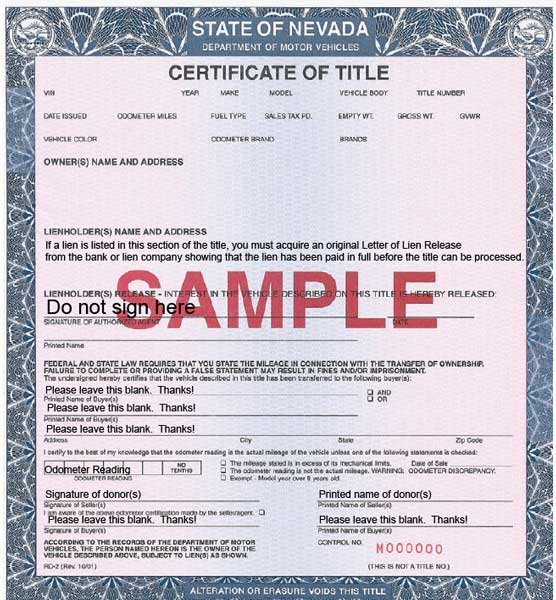
Image Source: d1j5r50obvimnh.cloudfront.net
Why Do You Need a Dirt Bike Title?
A dirt bike title is more than just a piece of paper; it’s your proof of legal ownership dirt bike. While many dirt bikes are designed for off-road use and don’t require traditional street registration, a title is often necessary for several reasons:
- Proof of Ownership: It establishes that you are the rightful owner, protecting you from claims by others.
- Resale Value: A titled bike is generally easier to sell and commands a higher price.
- Registration/Licensing: If your local or state laws require dirt bike registration for off-road use in designated areas, a title is usually the first step.
- Insurance: Some insurance providers may require a title to insure your dirt bike.
- Loan Applications: If you ever need to finance a dirt bike, a title is almost always a requirement.
Acquiring a Title When Purchasing a Used Dirt Bike
Buying a used dirt bike purchase can be an exciting way to get into off-road riding without the hefty price tag of a new machine. However, it’s crucial to ensure the transaction is handled legally, and that starts with the title.
The Importance of a Bill of Sale
A bill of sale dirt bike is a vital document when buying a used motorcycle. It acts as a receipt and a legal record of the transaction between buyer and seller. Always ensure the bill of sale includes:
- Full Names and Addresses: Of both the buyer and the seller.
- Bike Details: Make, model, year, and the Vehicle Identification Number (VIN). The VIN is your dirt bike’s unique fingerprint.
- Sale Price: The agreed-upon amount for the dirt bike.
- Date of Sale: The exact date the ownership changes hands.
- Signatures: Both the buyer and seller must sign the document.
- A Statement of Transfer: Clearly stating that the seller is transferring ownership to the buyer.
Pro Tip: Get a separate bill of sale for the dirt bike itself and any accessories included in the sale.
Verifying the Seller’s Identity and Ownership
Before handing over any money, it’s paramount to verify that the seller is the legal owner of the dirt bike and has the right to sell it.
- Match the VIN: Check that the VIN on the dirt bike matches the VIN on the title and any other documentation the seller provides.
- Match the Seller’s ID: Compare the seller’s driver’s license or other identification to the name on the title.
- Check for Liens: Inquire if there are any outstanding loans or liens on the dirt bike. A lienholder must release their claim before ownership can be legally transferred.
The Motorcycle Title Transfer Process
The motorcycle title transfer process varies slightly by state, but the general steps are consistent.
- Seller Completes the Title: The seller typically signs over the existing title to you in the designated section. They will usually fill in your name as the new owner and the sale price.
- You Complete Your Information: You’ll then fill in your details on the title.
- Submit to the State DMV: You will need to take the signed title, the bill of sale, proof of identity, and any other required forms to your state DMV dirt bike office.
- Pay Fees and Taxes: Be prepared to pay transfer fees, sales tax (if applicable in your state), and potentially registration fees.
- Receive New Title: The DMV will process your application and mail you a new title in your name. This can take several weeks.
Dealing with a Lost Dirt Bike Title
It’s a common scenario: you buy a dirt bike, or you’ve owned one for a while, and suddenly realize the title is missing. Don’t panic; obtaining a lost dirt bike title is usually straightforward.
Steps to Replace a Lost Title
- Contact the Previous Owner: If you recently purchased the bike and the seller didn’t provide a title or lost it themselves, your first step is to contact them. They may be able to apply for a duplicate title and transfer it to you.
- Apply for a Duplicate Title Yourself: If you can’t reach the previous owner or you’ve owned the bike for some time, you’ll need to apply for a duplicate title through your state’s DMV.
- Gather Necessary Information: You’ll typically need:
- A completed application for a duplicate title.
- Your identification.
- The dirt bike’s VIN.
- Proof of ownership (like your bill of sale, registration records, or insurance documents).
- A fee for the duplicate title.
- VIN Verification (Sometimes Required): In some states, especially if you don’t have a title at all, you might need a VIN verification dirt bike. This is a process where an authorized individual (often from the DMV or law enforcement) physically inspects the bike to confirm the VIN and ensure it hasn’t been altered or stolen.
Important Note: If the previous owner is still listed on the title and you’re applying for a duplicate, they may need to sign off on your application or the DMV might have specific procedures for this situation.
Navigating the Salvage Dirt Bike Title
Buying or owning a salvage dirt bike title presents a unique set of challenges and requirements. A salvage title is issued for vehicles that have been declared a total loss by an insurance company, usually due to significant damage from accidents, floods, or other disasters.
Can You Get a Regular Title from a Salvage Title?
Yes, it is often possible to get a “rebuilt” or “restored” title from a salvage title, but this is a complex and rigorous process.
The Rebuilding Process: Turning Salvage into Roadworthy (or Off-Road Ready)
- Inspection and Repairs: The dirt bike must be repaired to a safe and functional condition. This often involves replacing damaged parts and ensuring all systems are working correctly.
- State Inspection: Before you can even apply for a rebuilt title, the bike must pass a stringent state inspection. This inspection verifies that the repairs have been made correctly and that the bike meets safety standards. This can be a significant hurdle.
- VIN Re-assignment (Sometimes): In some cases, if major structural components with VINs were replaced, the state may assign a new VIN to the vehicle.
- Application for Rebuilt Title: Once the bike passes inspection, you can apply for a “rebuilt” or “restored” title. This process involves submitting inspection reports, receipts for parts used in repairs, and other documentation.
- Subsequent Title Transfer: Once you have a rebuilt title, you can then proceed with a standard motorcycle title transfer if you sell the bike.
Considerations for Salvage Bikes:
- Insurance: Insuring a bike with a rebuilt title can be more difficult and expensive.
- Resale Value: Bikes with rebuilt titles typically have a lower resale value than those with clean titles.
- Legality: Ensure that all repairs and title changes comply with your state’s specific regulations for salvage vehicles. Some states have very strict rules about what constitutes a “rebuilt” vehicle.
Getting an Off-Road Vehicle Title
Some states require off-road vehicle title or registration even for bikes not intended for street use. This is particularly true if you plan to ride on public lands, state parks, or designated OHV (Off-Highway Vehicle) areas.
Requirements for Off-Road Titles
- Proof of Ownership: This is usually the signed title from the seller, or a bill of sale if the bike was never titled.
- Application Form: A specific application for an off-road vehicle title or registration.
- VIN Verification: As mentioned earlier, a VIN verification dirt bike might be necessary if the bike has never been titled or registered.
- Fees: There will be associated fees for the title and registration.
State Variations: It’s crucial to check with your specific state DMV dirt bike office or equivalent agency. They will have the most accurate and up-to-date information on their requirements for titling and registering off-road vehicles. Some states may issue a separate “off-road use only” title or registration sticker.
The VIN: Your Dirt Bike’s Identification
The Vehicle Identification Number (VIN) is a 17-character alphanumeric code unique to your dirt bike. It’s essential for all title and registration processes.
Where to Find Your Dirt Bike’s VIN
- Steering Stem: Most commonly, the VIN is located on the steering head or steering stem.
- Frame: It can also be stamped directly onto the frame, often near the engine.
- Engine Case: Less commonly, it might be on the engine case.
- Original Documents: Check any previous registration papers, title documents, or owner’s manuals.
Why VIN Verification is Important
A VIN verification dirt bike is a process to confirm the bike’s identity. It’s usually required in these situations:
- No Title: If you purchased a bike without a title and need to establish legal ownership.
- Salvage or Rebuilt Titles: To ensure the repairs meet standards.
- Imported Vehicles: To verify authenticity and compliance.
- Stolen or Altered VINs: To detect any tampering.
The state DMV dirt bike office will have a list of authorized individuals or stations that can perform VIN verifications. This often includes law enforcement officers or specific DMV personnel.
Tips for a Fast and Legal Process
While “fast” is relative when dealing with government agencies, here are some tips to streamline the process and ensure you remain legal:
- Be Prepared: Have all your documents (bill of sale, previous title, ID, VIN verification if needed) organized and complete before visiting the DMV.
- Know Your State’s Laws: Visit your state DMV dirt bike website or call them before you go. Every state has slightly different procedures, forms, and fees.
- Accurate Information: Double-check all names, addresses, VINs, and dates on your paperwork. Errors can cause significant delays.
- Consider the VIN: If you’re buying a bike with no title, factor in the potential need for a VIN verification into your timeline.
- Patience is Key: Bureaucracy can be slow. While you want it fast, ensuring it’s done legally and correctly is more important.
Frequently Asked Questions (FAQ)
Q1: Can I ride my dirt bike without a title?
A1: Generally, you cannot legally ride a dirt bike on public lands or roads (if it’s plated) without proper registration, which almost always requires a title. For private property use, it might be less critical, but having a title is still crucial for proof of ownership and future resale.
Q2: What if the seller doesn’t have the title?
A2: If the seller doesn’t have the title, they should be able to apply for a duplicate from their state’s DMV before the sale. If they refuse or are unable, you may need to request a notarized bill of sale and pursue a title yourself, potentially through a bonding process, which can be complex.
Q3: How long does a motorcycle title transfer take?
A3: The actual transfer at the DMV might be quick, but receiving the new title in the mail can take anywhere from a few weeks to a couple of months, depending on the state’s processing times.
Q4: What’s the difference between a title and registration?
A4: A title proves ownership. Registration is the process of licensing the vehicle for use on public roads or designated areas, which typically requires a title and proof of insurance. For off-road bikes, registration might be for trail passes or permits.
Q5: Can I get a title for a dirt bike that was never titled?
A5: Yes, this is often possible. You will typically need a detailed bill of sale from the person you acquired it from, proof of your identity, and potentially a VIN verification and a surety bond. The process varies significantly by state.
Q6: What if the VIN is missing or looks altered?
A6: This is a major red flag. An altered or missing VIN often indicates the bike may be stolen or has been involved in something illegal. Do not purchase a bike in this condition without thoroughly investigating the situation with local authorities and the DMV. You will likely need a VIN verification, and the process to rectify this can be extremely difficult, if not impossible.
Q7: Do I need a title for a dirt bike I only ride on my own property?
A7: Legally, for private property use only, a title might not be strictly necessary for operation. However, it is highly recommended for proof of ownership, especially if there’s any chance of disputes, or if you ever decide to sell it or ride it elsewhere.
Q8: How can I ensure my bill of sale is legally binding?
A8: Ensure it contains all the essential details mentioned in this guide: names, addresses, bike specifics (including VIN), price, date, and signatures. Some states recommend notarizing the bill of sale for added legal weight.
By following these guidelines and doing your due diligence, you can navigate the process of obtaining a dirt bike title legally and efficiently, ensuring your peace of mind and the full enjoyment of your off-road adventures.