
An electric bike battery typically lasts between 3 to 5 years, or about 500 to 1000 charge cycles, before its capacity significantly diminishes. Can I still use an e-bike battery after it degrades? Yes, but with reduced range and power.
The heart of any electric bike (e-bike) is its battery. It’s the component that provides the electric boost, extending your range and making hills feel flatter. But just like any rechargeable battery, e-bike batteries don’t last forever. The question on every e-bike owner’s mind is: “How long will my battery last?” This comprehensive guide will delve into the expected lifespan of an e-bike battery, the factors that influence it, and how you can maximize its longevity. We’ll also touch upon electric scooter battery lifespan and the underlying e-bike battery technology.
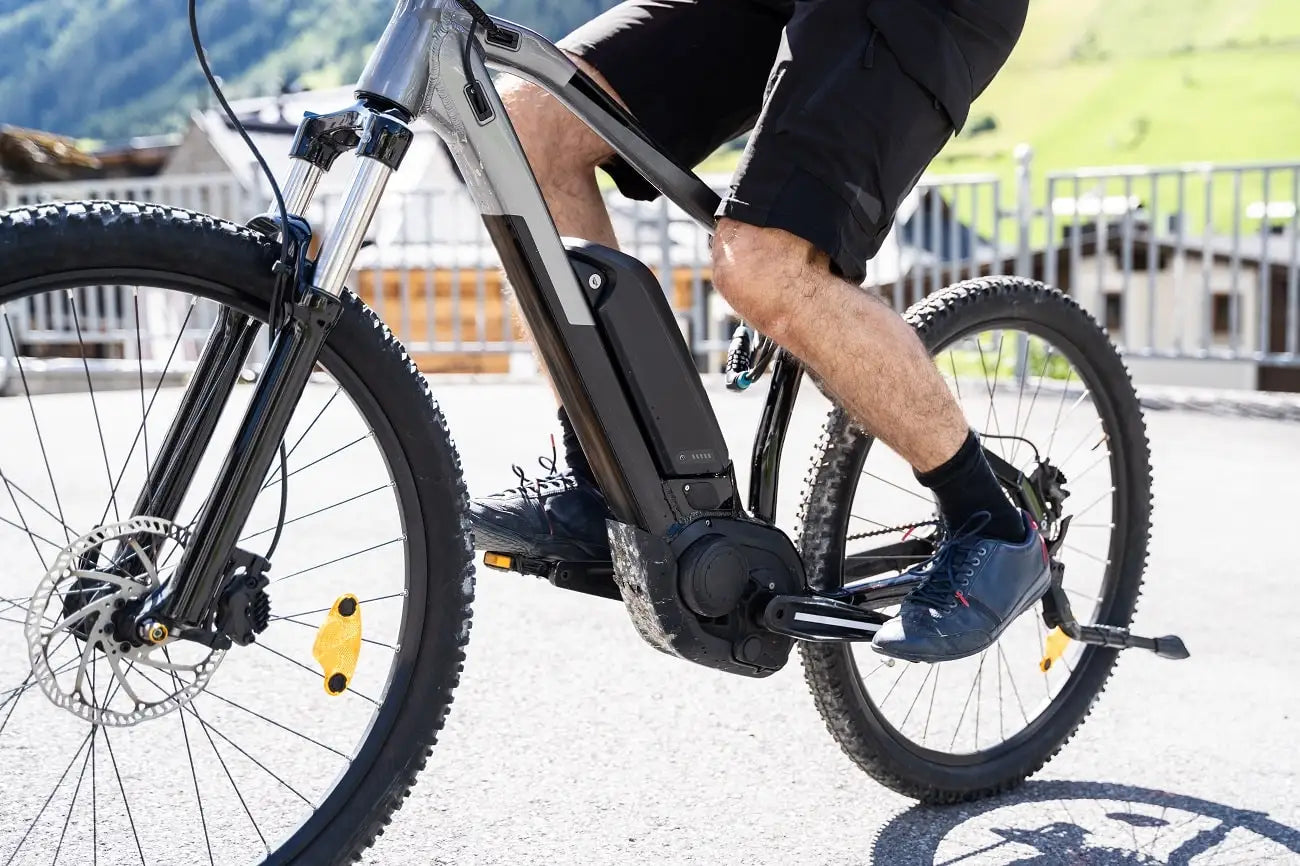
Image Source: rydybikes.com
Deciphering E-bike Battery Lifespan
When we talk about how long an electric bike battery lasts, we’re usually referring to two key metrics: calendar life and cycle life.
Calendar Life
Calendar life is simply the total amount of time a battery can be stored or used from the date of manufacture until it becomes unusable or significantly degraded. For most lithium-ion e-bike batteries, this is typically between 3 to 5 years. Even if you don’t ride your e-bike frequently, the battery will still age internally over time due to chemical processes.
Cycle Life
Cycle life refers to the number of full charge and discharge cycles a battery can endure before its capacity drops to a certain percentage of its original state, usually 80%. Most quality e-bike batteries are rated for 500 to 1000 charge cycles.
What is a charge cycle? A charge cycle is completed when you use an amount of energy equivalent to the battery’s total capacity. For example, if you use half your battery one day and recharge it, and then use the other half the next day and recharge it, that counts as one full charge cycle. If you only use a quarter of the battery and recharge it, it’s a quarter of a cycle.
What Influences E-bike Battery Life?
Several factors play a crucial role in determining the overall electric bicycle battery life you can expect. Understanding these will help you make informed decisions and take better care of your battery.
1. Battery Chemistry and Quality
The most common battery chemistry for e-bikes is lithium-ion (Li-ion). Within Li-ion, there are various sub-chemistries like Lithium Cobalt Oxide (LCO), Lithium Manganese Oxide (LMO), Lithium Nickel Manganese Cobalt Oxide (NMC), and Lithium Iron Phosphate (LFP).
- NMC batteries are very popular for e-bikes due to their good energy density, power output, and reasonable lifespan.
- LFP batteries, while often having a slightly lower energy density, are known for their excellent safety, longer cycle life, and stability, making them a great choice for longevity.
The quality of the battery cells and the battery management system (BMS) are paramount. Reputable manufacturers use higher-grade cells and sophisticated BMS to ensure optimal performance and safety, which directly translates to a longer e-bike battery lifespan. Cheaper, unbranded batteries often use lower-quality components and may not have a robust BMS, leading to premature degradation and potential safety hazards.
2. Charging Habits
How you charge your e-bike battery can significantly impact its health.
- Overcharging: While modern BMS systems prevent overcharging, frequently leaving a battery plugged in for extended periods after it’s fully charged can still put stress on the cells.
- Deep Discharges: Consistently draining the battery to 0% is detrimental. Lithium-ion batteries prefer to be kept within a mid-range state of charge (e.g., 20% to 80%).
- Charging Temperature: Charging a battery when it’s too hot or too cold can damage the internal components. Always charge your battery in a moderate temperature environment.
- Using the Wrong Charger: Always use the charger specifically designed for your e-bike battery. Using an incompatible charger can lead to improper charging voltages, overheating, and irreversible damage.
3. Usage Patterns and Riding Conditions
The way you use your e-bike directly impacts how quickly you accumulate charge cycles and how much stress is placed on the battery.
- Frequency of Use: The more you ride and charge your battery, the faster you will reach its cycle life limit.
- Assistance Levels: Using higher levels of pedal assistance or the throttle more frequently will drain the battery faster, leading to more frequent recharges and thus more cycles over time.
- Terrain and Load: Riding on steep hills, carrying heavy loads, or battling strong headwinds requires more power from the motor, which in turn draws more current from the battery. This increased demand can accelerate battery degradation.
- Riding Temperature: Extreme temperatures, both hot and cold, can affect battery performance and lifespan. High temperatures can cause the battery to overheat, while very cold temperatures can reduce its capacity and charging efficiency.
4. Storage Practices
Proper storage is crucial, especially if you won’t be using your e-bike for an extended period.
- Storage Charge Level: Store your e-bike battery at around 50-60% charge. Storing a fully charged or completely depleted battery for long periods can cause irreversible damage.
- Storage Environment: Store the battery in a cool, dry place away from direct sunlight and extreme temperatures.
5. Battery Management System (BMS)
The BMS is the brain of your e-bike battery. It monitors and manages various aspects of the battery’s operation, including:
- Cell Balancing: Ensures that all cells within the battery pack are charged and discharged evenly, which is critical for maximizing lifespan and preventing damage to individual cells.
- Overcharge Protection: Prevents the battery from being charged beyond its safe limit.
- Over-discharge Protection: Stops the battery from being drained too deeply, which can cause permanent damage.
- Temperature Monitoring: Protects the battery from overheating or freezing during charging and discharging.
- Short Circuit Protection: Prevents damage from accidental short circuits.
A robust and well-programmed BMS is a key indicator of good e-bike battery technology and directly contributes to the battery’s overall health and longevity.
Assessing E-bike Battery Health and Degradation
As your e-bike battery ages, you’ll likely notice a decline in its performance. This is known as e-bike battery degradation.
Signs of Degradation:
- Reduced Range: The most common sign is that your e-bike doesn’t travel as far on a single charge as it used to.
- Shorter Peak Performance: You might notice less power when climbing hills or accelerating.
- Longer Charging Times: An older battery may take longer to reach a full charge.
- Battery Not Holding Charge: The battery may appear to charge fully but drain very quickly.
- Error Codes: Some e-bike systems will display error codes indicating a battery issue.
E-bike Battery Cycle Count: A Deeper Look
The e-bike battery cycle count is a key indicator of its remaining lifespan. Most manufacturers provide this information in their specifications.
- Tracking Cycles: Some advanced e-bike systems may have a way to display the current cycle count. If not, you’ll have to rely on the calendar age and observed performance degradation.
- Interpreting Cycle Counts: A battery rated for 500 cycles that is used daily will reach its limit much faster than one used weekly. For example, daily use (assuming one cycle per day) means it might last about 1.5 years, whereas weekly use might extend its life to nearly 10 years. However, remember that calendar aging also occurs.
How to Extend E-bike Battery Life
Good news! There are several proactive steps you can take to extend e-bike battery life and ensure you get the most out of your investment.
Proactive Charging Strategies
- Avoid Deep Discharges: Try not to let your battery drop below 20% charge regularly. If you know you have a long ride coming up, charge it before it gets critically low.
- Partial Charging is Okay: Lithium-ion batteries don’t suffer from the “memory effect” like older battery technologies. It’s perfectly fine to charge your battery partially. Charging it up to 80% for daily use and then topping it off before a long ride can be beneficial.
- Optimal Storage Charge: If storing for more than a month, aim for a charge level between 50% and 70%. Check and top up every few months if needed.
- Use the Correct Charger: This cannot be stressed enough. Always use the charger that came with your e-bike or a certified compatible replacement.
Environmental and Usage Considerations
- Moderate Temperatures: Avoid charging or storing your battery in extreme heat or cold. If your battery is hot from riding, let it cool down before charging. If it’s very cold, let it warm up indoors.
- Gentle Riding: While e-bikes are built for performance, consistently using the highest assist levels or the throttle excessively will shorten range and increase wear on the battery. Vary your assist levels and pedal when you can.
- Minimize Load: While e-bikes are designed to carry loads, excessive weight will put more strain on the battery.
Maintenance and Care
- Keep it Clean: Ensure the battery contacts are clean and free of dirt or corrosion. Gently clean them with a dry, soft cloth if necessary.
- Inspect Regularly: Check the battery casing for any signs of damage, swelling, or leakage. If you notice any issues, do not use or charge the battery and contact your retailer or manufacturer immediately.
- Software Updates: If your e-bike has a smart BMS or system, ensure you install any available software updates, as these can sometimes optimize battery performance and management.
Electric Bike Battery Replacement: What to Expect
Eventually, all e-bike batteries will need replacement. Knowing when and how to do this is important.
When to Consider Replacement:
- Significant Range Reduction: If your battery’s range has dropped by more than 30-40% of its original capacity, it might be time for a replacement to regain your desired riding experience.
- Inconsistent Power Delivery: If you experience sudden power cuts or a noticeable lack of assistance even with a full charge.
- Battery Fails to Charge: If the battery stops charging altogether or charges erratically.
- Physical Damage: Any visible damage to the battery pack, casing, or connectors.
What to Expect During Replacement:
- Cost: E-bike battery replacement is often one of the more significant costs associated with owning an e-bike. Prices can range from a few hundred to over a thousand dollars, depending on the battery’s capacity, quality, and brand.
- Compatibility: It’s crucial to get a battery that is compatible with your specific e-bike model and motor system. Using an incompatible battery can cause damage to your bike or be a safety hazard.
- Where to Buy: Always purchase replacement batteries from reputable sources – your e-bike manufacturer, authorized dealers, or trusted battery specialists. Avoid cheap, unbranded batteries from unknown online sellers, as they often lack the quality and safety features of genuine batteries.
- Disposal: Old lithium-ion batteries should not be thrown in the regular trash. They are considered hazardous waste and can be a fire risk. Most bike shops or local recycling centers offer battery recycling programs.
E-bike Battery Technology Advancements
The field of e-bike battery technology is constantly evolving, aiming for higher energy density, faster charging, longer lifespans, and improved safety.
- Increased Energy Density: Newer battery chemistries and cell designs are allowing for more energy to be stored in the same physical space, leading to batteries with longer ranges.
- Faster Charging: Innovations are leading to batteries and charging systems that can replenish a significant amount of capacity in a shorter time.
- Improved BMS: Smarter and more sophisticated Battery Management Systems are becoming standard, offering better protection and optimization for battery health.
- Solid-State Batteries: While still largely in development for mass consumer electronics, solid-state batteries hold the promise of significantly higher energy density, faster charging, and improved safety compared to current lithium-ion technologies. This could revolutionize e-bike batteries in the future.
Comparing Lifespan: E-bike vs. Electric Scooter
When considering battery lifespan, it’s worth noting that the principles are similar for both electric bikes and electric scooters. An electric scooter battery lifespan is also typically measured in years and charge cycles.
Key similarities include:
- Lithium-ion Dominance: Both predominantly use lithium-ion technology.
- Importance of Usage and Charging: Similar factors like charging habits, temperature, and frequency of use influence longevity.
- Degradation: Both experience capacity loss over time and with use.
However, there can be differences in battery size, power output, and thermal management strategies that might lead to slightly different specific lifespans between a high-performance e-bike and a compact electric scooter. Generally, larger e-bike batteries with robust BMS might have a slight edge in longevity due to better thermal management and less stress per unit of capacity compared to smaller, high-output scooter batteries.
Frequently Asked Questions (FAQ)
Q1: How many years will an e-bike battery typically last?
A1: Most quality e-bike batteries are designed to last between 3 to 5 years, or approximately 500 to 1000 charge cycles.
Q2: What does “e-bike battery cycle count” mean?
A2: A charge cycle is completed when you use an amount of energy equivalent to the battery’s full capacity. The cycle count is the number of times a battery can go through this process before its performance significantly degrades.
Q3: Can I use my e-bike in the rain?
A3: Most e-bikes and their batteries are designed to be water-resistant, but not waterproof. Light rain is usually fine, but avoid riding in heavy downpours or submerging the battery or bike in water. Always dry the battery and connectors thoroughly after exposure to moisture.
Q4: How can I check my e-bike battery health?
A4: You can often assess battery health by observing its range and power output. Some e-bike systems may have a diagnostic mode or a display that shows battery health or cycle count. If unsure, a professional bike shop can often test the battery’s capacity.
Q5: Is it bad to charge my e-bike battery every night?
A5: For most modern lithium-ion e-bike batteries, charging every night is generally acceptable, especially if you don’t fully drain the battery before charging. However, to maximize lifespan, it’s often recommended to avoid leaving it plugged in for days on end after it has reached 100%. Charging to 80-90% for daily use and topping up before longer rides can be a good compromise.
Q6: What is the difference between e-bike battery degradation and battery failure?
A6: Battery degradation is a gradual loss of capacity and performance over time and use. Battery failure is when the battery stops working altogether or becomes unsafe to use. Degradation is a natural part of a battery’s life, while failure can be caused by damage, manufacturing defects, or severe degradation.
Q7: How important is the Battery Management System (BMS) for e-bike battery lifespan?
A7: The BMS is extremely important. It protects the battery from overcharging, over-discharging, overheating, and balances the individual cells, all of which are critical for maintaining the battery’s health and extending its overall lifespan.
Q8: Where should I store my e-bike battery when not in use for a long time?
A8: Store the battery in a cool, dry place, away from direct sunlight. Ensure it has a charge level of around 50-70%. Periodically check the charge level and top it up if it drops significantly.
Q9: How much does an electric bike battery replacement typically cost?
A9: The cost of an electric bike battery replacement can vary widely, typically ranging from $400 to $1000 or more, depending on the battery’s capacity, brand, and technology.
By following these guidelines and staying informed about your battery’s care, you can ensure your e-bike’s power source serves you reliably for many miles and years to come.