
What is the typical seat height of a 125cc dirt bike? Generally, the seat height of a 125cc dirt bike ranges from 30 inches to over 37 inches. This is a crucial measurement for riders, especially beginners, as it directly impacts their ability to confidently put their feet on the ground.
When you’re looking at a 125cc dirt bike, size and height are big deals. They help you know if the bike will fit you and if you can handle it well. Let’s dive into the details of how tall these bikes really are and what that means for you. We’ll cover dirt bike seat height, motorcycle dimensions, 125cc dirt bike weight, and how these factors make for a great beginner dirt bike size. We’ll also look at off-road bike measurements, typical dirt bike specs, the power of a 125cc engine size, and how it all affects dirt bike handling and motorcycle ergonomics. Finally, we’ll touch on trail bike height and what makes a 125cc a good choice for various riding styles.
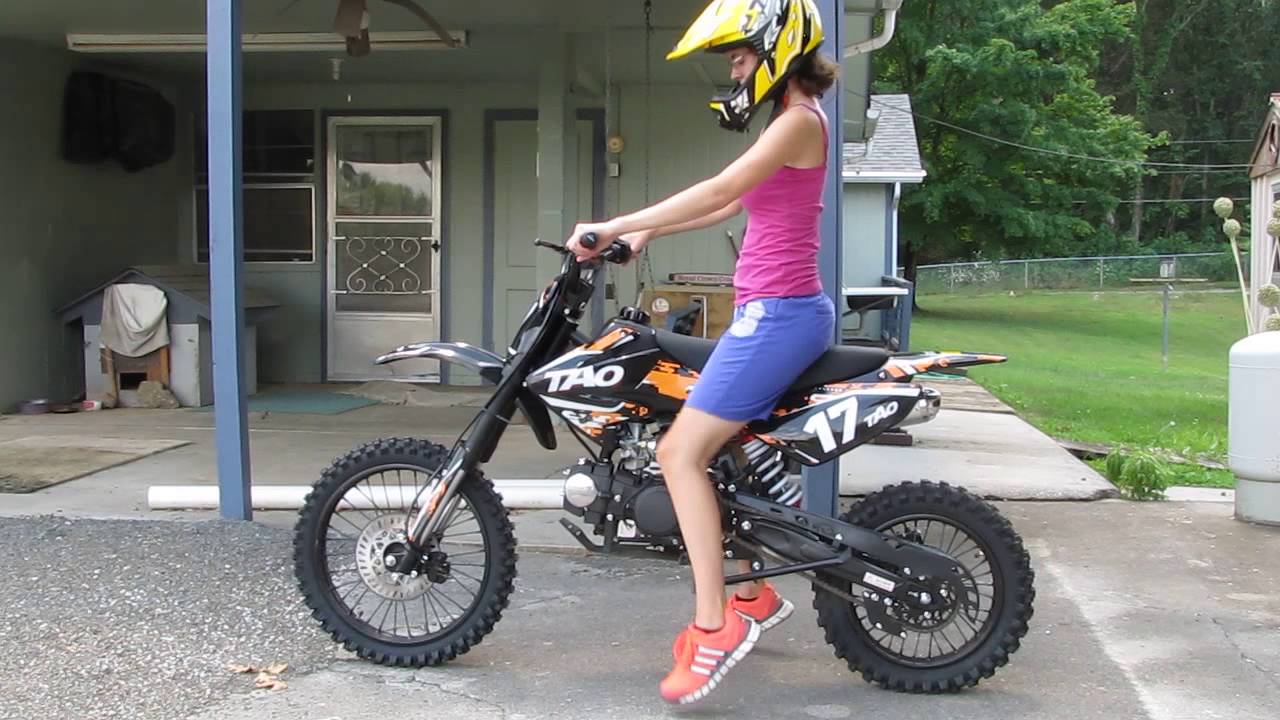
Image Source: i.ytimg.com
Gauging the Stature: 125cc Dirt Bike Height
The “tallness” of a dirt bike isn’t just about how high the seat is. It’s a combination of factors, including suspension travel, tire size, and overall frame design. For a 125cc dirt bike, which is often favored by younger riders, beginners, or those looking for a nimble machine, the height plays a significant role in usability and control.
Seat Height: The Rider’s Ground Connection
The dirt bike seat height is perhaps the most talked-about measurement when it comes to bike fit. It’s the distance from the ground to the highest point of the seat.
- Why it Matters: When you’re stopped, you need to be able to put your feet flat on the ground. This gives you stability and confidence, especially when navigating tricky terrain or starting from a standstill.
- Variations:
- Full-Size Competition Bikes: These often have higher seat heights, sometimes exceeding 37 inches. They are built for experienced riders who need maximum ground clearance and suspension travel.
- Beginner-Focused 125cc: Many 125cc dirt bikes designed for new riders or smaller riders will have lower seat heights, often in the 30-34 inch range. This makes them much more approachable.
- Youth/Small Wheel Versions: Some 125cc bikes come in smaller wheel sizes (e.g., 17-inch front, 14-inch rear instead of 21-inch front, 19-inch rear) which inherently lowers the seat height.
Beyond the Seat: Overall Motorcycle Dimensions
While the seat height is key, other motorcycle dimensions also contribute to the overall feel and maneuverability of a 125cc dirt bike.
- Ground Clearance: This is the distance between the lowest point of the bike’s frame and the ground. Higher ground clearance is excellent for clearing obstacles like rocks, logs, and rough terrain. However, it can also contribute to a higher seat.
- Overall Length and Width: These affect how the bike fits in your garage or trailer, and how it maneuvers in tight spaces. A narrower bike is generally easier to handle for smaller riders.
- Wheelbase: This is the distance between the front and rear wheel axles. A shorter wheelbase often means a more agile and quicker-steering bike, which can be beneficial on tight trails.
Deconstructing Dirt Bike Specs: What to Look For
When you’re looking at dirt bike specs, you’ll find a lot of numbers. Understanding what these numbers mean is essential for making the right choice.
The Heart of the Matter: 125cc Engine Size
A 125cc engine size signifies a smaller displacement engine. These engines are known for being:
- Lightweight: This contributes to overall 125cc dirt bike weight, making them easier to manage.
- Manageable Power: They typically produce less horsepower than larger bikes, making them less intimidating for beginners.
- Fuel Efficient: Generally, smaller engines consume less fuel.
- Cost-Effective: Both in purchase price and maintenance.
These engines are usually two-stroke, which deliver a sharp, exciting powerband, or four-stroke, offering a smoother, more linear power delivery. The choice between two-stroke and four-stroke will affect how the power is delivered and the overall riding feel.
Weight Matters: 125cc Dirt Bike Weight
The 125cc dirt bike weight is a critical factor in how easy the bike is to handle, lift, and control.
- Typical Range: A full-size 125cc dirt bike typically weighs between 200 and 230 pounds (dry weight). Dry weight is the weight of the bike without fuel or other fluids. Wet weight (with all fluids) will be slightly higher.
- Impact on Riding:
- Lifting: A lighter bike is much easier to pick up if you drop it. This is a huge advantage, especially for new riders or when riding solo.
- Maneuverability: Less weight translates to more agile handling. The bike will feel more responsive to your input.
- Suspension: Lighter bikes often require less robust suspension components, which can sometimes lead to less expensive maintenance.
Dimensions for Different Disciplines
Off-road bike measurements can vary slightly depending on the intended use.
- Motocross (MX) Bikes: Often have the highest seat heights and longest suspension travel for absorbing big jumps and impacts. They are built for competition on closed tracks.
- Trail Bikes: May have slightly lower seat heights and more comfortable ergonomics for longer rides. They are designed for exploring varied terrain.
- Enduro Bikes: Offer a blend of motocross capability with features suited for long-distance, challenging off-road riding, like larger fuel tanks and lights. Their dimensions are usually geared towards tackling obstacles and maintaining a steady pace.
The Rider’s Perspective: Ergonomics and Handling
How a bike feels to you – its motorcycle ergonomics and dirt bike handling – is just as important as its physical dimensions.
Motorcycle Ergonomics: Comfort and Control
Ergonomics refers to how the bike is designed to interact with the rider. For a 125cc dirt bike, good ergonomics are crucial for a positive riding experience.
- Seat-to-Handlebar Relationship: This determines your riding posture. A comfortable reach to the handlebars is essential to avoid fatigue and maintain control.
- Footpeg Placement: Where your feet are positioned affects your balance and ability to shift your weight.
- Rider Triangle: This is the imaginary triangle formed by your feet on the pegs, your seat, and the handlebars. A well-designed rider triangle allows for a natural and athletic riding position.
- Narrowness of the Bike: A narrower mid-section allows riders to grip the bike with their knees and thighs, providing better control and stability, especially important for smaller riders.
Dirt Bike Handling: Agility and Confidence
The way a bike handles directly relates to its size, weight, and suspension setup.
- Agility: Lighter bikes with shorter wheelbases tend to be more agile. They can change direction quickly, making them fun for navigating tight trails or technical sections.
- Stability: Longer wheelbases and a more planted feel can provide better stability at higher speeds.
- Suspension: The type and quality of suspension affect how the bike absorbs bumps and maintains traction. For a 125cc, suspension is tuned to match the rider’s weight and the bike’s intended use.
- Suspension Travel: This is how much the suspension can compress. More travel means the bike can handle rougher terrain and larger impacts, but it also typically raises the seat height and can make the bike feel taller.
Finding Your Fit: The Beginner Dirt Bike Size
Choosing the right beginner dirt bike size is paramount for building confidence and developing skills. A 125cc dirt bike is often an excellent choice for several reasons related to its size and power.
Why 125cc is a Great Starting Point
- Manageable Power Delivery: The 125cc engine size provides enough power to have fun and learn, but it’s not so overwhelming that it scares new riders.
- Lightweight Construction: The relatively low 125cc dirt bike weight makes them easier to handle, lift, and maneuver at low speeds. This significantly reduces the intimidation factor.
- Lower Seat Height Options: Many 125cc models come in versions with lower dirt bike seat height, making them accessible for a wider range of rider heights.
- Focus on Technique: Because the bikes are less powerful, riders are encouraged to focus on developing good riding technique, such as body positioning and throttle control, rather than relying on brute force.
- Lower Cost of Entry: Typically, 125cc dirt bikes are more affordable than their larger counterparts, both in purchase price and ongoing maintenance.
Trail Bike Height Considerations
When you’re looking at a 125cc for trail riding, trail bike height becomes a specific consideration.
- Obstacle Clearance: A bike with decent ground clearance is helpful for clearing logs and rocks commonly found on trails.
- Rider Accessibility: Even on trails, being able to comfortably touch the ground when stopped is crucial for safety and confidence. If a bike has a high seat height, you might need to look for models with adjustable suspension or consider lowering links (though these can affect handling).
- Maneuverability on Trails: Trails can be tight and winding. A bike that feels nimble and easy to turn is highly desirable. The overall motorcycle dimensions and the bike’s responsiveness contribute to this.
Key Dimensions and Specs: A Closer Look
Let’s break down some typical figures you might encounter when looking at 125cc dirt bikes. Remember, these are general ranges, and specific models will vary.
Table: Typical 125cc Dirt Bike Dimensions
| Specification | Typical Range (Full Size) | Notes |
|---|---|---|
| Seat Height | 34 – 37+ inches | Can be lower on some models, especially youth or specific beginner versions |
| Ground Clearance | 10 – 13+ inches | Essential for clearing obstacles |
| Wheelbase | 56 – 60 inches | Affects stability and agility |
| Dry Weight | 200 – 230 lbs | Lighter bikes are easier to handle |
| Engine Type | 125cc (2-stroke or 4-stroke) | Power delivery varies |
| Front Suspension | Inverted telescopic forks | Offers adjustability and robust performance |
| Rear Suspension | Monoshock with linkage | Provides smooth and controlled damping |
| Front Wheel Size | 21 inches | Standard for most off-road bikes |
| Rear Wheel Size | 18 or 19 inches | 19-inch is common for motocross, 18-inch for trail/enduro |
Common Variations in 125cc Dirt Bikes
- Motocross vs. Trail: Motocross-focused 125cc bikes will generally have taller seat heights and longer suspension travel. Trail-oriented 125cc bikes might prioritize a slightly lower seat and more tractable power.
- Wheel Size: Bikes with smaller front and rear wheels (e.g., 17″ front, 14″ rear) will have significantly lower seat heights, making them ideal for younger or shorter riders.
- Aftermarket Modifications: Many riders customize their bikes, which can alter seat height and overall dimensions.
Making the Choice: What Fits You Best?
Selecting the right 125cc dirt bike is about matching its dirt bike specs to your needs and physical capabilities.
Assessing Your Height and Skill Level
- Measure Your Inseam: This is more accurate than just your overall height for determining dirt bike seat height suitability.
- Sit on the Bike: If possible, sit on a few different 125cc models. Can you comfortably place both feet flat on the ground? Can you comfortably reach the handlebars?
- Consider Your Experience: As a beginner, a bike with a lower seat and less aggressive power delivery will build your confidence faster. As you gain experience, you might graduate to a taller, more performance-oriented bike.
The Role of 125cc Dirt Bike Weight in Handling
Don’t underestimate the importance of 125cc dirt bike weight. A bike that feels too heavy will be a struggle to control, especially on challenging terrain or when you make a mistake. The lighter the bike, the more forgiving it will be. This directly impacts dirt bike handling and your overall enjoyment.
Trail Bike Height and Your Riding Style
If your primary interest is exploring trails, pay close attention to the trail bike height. You want enough ground clearance to avoid snagging on roots and rocks, but not so much that you feel like you’re balancing on a tall stool. The overall motorcycle dimensions will play a role in how easily the bike navigates tight spaces common on trails.
Frequently Asked Questions (FAQ)
Q1: Is a 125cc dirt bike too tall for a beginner?
A1: It depends on the specific model and the beginner’s height. Many 125cc dirt bikes have seat heights that are very manageable for beginners, especially those designed with novice riders in mind. It’s crucial to check the dirt bike seat height and try to sit on the bike if possible.
Q2: What is the average seat height of a 125cc motocross bike?
A2: Full-size 125cc motocross bikes typically have seat heights ranging from 34 to 37 inches or more, designed for experienced riders who need maximum ground clearance and suspension travel.
Q3: How much does a typical 125cc dirt bike weigh?
A3: A typical full-size 125cc dirt bike weighs between 200 and 230 pounds (dry weight). This relatively light 125cc dirt bike weight contributes to its ease of handling.
Q4: Can I lower the seat height of my 125cc dirt bike?
A4: Yes, it’s often possible to lower a dirt bike’s seat height. Common methods include installing lowering links in the rear suspension, installing shorter suspension components, or even shaving down the seat foam. However, these modifications can affect the bike’s geometry and handling, so it’s best done with expert advice.
Q5: What are the main differences in dimensions between a 125cc motocross bike and a 125cc trail bike?
A5: Motocross bikes usually have taller seat heights, longer suspension travel, and longer wheelbases for performance on a track. Trail bikes may have slightly lower seat heights, more comfortable ergonomics, and a focus on agility for varied off-road conditions.
Q6: Is a 125cc engine size suitable for adults?
A6: Absolutely. A 125cc engine size is a fantastic option for adult beginners, smaller-framed adults, or riders who prioritize agility and a less intimidating power delivery over brute force. The 125cc engine size offers a great balance of performance and manageability.
By focusing on these key dimensions and dirt bike specs, you can make an informed decision and find a 125cc dirt bike that fits you perfectly, ensuring a fun and safe riding experience.