
Can you use a city bike safely? Yes, absolutely! By following a few key principles, urban cycling can be a safe, enjoyable, and efficient way to get around. This guide offers pro tips for maximizing your safety and enjoyment when using a public bike system or a city bike rental.
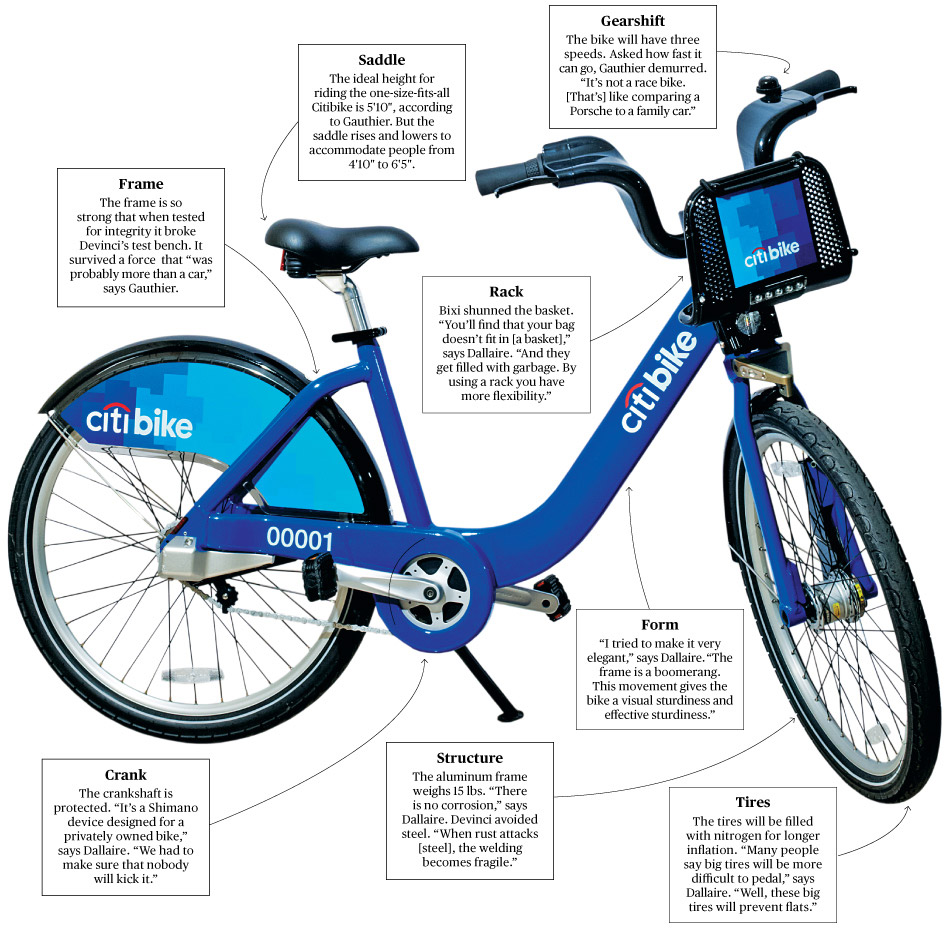
Image Source: www.nycbikemaps.com
Getting Started: The Basics of Safe City Biking
Before you even hop on, a few fundamental steps ensure a smooth and secure ride.
1. Choosing and Inspecting Your Bike
Whether you’re using a bike sharing service or your own commuter bike, a quick check can prevent problems.
Pre-Ride Checklist
- Tires: Ensure they are properly inflated. Pinch the tire; it should feel firm.
- Brakes: Squeeze the brake levers. Both front and rear brakes should engage firmly and stop the wheel effectively. Test them while walking the bike.
- Chain: Check that the chain is on the sprockets and looks clean and lubricated.
- Pedals: Make sure they are securely attached.
- Seat: Is it at the right height? We’ll cover adjusting bike seat in detail later.
- Handlebars: Ensure they are straight and tightly secured.
What to Do if Something is Wrong?
If you’re using a city bike rental, most services have an app or a number to report issues. Don’t ride a bike with faulty brakes or a wobbly wheel. Return it and get another one.
2. Proper Bike Fit: The Foundation of Comfort and Control
An incorrectly adjusted bike can lead to discomfort and reduced control. Learning how to properly adjust your city bike maintenance is key.
Adjusting Bike Seat: Finding Your Sweet Spot
The correct seat height is crucial. Here’s how to do it:
- The Heel Test: Sit on the saddle with your heel on the pedal at its lowest point. Your leg should be almost completely straight.
- The Ball of the Foot Method: When your foot is on the pedal in the normal riding position (ball of your foot on the pedal), there should be a slight bend in your knee (about 15-20 degrees).
- Knee Position: Avoid rocking your hips excessively to reach the pedals. This indicates the seat is too high. If you feel too cramped, the seat is likely too low.
Table: Seat Height Impact
| Seat Too Low | Seat Too High | Seat Just Right |
|---|---|---|
| Knee pain | Hamstring strain | Efficient pedaling |
| Less power | Poor balance | Better control |
| Cramped feeling | Less stable | Comfortable ride |
Handlebar Height
While less adjustable on many public bike system bikes, aim for a comfortable reach. You shouldn’t feel too stretched out or too cramped. Your back should be relatively upright, not hunched over.
3. Helmet: Non-Negotiable Protection
This is perhaps the most important piece of bike safety tips. Always wear a helmet that fits properly.
Helmet Fit Guide
- Two-Finger Rule: The helmet strap should form a “V” shape under your ears. The buckle should sit just below your jawbone.
- Forehead Protection: The helmet should sit level on your head, covering your forehead. There should be no more than two fingers’ width between your eyebrows and the front edge of the helmet.
- Snugness: The helmet shouldn’t move excessively when you shake your head.
Table: Helmet Features to Look For
| Feature | Importance |
|---|---|
| Fit | Most critical for effectiveness. |
| Coverage | Protects the back of the head. |
| Ventilation | Keeps you cool on longer rides. |
| Visibility | Bright colors or reflective elements. |
Navigating the Urban Jungle: Safe Riding Practices
The city presents unique challenges for cyclists. Knowing how to navigate them is key to safe urban cycling.
4. Mastering Traffic Rules and Laws
Commuter bike usage means sharing the road with cars, pedestrians, and other cyclists.
Key Traffic Rules for Cyclists
- Ride with Traffic: Always ride in the same direction as traffic.
- Obey Traffic Signals: Treat stop signs and red lights as you would in a car.
- Use Hand Signals: Communicate your intentions clearly to drivers and other cyclists.
- Left Turn: Extend your left arm straight out.
- Right Turn: Extend your right arm straight out, or bend your left arm up at the elbow (depending on comfort and visibility).
- Stop: Extend your left arm down, palm facing backward.
- Be Visible: Wear bright clothing, especially during the day. Use front white and rear red lights, even during daylight hours, for increased visibility.
- Yield Appropriately: Understand when you need to yield to pedestrians and other vehicles.
Understanding Lane Positioning
- Lane Choice: Choose the lane that best suits your speed and destination. You may need to move between the curb and the travel lane.
- Avoid the “Door Zone”: When riding alongside parked cars, give them enough space to avoid being hit by an opening car door. Aim for at least 3-4 feet away.
- Left Turn Strategy: If turning left across traffic, signal, move to the leftmost lane or left turn lane, and wait for a gap in traffic or a green light.
5. Defensive Cycling: Anticipating the Unexpected
The best way to stay safe is to anticipate potential hazards.
Strategies for Defensive Cycling
- Scan Constantly: Look ahead, to the sides, and behind you. Be aware of your surroundings.
- Make Eye Contact: Try to make eye contact with drivers at intersections and when they are near your path.
- Predict Actions: Assume drivers may not see you. Be ready to react to sudden movements.
- Avoid Distractions: Do not use your phone or wear headphones that block out ambient noise.
- Watch for Potholes and Debris: These can cause falls or damage your bike.
What to do in Busy Intersections
- Choose Your Lane Wisely: Sometimes, being in the middle of the lane is safer than hugging the curb, as it prevents drivers from trying to squeeze past you.
- Be Clear with Your Intentions: Use hand signals early and clearly.
- Wait for Green: Don’t assume you can run a yellow light if you’re not sure you can clear the intersection safely.
6. Riding in Different Conditions
Weather and road conditions can change quickly in the city.
Riding in Rain
- Braking: Wet roads reduce braking effectiveness. Brake earlier and more gently.
- Visibility: Wear brighter clothing and use your lights.
- Tire Grip: Avoid slippery surfaces like painted lines, manhole covers, and wet leaves.
Riding at Night
- Lights: Use a bright white front light and a red rear light. Ensure they are visible from a distance.
- Reflective Gear: Wear reflective clothing or add reflective tape to your bike and helmet.
- Ride Predictably: Avoid sudden movements.
7. Cyclist Etiquette: Sharing the Path and Road
Good cycling etiquette makes for a more pleasant experience for everyone.
Common Courtesy on the Road and Paths
- Be Polite: A friendly nod or wave can go a long way.
- Warn Pedestrians: If you’re passing on a shared path, a gentle “On your left!” is appreciated.
- Don’t Block Paths: Keep moving and avoid stopping in the middle of a busy path.
- Respect Other Cyclists: Don’t tailgate. Give ample space when passing.
- Follow Trail Rules: If using dedicated bike paths, be aware of any specific rules posted.
Advanced Tips for City Bike Usage
Once you’ve got the basics down, these tips can further enhance your safety and efficiency.
8. Securing Your Bike: Bike Lock Security
For those who own their commuter bikes or are using city bike rental for extended periods, proper locking is vital.
Choosing the Right Lock
- U-Locks: Generally considered the most secure. Look for hardened steel.
- Chain Locks: Heavy-duty chains can also be very effective.
- Cable Locks: Best used as a secondary lock or for very short durations in low-risk areas, as they are easily cut.
Best Practices for Locking
- Lock to a Fixed Object: Use a secure bike rack or a sturdy metal pole that cannot be easily lifted over.
- Lock the Frame: Always lock the main frame of your bike.
- Secure Wheels: If possible, use a second lock to secure your wheels to the frame and the fixed object.
- Position the Lock: Try to keep the lock off the ground to make it harder for thieves to use tools like bolt cutters.
- Check Lockability: Ensure the bike rack or object you’re locking to cannot be easily broken or dismantled.
Table: Lock Security Ratings
| Lock Type | Security Level | Best Use Case |
|---|---|---|
| U-Lock | High | Primary lock for extended periods/high risk |
| Chain Lock | High | Primary lock, offers flexibility |
| Cable Lock | Low | Secondary lock, short-term/low risk |
| Folding Lock | Medium-High | Good balance of security and portability |
9. City Bike Maintenance: Keeping Your Ride Smooth
Regular maintenance ensures your bike is always ready and safe to ride.
Basic Maintenance Checks
- Tire Pressure: Check before every ride.
- Brake Functionality: Test brakes regularly.
- Chain Lubrication: Keep the chain clean and lubricated to prevent rust and ensure smooth gear changes. A drop of oil every few weeks is usually sufficient for casual riding.
- Cleaning: Wipe down your bike, especially the drivetrain, to remove dirt and grime.
When to Seek Professional Help
- Grinding Noises: If you hear grinding from the bottom bracket or hubs.
- Stiff Gears: If shifting becomes difficult or inconsistent.
- Wobbly Wheels: If your wheels are bent.
- Brake Problems: If brakes aren’t working properly after adjustments.
10. Planning Your Route
Smart route planning can significantly improve your safety and experience.
Route Planning Strategies
- Bike-Friendly Maps: Use apps that highlight bike lanes, paths, and lower-traffic streets.
- Avoid High-Traffic Areas: Whenever possible, opt for quieter streets or dedicated bike paths.
- Know Your Route: Before you set out, have a general idea of where you’re going. This reduces the need to look at your phone while riding.
- Consider Hills: If you’re new to cycling, plan routes that avoid steep inclines initially.
11. Carrying Your Essentials
What you carry can impact your ride.
What to Pack
- Water Bottle: Staying hydrated is important.
- Basic Repair Kit: For minor issues, a small pump, tire levers, and a spare tube can save the day.
- Phone: For navigation and emergencies.
- Lock: If you plan to leave your bike.
- Snacks: For longer rides.
How to Carry Items
- Basket or Rack: Many city bikes have these.
- Backpack: A comfortable backpack can distribute weight evenly.
- Saddle Bag: Small bags that attach under the seat are great for tools and tubes.
Frequently Asked Questions (FAQ)
Q1: What is the minimum age to use a city bike rental?
A1: The minimum age varies by city bike rental service, but it is typically 16 or 18 years old, and often requires a credit card and a parent or guardian’s consent for minors.
Q2: Can I ride a city bike on the sidewalk?
A2: Generally, no. Sidewalk riding is often illegal and dangerous. You should ride on the street in the designated bike lane or, if none exists, in the travel lane as close to the right as safely possible.
Q3: How do I report a broken city bike?
A3: Most bike sharing programs have an app where you can report issues. There’s usually also a customer service number provided on the bike or the service’s website.
Q4: What should I do if I get into a bike accident?
A4: If you are involved in an accident, check for injuries, call emergency services if necessary, exchange information with others involved, and report the incident to the city bike rental company if you were using their service.
Q5: Is it safe to ride a bike in heavy traffic?
A5: While it can be daunting, safe urban cycling in heavy traffic is possible by being highly visible, predictable, and defensive. Using bike lanes and understanding traffic laws are crucial. Sometimes, choosing alternative routes with less traffic is a safer option.
By incorporating these pro tips into your commuter bike usage and urban cycling habits, you can enjoy the freedom and benefits of city biking with confidence and safety. Happy riding!