
What is the best way to use a bike U lock? The best way to use a bike U lock is to secure your frame and at least one wheel to a solid, immovable object. This guide will show you how to achieve maximum bike security and deter bike theft with your U-lock.
When it comes to bike security, choosing the right lock is only half the battle. Knowing how to use your bike U lock properly is crucial for deterring bike theft and keeping your ride safe. This comprehensive guide will delve into the nuances of locking your bicycle, providing you with U-lock tips and strategies to ensure your bike is secured effectively. We’ll cover everything from selecting the best bike lock to advanced techniques for locking a motorcycle or securing a scooter, all aimed at maximizing bike anti-theft measures.
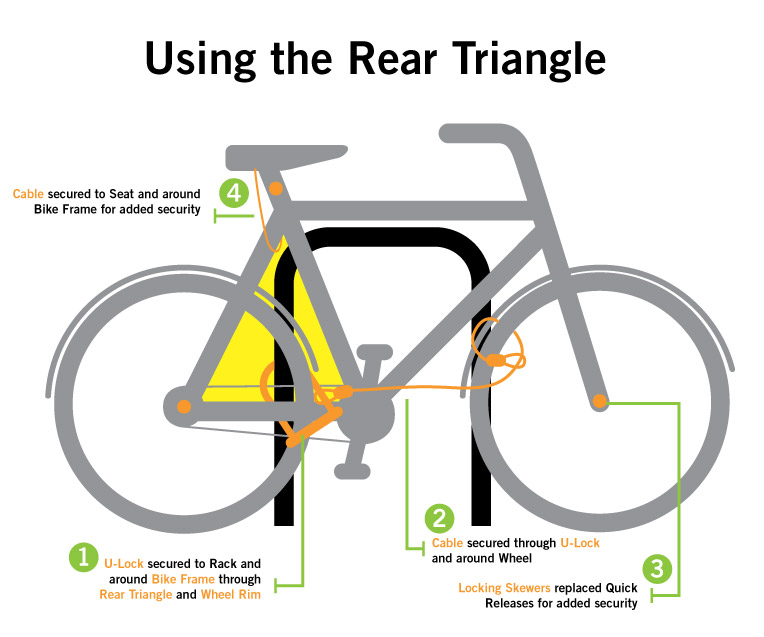
Image Source: sfbike.org
Choosing the Right U-Lock
Before we get into how to use it, let’s touch on choosing the right bike lock. Not all U-locks are created equal. When selecting the best bike lock for your needs, consider the following:
- Shackle Thickness: A thicker shackle (14mm or more) is generally harder to cut.
- Material: Hardened steel is the standard for good reason.
- Locking Mechanism: Double-locking mechanisms offer extra security.
- Size: A smaller U-lock might be more difficult for thieves to leverage, but ensure it can still fit around your frame and a secure object.
The Fundamentals of Locking Your Bicycle
Properly locking your bicycle is the first line of defense against bike theft. A U-lock is one of the most effective tools for this, but its effectiveness depends entirely on how you use it.
The “Why” Behind U-Lock Placement
Thieves look for the easiest targets. A bike that is loosely secured or locked to a flimsy object is an invitation. By strategically using your U-lock, you make your bike a much less attractive target. The goal is to make it as time-consuming and difficult as possible for a thief to get your bike.
Key Components to Secure
When locking your bicycle, prioritize securing the most valuable parts:
- The Frame: This is the most critical component. Always aim to lock your frame.
- Wheels: Wheels, especially quick-release ones, are often targeted.
- Seatpost: If your seatpost is particularly valuable or you have a quick-release seatpost.
How to Lock a Bike Properly with a U-Lock
Here’s a step-by-step approach to maximizing the security of your bike with a U-lock:
Step 1: Find a Secure Object
This is paramount. Not all bike racks are created equal, and some “secure” objects aren’t as secure as they appear.
-
Ideal Objects:
- Solid, heavy-duty metal bike racks specifically designed for locking.
- Thick, immovable metal poles or signposts that are bolted into concrete.
- Sturdy, fixed street furniture that cannot be easily lifted or broken.
-
Objects to Avoid:
- Thin, flimsy poles that can be bent or cut easily.
- Trees or wooden posts that can be sawed through.
- Anything that is not permanently fixed to the ground.
- “Bike racks” that are simply decorative or not designed for locking.
Step 2: Position Your Bike Correctly
Once you’ve found a suitable object, position your bike so that it’s close to it. This minimizes the space a thief has to work with.
Step 3: Secure the Frame and a Wheel
This is where the magic of the U-lock comes into play. There are a few common and effective methods:
Method 1: Frame and Rear Wheel
This is often considered the most secure method for many bikes.
- Pass the U-lock: Thread the shackle of the U-lock through the rear triangle of your frame (the part behind the seatpost) and also through the rear wheel.
- Encircle the Object: Bring the U-lock around the sturdy object you’ve chosen.
- Lock It Up: Snap the shackle into the locking mechanism.
Why this is good:
* It secures the most valuable part of your bike (the frame).
* It secures the rear wheel, which is often more expensive and harder to replace than the front wheel.
* It makes it difficult for a thief to remove the wheel without also defeating the lock.
Method 2: Frame and Front Wheel
If your U-lock is large enough, or you’re locking to an object that requires a larger loop, you might use this method.
- Pass the U-lock: Thread the shackle through the front fork of your frame and the front wheel.
- Encircle the Object: Bring the U-lock around the sturdy object.
- Lock It Up: Snap the shackle into the locking mechanism.
Why this can be good:
* It still secures the frame and a wheel.
* Useful if the rear triangle isn’t accessible or if your rear wheel is unusually small.
Method 3: Frame Only (if wheels are secured by a cable lock)
If you’re using a U-lock as your primary lock and a secondary cable lock, you’ll want to secure the frame with the U-lock.
- Pass the U-lock: Thread the shackle through the frame and around the sturdy object.
- Lock It Up: Snap the shackle into the locking mechanism.
- Secure the Wheel: Use your secondary cable lock to secure the wheel to the frame or the object.
Step 4: Tighten the Fit
The tighter the fit of the U-lock around your frame, wheel, and the object, the less leverage a thief has.
- Minimize Gaps: Try to get the U-lock as snug as possible. If there’s a large gap, a thief can insert a pry bar or bottle jack to break the lock.
- Positioning the Lock: Ideally, the crossbar of the U-lock should be as close to the frame as possible.
Step 5: Secure Additional Components (Optional but Recommended)
If you have a second U-lock or a strong cable lock, use it!
- Second Wheel: Lock your second wheel to the frame and the object.
- Seatpost: If your seatpost is easily removable and valuable, secure it to the frame or the object with a cable lock.
- Accessories: Smaller accessories can be removed and taken with you.
U-Lock Tips for Maximum Security
Beyond the basic locking technique, here are some advanced U-lock tips to further enhance your bike security:
The “Shearing” Defense
Thieves sometimes try to “shear” locks by forcing a tool between the shackle and the locking mechanism.
- Positioning is Key: Try to position the U-lock so that the locking cylinder (the part you insert the key into) is facing downwards. This makes it harder for a thief to access and tamper with it.
- Avoid Dragging: Ensure the lock isn’t dragging on the ground, which can provide a point of leverage.
The Importance of a Second Lock
Using a U-lock as your primary lock is excellent, but a second lock significantly increases your bike’s defense.
- Layered Security: A U-lock combined with a cable lock or a second U-lock makes your bike a much harder target. Thieves often move on to easier targets if they encounter multiple layers of security.
- Securing Both Wheels: Always aim to secure both wheels in addition to the frame.
Locking in High-Risk Areas
When locking your bike in areas known for high bike theft, be extra vigilant.
- Visibility: Choose a well-lit, high-traffic area where your bike is visible to passersby.
- Avoid Solitude: Don’t lock your bike in isolated alleys or behind buildings where thieves can work undisturbed.
- Frequent Relocation: If you regularly park in the same area, consider varying your parking spots to avoid becoming a predictable target.
Diamond vs. Square Shackles
Some U-locks have diamond-shaped shackles, while others have square ones.
- Diamond: Often considered more resistant to cutting tools as they offer fewer flat surfaces for grip.
- Square: Can sometimes be more resistant to prying.
The difference is often marginal, but it’s worth considering.
Keeping Your Lock Well-Maintained
A rusty or damaged lock is a weak lock.
- Lubricate: Periodically lubricate the locking mechanism with a graphite lubricant or a specific lock lubricant. Avoid oil-based lubricants which can attract dirt.
- Inspect: Regularly inspect your U-lock for any signs of damage, rust, or wear. Replace it if you suspect it’s compromised.
Locking a Motorcycle and Securing a Scooter: U-Lock Applications
While the core principles of bike security apply to motorcycles and scooters, there are some specific considerations when using U-locks for these vehicles.
Locking a Motorcycle with a U-Lock
Motorcycles are larger and heavier, often requiring larger and stronger U-locks.
- Frame Security: Aim to secure the motorcycle’s frame to an immovable object, just like a bicycle.
- Disc Brake Locks: Many motorcycle riders use dedicated disc brake locks, which are a form of U-lock that attaches to the brake disc. These are excellent for deterring opportunistic theft when the bike is parked.
- Chain Locks: For long-term storage or high-risk areas, a heavy-duty chain lock is often recommended in conjunction with a U-lock or disc lock.
- Triple Locking: For maximum security, consider using a U-lock to secure the frame to a ground anchor, a disc lock for the brake, and a heavy-duty chain to lock both wheels together.
Securing a Scooter with a U-Lock
Scooters, while smaller than motorcycles, still require robust security measures.
- Frame and Wheel: Similar to bicycles, the primary goal is to secure the scooter’s frame and at least one wheel to a solid object.
- Under-Seat Storage: Some scooters have under-seat storage. While this is convenient, it’s not a secure place to leave your lock. Thieves can easily access and remove it.
- Handlebars: Avoid locking your scooter by the handlebars alone, as they can often be removed or the entire scooter can be lifted.
- Footboard: Some scooters have a footboard with holes that can be used for locking, but ensure it’s a substantial part of the frame.
What to Do if You Suspect Your Lock is Compromised
If you ever notice any damage to your U-lock or if it starts to feel stiff or difficult to operate, it’s a red flag.
- Immediate Replacement: Do not continue to use a compromised lock. Replace it immediately. The cost of a new lock is far less than the cost of a stolen bike.
- Report Suspicious Activity: If you see someone tampering with locks in your area, report it to the authorities.
Deterring Bike Theft: A Multi-Faceted Approach
Using your U-lock correctly is a significant part of bike anti-theft, but it’s not the only aspect.
Registration and Marking
- Register Your Bike: Register your bike’s serial number with your local police or a bike registry service.
- Bike Marking: Consider security marking your frame or components.
Locking Strategy
- The Rule of 50%: Never spend less than 50% of your bike’s value on locks. This is a general guideline, but it emphasizes that good security is an investment.
- Varied Locking Techniques: As we’ve discussed, learn multiple ways to lock your bike effectively.
Awareness of Your Surroundings
- Situational Awareness: Be aware of who is around you when you’re locking or unlocking your bike.
- Trust Your Gut: If a situation feels unsafe, it probably is. Find another place to park or come back later.
Common Mistakes to Avoid
- Locking Only the Wheel: Leaving the frame unsecured is a major mistake. A thief can easily lift the bike over the locked wheel.
- Locking to Flimsy Objects: As mentioned, this makes your bike an easy target.
- Leaving Too Much Slack: Excessive slack in the U-lock provides leverage for thieves.
- Ignoring Secondary Locks: Relying on a single lock, especially in high-risk areas, is risky.
- Locking in Isolated Areas: Thieves prefer to work unseen.
Frequently Asked Questions (FAQ)
Q1: Can I lock my bike with just a cable lock?
While cable locks can deter casual theft, they are generally not strong enough to prevent determined thieves with bolt cutters. It’s best to use a U-lock or a heavy-duty chain lock as your primary lock and a cable lock as a secondary deterrent for wheels or accessories.
Q2: How much should I spend on a bike lock?
A good rule of thumb is to spend at least 10-20% of your bike’s value on locks. For more expensive bikes, this percentage might be lower, but the absolute dollar amount spent on security should be significant. Aim for locks rated “Sold Secure Gold” or equivalent.
Q3: Where is the best place to lock my bike?
The best place is a well-lit, high-traffic area, locked to a solid, immovable object like a sturdy metal bike rack or a thick, fixed pole. Avoid isolated areas, poorly lit spots, or objects that can be easily cut or dismantled.
Q4: What if my U-lock doesn’t fit around my frame, wheel, and the object?
If your U-lock is too small, consider purchasing a larger U-lock or using a combination of locks. You might need to lock your frame to the object with the U-lock and use a secondary cable lock for the wheel. Another option is to use a “New York” style U-lock, which has a longer shackle.
Q5: How do I prevent my U-lock from freezing in winter?
Use a graphite lubricant designed for locks. Avoid oil-based lubricants, as they can attract dirt and moisture, making the lock more prone to freezing. You can also buy lock covers to protect them from the elements.
Q6: Is a U-lock better than a chain lock?
Both U-locks and chain locks have their pros and cons. Heavy-duty U-locks are often more portable and can be used to secure the frame and a wheel effectively. Heavy-duty chain locks offer more flexibility in what you can lock to and can often secure both wheels and the frame, but they are usually heavier and bulkier. For the absolute best bike security, many recommend using both a U-lock and a chain lock.
Q7: Should I lock my bike to the wheel or the frame?
Always prioritize locking your frame. If your U-lock allows, thread it through the frame and a wheel. If you can only lock the frame to the object, use a secondary lock for your wheel. Locking only a wheel leaves your frame vulnerable to theft.
By following this comprehensive guide, you’ll be well-equipped to use your bike U lock securely, significantly enhancing your bike security and reducing the risk of your bicycle becoming another statistic in bike theft. Remember, the best bike lock is only as good as how you use it. Happy and safe cycling!