
Can you train for a 100-mile bike ride? Yes, absolutely! With the right plan and dedication, anyone can train for a 100-mile bike ride, also known as a century ride. This guide will provide you with everything you need to know for successful endurance cycling training, ultra cycling preparation, and long distance bike training plan. We’ll cover bike fitness for 100 miles, cycling stamina improvement, and preparing for a century bike event.
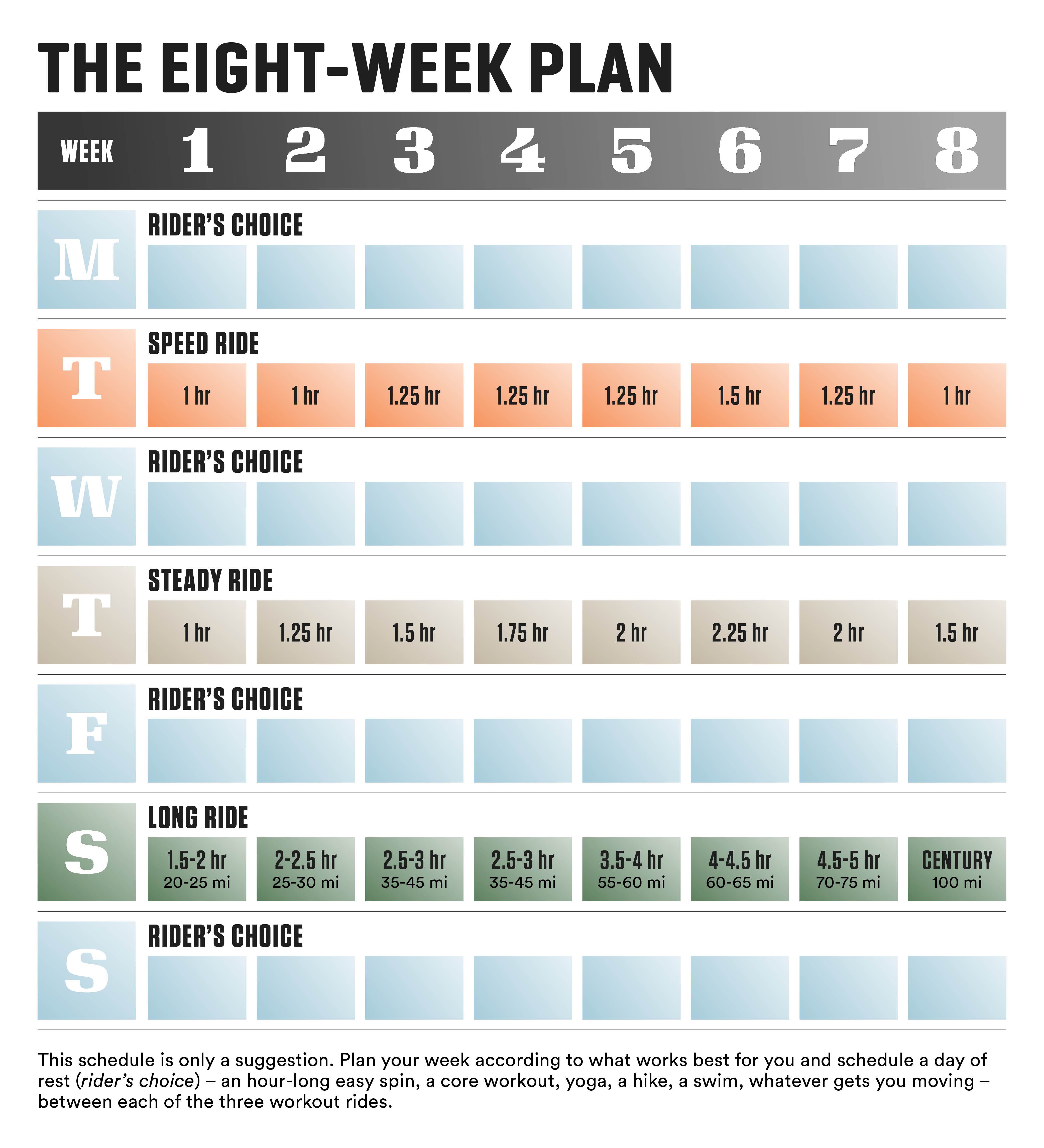
Image Source: hips.hearstapps.com
Laying the Foundation: Building Your Base
Before diving into specific workouts, it’s crucial to establish a solid foundation of general fitness. This means your body is ready to handle increased training volume without breaking down.
Assessing Your Current Fitness
Be honest about where you are now. Have you been riding regularly? How far do you typically ride?
- Beginner: If you’re new to cycling or haven’t ridden consistently for a while, your first step is to build a consistent riding habit. Aim for 2-3 rides per week, starting with shorter distances (10-15 miles) and gradually increasing.
- Intermediate: If you can comfortably ride 20-30 miles, you have a good starting point. You’ll focus on increasing your weekly mileage and introducing longer rides.
- Advanced: If you’re already riding regularly and comfortably covering 50+ miles, you’re well on your way. You’ll be looking at refining your advanced cycling workouts and fine-tuning your strategy.
The Importance of Consistency
Bike endurance building is a marathon, not a sprint. Showing up for your rides, even when you don’t feel like it, is more important than any single intense session. Consistency builds aerobic capacity, strengthens muscles, and teaches your body to become more efficient.
Gradual Progression: The Key to Success
The most common mistake is doing too much, too soon. This leads to burnout, injury, and demotivation. Your training plan should follow the principle of progressive overload, meaning you gradually increase the duration, intensity, or frequency of your rides.
Crafting Your Long Distance Bike Training Plan
A structured plan is your roadmap to conquering 100 miles. This plan should incorporate various types of rides to build a well-rounded cyclist.
Weekly Mileage: The Cornerstone
Your total weekly mileage is a critical indicator of your preparedness. As you get closer to your event, your weekly mileage should increase. A general guideline is to aim for at least 50-75% of your target distance in your longest weekly ride about 2-3 weeks before the event.
The Long Ride: Your Century Simulator
This is the most important ride of the week. It simulates the demands of your 100-mile event.
- Start Small: Begin with a distance you can comfortably complete.
- Increase Gradually: Add 5-10 miles to your long ride each week.
- Include Hills: As you progress, incorporate some hilly terrain into your long rides to build strength and simulate varied course conditions.
- Practice Nutrition and Hydration: Use your long rides to experiment with what you’ll eat and drink during the event.
Tempo Rides: Building Sustainable Speed
Tempo rides are about riding at a comfortably hard pace, where you can speak in short sentences but not hold a long conversation. These rides improve your lactate threshold, which is crucial for maintaining a strong pace for extended periods.
- Duration: Aim for 20-40 minutes of tempo effort within a longer ride.
- Frequency: Incorporate one tempo ride per week.
Interval Training: Boosting Efficiency and Power
While marathon cycling training is largely about endurance, structured intervals can significantly improve your cycling stamina improvement and efficiency.
- Short, Intense Intervals: Think 30-second to 2-minute bursts of high effort with equal or slightly longer recovery periods. These build anaerobic capacity and power.
- Longer Intervals: 5-10 minute efforts at a challenging but sustainable pace, with a few minutes of recovery. These improve your aerobic system.
- Frequency: One interval session per week is usually sufficient.
Recovery Rides: Essential for Repair
Don’t underestimate the power of easy spins. Recovery rides are crucial for muscle repair and reducing fatigue.
- Intensity: Very easy, conversational pace.
- Duration: 30-60 minutes.
- Frequency: Can be done the day after a hard workout or long ride.
Sample Training Week Structure (Intermediate Level)
This is a template, and you should adjust it based on your recovery and how your body feels.
| Day | Focus | Description |
|---|---|---|
| Monday | Rest or Active Recovery | Very easy spin (30-45 mins) or complete rest. |
| Tuesday | Intervals | Warm-up, 6 x (3 mins hard / 3 mins easy), cool-down. |
| Wednesday | Tempo Ride | Warm-up, 30 mins at tempo pace, cool-down. |
| Thursday | Easy Spin/Cross-Train | Light ride (45-60 mins) or cross-training like swimming or yoga. |
| Friday | Rest | Complete rest to prepare for the weekend. |
| Saturday | Long Ride | Gradually increasing distance (e.g., 40 miles, 50 miles, 60 miles). |
| Sunday | Recovery Ride | Easy spin (45-60 mins) to help muscles recover. |
Nutrition and Hydration: Fueling Your Engine
You can’t ride 100 miles on water and sheer willpower alone. Proper fueling is paramount for performance and avoiding the dreaded “bonk.”
Pre-Ride Fueling
- The Day Before: Focus on complex carbohydrates – pasta, rice, potatoes, bread.
- On the Morning of the Ride: Eat a easily digestible meal 2-3 hours before. Oatmeal, toast with jam, or a banana are good options. Avoid anything too fatty or fibrous.
During the Ride: The 100 Mile Challenge
This is where ultra cycling preparation truly shines. You need a strategy to keep your energy levels up.
- Calories: Aim for 200-300 calories per hour after the first hour. This can come from energy bars, gels, chews, or real food like bananas or sandwiches.
- Hydration: Drink regularly, even if you don’t feel thirsty. Aim for 500-750 ml of fluid per hour, depending on the heat and your sweat rate.
- Electrolytes: Replace lost salts, especially in warm weather. Sports drinks or electrolyte tablets can help.
- Practice Your Plan: Use your long rides to test different foods and drinks to see what works best for your stomach.
Post-Ride Recovery
Replenishing your stores is crucial for adaptation and preparing for your next ride.
- Within 30-60 Minutes: Consume a mix of carbohydrates and protein (e.g., chocolate milk, protein shake, turkey sandwich).
- Later Meal: Have a balanced meal within a few hours.
Gear Essentials for 100 Miles
Having the right equipment can make a significant difference in your comfort and performance.
The Bike: Your Trusted Steed
- Road Bike: Ideal for paved roads and speed.
- Gravel Bike: More versatile, good for mixed terrain.
- Hybrid Bike: Comfortable for longer distances but may be slower.
- Bike Fit: A professional bike fit is highly recommended. It ensures proper positioning, prevents injuries, and optimizes power transfer.
Essential Accessories
- Helmet: Non-negotiable for safety.
- Cycling Shorts/Bibs: Padded for comfort.
- Cycling Jersey: Wicks sweat and has pockets for essentials.
- Water Bottles/Hydration Pack: Carry enough fluids.
- Spare Tube(s) and Tire Levers: For fixing flats.
- Mini Pump or CO2 Inflator: To inflate tires.
- Multi-tool: For minor mechanical adjustments.
- Cycling Computer/GPS Device: Track your progress and route.
- Gloves: Improve grip and provide cushioning.
- Eyewear: Protects from sun, wind, and debris.
- Lights: For visibility, even in daylight.
Mental Preparation: The Unseen Muscle
Riding 100 miles is as much a mental challenge as it is a physical one.
Breaking Down the Distance
Don’t think about the entire 100 miles at once. Focus on smaller segments: the next town, the next rest stop, or even just the next mile.
Positive Self-Talk
When fatigue sets in, positive affirmations can be incredibly powerful. Remind yourself why you’re doing this and acknowledge your progress.
Visualization
Imagine yourself successfully completing the ride, feeling strong and confident.
Dealing with Discomfort
There will be moments of discomfort. Learn to distinguish between manageable discomfort and pain that signals an injury. Sometimes, it’s just a matter of pushing through.
Tapering: Resting Before the Big Day
The week leading up to your century ride is crucial for recovery and ensuring you arrive at the start line feeling fresh.
Reducing Volume
Cut your weekly mileage by 50-70% in the final week.
Maintaining Intensity (Briefly)
Include a few short, sharp efforts (e.g., a few 30-second sprints) early in the taper week to keep your legs feeling responsive.
Prioritizing Sleep
Get plenty of rest. Sleep is when your body repairs and adapts.
Hydration and Nutrition
Continue to eat well and stay hydrated. Avoid trying new foods or drastically changing your diet.
Race Day Strategy: Executing Your Plan
You’ve done the training; now it’s time to execute.
Pre-Ride Routine
- Arrive early to avoid stress.
- Check your bike thoroughly.
- Fuel up with your practiced breakfast.
- Warm-up gently.
Pacing: The Art of Not Going Too Fast
- Start Conservatively: It’s easy to get caught up in the excitement and go out too hard. Stick to your planned pace.
- Monitor Your Effort: Use your heart rate monitor or perceived exertion to stay within your target zones.
- Hydrate and Fuel Early and Often: Don’t wait until you feel thirsty or hungry.
Handling Mechanical Issues
- Know Your Bike: Familiarize yourself with basic repairs like fixing a flat.
- Support: Know where aid stations are and if there’s mechanical support on the course.
Enjoy the Experience!
Remember why you’re doing this. Soak in the atmosphere, the camaraderie, and the accomplishment of riding 100 miles.
Advanced Cycling Workouts for Century Rides
For those looking to push their limits and optimize their bike fitness for 100 miles, incorporating more specific advanced cycling workouts can be beneficial.
Hill Repeats
- Purpose: Builds leg strength and improves climbing ability.
- Execution: Find a moderate to steep hill. Ride up at a hard, sustainable effort, then descend gently to recover. Repeat 4-8 times. Focus on maintaining a steady cadence.
Sweet Spot Training
- Purpose: Improves sustained power output and aerobic capacity. This is often around 88-94% of your Functional Threshold Power (FTP).
- Execution: Ride in this intensity zone for longer durations, such as 10-20 minute intervals with 5-10 minute recovery periods.
Tempo Intervals
- Purpose: Enhances your ability to sustain a strong pace. This is typically at around 76-90% of your FTP.
- Execution: Ride for 20-40 minutes at this comfortably hard pace. You can break this into two 20-minute intervals with a 5-minute recovery in between.
Strength Training
While not strictly bike endurance building, a well-rounded strength program can support your cycling.
- Focus Areas: Core strength (planks, Russian twists), leg strength (squats, lunges), and upper body strength (push-ups, rows).
- Frequency: 1-2 times per week, ensuring it doesn’t interfere with your key cycling workouts.
Frequently Asked Questions (FAQ)
How many days a week should I train for a 100-mile bike ride?
For most people, training 3-4 days a week is a good starting point. As you progress, you might add a fifth day, often a shorter, easier ride or active recovery.
What is a good average speed for a 100-mile bike ride?
Average speeds vary greatly depending on fitness, terrain, wind, and bike type. For many recreational riders, an average speed between 14-17 mph is common. However, focus more on completing the distance comfortably than hitting a specific speed.
How much should I be able to cycle before training for a 100-mile ride?
Ideally, you should be able to comfortably ride 20-30 miles before starting a dedicated 100-mile training plan. This ensures you have a baseline fitness to build upon.
When should I start training for a 100-mile bike ride?
A typical training block for a 100-mile ride lasts 12-16 weeks. This allows for gradual progression and adaptation without overtraining. If you have a strong existing fitness base, you might shorten this.
What are the signs of overtraining?
Signs include persistent fatigue, decreased performance, increased resting heart rate, irritability, and frequent minor illnesses. If you experience these, take extra rest days and reduce your training load.
Is it okay to ride with a group during training?
Yes! Riding with a group can be motivating and help you maintain a consistent pace. However, be mindful of drafting and ensure you’re still hitting your training goals.
What if I can’t complete my planned long ride?
Don’t panic! Adjust your route, take more breaks, or shorten the distance. It’s better to finish a slightly shorter ride feeling good than to push too hard and risk injury or burnout. The goal is consistency and progress, not perfection on every single ride.
Should I use clipless pedals?
Clipless pedals and cycling shoes allow for more efficient power transfer and can help engage your hamstrings on the upstroke, improving cycling stamina improvement. Many long-distance cyclists find them beneficial, but it’s a personal preference and requires a learning curve.
By following this comprehensive guide, you’ll be well-equipped to tackle your 100-mile bike ride with confidence and achieve your century ride training goals. Happy riding!