
An electric bike battery typically lasts between 3 to 5 years, or around 500 to 1000 charging cycles, before significant degradation occurs. The actual e-bike battery lifespan can vary greatly depending on usage, maintenance, and the quality of the battery itself.
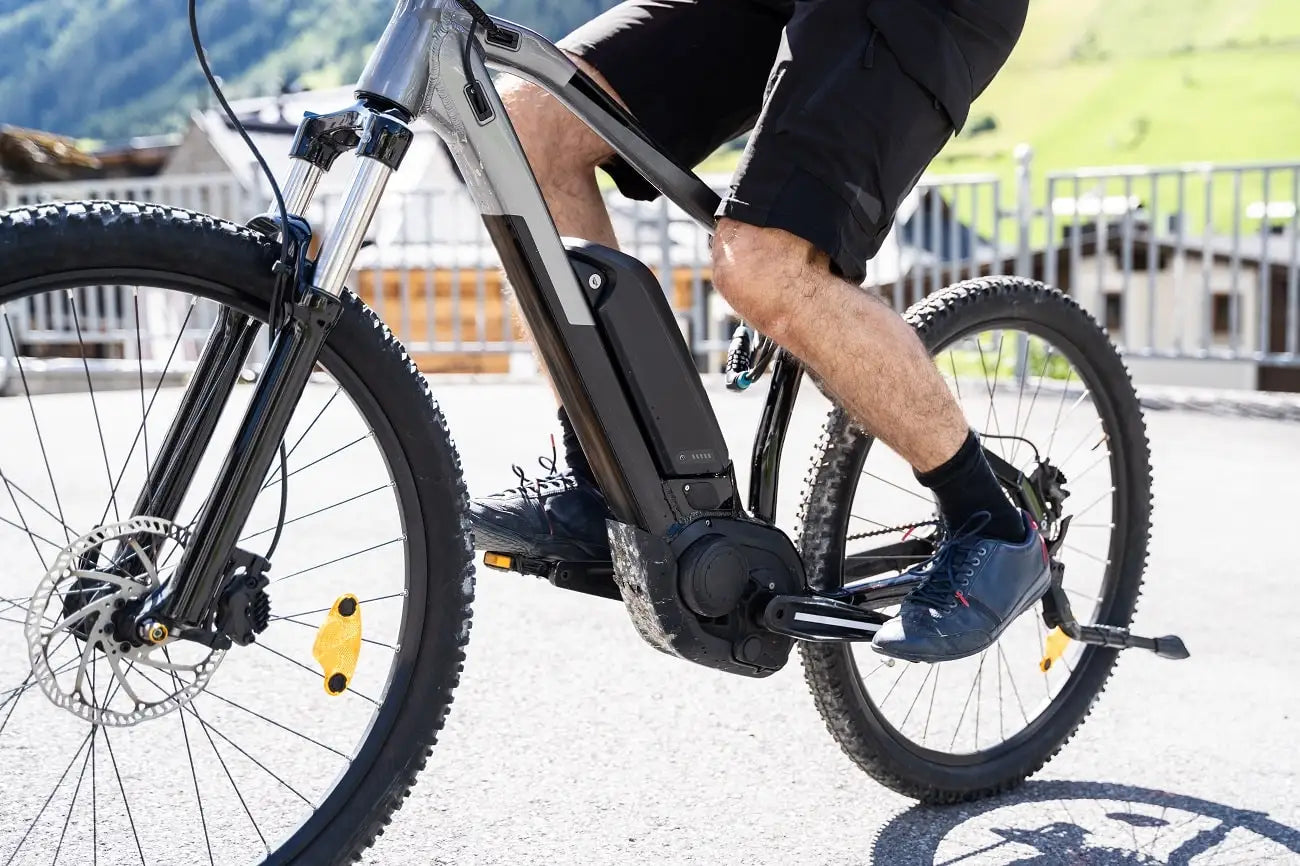
Image Source: rydybikes.com
Deciphering E-bike Battery Lifespan: What to Expect
The heart of any electric bicycle is its battery, and knowing how long it will serve you is crucial for making an informed purchase and planning for the future. The electric bicycle battery life is a complex topic, influenced by a multitude of factors. This guide will delve into what determines how long your e-bike battery will last, how far you can expect to go on a single charge, and what to do when it’s time for a change.
How Many Miles Does an E-bike Battery Last?
This is a common question, and the answer isn’t a simple number. The e-bike battery range – the distance you can travel on a single charge – is influenced by several things. On average, most e-bike batteries offer a range of 20 to 60 miles, but this can stretch to over 100 miles for premium bikes with larger batteries and efficient systems, or be as low as 10-20 miles for smaller, more basic setups.
Factors Affecting Your E-bike Battery Range
- Battery Capacity (Wh): This is the most significant factor. Measured in Watt-hours (Wh), it’s like the fuel tank size for your e-bike. A larger Wh capacity means more energy stored, thus a longer range. Common e-bike batteries range from 250 Wh to 750 Wh, with some high-performance models exceeding 1000 Wh.
- Rider Weight: Heavier riders will naturally require more power to move the bike, reducing the overall range.
- Terrain: Hills and inclines demand more energy than flat surfaces. Riding on steep gradients will drain the battery faster.
- Riding Style & Assistance Level: Using the highest pedal-assist levels or the throttle frequently will consume battery power more quickly than riding on lower assist modes or relying more on your own pedaling.
- Tire Pressure: Properly inflated tires reduce rolling resistance, meaning the motor needs less power to maintain speed, thereby extending range.
- Pedal Assist System (PAS) Efficiency: Different motor and sensor systems have varying levels of efficiency in how they utilize battery power.
- Wind Conditions: Riding against a strong headwind requires more effort from the motor, reducing range.
- Riding Speed: Higher speeds generally consume more energy.
- Temperature: Extreme temperatures, both hot and cold, can affect battery performance and capacity.
Interpreting E-bike Battery Degradation
All rechargeable batteries, including those in e-bikes, experience electric bike battery degradation over time. This means that with each charge and discharge cycle, the battery’s ability to hold a full charge gradually diminishes. You’ll notice this as a shorter range or a reduced ability to provide peak power.
What is Battery Degradation?
Battery degradation is a natural process where the chemical components within a lithium-ion battery wear down. This wear is primarily caused by:
- Charge/Discharge Cycles: Each time you charge and use your battery, it undergoes a cycle. While modern batteries are designed to withstand many cycles, each one contributes to a small amount of degradation.
- Heat: Exposing batteries to high temperatures, whether from prolonged riding in hot weather or improper charging, accelerates the degradation process.
- Deep Discharges: Completely draining the battery regularly can put stress on the cells. It’s generally better to avoid letting the battery hit 0%.
- Time: Even if not used, the chemical components within a battery can degrade over time.
Fathoming E-bike Battery Charging Cycles
The e-bike battery charging cycles are a key metric for e-bike battery lifespan. Manufacturers typically rate their lithium-ion batteries for a certain number of charge cycles before the capacity drops below a usable threshold (often 70-80% of its original capacity).
- What is a Charge Cycle? A charge cycle isn’t necessarily one full charge from 0% to 100%. It’s equivalent to discharging the battery by 100% of its capacity. For example, if you charge your battery from 50% to 100% one day, and then from 75% to 100% the next day, that’s equivalent to one full charge cycle.
- Typical Cycle Life: Most quality e-bike batteries are designed to last between 500 and 1000 charge cycles. This means if you ride your e-bike daily and fully discharge and recharge it every day, you could potentially get 1-2 years of heavy use out of the battery before significant degradation. However, if you ride less frequently and only partially discharge the battery, it will last much longer in terms of years.
Factors Affecting E-bike Battery Life
Beyond capacity and cycles, several other factors affecting e-bike battery life play a crucial role in its longevity and performance.
Usage Patterns
- Frequency of Use: A battery used daily will accumulate charge cycles faster than one used weekly.
- Intensity of Use: Regularly using the highest pedal assist settings or the throttle will put more strain on the battery, potentially shortening its lifespan compared to gentler use.
- Storage Conditions: Storing an e-bike battery in extreme temperatures (very hot or very cold) or at a very low charge level for extended periods can damage the cells and reduce its overall lifespan.
Charging Habits
- Charging Frequency: It’s generally better to charge the battery when it’s partially depleted rather than waiting for it to die completely.
- Charger Quality: Always use the charger specifically designed for your e-bike battery. Using an incompatible or low-quality charger can damage the battery.
- Charging Environment: Avoid charging the battery in direct sunlight or in extremely cold environments.
Battery Quality and Chemistry
- Cell Manufacturer: The quality of the individual lithium-ion cells used in the battery pack makes a significant difference. Reputable brands often use cells from well-known manufacturers like Samsung, LG, or Panasonic, which are known for their reliability and longevity.
- Battery Management System (BMS): A good BMS is crucial for protecting the battery from overcharging, over-discharging, short circuits, and overheating. It also helps to balance the charge across individual cells, which is vital for overall battery health.
- Battery Pack Construction: The way the cells are assembled, welded, and insulated contributes to the battery’s durability and safety.
Environmental Factors
- Temperature: As mentioned, extreme temperatures are detrimental. Lithium-ion batteries perform best at moderate temperatures (around 15-25°C or 59-77°F).
- Humidity: While less impactful than temperature, prolonged exposure to high humidity can also affect battery components over time.
When It’s Time for Electric Bicycle Battery Replacement
Eventually, all e-bike batteries will reach a point where their electric bicycle battery replacement is necessary. You’ll know it’s time when:
- Range Significantly Decreases: If you used to get 40 miles on a charge and now only get 20 miles, even after optimizing your riding habits, the battery is likely nearing the end of its life.
- Battery Fails to Hold a Charge: The battery might drain very quickly, or the bike might not even turn on after being charged.
- Error Codes or Warning Lights: Many e-bike systems will display error codes or warning lights indicating a battery issue.
- Physical Damage: Swelling, leaking, or physical damage to the battery casing is a clear sign that it needs immediate replacement for safety reasons.
- Battery Indicator Shows Full Immediately After Charging: If the battery indicator shows 100% charged but the bike still offers very limited range, it suggests the battery can no longer hold a significant charge.
Options for Replacing an E-bike Battery
When you need replacing e-bike battery, you have a few options:
- Manufacturer Replacement: The safest and often most reliable option is to purchase a direct replacement battery from your e-bike manufacturer. This ensures compatibility and that the battery is designed to work with your specific bike’s motor and electronics.
- Third-Party Batteries: There are aftermarket battery manufacturers that produce batteries for e-bikes. If you go this route, ensure the third-party battery is specifically designed for your e-bike model and has a reputable track record for quality and safety. Always check specifications carefully.
- Battery Rebuilding/Repackaging: In some cases, you can have your old battery pack rebuilt with new cells by a specialized service. This can be more cost-effective than buying a new battery, but it requires finding a trustworthy service provider. The quality of the rebuild depends heavily on the expertise and components used.
Maximizing Your E-bike Battery’s Health
To get the most out of your e-bike battery lifespan, follow these tips:
- Follow Manufacturer Guidelines: Always refer to your e-bike’s manual for specific care and charging instructions.
- Avoid Extreme Temperatures: Don’t leave your battery in a hot car or in freezing conditions for extended periods. Store it indoors at a moderate temperature.
- Charge Smart:
- Don’t overcharge; unplug the battery once it’s full.
- Avoid deep discharges; charge the battery when it reaches around 20-30% capacity.
- If storing the bike for a long period, charge the battery to about 60-80% and store it in a cool, dry place.
- Use the Correct Charger: Always use the charger that came with your e-bike or a manufacturer-approved replacement.
- Keep it Clean: Ensure the battery contacts are clean and free of debris.
- Gentle Riding: While it’s tempting to zoom around, moderate acceleration and avoiding constant high-speed or steep incline riding will extend your range and reduce strain on the battery.
How Many Miles Does an E-bike Battery Last? A Summary
The question of how many miles does an e-bike battery last is really asking about its range. As we’ve covered, this is highly variable. A moderate rider on flat terrain using a 500Wh battery at a medium assist level might achieve 40-50 miles. The same battery used by a heavier rider on hilly terrain at a high assist level might only deliver 20-25 miles. It’s a dynamic relationship between the battery’s e-bike battery capacity, the demands placed upon it, and the efficiency of the entire e-bike system.
Electric Bike Battery Capacity: The Core of Range
E-bike battery capacity is measured in Watt-hours (Wh). This is a straightforward calculation: Battery Voltage (V) multiplied by Ampere-hours (Ah) equals Watt-hours (Wh).
- Voltage (V): This refers to the electrical potential difference. Common e-bike battery voltages are 36V, 48V, and 52V.
- Ampere-hours (Ah): This indicates how much current the battery can deliver over time. A higher Ah rating means more energy storage.
For example:
* A 36V battery with 10Ah capacity has a capacity of 36V * 10Ah = 360 Wh.
* A 48V battery with 15Ah capacity has a capacity of 48V * 15Ah = 720 Wh.
A higher Wh number generally translates to a longer range. However, the efficiency of the motor and controller also plays a significant role in how far that stored energy can take you.
When to Consider Electric Bicycle Battery Replacement
When the current battery no longer meets your riding needs due to significantly reduced range or performance, it’s time to think about electric bicycle battery replacement. This is a natural part of the ownership lifecycle for any rechargeable electronic device. Don’t wait for a battery to fail completely, especially if you rely on your e-bike for commuting or essential travel. Proactive replacement ensures you’re never caught with a dead battery.
Frequently Asked Questions (FAQ)
Q1: Can I use a different charger for my e-bike battery?
A1: It is strongly recommended to only use the charger that came with your e-bike or a manufacturer-approved replacement. Using an incompatible charger can damage the battery, shorten its lifespan, or even pose a safety hazard.
Q2: How should I store my e-bike battery if I’m not using it for a while?
A2: If you plan to store your e-bike battery for an extended period (e.g., over a month), it’s best to store it in a cool, dry place at a charge level of around 60-80%. Avoid storing it fully charged or fully depleted, and in extreme temperatures.
Q3: Is it normal for my e-bike battery to get warm when charging?
A3: Yes, it is normal for the battery to feel slightly warm during charging, as charging is an energy conversion process. However, if the battery becomes excessively hot to the touch, unplug it immediately and consult your e-bike manufacturer.
Q4: How can I check the health of my e-bike battery?
A4: Many e-bike displays show battery health or voltage information. You can also gauge its health by its performance – a noticeable decrease in range or power output is a strong indicator of degradation. Some specialized tools can also test battery health, but these are often used by technicians.
Q5: How do I dispose of an old e-bike battery?
A5: Old e-bike batteries contain hazardous materials and should not be thrown in regular household trash. They can often be recycled at specialized recycling centers, electronic waste disposal facilities, or returned to your e-bike retailer or manufacturer for proper disposal and recycling. Check local regulations for battery recycling.