
So, what is a racing bike and how do I pick the right one? A racing bike, often called a road bike, is a bicycle designed for speed and efficiency on paved surfaces, typically used for competitive cycling or fast recreational rides. Choosing the right one involves considering your budget, intended use, and personal preferences. This guide will help you navigate the world of racing bikes, from frame materials to intricate gearing systems, ensuring you make an informed decision.
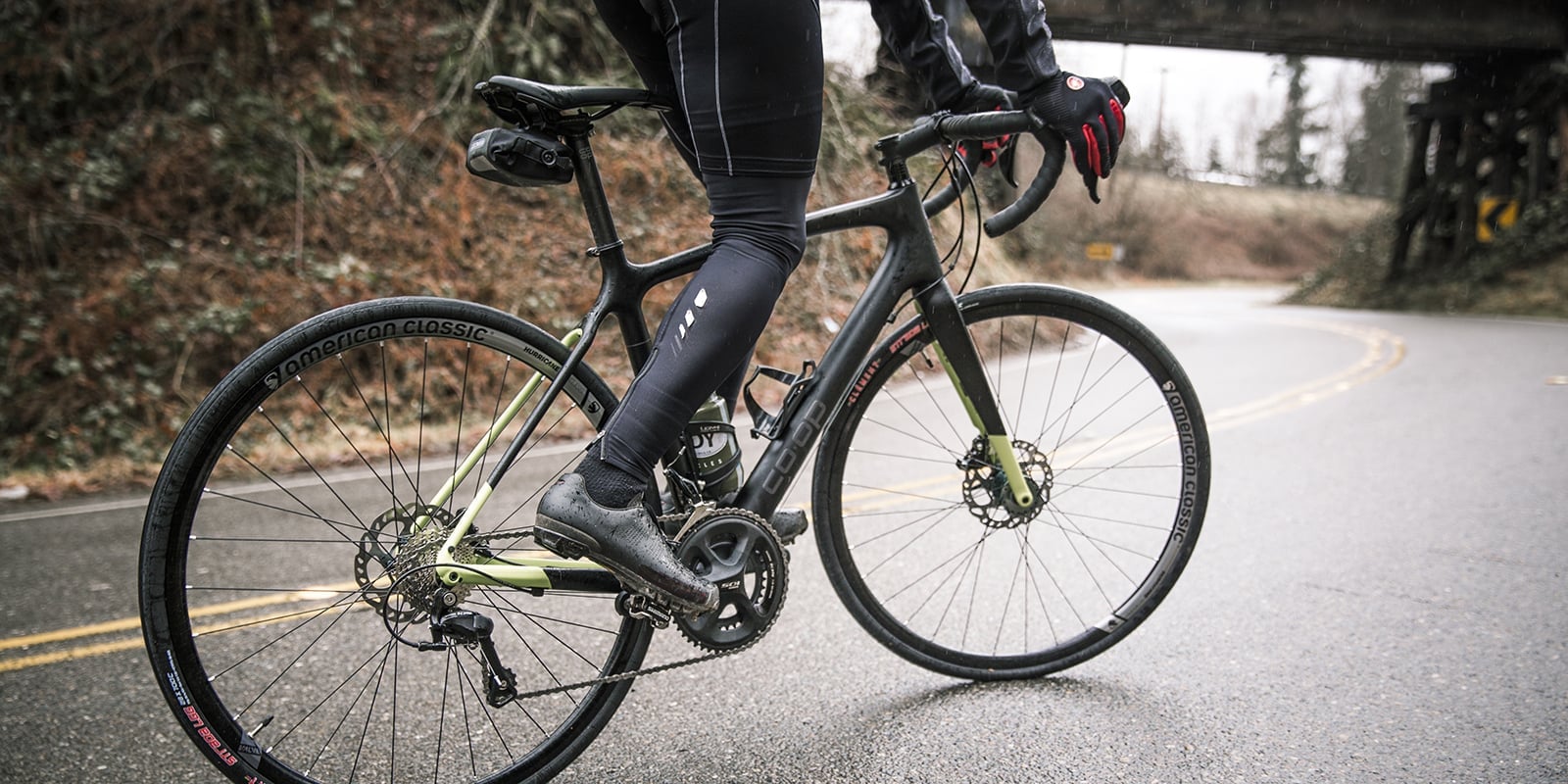
Image Source: www.rei.com
Deciphering Your Cycling Needs
Before you even look at a bike, think about why you want a racing bike. Are you aiming to compete, join weekend group rides, or simply want a faster, more efficient way to get around? Your answers will steer you towards specific types of racing bikes.
Exploring Different Road Bike Types
The world of road cycling offers a variety of machines, each tailored for specific purposes. Understanding these distinctions is key to finding your perfect ride.
Race Bikes (Performance Road Bikes)
- Purpose: Built for speed and aggressive riding. They are lightweight with stiff frames and aerodynamic features.
- Characteristics: Steep head tube angles for quick steering, short wheelbase for agility, dropped handlebars for an aerodynamic position, and high-end components for maximum performance.
- Ideal For: Competitive racers, those who prioritize speed and performance above all else, and riders who are comfortable with a more aggressive riding posture.
Endurance Road Bikes
- Purpose: Designed for long-distance comfort and stability. They offer a more relaxed riding position and can often accommodate wider tires for smoother rides on varied terrain.
- Characteristics: Slacker head tube angles for more stable handling, longer wheelbase for increased stability, often have vibration-damping features, and a slightly more upright riding position.
- Ideal For: Long-distance touring, gran fondos (large organized cycling events), sportive riders, and anyone who prioritizes comfort on extended rides.
All-Road / Gravel Bikes
- Purpose: Versatile bikes that can handle both paved roads and light off-road terrain like gravel paths and dirt roads.
- Characteristics: Similar to endurance bikes but with even more tire clearance, often feature disc brakes for better stopping power in all conditions, and may have mounts for fenders and racks.
- Ideal For: Riders who want one bike to do it all, explore mixed terrain, and aren’t afraid to venture off the beaten path.
Time Trial (TT) / Triathlon Bikes
- Purpose: Specifically engineered for aerodynamic efficiency in solo efforts against the clock.
- Characteristics: Distinctive aerodynamic frame shapes, aerobars for a more reclined and wind-cheating position, and often use specialized wheelsets. They are not allowed in most traditional road races due to their design.
- Ideal For: Competitive time trialists and triathletes.
Fathoming Frame Materials
The material of your bike’s frame significantly impacts its weight, stiffness, ride quality, and cost. Each material has its pros and cons.
Choosing Your Bike Frame Materials
-
Aluminum Road Bikes:
- Pros: Relatively affordable, durable, stiff, and lighter than steel. Offers good performance for the price.
- Cons: Can be less comfortable than carbon fiber, as it transmits more road vibration.
- Ideal For: Entry-level racers, budget-conscious riders, and those looking for a robust everyday bike.
-
Carbon Fiber Bikes:
- Pros: Exceptionally lightweight, strong, and can be engineered to offer a superb balance of stiffness and compliance (comfort). Excellent vibration damping.
- Cons: More expensive than aluminum. Can be susceptible to damage from sharp impacts if not cared for properly.
- Ideal For: Serious racers, performance-oriented riders, and those who want the best ride quality and lowest weight.
-
Steel:
- Pros: Known for its smooth, comfortable ride quality and durability. Can be repaired more easily than aluminum or carbon.
- Cons: Heavier than aluminum or carbon. Can be prone to rust if not maintained.
- Ideal For: Touring, commuting, and riders who prioritize comfort and classic aesthetics. Less common in dedicated racing bikes today.
-
Titanium:
- Pros: Lightweight, incredibly strong, corrosion-resistant, and offers a comfortable ride.
- Cons: Very expensive.
- Ideal For: Discerning riders who want a premium, long-lasting bike with a unique ride feel, often for touring or long-distance riding.
The Science of Road Bike Geometry
Road bike geometry refers to the angles and measurements of the bike’s frame. These factors dictate how the bike handles, how comfortable you are on it, and its overall performance characteristics.
Interpreting Road Bike Geometry
-
Head Tube Angle: Affects steering. A steeper angle (higher number) results in quicker, more responsive steering. A slacker angle (lower number) leads to more stable, predictable steering.
- Race Bikes: Typically have steeper head tube angles for agile handling.
- Endurance Bikes: Usually have slacker head tube angles for stability on long rides.
-
Seat Tube Angle: Influences your position over the pedals. A steeper angle puts you more directly over the bottom bracket.
- Race Bikes: Often have steeper seat tube angles.
-
Chainstay Length: The distance from the center of the bottom bracket to the center of the rear axle. Shorter chainstays make the bike more agile and responsive, while longer chainstays improve stability and can allow for wider tire clearance.
-
Wheelbase: The distance between the centers of the front and rear wheels. A longer wheelbase generally means more stability, while a shorter wheelbase makes the bike nimbler.
-
Stack and Reach: These are crucial measurements for bike fit.
- Stack: The vertical distance from the bottom bracket to the top of the head tube.
- Reach: The horizontal distance from the bottom bracket to the top of the head tube.
- These figures help determine how stretched out or upright you’ll be on the bike, impacting comfort and aerodynamics.
Deciphering Drivetrain and Gearing
The gearing on your racing bike is what allows you to tackle different terrains and speeds efficiently. It’s a system of chainrings (at the front, attached to the pedals) and a cassette (at the rear, on the rear wheel).
Understanding Road Bike Gearing
Gearing is described by the number of teeth on the chainrings and cassette cogs.
-
Chainrings:
- Compact (50/34 teeth): Offers smaller gears, making climbing easier. Great for hilly terrain or riders who prefer a lower cadence.
- Mid-Compact (52/36 teeth): A good all-around choice, balancing climbing ability with speed on flats.
- Standard (53/39 teeth): Traditionally used by racers for maximum speed on flat courses or with strong riders. Requires more power to pedal.
-
Cassette:
- Close-ratio cassette (e.g., 11-25, 11-28 teeth): Offers smaller jumps between gears, allowing for smoother transitions and finding the perfect cadence. Better suited for flatter terrain or strong riders.
- Wide-range cassette (e.g., 11-30, 11-32, or even larger): Provides a larger cog for easier climbing. Ideal for mountainous terrain or riders who want a wider range of gears.
The combination of chainrings and cassette creates the overall gearing range. A “lower” gear (larger rear cog, smaller front chainring) is easier to pedal and is used for climbing. A “higher” gear (smaller rear cog, larger front chainring) is harder to pedal but allows for greater speed on flats or descents.
Example Gearing Combinations:
| Chainrings | Cassette | Typical Use |
|---|---|---|
| 50/34 | 11-30 | Hilly terrain, strong climbers |
| 50/34 | 11-28 | Mixed terrain, good all-rounder |
| 52/36 | 11-28 | Fast flats, rolling hills |
| 52/36 | 11-32 | Steep climbs, mixed terrain |
| 53/39 | 11-25 | Flat courses, sprinters, racers |
| 53/39 | 11-28 | Competitive racing, experienced riders |
Braking Systems: Disc Brakes vs. Rim Brakes
The braking system is a critical safety feature. Modern racing bikes primarily use either disc brakes or rim brakes.
Disc Brakes vs Rim Brakes: A Comparison
| Feature | Disc Brakes | Rim Brakes |
|---|---|---|
| Performance | Excellent stopping power in all weather conditions. More modulation (fine control). | Good stopping power in dry conditions. Can be affected by wet weather. |
| Weight | Slightly heavier due to rotors and calipers. | Generally lighter. |
| Maintenance | Requires more specialized tools. Rotor alignment can be tricky. | Simpler maintenance, pads are easy to replace. |
| Aerodynamics | Can create a slight aerodynamic penalty. | Generally more aerodynamic. |
| Tire Clearance | Often allow for wider tire clearance. | Can limit tire width. |
| Cost | Typically more expensive. | Less expensive. |
| Wheel Damage | Does not wear down the wheel rim. | Wears down the wheel rim over time. |
- Disc Brakes: Offer superior stopping power and consistency, especially in wet or dirty conditions. They are becoming the standard on most new road bikes, particularly endurance and gravel models.
- Rim Brakes: Traditional and still found on many race bikes, they are lighter and can be more aerodynamic. However, their performance can degrade in adverse weather.
The Importance of Bike Fit for Cycling
A proper bike fit is arguably the most crucial aspect of choosing a racing bike. It ensures comfort, efficiency, and injury prevention. A poorly fitted bike can lead to pain, reduced performance, and even injury, regardless of how expensive or high-tech it is.
Achieving Your Ideal Bike Fit for Cycling
- Professional Bike Fit: The gold standard. A trained fitter uses specialized equipment to analyze your body proportions, flexibility, and riding style. They then adjust your current bike or help you choose a new one to optimize your position.
- Static Fit: This involves measuring your body and comparing those measurements to bike geometry charts. It’s a starting point but doesn’t account for the dynamic nature of cycling.
- Dynamic Fit: Performed on a stationary trainer while you pedal. The fitter observes your pedaling motion, posture, and flexibility to make adjustments in real-time.
Key areas adjusted during a bike fit include:
- Saddle Height and Position: Crucial for power output and knee health.
- Handlebar Reach and Height: Affects your torso angle, arm comfort, and aerodynamics.
- Stem Length and Angle: Fine-tunes the cockpit setup.
- Cleat Position: Ensures efficient power transfer from your shoes to the pedals.
Even the most advanced professional cycling gear won’t make you faster if your bike doesn’t fit you correctly.
Components and Considerations
Beyond the frame and brakes, other components play a vital role in your racing bike’s performance and feel.
Essential Components to Consider
-
Groupset (Drivetrain and Brakes): This refers to the set of components that control shifting and braking (e.g., Shimano Ultegra, SRAM Force, Campagnolo Chorus). Higher-end groupsets are lighter, shift more smoothly, and offer better performance.
- Shimano: Known for reliability and smooth shifting.
- SRAM: Offers a different shifting mechanism (often with the brake lever and shift lever integrated on the right side) and is popular for its crisp feel.
- Campagnolo: A premium Italian brand known for its craftsmanship and smooth operation.
-
Wheels: Can make a significant difference in ride feel, acceleration, and aerodynamics.
- Wheel Depth: Deeper rim wheels are more aerodynamic but can be affected by crosswinds. Shallower wheels are lighter and more stable in wind.
- Material: Aluminum is common and affordable. Carbon fiber is lighter and more aerodynamic but more expensive.
-
Tires: Affect rolling resistance, grip, and comfort.
- Tire Width: Wider tires (e.g., 28mm or 30mm) generally offer more comfort and grip, especially on rougher surfaces. Narrower tires (e.g., 23mm or 25mm) are often associated with pure racing for their aerodynamic benefits.
- Tubeless vs. Clincher: Tubeless tires can be run at lower pressures for better comfort and grip, and they are less prone to pinch flats.
Navigating Cycling Disciplines
While we’re focusing on road racing, it’s worth noting that cycling disciplines influence bike choice. If your goal is triathlon, you’ll need a triathlon bike. If you’re interested in cyclocross or track cycling, those require specialized bikes. For general road speed and racing, the bikes discussed here are appropriate.
Budgeting for Your Racing Bike
Racing bikes can range from a few hundred dollars to tens of thousands. It’s important to set a realistic budget and understand what you get for your money.
Setting Your Budget
- Entry-Level (< $1,500): Typically aluminum frame, basic Shimano or SRAM components. Good for starting out or casual fitness.
- Mid-Range ($1,500 – $3,500): Often features higher-grade aluminum or entry-level carbon frames, Shimano 105 or SRAM Rival groupsets. Excellent value for dedicated enthusiasts.
- High-End ($3,500 – $7,000+): Primarily carbon fiber frames, Shimano Ultegra/Dura-Ace or SRAM Force/Red groupsets. Lightweight, aerodynamic, and built for serious performance.
- Professional ($7,000++): Top-tier materials, cutting-edge technology, custom builds. The domain of professional cycling gear and serious competitors.
Remember to factor in the cost of essential accessories like a helmet, cycling shoes, pedals, cycling computer, and repair kit.
Making Your Final Choice
Once you’ve considered all these factors, it’s time to make a decision.
The Decision-Making Process
- Test Ride: Absolutely essential! Ride as many bikes as you can within your budget and preferences. Pay attention to how the bike feels, handles, and how comfortable the riding position is.
- Consult Experts: Talk to experienced cyclists, local bike shop staff, or coaches. They can offer valuable insights.
- Don’t Forget the Fit: Prioritize a bike that can be properly fitted to you. A slightly less expensive bike that fits perfectly will always outperform a more expensive bike that doesn’t.
- Consider Longevity: Think about whether you might want to upgrade components later. Some frames are more upgrade-friendly than others.
Choosing a racing bike is an exciting journey. By carefully considering your needs, researching the options, and prioritizing a proper bike fit, you’ll be well on your way to finding the perfect machine to fuel your passion for cycling.
Frequently Asked Questions (FAQ)
Q1: Can I use a racing bike for commuting?
A1: Yes, you can use a racing bike for commuting, especially models like endurance or all-road bikes. However, they are designed for speed, so comfort on very rough city streets might be limited. You might also want to consider adding fenders for wet weather and a lock. Pure race bikes with narrow tires and aggressive geometry are less ideal for daily commuting.
Q2: What is the best racing bike for beginners?
A2: For beginners, an endurance road bike with an aluminum frame and a reliable groupset like Shimano Tiagra or 105 is an excellent starting point. These bikes offer comfort, stability, and good performance without an overwhelming price tag or overly aggressive riding position.
Q3: How important is weight in a racing bike?
A3: Weight is important, especially for climbing and acceleration. Lighter bikes generally feel more responsive and easier to push up hills. However, stiffness, aerodynamics, and ride comfort are also critical factors that can contribute more significantly to overall performance than a few hundred grams of weight difference, especially for non-professional riders.
Q4: Do I need special shoes for a racing bike?
A4: Yes, racing bikes typically use clipless pedals, which require special cycling shoes with cleats that attach to the pedals. This system provides a more secure connection between your foot and the pedal, allowing for efficient power transfer and better control.
Q5: How often should I get my racing bike serviced?
A5: It’s recommended to have your racing bike serviced annually by a professional bike mechanic. However, you should perform regular checks yourself, such as cleaning and lubricating the chain, checking tire pressure, and ensuring brakes and gears are functioning correctly. More frequent checks might be needed if you ride in harsh conditions or compete regularly.