
So, how much does a bike tune-up cost? Generally, you can expect to pay between $75 and $200 for a standard bike tune-up. This price can vary depending on the type of bike, the shop you choose, and the extent of the work needed.
Getting your bicycle in tip-top shape doesn’t have to be a mystery! Knowing the bicycle maintenance cost associated with a tune-up is crucial for budgeting and keeping your ride safe and smooth. This comprehensive guide will break down everything you need to know about bike service price, from basic adjustments to more involved overhauls. We’ll help you decipher the cost of bicycle tune up, provide realistic bicycle repair estimates, and explore what goes into different bike servicing prices. Whether you’re a casual rider or a seasoned cyclist, this bike maintenance cost guide will empower you to make informed decisions about your bicycle service costs.
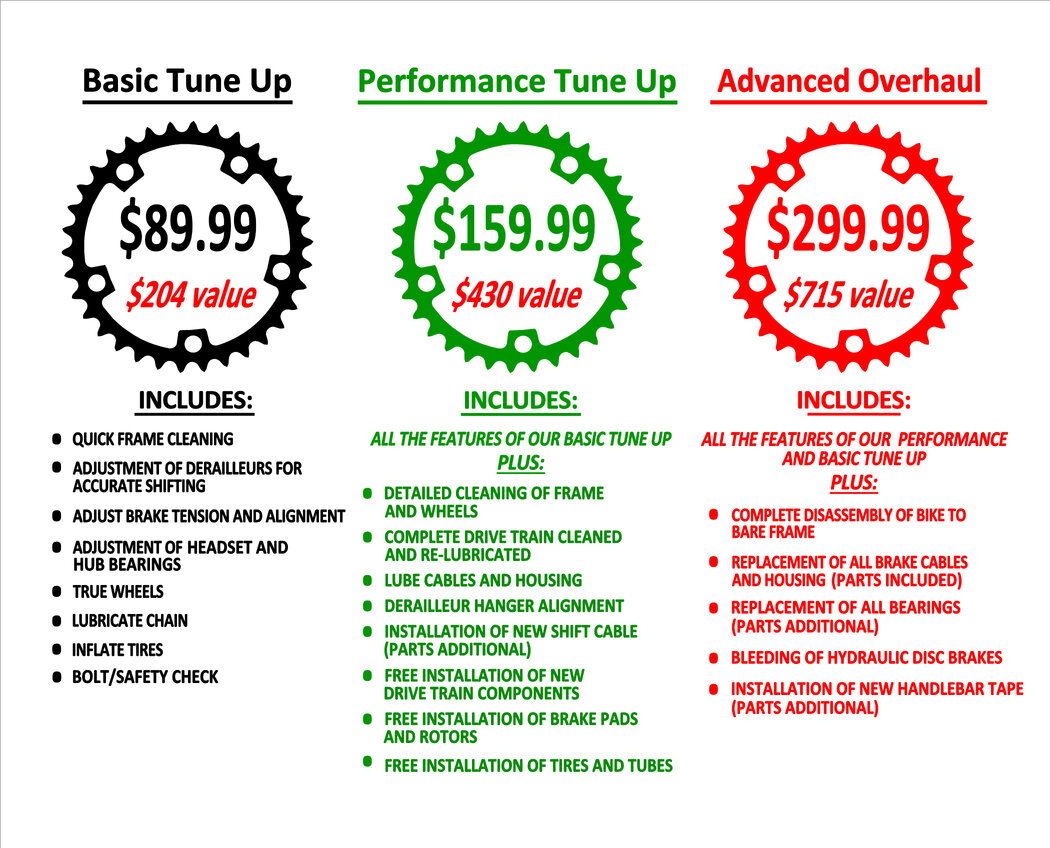
Image Source: www.sefiles.net
Deciphering the Basics: What’s Included in a Tune-Up?
Before we dive into prices, it’s important to understand what a standard bike tune-up typically covers. Think of it as a health check for your two-wheeled companion. Most bike shops offer different levels of tune-ups, but a “standard” or “basic” tune-up usually includes:
- Brake Adjustment: Ensuring your brakes are responsive and powerful is paramount for safety. This involves checking brake pad wear, adjusting cable tension, and ensuring they engage smoothly.
- Gear Adjustment: Smooth shifting is key to an enjoyable ride. This includes adjusting derailleurs (front and rear) to ensure gears change crisply and accurately.
- Chain Lubrication and Inspection: A clean, well-lubricated chain runs quieter, shifts better, and lasts longer. Mechanics will check for wear and tear on the chain.
- Tire Inflation and Inspection: Correct tire pressure improves ride quality and reduces the risk of flats. They’ll also check for any cuts or damage to the tires.
- Bolt Check: A quick once-over to ensure all essential bolts are snug and secure, preventing parts from loosening during a ride.
- Wheel Truing (Minor): This involves making small adjustments to the spokes to ensure the wheels spin straight, without wobbling.
- General Cleaning: A light wipe-down to remove surface dirt and grime.
What’s NOT Typically Included in a Basic Tune-Up?
It’s important to manage expectations. A basic tune-up is not a complete overhaul. Things that are usually not included, and may incur extra charges, include:
- Replacement Parts: New brake pads, cables, housing, or chains will add to the overall cost.
- Deep Cleaning: A thorough degreasing and cleaning of the entire drivetrain is often an add-on service.
- Wheel Building or Major Truing: Significant repairs to wheels, like replacing multiple spokes or rebuilding a wheel entirely, are separate services.
- Suspension Servicing: For mountain bikes, fork and shock servicing is a specialized task and priced separately.
- Hydraulic Brake Bleed: If you have hydraulic disc brakes, they may need bleeding to remove air bubbles and restore optimal performance. This is an additional service.
Factors Influencing Bike Tune-Up Costs
Several elements can affect the bike maintenance cost. Understanding these will help you anticipate the price you might pay when looking for bike servicing near me.
1. Type of Bicycle
The complexity of your bike directly impacts the cost of bicycle tune up.
- Road Bikes: Generally have simpler drivetrains and brake systems. Tune-ups tend to be on the lower end of the price spectrum.
- Mountain Bikes (MTB): These often feature more complex suspension systems, disc brakes, and wider gear ranges, leading to higher bike servicing prices. Suspension servicing is a significant additional cost.
- Hybrid Bikes: A blend of road and mountain bike features, their tune-up costs are usually mid-range.
- Electric Bikes (e-Bikes): The added complexity of motors, batteries, and electronic components means e-bike tune-ups are typically more expensive. This can include diagnostics of the electronic system.
- Single-Speed/Fixed-Gear Bikes: These are the simplest, often resulting in lower tune up prices bicycle can expect.
2. Level of Tune-Up Service
Bike shops often offer tiered service packages. Here’s a breakdown of what you might find and how it affects the bicycle maintenance cost guide:
Basic Tune-Up (The Essentials)
- Price Range: $75 – $120
- What it Covers: As described above – brakes, gears, lubrication, minor truing, bolt check.
- Ideal For: Bikes that are ridden regularly but haven’t seen major issues, or a good preventative maintenance option.
Standard Tune-Up (A Deeper Clean & Check)
- Price Range: $120 – $180
- What it Covers: Includes everything in the basic tune-up, plus:
- More thorough cleaning of the drivetrain (chain, cassette, chainrings).
- Inspection of bearing surfaces (hubs, headset, bottom bracket) for wear.
- Minor wheel truing (if needed).
- Often includes checking and tightening of headset and bottom bracket adjustments.
- Ideal For: Bikes that have seen more mileage, need a more thorough cleaning, or haven’t been serviced in a while.
Advanced Tune-Up / Overhaul (The Full Treatment)
- Price Range: $180 – $300+
- What it Covers: This is the most comprehensive service. It includes everything in the standard tune-up, plus:
- Dismantling and cleaning of key components (hubs, headset, bottom bracket).
- Repacking bearings with fresh grease.
- Checking and cleaning the frame.
- Potentially replacing cables and housing as part of the service (though parts are usually extra).
- More in-depth wheel truing.
- Ideal For: Bikes that are several years old, haven’t been serviced in a long time, or are being prepared for a major event or long tour. This is often referred to as a bicycle overhaul cost.
3. Parts and Labor Costs
The quoted price for a tune-up is usually for labor. If any parts need replacing, they will be an additional cost.
- Cables and Housing: $15 – $40 per set (shifter and brake cables/housing).
- Brake Pads: $10 – $30 per wheel (depending on type).
- Chain: $20 – $50 (for a standard chain).
- Tires: $30 – $80+ per tire (depending on quality and type).
- Inner Tubes: $5 – $15 each.
When you receive bicycle repair estimates, ensure they clearly distinguish between labor and parts.
4. Location and Shop Reputation
Bike servicing near me can have varying prices.
- Urban vs. Rural: Shops in major metropolitan areas often have higher overheads and therefore may charge more than shops in smaller towns.
- Specialty Shops: Shops that specialize in high-end road bikes, mountain bikes, or e-bikes might charge a premium for their expertise, but can also offer superior service.
- Independent vs. Chain Stores: Independent bike shops might offer more personalized service, while larger chain stores might have more competitive pricing on labor.
Estimating Your Bicycle Tune-Up Cost: What to Expect
Let’s put some numbers to the tune up prices bicycle can expect. These are estimates and can vary significantly.
Table 1: Estimated Bike Tune-Up Costs by Service Level
| Service Level | Typical Price Range (USD) | Key Inclusions |
|---|---|---|
| Basic Tune-Up | $75 – $120 | Brake/Gear Adjust, Lube, Tire Inflation, Bolt Check, Minor Truing, Light Clean |
| Standard Tune-Up | $120 – $180 | Basic + Drivetrain Clean, Bearing Inspection, Deeper Bolt Check, Enhanced Truing |
| Advanced/Overhaul | $180 – $300+ | Standard + Bearing Repack, Component Dismantle/Clean, Frame Check, Major Truing |
Additional Services and Their Estimated Costs:
- Hydraulic Brake Bleed: $40 – $80 per brake
- Suspension Fork Service: $100 – $200+ (depends on fork complexity)
- Rear Shock Service: $80 – $150+
- Wheel Truing (Significant): $30 – $60 per wheel
- Hub Bearing Service: $30 – $50 per hub
- Bottom Bracket Service: $40 – $70
- Headset Service: $30 – $50
- E-Bike System Check/Diagnostic: $50 – $100+
These figures are crucial for creating your bike maintenance cost guide. Always ask for a detailed quote before authorizing any work.
When to Get a Bike Tune-Up
Regular maintenance is key to prolonging the life of your bike and ensuring your safety. Here are some general guidelines:
- Every 3-6 Months: For casual riders who use their bike a few times a week. This covers basic checks and adjustments.
- Every 1-3 Months: For avid cyclists who ride frequently, especially in varied conditions (rain, dirt).
- After Major Repairs: If you’ve had a significant component replaced, a tune-up ensures everything else is working in harmony.
- Before a Big Event: A race, long tour, or charity ride is not the time to discover a problem. Get a tune-up beforehand.
- If You Hear Strange Noises: Squeaks, clicks, or grinding sounds are indicators that something needs attention.
- If Shifting or Braking Feels Off: Any degradation in performance is a sign that adjustments are needed.
The Cost of Neglect
Skipping regular tune-ups can lead to more significant and expensive problems down the line. A small adjustment that might cost $100 now could turn into a $300 repair if a neglected component fails completely. This highlights the value of consistent bicycle maintenance cost management.
DIY vs. Professional Tune-Ups
For the mechanically inclined, many basic tune-up tasks can be performed at home. This can significantly reduce your bicycle maintenance cost.
What You Can Do at Home:
- Clean and Lube the Chain: This is arguably the most important regular maintenance you can do.
- Inflate Tires: Always check pressure before rides.
- Check Brake Pad Wear: Visually inspect them.
- Inspect Tires for Damage: Look for cuts or embedded objects.
- Tighten Quick Releases/Thru-Axles: Ensure wheels are secure.
- Basic Bolt Check: Especially on common bolts like stem, seatpost, and crank arms.
When to Leave It to the Pros:
- Gear Indexing: Getting derailleurs perfectly aligned can be fiddly.
- Brake Bleeding: Especially for hydraulic systems, this requires specific tools and knowledge.
- Wheel Truing: Requires a spoke wrench and a true stand.
- Bearing Adjustments/Servicing: Can be complex and requires specialized tools.
- Anything You’re Unsure About: It’s better to pay for professional service than to risk damaging your bike.
The bicycle repair estimates you get from a shop can help you decide if a task is worth tackling yourself.
Finding a Reliable Bike Shop for Your Tune-Up
When searching for bike servicing near me, consider these factors:
- Reputation and Reviews: Check online reviews and ask other cyclists for recommendations.
- Expertise: Does the shop have mechanics experienced with your type of bike (e.g., e-bikes, high-end road bikes)?
- Transparency: Do they provide clear bicycle repair estimates and explain the work being done?
- Warranty on Service: Do they offer any guarantee on their work?
- Turnaround Time: How long will your bike be out of commission?
Sample Bicycle Repair Estimates: Putting it All Together
Let’s imagine a few scenarios to illustrate the cost of bicycle tune up.
Scenario 1: Casual Rider with a Hybrid Bike
- Bike: 5-year-old hybrid, ridden a few times a week.
- Service Needed: Standard tune-up.
- Potential Extra Parts: Worn brake pads, slightly stretched brake cables.
- Estimated Cost:
- Standard Tune-Up Labor: $150
- New Brake Pads (front & rear): $30
- New Cables & Housing (front & rear brakes/shifters): $40
- Total Estimate: $220
Scenario 2: Enthusiast Road Cyclist
- Bike: 2-year-old road bike, ridden 50-100 miles per week.
- Service Needed: Basic tune-up with a focus on performance.
- Potential Extra Parts: Chain lube, tire sealant check (tubeless).
- Estimated Cost:
- Basic Tune-Up Labor: $90
- High-Quality Chain Lube: $10
- Total Estimate: $100
Scenario 3: Mountain Biker with a Well-Used MTB
- Bike: 3-year-old full-suspension mountain bike, ridden regularly on trails.
- Service Needed: Advanced tune-up (overhaul).
- Potential Extra Parts: Worn brake pads, fork service (seals and oil).
- Estimated Cost:
- Advanced Tune-Up/Overhaul Labor: $250
- New Brake Pads (front & rear): $30
- Fork Service Labor & Parts: $150
- Total Estimate: $430
These are illustrative and highlight how the bike servicing prices can fluctuate. Always get a specific quote for your bike. This makes your bike maintenance cost guide more accurate for your personal situation.
Frequently Asked Questions About Bike Tune-Ups
How often should I get my bike tuned up?
For most riders, a tune-up every 6 months is a good rule of thumb. If you ride frequently, in adverse weather, or race, you might need one every 3-4 months.
Can I just ask for specific adjustments instead of a full tune-up?
Yes, most shops will perform individual adjustments or repairs. However, if multiple adjustments are needed (e.g., brakes, gears, and a quick wheel true), a tune-up package often offers better value. Asking for a quote for individual services versus a tune-up will clarify this.
Does the cost of a tune-up include replacing parts?
Typically, tune-up prices are for labor only. Parts like chains, cables, brake pads, and tires are usually charged separately. Always clarify this when booking your service.
What’s the difference between a tune-up and an overhaul?
A tune-up is a comprehensive check and adjustment of all key systems to ensure they are working optimally. An overhaul is a much more in-depth service that often involves dismantling, cleaning, and re-greasing major components like hubs, headset, and bottom bracket. An bicycle overhaul cost will naturally be higher.
How much do tune-ups cost for e-bikes?
E-bike tune-ups are generally more expensive due to the added complexity of the electrical system. Expect to pay anywhere from 20-50% more than a comparable non-electric bike tune-up, as it may include diagnostic checks of the motor and battery.
How can I find the best bike service price?
Compare quotes from a few different reputable local bike shops. Look for shops that offer clear service descriptions and transparent pricing. Don’t always go for the cheapest option; quality of service and expertise are important.
By keeping these points in mind, you can confidently navigate the world of bicycle maintenance and ensure your bike always provides a safe and enjoyable ride. Knowing the bike maintenance cost upfront helps you budget effectively and keeps your two-wheeled companion in peak condition.