
Is it okay to use dish soap to clean a motorcycle engine? Yes, mild dish soap can be used for light cleaning, but it’s not ideal for heavy grease and grime. For tougher jobs, specialized bike engine degreaser is a much better choice.
Keeping your motorcycle engine clean isn’t just about looks; it’s vital for its health and performance. A clean engine runs cooler, helps you spot leaks or potential problems early, and makes maintenance tasks much easier. You might be wondering, “Can I pressure wash my motorcycle engine?” While tempting, high-pressure washing can force water into electrical connections and sensitive areas, causing damage. It’s generally best to avoid it or use very low pressure with caution. This guide will walk you through the process of motorcycle engine cleaning safely and effectively, giving you the confidence to tackle it yourself. We’ll cover everything from the basic cleaning process to dealing with stubborn grime and how to clean motorcycle engine oil spills.
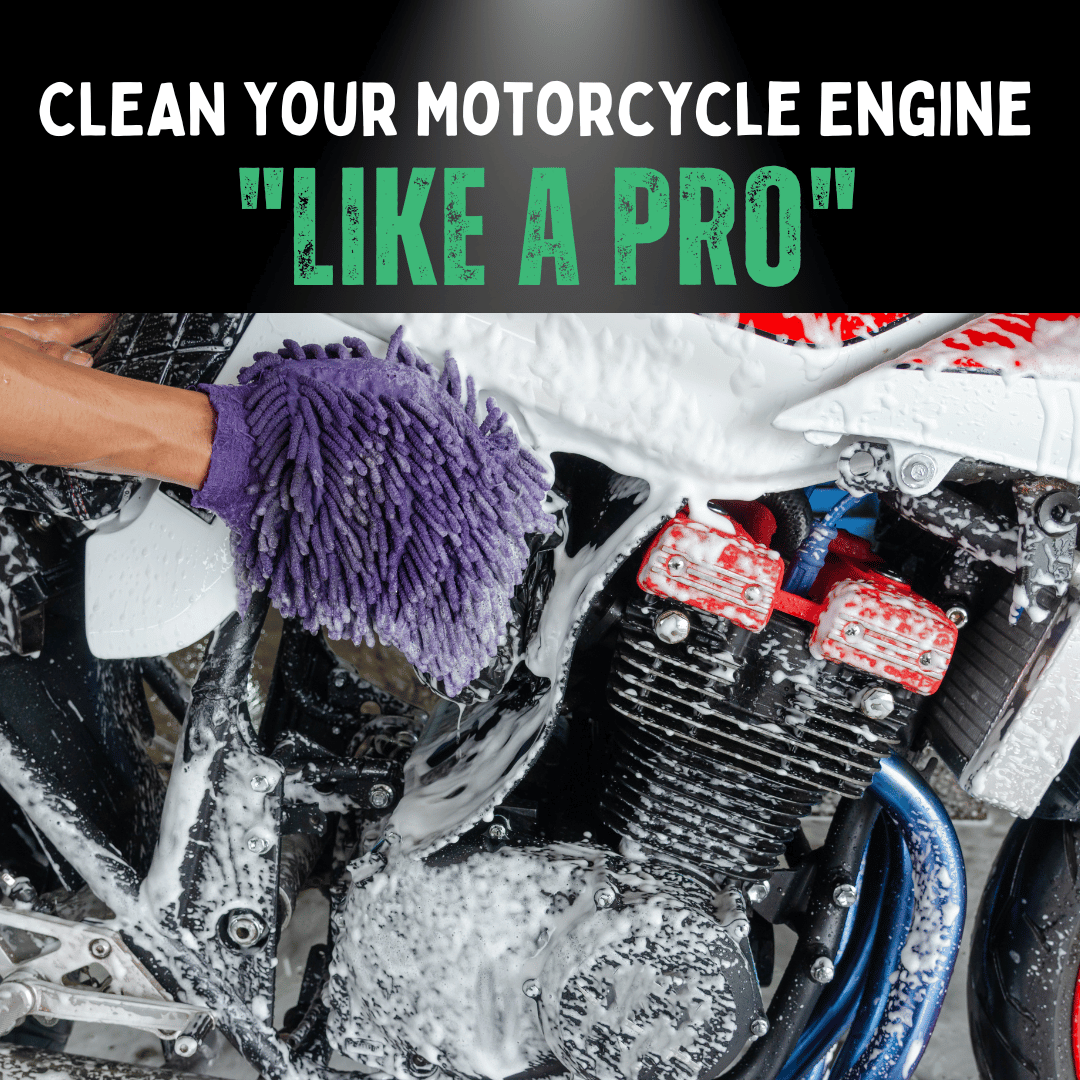
Image Source: riiroo.com
Why Cleaning Your Bike Engine Matters
A sparkling engine bay isn’t just for show. It has practical benefits:
- Early Problem Detection: Dirt and grime can hide leaks from coolant, oil, or other vital fluids. Regular cleaning makes these leaks obvious before they become major issues.
- Better Heat Dissipation: Layers of oil and dirt can act as insulators, trapping heat. A clean engine can dissipate heat more effectively, contributing to better performance and longevity.
- Easier Maintenance: When your engine is clean, it’s much easier to access components for routine checks, fluid changes, or repairs. No more fumbling around in greasy darkness!
- Preventing Corrosion: Road salt, mud, and moisture can lead to corrosion on engine parts. Regular cleaning removes these corrosive agents.
- Aesthetic Appeal: Let’s be honest, a clean engine looks great. It shows pride in your ride.
Getting Started: What You’ll Need
Before you dive in, gather your supplies. Having everything ready makes the job smoother.
Essential Tools and Supplies:
- Safety Gear:
- Gloves (nitrile or chemical-resistant)
- Safety glasses or goggles
- Face mask (especially when using strong chemicals)
- Cleaning Agents:
- Bike engine degreaser (specific motorcycle formulas are best)
- Mild dish soap (for light cleaning or rinsing)
- Brake cleaner (for stubborn spots, use sparingly)
- Bike engine cleaning chemicals (consider specific metal polishes or cleaners if needed)
- Applicators and Brushes:
- Soft-bristle brushes (various sizes, including toothbrush-style for tight spots)
- Stiff-bristle brushes (for tougher grime, but be careful not to scratch)
- Detailing brushes
- Microfiber cloths (several)
- Paper towels
- Protection:
- Plastic bags or cling film (to cover sensitive electrical components)
- Painter’s tape or electrical tape
- Water Source:
- Garden hose with a gentle spray setting
- Bucket of clean water
- Drying:
- Clean microfiber towels
- Compressed air (optional, but highly recommended for drying)
- Finishing Touches (Optional):
- Engine protectant or dressing (for a finished look and some protection)
Preparing Your Motorcycle for Cleaning
Proper preparation is key to a safe and effective cleaning process.
Protecting Sensitive Components:
Before you apply any liquid, it’s crucial to protect areas that water or chemicals could damage.
- Electrical Connectors: Use plastic bags and tape to cover exposed electrical connectors, the ignition coil, spark plug wires, and any exposed wiring harnesses.
- Air Intake: Ensure the airbox opening is sealed. A plastic bag secured with tape works well.
- Alternator/Generator: Cover these if they are easily accessible and have exposed vents.
- Brake Master Cylinders: While usually sealed, a quick cover can prevent accidental fluid contamination or damage from strong cleaners.
Choosing the Right Location
- Ventilation: Work in a well-ventilated area, preferably outdoors. This is especially important when using chemical cleaners.
- Surface: Choose a surface that can handle oil and grime runoff. Avoid washing directly into storm drains, as many cleaning agents are harmful to the environment. A wash mat or gravel area is ideal.
The Step-by-Step Cleaning Process
Now that your bike is prepped, it’s time to get to work.
Step 1: Initial Rinse (Optional but Recommended)
A quick rinse with a garden hose on a low-pressure setting can remove loose dirt and dust. This makes the degreasing step more effective. Avoid spraying directly into any openings or sensitive areas you haven’t covered.
Step 2: Applying the Bike Engine Degreaser
This is where the real cleaning happens. The best way to clean engine grease is with a dedicated degreaser.
- Read the Product Label: Always follow the manufacturer’s instructions for the specific degreaser you are using.
- Targeted Application: Spray the degreaser directly onto greasy and grimy areas of the engine. Avoid spraying it indiscriminately all over.
- Allow Dwell Time: Let the degreaser sit for the recommended time (usually a few minutes) to break down the oil and grease. Don’t let it dry on the surface.
- Work it In: For stubborn areas, use your brushes to agitate the grime. The combination of chemical action and mechanical scrubbing is most effective.
Step 3: Scrubbing the Grime
This is an iterative process. You’ll likely need to reapply degreaser and scrub in stages.
- Use Appropriate Brushes:
- Soft brushes are good for painted or delicate engine covers.
- Stiffer brushes can tackle built-up grime on metal parts, but test in an inconspicuous area first to ensure they don’t scratch.
- Detailing brushes and old toothbrushes are perfect for reaching tight corners and crevices.
- Focus on Problem Areas: Pay special attention to areas where oil and dirt tend to accumulate, such as around gaskets, cylinder heads, and the crankcase.
Step 4: Rinsing Off the Degreaser and Grime
After the degreaser has had time to work and you’ve scrubbed, it’s time to rinse.
- Gentle Rinse: Use your garden hose on a gentle spray setting. Rinse thoroughly to remove all traces of degreaser and loosened grime.
- Avoid High Pressure: Again, resist the urge to use a high-pressure washer. It can do more harm than good.
- Work from Top to Bottom: This ensures that dirty water runs off clean areas.
Step 5: Tackling Stubborn Stains and Marks
Sometimes, simple degreasing isn’t enough. You might encounter specific issues like how to remove oil stains from bike engine components or discoloration.
- How to Clean Motorcycle Engine Oil: For fresh oil spills, absorb as much as possible with paper towels immediately. For dried-on oil stains, a good quality bike engine degreaser is your first line of defense. For very old or baked-on oil, you might need to use a solvent like brake cleaner, but use it very sparingly and in a well-ventilated area, and test it on a small spot first as it can damage some finishes. Always rinse thoroughly after using such products.
- Aluminum Brighteners: If your engine has aluminum parts that have oxidized or stained, an aluminum brightener can help restore their shine. Use these with extreme caution, as they are often acidic and can etch metal if left on too long. Follow instructions meticulously.
- Metal Polishes: For a show-quality finish on unpainted metal parts, specific metal polishes can work wonders. This is part of motorcycle engine detailing.
Step 6: Drying the Engine
This is a critical step to prevent water spots and corrosion.
- Initial Wipe Down: Use clean microfiber towels to wipe down as much water as you can.
- Compressed Air: If you have access to compressed air, this is the ideal tool. Blow air into all nooks and crannies to remove trapped water. This is especially important for electrical connections.
- Air Dry: Let the bike air dry completely in a warm, sunny spot if possible.
Step 7: Applying Engine Protectant (Optional)
Once the engine is completely dry, you can apply an engine protectant or dressing.
- Purpose: These products can give plastic and rubber parts a refreshed look and offer some protection against UV rays and moisture. They also make future cleaning easier.
- Application: Spray onto a cloth and wipe onto the surfaces. Avoid spraying directly onto hot engine parts or onto exhaust components.
Specific Challenges and Solutions
Let’s address some common issues encountered during bike engine cleaning.
Cleaning Chrome Parts
- Gentle Approach: Chrome is durable but can be scratched. Use a soft cloth and a mild cleaner or a specific chrome polish.
- Avoid Abrasives: Never use steel wool or harsh abrasive cleaners on chrome.
- Rust Spots: For minor rust spots on chrome, a very fine grade steel wool (0000 grade) with some chrome polish or lubricant can be used very gently. Test first!
Cleaning Aluminum Parts
- Oxidation: Unpainted aluminum is prone to oxidation, which appears as a dull or chalky film. A dedicated aluminum cleaner or brightener can restore its appearance.
- Protecting Aluminum: After cleaning, consider a metal polish or a clear coat designed for metal to help prevent future oxidation.
Cleaning Painted Engine Covers
- Mild Cleaners: Stick to mild soap and water or a dedicated motorcycle cleaner.
- Gentle Brushes: Use soft-bristle brushes to avoid scratching the paint.
- Protectant: A spray wax or polish can protect the paint after cleaning.
Cleaning Exhaust Pipes
- Heat Stains: Exhaust pipes, especially headers, can develop blue or brown heat stains. Specific exhaust pipe cleaners are available for this. They often require heating the pipes after application to work effectively, so follow instructions carefully.
- Chrome vs. Stainless Steel: Different materials require different cleaners. Be sure to use a product designed for your exhaust type.
Advanced Motorcycle Engine Detailing
For those who want their engine to look as good as new, motorcycle engine detailing goes beyond basic cleaning.
- Deep Cleaning Crevices: Using specialized detailing brushes and cotton swabs with appropriate cleaners can get into the smallest gaps.
- Polishing Metal: Polishing unpainted aluminum, steel, or chrome components can make them gleam. This requires specific metal polishes and a good amount of elbow grease.
- Protecting Hoses and Wires: Using a dedicated rubber and plastic protectant can keep hoses and wires looking supple and prevent cracking.
- Cleaning the Underside: Don’t forget the engine’s belly pan or the underside of the crankcase, which can accumulate a lot of road grime.
Motorcycle Engine Wash: Best Practices
When referring to a motorcycle engine wash, it’s important to distinguish between a quick rinse and a thorough clean.
- Quick Wash: This might involve just a rinse and a wipe-down of easily accessible areas.
- Deep Wash: This includes the degreasing, scrubbing, and detailing steps outlined above.
The key to a good motorcycle engine wash is to be methodical and protect sensitive parts.
Frequently Asked Questions (FAQ)
Q1: How often should I clean my motorcycle engine?
A1: This depends on your riding conditions. If you ride in wet, muddy, or dusty environments, cleaning every few months is advisable. For fair-weather riders, once or twice a year might be sufficient. More importantly, clean it whenever you notice significant buildup of grime or leaks.
Q2: Can I use household cleaners like WD-40 to clean my engine?
A2: WD-40 is a water displacer and lubricant, not a dedicated degreaser. While it can help remove some light grime or water, it’s not effective for heavy grease. Furthermore, some of its components can degrade rubber or plastic over time, so use it sparingly and carefully around these materials.
Q3: What if I don’t have a garden hose? Can I use buckets of water?
A3: Yes, you can use buckets of water. You’ll need one bucket for your cleaning solution and another for rinsing. You might need to be more diligent with your brushes to loosen grime, and a spray bottle can help apply water for rinsing stubborn residues.
Q4: Are there specific cleaning chemicals for different engine materials?
A4: Yes. Aluminum parts may benefit from aluminum brighteners, while steel or chrome might need specific metal polishes. Painted engine covers should only use mild cleaners to avoid damaging the finish. Always check the compatibility of bike engine cleaning chemicals with your engine’s materials.
Q5: How do I clean the oil stains from my bike engine if the degreaser doesn’t work?
A5: For stubborn oil stains, you might need to try a stronger solvent like brake cleaner or carburetor cleaner. Apply these very sparingly to a cloth or cotton swab, not directly onto the engine. Work on a small, inconspicuous area first to ensure it doesn’t damage any finishes. Always follow up with a thorough rinse and dry.
Q6: Will cleaning my engine void my warranty?
A6: Generally, no. Routine cleaning and maintenance, when done properly, should not void your warranty. However, if you use harsh chemicals improperly or damage components during cleaning, that could potentially cause issues. Always err on the side of caution and follow product instructions.
By following these tips and tricks, you can effectively clean your bike engine, keeping it running smoothly and looking great. Regular maintenance, including cleaning, is key to the longevity and performance of your motorcycle.