
Image Source: i.ytimg.com
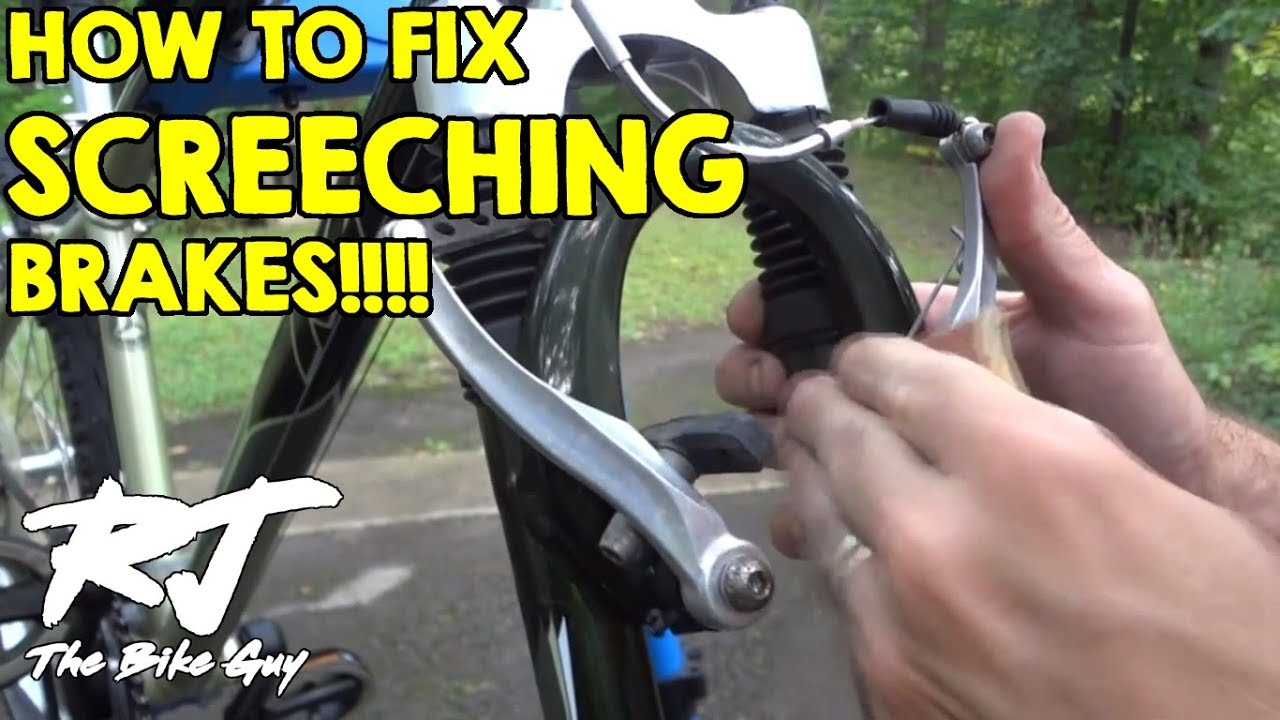
Quiet Your Squeaky Brake: How To Fix
What causes a bike to squeak when braking? A bike’s brakes can squeak for a variety of reasons, but the most common culprits are contaminants on the brake pads or rotor, misalignment of the brake pads, worn-out brake pads, or issues with the brake system itself.
Noisy bike brakes can be incredibly frustrating, turning a smooth ride into an irritating cacophony. Whether you’re dealing with a persistent rim brake squeak or a sharp disc brake squeal, this guide will help you diagnose and fix the issue, transforming your bike’s brakes from a source of annoyance to a symbol of silent, reliable stopping power. We’ll cover everything from basic cleaning to more involved adjustments, aiming to get your brakes running quiet and smooth.
Identifying the Source of Brake Noise
Before you can fix your squeaky brakes, you need to pinpoint where the noise is coming from. There are two main types of bicycle braking systems: rim brakes and disc brakes. Each has its own unique ways of announcing their presence with a screech.
Rim Brake Squeak: What to Listen For
Rim brake squeak usually happens when the brake pads rub against the metal rim of your wheel. This type of squeak can vary in pitch and intensity. You might hear a high-pitched whine, a chattering sound, or a low groan. Often, the noise is most noticeable when you first apply the brakes or when braking gently. It can also occur during hard braking, but it’s typically more pronounced at lower speeds or lighter pressure.
Disc Brake Squeal: What You Might Hear
Disc brake squeal is a more common complaint for many modern cyclists. This noise is generated when the brake pads press against the metal rotor attached to your wheel hub. Disc brake noise can range from a high-pitched squeal or shriek to a grinding sound. It’s often loudest during light braking and can sometimes disappear as you apply more pressure. A common characteristic of disc brake squeal is a metallic, high-frequency sound.
Common Culprits Behind Noisy Bike Brakes
Let’s delve into the most frequent reasons for that unwelcome sound. Pinpointing the exact cause is the first step to silencing your brakes.
Contaminants: The Silent Saboteurs
- Oil and Grease: This is by far the most common cause of both rim brake squeak and disc brake squeal. Even a tiny amount of oil or grease on your brake pads or rotor can drastically alter how they interact, leading to noise. This can happen from over-lubricating your chain and getting splatter on the wheel, or from touching the rotor or brake track with your fingers.
- Dirt and Grime: Road grime, mud, and general dust can build up on your brake surfaces. This debris can get embedded in the brake pads or form a film on the rotor or rim, causing friction and noise.
- Moisture: While not always a cause of persistent squealing, moisture can make brakes temporarily noisy, especially in wet conditions. This is usually a temporary issue that resolves as the brakes dry out.
Brake Pad Misalignment
This is a very frequent reason for squeaking.
- Rim Brakes: For rim brakes, the brake pads need to align perfectly with the rim. If a pad is hitting the tire, the spokes, or is angled incorrectly, it can create friction and noise. The ideal setup has the brake pad making full, even contact with the rim’s braking surface.
- Disc Brakes: With disc brakes, the brake pads should sit squarely against the rotor. If the brake caliper isn’t perfectly aligned with the rotor, the pads might be angled, causing them to rub unevenly. This uneven contact is a prime cause of disc brake squeal.
Worn-Out Brake Pads
Brake pads have a finite lifespan. As they wear down, their composition can change, and they may not make proper contact with the braking surface.
- Rim Brakes: Worn rim brake pads often have a reduced surface area or their compound may have hardened, leading to increased friction and noise. Many rim brake pads have wear indicators, small grooves that disappear when the pad is worn out.
- Disc Brakes: Disc brake pads also wear down. When they get too thin, the metal backing plate can start to contact the rotor, producing a loud, often grating noise. Checking the thickness of the pad material is crucial.
Glazed Brake Pads
Over time, and especially with heavy braking or contamination, the surface of your brake pads can become “glazed.” This means the material has hardened and developed a smooth, shiny surface. This smooth surface doesn’t grip as effectively and can lead to squealing.
Rotor Issues (Disc Brakes)
- Warped Rotors: If your disc brake rotor is bent or warped, it will not spin true. As the wheel rotates, the warped rotor will rub against the brake pads, causing consistent noise and often a pulsating lever feel.
- Contaminated Rotors: As mentioned, oil and grease are bad for rotors. Even if your pads are clean, a contaminated rotor will cause them to squeak.
Other System Issues
- Loose Components: Sometimes, a squeak isn’t from the friction itself but from something vibrating. Loose brake calipers, rotors, or even levers can contribute to unwanted noise.
- Brake Fluid Contamination (Hydraulic Disc Brakes): In hydraulic disc brake systems, if moisture or contaminants get into the brake fluid, it can affect performance and sometimes lead to noise.
Step-by-Step Guide to Silencing Your Squeaky Brakes
Now that we’ve explored the potential causes, let’s get to fixing them. We’ll approach this methodically, starting with the simplest solutions.
Step 1: Cleaning Your Bike Brakes
Cleaning is often the quickest and most effective way to eliminate brake noise. This applies to both rim and disc brakes.
Cleaning Rim Brakes
- Gather Supplies: You’ll need a clean rag (or several), isopropyl alcohol (rubbing alcohol), and possibly a degreaser.
- Inspect the Rims: Look at the braking surface of your wheel rims. Are they dirty, greasy, or muddy?
- Clean the Rims:
- For light dirt and grime, wipe the braking surface with a clean, dry rag.
- For more stubborn dirt or grease, dampen a clean rag with isopropyl alcohol and wipe down the rim’s braking track. You might need to rinse and repeat with clean sections of the rag.
- For very greasy rims, you might use a mild degreaser specifically designed for bikes, but ensure you rinse it thoroughly with water and dry the rim completely. Avoid getting degreaser on your tires or spokes.
- Clean the Brake Pads:
- Gently wipe the brake pads with a clean rag dampened with isopropyl alcohol.
- If the pads look particularly dirty or glazed, you can try lightly scuffing the surface with a fine-grit sandpaper (around 120-220 grit). Be gentle and avoid removing too much material. After sanding, wipe them clean with alcohol.
Cleaning Disc Brakes
Disc brake cleaning is critical and requires specific attention to avoid further contamination.
- Gather Supplies: Isopropyl alcohol (90% or higher is best), clean lint-free rags, and possibly a disc brake cleaner spray.
- Remove the Wheel: For easier access, remove the wheel with the noisy disc brake.
- Inspect the Rotor: Check the rotor for any visible dirt, grease, or oil.
- Clean the Rotor:
- Method 1 (Isopropyl Alcohol): Apply isopropyl alcohol to a clean, lint-free rag. Wipe down the entire surface of the rotor. Rotate the wheel and wipe again to ensure all sides are cleaned. Use a fresh part of the rag for each pass.
- Method 2 (Disc Brake Cleaner): Use a spray can of disc brake cleaner. Follow the instructions on the can. Typically, you spray the cleaner onto the rotor and then wipe it dry with a clean rag. Crucially, do not touch the rotor with your bare hands after cleaning, as skin oils will re-contaminate it.
- Clean the Brake Pads:
- This is where you need to be careful. If you suspect contamination on the pads, remove them from the brake caliper.
- Lightly sand the pad surface with fine-grit sandpaper (around 120-220 grit) until the glazed surface is removed. You’re looking to expose fresh pad material.
- Wipe the sanded pads with a rag dampened with isopropyl alcohol.
- Important: If you contaminated your pads with oil or grease, it can soak into the pad material, making them difficult to clean effectively. In many cases, it’s best to replace contaminated disc brake pads.
Step 2: Brake Pad Adjustment and Alignment
Proper alignment ensures the brake pads meet the rim or rotor squarely and efficiently.
Rim Brake Pad Adjustment
- Check Pad Contact: Look at how the brake pads are hitting the rim. They should be centered on the braking track and not touching the tire or spokes.
- Adjusting the Angle:
- Most rim brake calipers have a bolt that secures the brake pad. Loosen this bolt slightly.
- Carefully adjust the angle of the brake pad so it hits the rim squarely. You want the entire pad surface to make contact.
- Tighten the securing bolt firmly.
- Adjusting Pad Position: If the pad is hitting the tire or too low on the rim, you may need to adjust the position of the brake caliper itself. This involves loosening the caliper mounting bolts, repositioning the caliper, and then retightening. Ensure the caliper is centered over the rim.
- Centering the Caliper: If the brake pads are rubbing on one side of the rim when the brake lever isn’t pulled, you may need to center the caliper. Some calipers have adjustment screws to fine-tune this.
Disc Brake Caliper Alignment
This is a crucial step for silencing disc brake squeal.
- Loosen Caliper Bolts: Locate the two bolts that attach the brake caliper to the frame or fork. Loosen these bolts just enough so that the caliper can still move freely side-to-side.
- Engage the Brake: Squeeze the brake lever firmly and hold it in the applied position. This action should naturally center the caliper over the rotor.
- Tighten Caliper Bolts: While still holding the brake lever, carefully tighten the caliper mounting bolts one at a time. Tighten them alternately and gradually to ensure the caliper doesn’t shift.
- Release the Lever: Once the bolts are tight, release the brake lever. Spin the wheel and check if the rotor rubs against the pads. There might be a very slight whisper of contact, but no significant rubbing.
- Fine-Tuning: If there’s still rubbing, repeat the process, making small adjustments to the caliper’s position before tightening the bolts. Sometimes, a slight nudge up or down can make a difference.
Step 3: Checking and Replacing Worn Brake Pads
Worn pads are a common cause of noisy brakes, especially a grinding sound.
Inspecting Rim Brake Pads
- Look for wear indicators (grooves). If these are gone, it’s time for new pads.
- Check the thickness of the rubber. If the pad is very thin, replace it.
- Examine the surface for any embedded debris or glazing.
Inspecting Disc Brake Pads
- Remove the pads from the caliper.
- Check the thickness of the friction material. If it’s less than 1mm or starting to look like the metal backing plate, replace them.
- Look for glazing or contamination.
Replacing Brake Pads
For Rim Brakes:
- Loosen Pad Retention: Most rim brake pads are held in place by a small nut or bolt. Loosen this.
- Remove Old Pads: Slide out the old brake pads.
- Insert New Pads: Slide in the new brake pads, ensuring they are oriented correctly.
- Secure New Pads: Tighten the retention nut or bolt.
- Align and Adjust: Follow the pad adjustment steps above to ensure proper alignment with the rim.
For Disc Brakes:
- Remove Wheel: Remove the wheel.
- Remove Caliper Bolts: Loosen and remove the caliper mounting bolts.
- Remove Old Pads: Gently slide out the old brake pads. You might need to use a flathead screwdriver to pry them out if they’re tight.
- Clean Pad Area: While the pads are out, clean any dust or debris from inside the caliper.
- Insert New Pads: Slide in the new brake pads. Make sure they are seated correctly.
- Reinstall Caliper: Position the caliper over the rotor and loosely thread in the mounting bolts.
- Align Caliper: Follow the disc brake alignment steps to center the caliper before tightening the bolts.
- Bed-in New Pads: New disc brake pads need to be “bedded-in” to perform optimally and reduce noise.
Step 4: Bedding-In Disc Brake Pads
Bedding-in is a process of transferring a thin, even layer of pad material to the rotor. This creates a smoother, more consistent braking surface, reducing noise and improving stopping power.
- Find a Safe Area: Go to a safe, open area with no traffic.
- Accelerate and Brake: Accelerate your bike to a moderate speed (e.g., 10-15 mph).
- Apply Brakes Firmly: Apply one brake firmly, but not so hard that the wheel locks up. Slow down to about half your speed.
- Release Brake and Accelerate: Release the brake and accelerate back to your initial speed.
- Repeat: Repeat this process about 10-20 times for each brake, alternating between the front and rear brakes.
- Final Hard Brake: After the repetitions, do a few harder stops (bringing yourself to a near stop, but not locking the wheel) from a slightly higher speed.
- Avoid Dragging: During the bedding-in process, try not to drag the brakes continuously.
Step 5: Dealing with Glazed Rotors and Pads
If cleaning and alignment don’t work, your rotors or pads might be glazed.
Addressing Glazed Brake Pads
- As mentioned in the cleaning section, lightly sanding the pads with fine-grit sandpaper (120-220) is the primary method. Remove the pads, sand them down to expose fresh material, and then clean them with isopropyl alcohol.
Addressing Glazed Rotors
- For disc brake rotors, a thorough cleaning with isopropyl alcohol or disc brake cleaner is usually sufficient to remove surface glazing. If the glazing is severe, you might need to use a specialized rotor cleaner or very fine sandpaper, but be careful not to damage the rotor surface. Again, a proper bedding-in process after cleaning is essential.
Step 6: Checking for Rotor Issues (Disc Brakes)
- Warped Rotor Check: Spin the wheel and watch the rotor closely. If it wobbles from side to side or up and down, it’s likely warped.
- Straightening a Rotor: Minor wobbles can sometimes be gently straightened by hand, or by using a rotor truing tool. Be very careful; it’s easy to make it worse. For significant warpage, it’s best to replace the rotor.
Step 7: Investigating Other System Issues
- Loose Components: Go over your brake system. Check that the caliper bolts, lever mounting bolts, and rotor bolts are all securely tightened. A mechanic’s torque wrench is ideal for this.
- Brake Lever Feel: For hydraulic disc brakes, if the lever feels spongy, you might need to bleed the brakes to remove air from the system and ensure proper fluid levels. This is a more advanced procedure.
Troubleshooting Table: Common Noisy Brake Scenarios
| Symptom | Potential Cause | Recommended Fix |
|---|---|---|
| High-pitched squeal during light braking | Contaminated pads/rotor, glazed pads, misalignment | Clean pads/rotor with isopropyl alcohol. Sand pads. Check/adjust pad alignment. Consider new pads if contaminated. |
| Grinding noise | Worn brake pads, debris on rotor/pad | Inspect pads for wear. Clean pads/rotor. Replace worn pads. |
| Pulsating brake lever | Warped rotor | Check rotor for warp. Straighten if minor, replace if severely warped. |
| Consistent rubbing sound | Misaligned caliper/pads | Adjust brake pad alignment (rim) or caliper position (disc). |
| Squeal only in wet conditions | Moisture on pads/rim/rotor | Usually temporary. Clean surfaces if persistent after drying. |
When to Seek Professional Help
While many brake noise issues can be resolved with DIY methods, some situations might require a bike mechanic:
- Hydraulic Disc Brake Issues: If you suspect problems with brake fluid, bleeding the system, or complex caliper issues, it’s best left to a professional.
- Persistent, Unidentified Noise: If you’ve tried all the steps and the noise persists, there might be a less obvious issue with your brake system that a mechanic can diagnose.
- Uncomfortable with the Process: If you’re not confident in performing any of these adjustments, a local bike shop can help.
By following these steps, you should be well on your way to silencing those pesky squeaky brakes and enjoying a quieter, more pleasant cycling experience. Regular brake maintenance is key to ensuring both safety and quiet performance.
Frequently Asked Questions (FAQ)
Q1: Can I ride my bike with squeaky brakes?
A1: While you can usually still ride with squeaky brakes, it’s not ideal. The noise often indicates an issue that could affect braking performance or lead to premature wear. It’s best to address the noise as soon as possible.
Q2: How often should I clean my bike brakes?
A2: It’s a good practice to inspect and clean your brakes regularly, especially if you ride in wet or dusty conditions. A quick wipe-down of rotors and rims every few weeks is a good habit. More thorough cleaning and inspection should be part of your routine bike maintenance.
Q3: What is the difference between rim brake squeak and disc brake squeal?
A3: Rim brake squeak typically occurs when the rubber pad contacts the metal rim, often due to contamination or misalignment. Disc brake squeal is usually a higher-pitched noise from the brake pads contacting the metal rotor, most commonly caused by contamination, glazing, or misalignment of the disc brake caliper.
Q4: How can I prevent my bike brakes from squeaking?
A4: Prevention is key!
* Avoid touching disc brake rotors or rim brake tracks with your bare hands.
* Be careful when lubricating your chain; use a good chain lube and wipe off any excess.
* Clean your wheels and brake surfaces regularly.
* Ensure your brake pads are aligned correctly.
* Replace worn-out brake pads promptly.
Q5: My disc brakes are making a loud grinding noise. What should I do?
A5: A grinding noise usually indicates that the brake pads are severely worn, and the metal backing plate is contacting the rotor. You need to replace your brake pads immediately to prevent damage to the rotor. It’s also a good time to thoroughly clean the rotor and caliper.