
What is the max speed of a 50cc dirt bike? Typically, a stock 50cc dirt bike can reach speeds between 25 mph and 40 mph. This speed is influenced by many things, including the bike’s condition, rider weight, and the terrain.
So, you’re curious about the speed of a 50cc dirt bike? It’s a common question for anyone looking at these nimble machines, especially for younger riders or those just starting out. While a precise number can be elusive, we’re here to break down what affects the pace and what you can generally expect. Let’s dive into the world of 50cc dirt bike performance.
Image Source: images.app.ridemotive.com
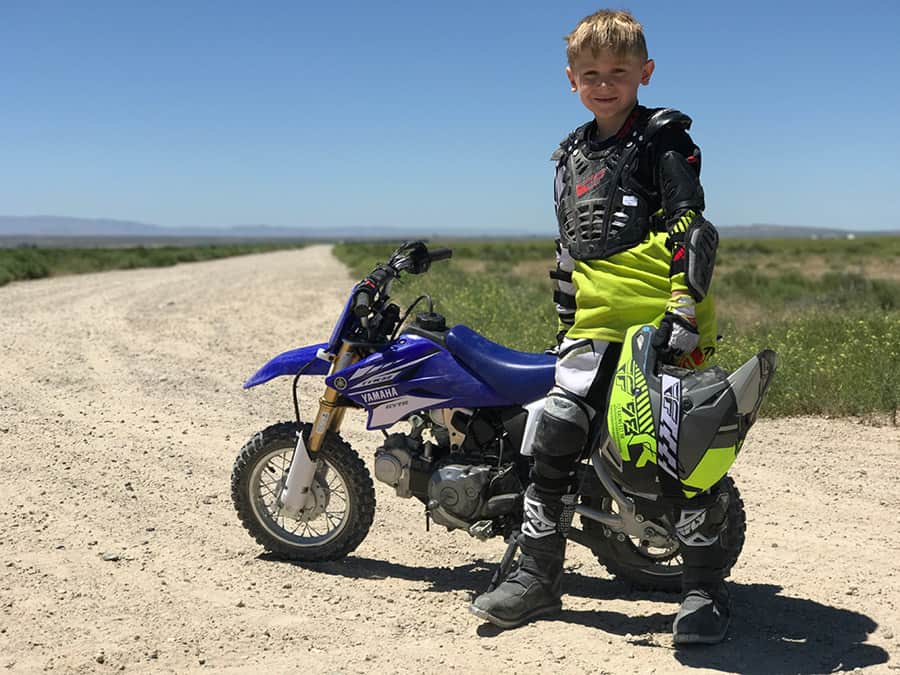
Factors Shaping 50cc Dirt Bike Speed
Several key elements play a role in how fast a 50cc dirt bike will go. Think of it like baking a cake – you need the right ingredients and the right oven to get the best result.
Engine Size and Power Output
The heart of any dirt bike is its engine. A 50cc engine means the engine’s displacement – the volume of air and fuel it can process – is 50 cubic centimeters. This is a small but mighty size, perfect for lighter riders.
- Horsepower: This is the main measure of an engine’s power. A 50cc dirt bike typically produces between 3 to 6 horsepower. More horsepower generally means a higher potential top speed and better acceleration.
- Engine Type: Most 50cc dirt bikes use a two-stroke engine. These engines are known for their simplicity and quick bursts of power, which is great for off-road fun.
Rider Weight
It’s simple physics: a lighter rider will allow the bike to accelerate faster and reach a higher top speed than a heavier rider. The engine has less mass to move, requiring less effort.
Gearing
Gearing is like the bike’s transmission. It determines how much power is sent to the rear wheel.
- Sprockets: Dirt bikes have two sprockets: one on the engine’s output shaft and one on the rear wheel. Changing the size of these sprockets can change the bike’s speed and acceleration.
- A larger rear sprocket or a smaller front sprocket will improve acceleration but lower the top speed.
- A smaller rear sprocket or a larger front sprocket will increase the top speed but reduce acceleration.
- Gear Ratios: Different gears within the bike’s transmission have different ratios, allowing the rider to choose between more power for climbing hills (lower gears) or more speed on flat ground (higher gears).
Terrain and Conditions
The surface you ride on makes a big difference.
- Smooth Surfaces: Paved roads or hard-packed dirt allow for higher speeds.
- Loose Surfaces: Sand, gravel, or mud will slow a bike down due to wheelspin and increased resistance.
- Inclines: Riding uphill requires more engine power, reducing your speed. Downhill, of course, can increase your speed due to gravity.
Tire Condition and Pressure
Tires are the only part of the bike that touches the ground.
- Tread: Worn tires offer less grip, which can affect acceleration and braking.
- Pressure: Properly inflated tires provide better contact with the ground and reduce rolling resistance, helping maintain speed.
Bike Maintenance and Condition
A well-maintained bike runs more efficiently.
- Air Filter: A clean air filter allows the engine to breathe better, improving performance.
- Spark Plug: A healthy spark plug ensures efficient combustion.
- Exhaust System: A clear, unobstructed exhaust system helps the engine expel gases efficiently.
- Lubrication: Proper oil levels and a clean drivetrain reduce friction.
Typical 50cc Dirt Bike Top Speed
So, let’s get to the core question: what is the max speed of a 50cc dirt bike? For a stock, well-maintained 50cc dirt bike, you can expect a 50cc dirt bike top speed to generally fall within the range of 25 mph to 40 mph.
However, this is a guideline, not a hard rule. Some smaller, lighter bikes might struggle to reach the higher end of this spectrum, especially with a heavier rider or on less-than-ideal terrain. Conversely, a well-tuned bike with a lighter rider on a smooth surface might nudge slightly above this range.
50cc Dirt Bike Speed Test Results
Actual 50cc dirt bike speed test results can vary widely. Manufacturers often provide performance figures, but these are usually under ideal conditions. Real-world testing often shows slightly different numbers. For instance, a popular model might be advertised as capable of 35 mph, but a rider weighing 100 lbs might hit 40 mph, while a rider weighing 150 lbs might see 30-35 mph.
50cc Dirt Bike Acceleration
Acceleration is how quickly a dirt bike gets up to speed. For a 50cc dirt bike, acceleration is generally brisk for its size, but don’t expect rocket-like performance.
- Initial Burst: These bikes are designed to be agile and responsive, offering a good initial surge of power off the line. This is crucial for navigating trails and maintaining momentum.
- Gearing’s Role: As mentioned, gearing significantly impacts acceleration. A bike set up for quick starts will feel much punchier than one geared for higher top speeds.
Fathoming 50cc Dirt Bike Speed Ratings
When looking at different 50cc dirt bike models, you might come across a 50cc dirt bike speed rating. This is often an indicative figure provided by the manufacturer, suggesting the intended performance envelope of the bike. It’s usually based on the bike’s stock configuration and designed for a typical rider within its intended age or size range.
It’s important to view these ratings as a benchmark. They give you a general idea of what to expect but aren’t absolute limits.
Navigating 50cc Dirt Bike Speed Limits
While 50cc dirt bikes are built for off-road fun, it’s crucial to be aware of any 50cc dirt bike speed limits. These aren’t usually imposed by the bike itself but by regulations and common sense.
- Off-Road Use: In most places, dirt bikes are meant to be ridden on private property, designated off-road parks, or trails where they are permitted. Riding them on public roads is generally illegal and unsafe.
- Rider Age and Skill: 50cc dirt bikes are primarily for children and beginners. The speed is designed to be manageable and forgiving, allowing riders to learn and build confidence. Exceeding a comfortable speed for your skill level is dangerous.
The Use of a 50cc Dirt Bike Speed Calculator
If you’re planning modifications or just curious about how changes might affect your bike’s performance, a 50cc dirt bike speed calculator can be a helpful tool. These online calculators allow you to input your bike’s current gearing (sprocket sizes) and desired gearing, along with other factors like engine RPM, to estimate changes in top speed and acceleration.
It’s a great way to experiment with hypothetical scenarios without touching your actual bike.
Exploring 50cc Dirt Bike Performance
50cc dirt bike performance is about more than just top speed. It’s about the overall riding experience.
- Agility: These bikes are incredibly nimble and easy to maneuver, making them perfect for learning tight turns and handling obstacles.
- Torque: While not having massive torque, 50cc engines offer enough to get moving confidently from a standstill and climb moderate inclines.
- Durability: Most 50cc dirt bikes are built tough, designed to withstand the bumps and jumps of off-road riding.
50cc Dirt Bike Speed Comparison
When comparing different 50cc dirt bikes, you’ll find a range of 50cc dirt bike speed comparison points. Some models might prioritize slightly higher top speeds with their gearing, while others focus on punchier acceleration for tighter trails.
| Bike Model (Example) | Engine Type | Horsepower (Approx.) | Typical Top Speed (mph) | Acceleration Focus |
|---|---|---|---|---|
| Brand X 50cc | 2-stroke | 4.5 hp | 30-35 | Balanced |
| Brand Y 50cc Pro | 2-stroke | 5.5 hp | 35-40 | Higher Top Speed |
| Brand Z Junior Trail | 2-stroke | 3.8 hp | 25-30 | Beginner Friendly |
(Note: These are illustrative examples. Actual specifications vary by manufacturer and model year.)
Enhancing Speed: 50cc Dirt Bike Speed Mods
For those looking to squeeze a bit more performance out of their 50cc dirt bike, there are various 50cc dirt bike speed mods available. However, it’s crucial to remember that these bikes are designed for beginners, and significant modifications might make them less predictable or suitable for their intended riders. Always prioritize safety and ensure any modifications are appropriate for the rider’s skill level.
Common Modifications and Their Impact:
- Exhaust System: A less restrictive exhaust can help the engine breathe better, potentially increasing horsepower and top speed.
- Carburetor Tuning/Upgrades: A larger or better-tuned carburetor can improve fuel-air mixture, leading to better performance.
- Air Filter: A high-flow air filter can improve airflow into the engine.
- Sprocket Changes: As discussed, altering the gearing is one of the easiest ways to change the speed/acceleration balance.
- Performance CDI Unit: A performance digital capacitor discharge ignition (CDI) unit can sometimes allow the engine to rev higher or more efficiently.
Important Consideration: Modifying a 50cc dirt bike can void warranties and may make the bike less reliable or more difficult to control for a beginner. Always consult with experienced mechanics or reputable sources before making modifications.
Deciphering 50cc Dirt Bike Performance Metrics
Beyond just speed, other metrics help paint a picture of a 50cc dirt bike’s capabilities.
Engine RPM Range
- The engine’s revolutions per minute (RPM) indicate how fast the engine is spinning. 50cc dirt bikes typically have a powerband that’s accessible at lower to mid-range RPMs, making them user-friendly.
Powerband Characteristics
- The powerband is the range of RPMs where the engine produces its best power. For 50cc two-strokes, this is often a relatively narrow band, meaning riders need to keep the engine within this range for optimal performance.
Torque Delivery
- While horsepower dictates top speed, torque is the “grunt” or twisting force that gets the bike moving. 50cc bikes have modest torque, sufficient for their size and intended use.
Safety First: Riding Your 50cc Dirt Bike Responsibly
No matter how fast a 50cc dirt bike can go, safety should always be the top priority.
Essential Safety Gear:
- Helmet: Always wear a DOT-approved helmet that fits properly.
- Goggles: Protect your eyes from dirt, dust, and debris.
- Gloves: Improve grip and protect your hands.
- Boots: Sturdy boots protect your ankles and feet.
- Body Armor: Chest protectors, knee guards, and elbow pads offer additional protection.
Riding Practices:
- Supervision: Children should always be supervised by an adult when riding.
- Know Your Limits: Ride within your skill level and the bike’s capabilities.
- Environment Awareness: Be aware of your surroundings, including obstacles, other riders, and changing terrain.
- Maintenance Checks: Perform pre-ride checks to ensure the bike is in good working order.
Frequently Asked Questions (FAQ)
Q1: Can a 50cc dirt bike go on the road?
A1: No, 50cc dirt bikes are not street legal and cannot be ridden on public roads. They are designed for off-road use only.
Q2: What is the typical lifespan of a 50cc dirt bike engine?
A2: The lifespan of a 50cc dirt bike engine depends heavily on maintenance, how it’s ridden, and whether it’s modified. With proper care, they can last a considerable time for recreational use. However, performance-oriented engines or those pushed hard may require more frequent rebuilds.
Q3: Is a 50cc dirt bike good for a 10-year-old?
A3: A 50cc dirt bike is generally suitable for children aged 6-10, depending on their size, weight, and maturity. Always ensure they have the proper safety gear and supervision.
Q4: How do I know if my 50cc dirt bike’s speed is normal?
A4: If your 50cc dirt bike is running smoothly and performing as it did when new or when you last knew it to be performing well, its speed is likely normal for its stock condition. If you notice a significant drop in speed or acceleration, it could indicate a maintenance issue like a clogged air filter, fouled spark plug, or carburetor problems.
Q5: Can I legally ride a 50cc dirt bike on my property?
A5: Laws regarding off-road vehicle use on private property can vary by local jurisdiction. It’s always best to check with your local authorities or homeowner’s association to ensure you are compliant with any noise ordinances or land-use regulations.
Q6: What is the difference between a 50cc dirt bike and a pit bike?
A6: While both are small, off-road motorcycles, “50cc dirt bike” specifically refers to the engine displacement and is often associated with entry-level models for children. “Pit bike” is a broader term that can include bikes of various displacements (often 50cc to 150cc or more) that are typically smaller and simpler in design, often used for recreational riding or as support vehicles at tracks. Many 50cc dirt bikes can be considered pit bikes.
Q7: How often should I change the oil in a 50cc dirt bike?
A7: For most 50cc dirt bikes, it’s recommended to change the oil every 10-20 hours of riding time, or at least once a season. Always refer to your owner’s manual for the specific recommendations for your model.
In conclusion, the speed of a 50cc dirt bike is a fun topic, but it’s just one piece of the puzzle. These bikes are designed to introduce riders to the thrill of off-roading, focusing on ease of use, maneuverability, and a safe learning curve. Whether you’re considering one for a young rider or for your own recreational pursuits, remember that enjoyment and safety go hand-in-hand.