
So, how long does it take to bike 12 miles? For most casual riders, it takes about 45 minutes to an hour. However, this can vary a lot! Let’s dive deep into all the factors that influence your 12 mile cycling duration.
Cycling 12 miles is a fantastic goal for many people. It’s a distance that feels achievable for most fitness levels, yet it still offers a good workout and a sense of accomplishment. Whether you’re a seasoned cyclist looking to gauge your performance, or a beginner wondering if you can fit a 12-mile ride into your lunch break, this guide is for you. We’ll break down everything you need to know to accurately estimate your time to complete 12 mile bike journey.
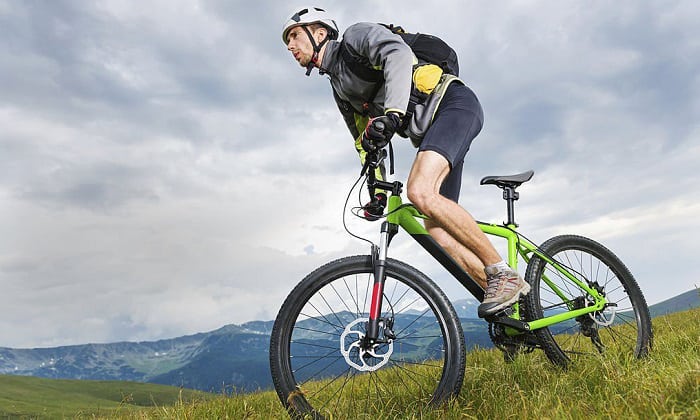
Image Source: biketoworkday.us
Factors Shaping Your 12 Mile Bike Ride Estimate
Several key elements play a significant role in determining how long it will take you to cover 12 miles on a bike. Think of them as the building blocks of your ride time.
Your Fitness Level: The Rider’s Engine
This is arguably the biggest factor. A person who cycles regularly will naturally be faster than someone who hasn’t ridden a bike in years.
- Beginner: If you’re new to cycling or haven’t ridden much lately, your body isn’t as accustomed to the aerobic demands. You might find yourself needing more frequent breaks, and your overall speed needed for 12 mile bike ride will be lower. Expect to take anywhere from 60 to 90 minutes, or even more, as you build endurance.
- Intermediate: If you cycle a few times a month or engage in other forms of cardio, you’ll have a decent base fitness. You’ll likely be able to maintain a steady pace with fewer breaks. An average time to bike 12 miles for this group often falls between 45 and 60 minutes.
- Advanced: Regular cyclists who train consistently will have a strong cardiovascular system and muscular endurance. They can push harder and maintain higher speeds. For advanced riders, a 12-mile ride might take as little as 30 to 45 minutes, depending on their specific training goals.
The Bike You Ride: Your Two-Wheeled Companion
The type of bicycle you choose significantly impacts your speed and effort.
- Road Bikes: Designed for speed and efficiency on paved surfaces. They have lightweight frames, narrow tires, and dropped handlebars for an aerodynamic riding position. Cyclists on road bikes can expect to cover 12 miles relatively quickly, often in the 30-50 minute range, depending on the rider’s fitness.
- Mountain Bikes: Built for off-road trails. They feature wider, knobby tires for grip, suspension systems to absorb shocks, and a more upright riding posture. On pavement, mountain bikes are slower due to their weight, tire resistance, and less aerodynamic position. Expect your cycling 12 miles time to be longer, possibly 60-80 minutes, if you’re on a mountain bike on a paved path.
- Hybrid Bikes: A blend of road and mountain bike features, often with flat handlebars and medium-width tires. They offer a comfortable, versatile ride suitable for paved paths, light trails, and commuting. A hybrid bike typically places you in the intermediate range for how long to cycle 12 miles, with times around 45-70 minutes.
- Electric Bikes (E-bikes): These bikes provide pedal assistance, meaning the motor helps you along. This dramatically reduces the effort required, allowing you to maintain higher speeds with less fatigue. For many, an e-bike can make a 12-mile ride feel much shorter, potentially taking only 30-45 minutes, even for less fit individuals.
The Terrain: Navigating the Landscape
The surface you ride on and the inclines you encounter are crucial elements.
- Flat, Paved Surfaces: This is the ideal scenario for speed. Smooth roads or dedicated bike paths allow for consistent momentum and minimal resistance. If the path is flat and paved, your 12 mile bike ride estimate will be at its shortest.
- Hills and Inclines: Even small hills will slow you down. Climbing requires more energy and a lower speed. If your 12 miles involve significant elevation gain, your time for 12 mile distance cycling will increase noticeably. A route with rolling hills might add 10-20 minutes to your ride, while a route with steep climbs could add considerably more.
- Uneven Surfaces/Gravel Paths: Rougher terrain, like gravel or unpaved paths, increases rolling resistance. Your tires sink slightly into the surface, and the bumps absorb some of your pedaling energy. This will naturally reduce your speed and lengthen your time to complete 12 mile bike.
Weather Conditions: Battling the Elements
The weather can be a friendly companion or a formidable opponent.
- Wind: A headwind acts like a constant resistance, making it much harder to pedal and significantly slowing you down. A tailwind, conversely, can push you along and make the ride feel easier and faster. If you have a strong headwind for your 12 miles, expect your average time to bike 12 miles to increase by 15-30 minutes or more.
- Rain: Wet roads can reduce traction, making braking less effective and potentially forcing you to ride more cautiously. The psychological effect of riding in the rain can also impact your effort.
- Temperature: Extreme heat can lead to quicker fatigue and dehydration, while extreme cold can make muscles stiff and less efficient. Riding in comfortable temperatures will allow you to maintain a better pace.
Your Riding Style and Goals: Pushing the Limits or Cruising?
Are you trying to set a personal best, or are you enjoying a leisurely spin?
- Performance-Oriented Riding: If you’re focused on fitness and speed, you’ll likely maintain a higher speed needed for 12 mile bike ride and push yourself throughout the ride. Your goal is efficiency and power.
- Leisurely Pace: If your aim is to enjoy the scenery, socialize, or simply get some gentle exercise, you’ll ride at a more relaxed pace. This will, of course, increase your 12 mile cycling duration.
- Commuting: When biking to work or for errands, factors like traffic lights, stop signs, and the need to arrive clean can influence your pace. You might opt for a slightly more conservative speed to avoid excessive sweating or unexpected stops.
Calculating Your Estimated Time: Putting It All Together
Let’s use some common average speeds to get a feel for the time to complete 12 mile bike. Remember, these are general figures, and your actual experience may vary.
Average Speeds for a 12-Mile Bike Ride
To calculate your time to complete 12 mile bike, you first need to have an idea of your average speed. Speed is usually measured in miles per hour (mph).
- Casual/Beginner Pace: 10-12 mph. This is a comfortable, conversational pace.
- Moderate Pace: 12-15 mph. You’re putting in a bit more effort, and conversation might be slightly more broken.
- Fast Pace: 15-18 mph. This is a brisk pace, requiring more exertion.
- Very Fast/Competitive Pace: 18+ mph. This is for experienced and fit cyclists.
Time Calculation Formula
The basic formula to calculate time is:
Time = Distance / Speed
Let’s apply this to our 12-mile distance:
- At 10 mph: Time = 12 miles / 10 mph = 1.2 hours. To convert to minutes: 1.2 hours * 60 minutes/hour = 72 minutes (1 hour and 12 minutes).
- At 12 mph: Time = 12 miles / 12 mph = 1 hour. This is 60 minutes.
- At 15 mph: Time = 12 miles / 15 mph = 0.8 hours. To convert to minutes: 0.8 hours * 60 minutes/hour = 48 minutes.
- At 18 mph: Time = 12 miles / 18 mph = 0.67 hours. To convert to minutes: 0.67 hours * 60 minutes/hour = 40 minutes.
Table: Estimated Time to Bike 12 Miles Based on Speed
| Average Speed (mph) | Estimated Time to Bike 12 Miles |
|---|---|
| 10 | 1 hour 12 minutes |
| 11 | 1 hour 5 minutes |
| 12 | 1 hour |
| 13 | 55 minutes |
| 14 | 51 minutes |
| 15 | 48 minutes |
| 16 | 45 minutes |
| 17 | 42 minutes |
| 18 | 40 minutes |
These figures provide a solid 12 mile bike ride estimate. Notice how a few mph difference can shave off a significant chunk of time. This highlights why understanding the speed needed for 12 mile bike ride based on your capabilities is so important.
Optimizing Your Ride and Improving Your Time
If you find the average time to bike 12 miles too long, or if you simply want to improve your efficiency, here are some tips:
Improve Your Fitness
- Consistency is Key: Ride regularly, even if it’s for shorter distances. This builds cardiovascular endurance and muscular strength.
- Interval Training: Incorporate periods of high-intensity effort followed by recovery. This can significantly boost your speed and fitness over time.
- Strength Training: Stronger legs and core muscles will improve your power output and endurance.
Bike Maintenance and Setup
- Tire Pressure: Ensure your tires are inflated to the recommended pressure. Underinflated tires create more rolling resistance, slowing you down.
- Clean Drivetrain: A clean and lubricated chain and gears will make your pedaling much more efficient.
- Proper Bike Fit: A bike that is correctly fitted to your body can prevent discomfort and allow you to generate more power. Consider a professional bike fit if you ride frequently.
Riding Technique
- Cadence: Find a comfortable pedaling cadence (how fast you spin the pedals). For most, a cadence between 80-90 RPM is efficient.
- Aerodynamics: On a road bike, adopt a more tucked position to reduce wind resistance. Even on other bike types, try to keep your body as streamlined as possible.
- Pacing: Don’t start too fast. Conserve energy for the later parts of the ride to maintain a consistent pace. This is crucial for getting an accurate 12 mile bike ride estimate and achieving it.
What to Expect on Your 12-Mile Journey
Let’s paint a clearer picture of what a 12-mile ride might involve for different types of cyclists.
The Casual Explorer
Imagine someone on a hybrid bike, enjoying a sunny afternoon on a park path. They might be chatting with a friend or listening to music.
- Pace: Around 10-12 mph.
- Breaks: Might stop once or twice to admire the view or take a sip of water.
- Terrain: Mostly flat with a few gentle inclines.
- Estimated Time: 60-75 minutes.
This rider is focused on the experience, not the speed. The cycling 12 miles time is secondary to enjoying the ride.
The Fitness Enthusiast
This person is on a road bike, perhaps on a dedicated bike lane or quiet road. They are focused on getting a good workout.
- Pace: Around 14-16 mph.
- Breaks: Minimal, perhaps just a quick water stop without dismounting.
- Terrain: Mixed, with some rolling hills.
- Estimated Time: 45-50 minutes.
They have a good sense of their biking 12 miles pace and aim for consistency.
The Commuter
This individual is on a commuter bike or e-bike, perhaps heading to or from work. They need to be mindful of traffic and stoplights.
- Pace: Around 12-14 mph (adjusted for stops).
- Breaks: Frequent stops at traffic signals.
- Terrain: Urban roads, potentially with some minor inclines.
- Estimated Time: 50-65 minutes (including stop time).
For this rider, the time for 12 mile distance cycling includes the realities of the environment.
Frequently Asked Questions About 12-Mile Bike Rides
Here are some common questions people have when planning a 12-mile bike ride.
Q1: How many calories do you burn biking 12 miles?
The number of calories burned varies greatly depending on your weight, speed, and the terrain. A general estimate is that a person weighing around 150 lbs riding at a moderate pace (12-14 mph) for 12 miles could burn approximately 300-400 calories. Heavier individuals will burn more, and faster or hillier rides will also increase calorie expenditure.
Q2: Is biking 12 miles a good workout?
Yes, biking 12 miles is an excellent workout for cardiovascular health, leg strength, and endurance. It’s a sustainable distance for many people, offering a significant aerobic challenge without being overly taxing for most regular exercisers. It’s a great way to improve your overall fitness and stamina.
Q3: What is the average speed for a recreational cyclist?
For recreational cyclists, the average time to bike 12 miles often translates to speeds between 10 and 14 mph. This is a pace where conversation is still possible and the effort is manageable for a longer duration.
Q4: How do I prepare for a 12-mile bike ride?
Start by ensuring your bike is in good working order. Check tire pressure, brakes, and gears. If you’re not a regular cyclist, gradually increase your riding distance over a few weeks leading up to the 12-mile ride. On the day of the ride, ensure you are hydrated and have a light snack beforehand. Dress appropriately for the weather.
Q5: Can I bike 12 miles every day?
For most people, biking 12 miles every day is achievable if they build up to it gradually. Listen to your body; if you experience persistent soreness or fatigue, take rest days. Proper nutrition and hydration are crucial for daily riding.
Q6: What if I can’t maintain a constant speed for the entire 12 miles?
That’s perfectly normal, especially for beginner or intermediate riders. It’s okay to take short breaks when needed. Focus on covering the distance rather than a specific speed. Your time to complete 12 mile bike will naturally be longer, but you’ll still get the benefits of the ride.
Q7: How do I calculate the speed needed for a 12-mile bike ride if I know my desired time?
To find the speed needed for 12 mile bike ride, you can rearrange the formula: Speed = Distance / Time. For example, if you want to complete 12 miles in 1 hour, you need to maintain an average speed of 12 mph (12 miles / 1 hour). If you want to do it in 45 minutes (0.75 hours), you need to average 16 mph (12 miles / 0.75 hours).
Conclusion: Your 12 Miles Await!
Figuring out how long does it take to bike 12 miles is less about a single answer and more about understanding the interplay of your fitness, your equipment, and the environment. By considering the factors we’ve discussed – your personal fitness, the type of bike you’re riding, the terrain, and the weather – you can create a much more accurate 12 mile bike ride estimate for yourself.
Whether your goal is a swift 40-minute ride or a leisurely 90-minute exploration, the most important thing is to get out there and enjoy the journey. Happy cycling!