
Can you make a mini bike street legal? Yes, it is possible to make a mini bike street legal, but it requires specific modifications and adherence to local laws, which can vary significantly by state and municipality. This guide will walk you through the common steps and requirements needed to transform your off-road mini bike into a road-worthy machine.
The dream of cruising down your local streets on a mini bike is an appealing one. However, these compact and often powerful machines are typically designed for off-road use. To legally ride your mini bike on public roads, you’ll need to make it comply with automotive safety and registration standards. This isn’t a simple bolt-on process; it involves a thorough understanding of the legal framework and the necessary equipment.
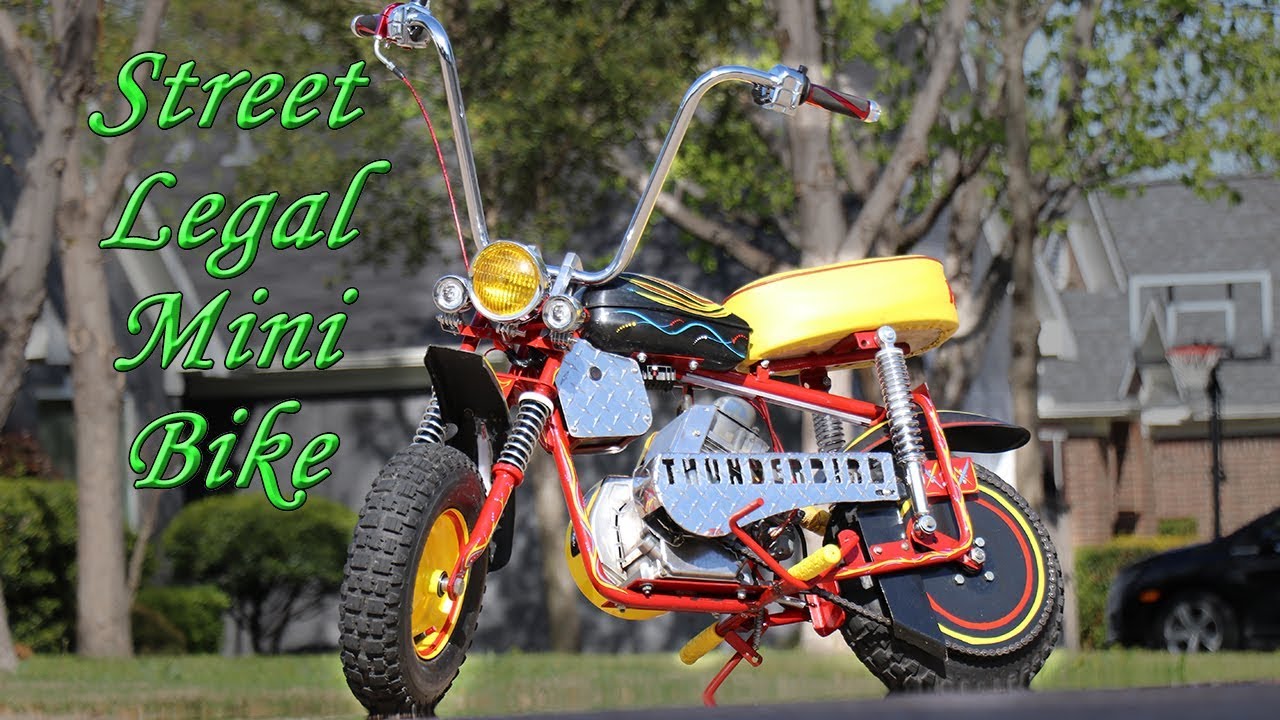
Image Source: i.ytimg.com
Deciphering Your Local Regulations
Before you begin any modifications, the absolute first step is to thoroughly research your local and state laws regarding mini bikes and other motorized vehicles. What’s legal in one town might be strictly prohibited in the next. Contact your local Department of Motor Vehicles (DMV) or equivalent agency. They can provide you with the most accurate and up-to-date information on what equipment is mandatory for street legality, registration procedures, and licensing requirements.
Key areas to investigate include:
- Vehicle Classification: Is your mini bike classified as a motorcycle, moped, or something else entirely? This classification will determine the specific rules that apply.
- Engine Size Limits: Some areas have restrictions on engine displacement for certain classes of vehicles.
- Speed Capabilities: Your mini bike’s maximum achievable speed might be a factor in its street legal classification.
- Registration and Titling: What are the requirements for obtaining a title and license plate for a modified mini bike?
- Driver’s License: Do you need a motorcycle license or endorsement to operate it?
Why Local Laws Matter Most
It’s crucial to emphasize that state laws are paramount. While some federal guidelines exist for vehicle manufacturing, it’s the state and local jurisdictions that set the rules for operation on their roads. Ignoring these can lead to hefty fines, impoundment of your vehicle, and legal trouble.
Essential Modifications for Street Legality
Once you have a clear picture of the legal requirements, you can begin the process of modifying your mini bike. The goal is to equip it with the safety features and operational components that make it recognizable and safe for road use.
1. Lighting: Making Yourself Visible
Proper lighting is non-negotiable for street legality. You need to be seen, and you need to signal your intentions to other road users.
Headlights
A functional headlight is essential. It needs to be bright enough to illuminate the road ahead at night and be visible from a distance during the day. Ensure it has both a high beam and a low beam. Many mini bikes come with a basic headlight, but you might need to upgrade to a brighter, DOT-approved unit.
Taillights and Brake Lights
A taillight is crucial for rear visibility. It should be a steady red light. Connected to this is the brake light, which must activate automatically when you apply the brakes. This is a critical safety feature that alerts drivers behind you when you are slowing down. You’ll typically need to install a brake light switch on your brake lever or pedal to activate it.
Turn Signals
Turn signals (also known as blinkers) are vital for communicating your directional changes. You’ll need both front and rear amber (or amber/red for rear) lights that flash independently. This usually involves installing signal lights, a flasher relay, and switches on your handlebars.
2. Signaling and Communication
Beyond lights, you need ways to communicate your presence and intentions.
Horn
A horn is a mandatory safety device. It needs to be loud enough to be heard by other vehicles. A simple electric horn that can be wired into your mini bike’s electrical system will suffice.
Mirrors
You need to see what’s behind and to your sides. This requires at least one, and often two, mirrors. Typically, two mirrors (one on each side) are preferred for better visibility. Ensure they are securely mounted and adjustable.
3. Control and Operation
These components ensure you can safely control your mini bike and that it operates predictably.
Speedometer
A speedometer is often a requirement so you can monitor your speed and comply with posted limits. Many mini bikes don’t come with one, so you’ll need to purchase and install an aftermarket speedometer. Electronic or cable-driven options are available.
Braking System
While most mini bikes have some form of braking, ensure your system is robust and reliable. For street use, mechanical or hydraulic disc brakes are highly recommended for effective stopping power. If your mini bike has drum brakes, ensure they are in excellent working order.
4. Exhaust System and Noise Levels
The exhaust system plays a crucial role in both performance and noise control.
Mufflers
For street legality, your mini bike’s mufflers must be designed to reduce exhaust noise to a level that complies with local noise ordinances. A loud, unmuffled exhaust is a sure way to attract unwanted attention from law enforcement. You might need to install a more sophisticated muffler or even an entirely new exhaust system that is EPA-compliant.
5. The Motorcycle License Plate
To be legal on the road, your mini bike needs to be registered and display a motorcycle license plate.
Mounting the License Plate
You will need a secure and visible mount for your motorcycle license plate. This mount should hold the plate at a proper angle, visible from the rear, and typically illuminated by a license plate light. Many aftermarket tail light assemblies include a license plate bracket and light.
6. Tire Requirements
Street-legal tires have different specifications than off-road knobbies.
DOT-Approved Tires
Ensure your tires are DOT-approved. This designation means they meet federal safety standards for highway use. Off-road tires may not have the durability or traction characteristics needed for pavement.
7. Electrical System Upgrades
Many mini bikes have very basic electrical systems, often just enough to power a small headlight. To accommodate all the necessary lights, horn, and potentially a speedometer, you might need to upgrade your electrical system.
Battery and Charging System
You may need to install a battery and a more robust charging system (like a stator and voltage regulator) to power all the required components.
The Registration Process: Getting Your Plate
After you’ve made all the necessary modifications, the next hurdle is the registration process.
Paperwork and Documentation
Gather all the documentation you have for your mini bike. This might include a bill of sale, previous registration (if any), or a Manufacturer’s Statement of Origin (MSO) if it was purchased new. You’ll likely need to present the modified mini bike for an inspection.
Vehicle Inspection
Most jurisdictions require a vehicle inspection to ensure your mini bike meets all the safety and equipment standards. This inspection will verify that you have all the mandated lighting, signals, brakes, mirrors, and a properly mounted motorcycle license plate.
Obtaining a Title and Registration
Once your mini bike passes inspection, you can apply for a title and registration. This process will involve filling out forms, paying fees, and receiving your official motorcycle license plate.
Frequently Asked Questions (FAQ)
Q: What is the easiest way to make a mini bike street legal?
A: The easiest way is to purchase a mini bike that is already manufactured as street legal. If you have an off-road mini bike, the “easiest” way involves thorough research of local laws and making all required modifications, which can be time-consuming and costly.
Q: Can I ride a mini bike on the sidewalk?
A: Generally, no. Sidewalks are typically reserved for pedestrians. Riding a mini bike on the sidewalk is usually illegal and dangerous.
Q: How much does it cost to make a mini bike street legal?
A: The cost can vary greatly depending on your mini bike, the required modifications, and the labor involved. You could spend anywhere from a few hundred to over a thousand dollars on parts and potential labor for lights, turn signals, horns, mirrors, speedometer, exhaust system upgrades, and registration fees.
Q: What kind of license do I need to ride a street-legal mini bike?
A: This depends on your state’s laws and the classification of your mini bike. Most often, you will need a valid driver’s license with a motorcycle endorsement or a specific motorcycle license.
Q: Do I need insurance for a street-legal mini bike?
A: Yes, in most states, if your mini bike is registered and street legal, you will be required to carry liability insurance, just like any other motor vehicle.
Conclusion
Making a mini bike street legal is a rewarding project that requires careful planning, diligent work, and a keen eye for detail. By prioritizing safety, complying with all local regulations, and equipping your mini bike with the necessary components like headlights, taillights, brake lights, turn signals, mirrors, speedometer, horn, and a compliant exhaust system with proper mufflers, you can enjoy the freedom of riding on public roads. Always remember that your motorcycle license plate is the final symbol of your compliance, allowing you to legally traverse your neighborhood streets.