
Why do bike riders shave their legs? It’s a question many curious onlookers and even fellow cyclists ponder. The answer is multifaceted, touching upon reasons ranging from cycling performance and aerodynamic benefits to practical matters like injury care and easier waxing. For professional cyclists, it’s often seen as a badge of dedication, while for many road cyclists, it’s a personal choice influenced by a blend of tradition and perceived advantages.
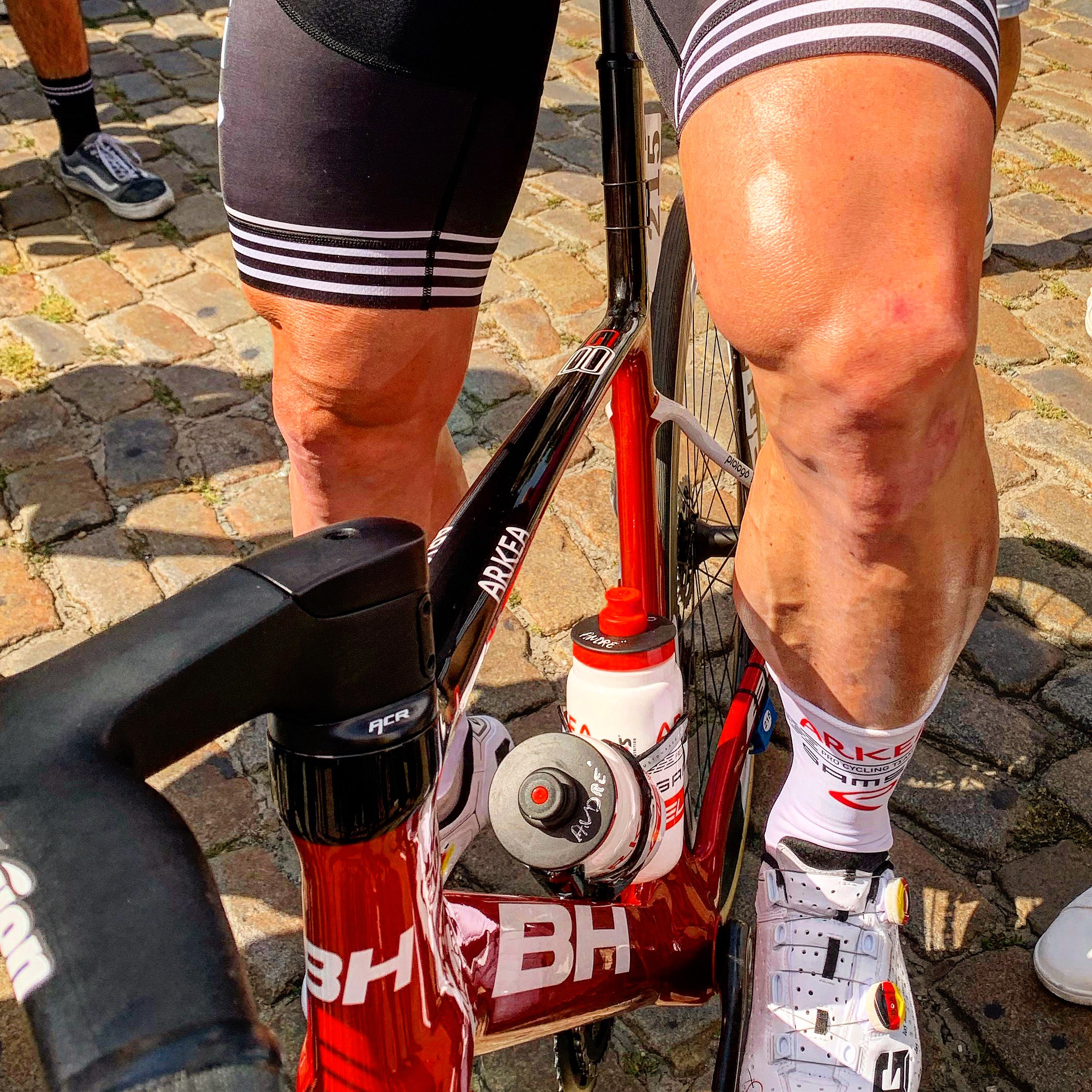
Image Source: bicyclingaustralia.com.au
Shedding Light on the Ritual: More Than Just Hair Removal
The practice of leg shaving among cyclists is far more common than one might initially assume. While not every cyclist embraces it, a significant portion of the cycling community, particularly those who engage in competitive or serious recreational riding, opt for smooth legs. This isn’t merely a matter of vanity; there are tangible and intangible reasons behind this widespread habit.
The Quest for Speed: Aerodynamic Benefits Explored
One of the most frequently cited reasons for shaving legs in cycling is the pursuit of improved aerodynamic benefits. In a sport where every second can count, especially in time trials or road races, cyclists are constantly seeking ways to reduce drag.
Fathoming Aerodynamic Principles in Cycling
Air resistance, or drag, is a significant force that cyclists must overcome. It’s the force that pushes back against a rider as they move through the air. This force is influenced by several factors, including the rider’s position, the bike’s design, and the surface area exposed to the wind.
- Surface Smoothness: While the impact of leg hair on aerodynamics is debated and likely minor for the average rider, for professional cyclists pushing the limits, even the smallest gains can be significant. The theory suggests that smooth skin creates less turbulence than hairy skin, allowing air to flow more smoothly over the legs. This reduction in turbulence translates to a slight decrease in drag.
- Empirical Evidence: Studies examining the aerodynamic impact of leg hair removal have yielded mixed results. Some have shown a measurable, albeit small, reduction in drag, while others have found it to be negligible. However, in elite cycling, where margins are so slim, any potential advantage is worth exploring. Road cyclists competing at the highest level are acutely aware of these minute differences.
Quantifying the Gains: Is it Worth It?
The actual aerodynamic gain from shaving legs is often estimated to be around a few watts of power saving. For a professional rider who can sustain hundreds of watts, this might seem insignificant. However, over the course of a long race or a critical time trial, these watts can add up, potentially contributing to a better finishing time. It’s a component of a larger strategy to minimize resistance.
The Comfort Factor: Leg Massage and Post-Ride Care
Beyond the pursuit of speed, leg shaving offers significant practical advantages related to comfort and recovery.
Enhancing the Leg Massage Experience
After a grueling ride, a leg massage is often a crucial part of recovery. For cyclists, having smooth legs makes this process far more comfortable and effective.
- Reduced Friction: Without hair, massage creams and oils glide more easily over the skin. This reduces the friction and tugging that can occur with hairy legs, making the massage more pleasant and allowing deeper muscle manipulation.
- Better Palpation: Smooth skin allows a masseuse or the rider themselves to better feel and address muscle knots and areas of tension. The hair can sometimes mask subtle issues within the muscles.
Streamlining Injury Care and Wound Management
In the unfortunate event of a crash or injury, shaved legs become a practical necessity.
- Easier Cleaning: Road rash, scrapes, and cuts are common in cycling. Shaved legs make it much simpler to clean wounds thoroughly, reducing the risk of infection. Hair can trap dirt, grit, and bacteria, complicating the cleaning process.
- Dressing Application: Applying bandages or wound dressings to smooth skin is easier and more effective. Adhesives stick better, and there’s less chance of hair getting caught in the dressing, which can cause pain when it’s removed.
- Medical Access: For medical professionals, shaved legs provide easier access to assess injuries, apply treatments, or monitor a wound.
The Practicalities of Cycling: Easier Waxing and Clothing Fit
Easier waxing and improved comfort with cycling apparel are other significant benefits that lead many to shave their legs.
Simplifying the Waxing Process
For professional cyclists and serious enthusiasts who frequently use chamois cream or anti-chafing balms, shaved legs make application much simpler and more efficient.
- Even Distribution: Applying wax or cream to smooth skin ensures even distribution without the hair getting in the way. This means the product can work more effectively to prevent chafing, a common and painful issue for cyclists.
- Reduced Mess: Shaving also minimizes the amount of product that gets tangled in hair, leading to less mess and more efficient use of these vital cycling creams.
Enhancing Apparel Comfort and Performance
The fit and comfort of cycling clothing, particularly bib shorts and leg warmers, are also improved by shaving.
- Better Fit of Compression Gear: Compression socks and leg warmers, popular among cyclists for aiding circulation and muscle support, fit more snugly and effectively on shaved legs. This ensures optimal compression without bunching or uncomfortable friction.
- Reduced Chafing: The smooth skin interface between the rider’s legs and the cycling shorts’ chamois (the padded insert) can significantly reduce the risk of chafing and saddle sores, especially on long rides.
The Aesthetic Dimension: Muscle Definition and Personal Preference
While performance and practicality are key drivers, aesthetic reasons also play a role for many cyclists.
Showcasing Muscle Definition
Shaved legs can accentuate the muscle definition in a cyclist’s legs, which can be a source of pride for those who train intensely.
- Visual Appeal: For many, lean and well-defined leg muscles are a visual representation of their dedication to the sport. Shaving highlights these muscles, similar to how athletes in other sports might groom themselves for aesthetic reasons.
- Psychological Boost: Seeing the result of their hard training and the contours of their muscles can provide a psychological boost, reinforcing their commitment and passion for cycling.
Personal Choice and Cycling Culture
Ultimately, for many, leg shaving is a personal choice deeply ingrained in cycling culture. It’s a tradition passed down through generations of riders, often seen as a mark of being a serious cyclist.
- Identity and Belonging: Adopting the practice can be a way for cyclists to identify with the broader cycling community and feel a sense of belonging. It’s a signal that they are invested in the sport.
- Subjective Preference: Some cyclists simply prefer the feeling of smooth legs, finding it more comfortable and cleaner, regardless of any performance benefit.
The Practicalities of Shaving: Technique and Tools
For those who decide to shave their legs, mastering the right shaving technique is crucial to avoid irritation, cuts, and ingrown hairs.
Preparing the Skin for a Smooth Shave
Proper preparation is key to a comfortable and effective shave.
Pre-Shave Routine
- Warm Water: Begin by showering or applying a warm, damp cloth to the legs. Warm water opens the pores and softens the hair, making it easier to cut.
- Exfoliation: Gently exfoliating the legs a day or two before shaving can help remove dead skin cells and prevent ingrown hairs.
The Shaving Process: Tools and Tips
Choosing the right tools and employing the correct technique ensures a smooth finish.
Essential Shaving Tools
- Sharp Razor: A good quality, sharp razor is paramount. Dull blades tug at the hair and skin, increasing the risk of nicks and irritation. Multibladed razors are often preferred for their closeness of shave.
- Shaving Cream or Gel: Use a generous amount of shaving cream, gel, or foam designed for sensitive skin. This provides lubrication and helps the razor glide smoothly.
- Aftershave Balm: An alcohol-free aftershave balm or moisturizer is essential to soothe the skin and prevent dryness and irritation after shaving.
Step-by-Step Shaving Technique
- Apply Shaving Cream: Apply a liberal amount of shaving cream to the legs, ensuring all areas are covered.
- Shave with the Grain: For the closest shave and to minimize irritation, it’s generally recommended to shave with the direction of hair growth initially. For legs, this is typically downwards.
- Rinse the Blade: Rinse the razor blade frequently under hot water to remove hair and shaving cream buildup. This keeps the blade sharp and effective.
- Second Pass (Optional): If a closer shave is desired, reapply shaving cream and carefully shave against the grain. This should be done cautiously to avoid razor burn.
- Rinse and Moisturize: After shaving, rinse the legs thoroughly with cool water to close the pores. Pat the skin dry with a clean towel and apply a soothing aftershave balm or moisturizer.
Common Pitfalls and How to Avoid Them
- Razor Burn: Caused by shaving too quickly or with dull blades, or by shaving against the grain without proper lubrication.
- Solution: Use sharp blades, shave with the grain, and ensure ample lubrication.
- Ingrown Hairs: Occur when hair curls back and grows into the skin.
- Solution: Exfoliate regularly, shave in the direction of hair growth, and avoid shaving too closely.
- Cuts and Nicks: Usually the result of rushing or using a dull razor.
- Solution: Take your time, use a sharp razor, and ensure the skin is well-lubricated.
Is Shaving Legs Necessary for All Cyclists?
The short answer is no. While there are many perceived benefits, leg shaving is ultimately a personal choice.
Factors Influencing the Decision
- Level of Cycling: For casual riders, the aerodynamic benefits and even the practicality for massage might be negligible. However, for professional cyclists and those competing seriously, every potential advantage is considered.
- Personal Comfort: Some riders find shaved legs more comfortable, while others are indifferent or even prefer the feel of hair.
- Time and Effort: Shaving requires time and effort, which some riders may not wish to invest.
- Skin Sensitivity: Some individuals have very sensitive skin and may experience significant irritation from shaving.
Alternatives to Shaving
- Trimming: Some cyclists opt to trim their leg hair using an electric trimmer, which can reduce drag slightly without the complete removal and potential irritation of shaving.
- Waxing: While more painful initially, waxing offers longer-lasting smoothness compared to shaving. However, it can be more expensive and still requires careful technique to avoid ingrown hairs.
- Doing Nothing: Many cyclists simply choose not to shave their legs, and their performance or enjoyment of the sport is not significantly impacted.
Conclusion: A Personal Choice Rooted in Performance and Comfort
The practice of leg shaving among cyclists is a tradition steeped in a blend of science, practicality, and personal preference. From the subtle aerodynamic benefits sought by professional cyclists to the improved comfort during leg massage and injury care, the reasons are diverse. Road cyclists and enthusiasts alike find value in easier waxing and enhanced comfort with cycling apparel. While aesthetic reasons like showcasing muscle definition also contribute, the core motivations often revolve around optimizing cycling performance and personal well-being. Ultimately, whether or not to shave one’s legs is a decision that each cyclist makes based on their individual goals, priorities, and relationship with the sport.
Frequently Asked Questions (FAQ)
Q1: Do shaved legs really make you faster?
A1: The aerodynamic benefits of shaving legs are generally considered to be very small, perhaps only a few watts. While this might not be noticeable for casual riders, for professional cyclists in races where seconds matter, even a marginal gain can be significant. Many cyclists shave for a combination of reasons, not solely for speed.
Q2: Is shaving my legs necessary for good cycling performance?
A2: No, it is not necessary. Many very successful cyclists do not shave their legs. Cycling performance is primarily determined by factors like training, nutrition, bike fit, and aerodynamics of the bike and clothing. Leg shaving is a supplementary practice that some riders adopt.
Q3: How often should I shave my legs for cycling?
A3: This depends on how quickly your hair grows and your personal preference. Many road cyclists shave their legs every few days to maintain smoothness, especially during race season. If you’re doing it for injury care or massage, you might shave as needed.
Q4: What is the best shaving technique for cyclists?
A4: The best technique involves preparing the skin with warm water, using a sharp razor, applying a good quality shaving cream, shaving with the direction of hair growth, rinsing the blade frequently, and moisturizing afterwards. This minimizes irritation and provides a close shave.
Q5: Will shaving my legs help prevent chafing?
A5: Yes, shaved legs can help reduce chafing. Hair can create friction points between the skin and cycling shorts or chamois cream. Smooth skin provides a more consistent interface, and it also makes applying anti-chafing products like waxes or balms much easier and more effective.
Q6: Is leg shaving only for professional cyclists?
A6: No, while professional cyclists are often seen shaving their legs, many amateur and recreational riders also choose to do so. It’s a personal choice influenced by perceived benefits, comfort, and the cycling culture.
Q7: Can shaving my legs cause more problems, like ingrown hairs?
A7: Yes, it is possible to get ingrown hairs or razor burn if not done carefully. Proper preparation, using a sharp razor, shaving with the grain, and moisturizing can help prevent these issues. Exfoliation before shaving can also significantly reduce the risk of ingrown hairs.
Q8: Are there any benefits to leg hair for cyclists?
A8: Some research suggests that leg hair might offer a very minor natural aerodynamic benefit by creating a boundary layer of air that reduces turbulence. However, this effect is generally considered to be far less significant than the potential benefits of shaving for massage, injury care, and perceived aerodynamic gains.
Q9: How does shaving help with leg massage?
A9: Shaved legs make leg massage more comfortable and effective. Massage oils and creams can be applied and worked into the muscles more easily without the hair getting in the way. It also allows the masseur or the rider to better feel and address muscle knots and areas of tension.
Q10: When should I consider shaving my legs for cycling?
A10: You might consider shaving your legs if you are looking to maximize cycling performance, improve comfort during long rides, facilitate easier application of chamois cream or anti-chafing balms, streamline injury care, or simply prefer the feeling of smooth legs. It’s a personal decision based on your goals.