
Can I charge my e-bike battery overnight? Yes, you can charge your e-bike battery overnight, but it’s best to unplug it once it’s fully charged to prolong its lifespan. This guide will walk you through the safest and most effective ways to power up your electric bicycle accumulator, ensuring its longevity and your safety.
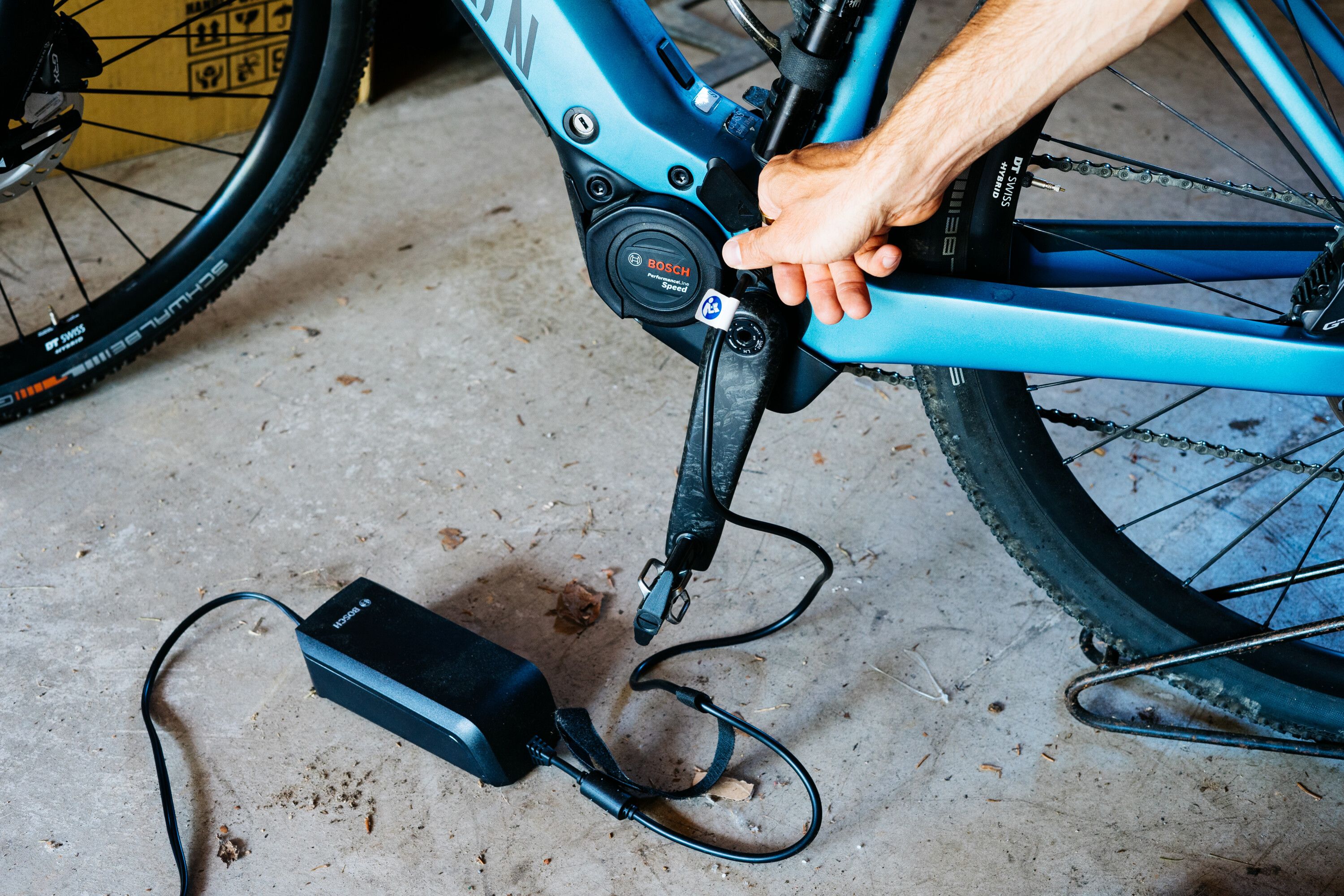
Image Source: hips.hearstapps.com
The Essentials of E-bike Battery Charging
Charging your electric bike battery correctly is crucial for its performance and your safety. Overcharging, using the wrong charger, or exposing the battery to extreme temperatures can all lead to damage or even fire hazards. This section will cover the fundamental principles of e-bike battery charging and why it matters.
Why Safe Charging Matters
E-bike battery health is directly linked to how you charge it. Lithium-ion batteries, commonly found in e-bikes, are powerful but require careful handling. Mishandling can result in:
- Reduced Lifespan: Improper charging can degrade the battery cells faster, meaning you’ll need to replace it sooner.
- Performance Issues: A poorly maintained battery might not hold a charge as long or provide the full power output expected.
- Safety Risks: In rare cases, faulty charging can lead to overheating, thermal runaway, and fires.
What You Need to Charge Your E-bike
Before you start e-bike battery charging, ensure you have the right equipment.
- Original Charger: Always use the charger that came with your e-bike. If you need a replacement, ensure it’s specifically designed for your battery’s voltage and chemistry and is certified by a reputable safety organization.
- Power Outlet: A standard, grounded electrical outlet is necessary. Avoid using extension cords unless absolutely required, and ensure they are rated for the charger’s power draw.
- Battery: Your e-bike’s battery itself.
- Bike Manual: Refer to your bike’s manual for specific charging instructions and recommendations.
The Charging Process: Step-by-Step
Powering up your EV bike is a straightforward process when done correctly. Follow these steps for optimal e-bike battery refill.
Step 1: Prepare Your Charging Environment
- Location: Choose a dry, well-ventilated area away from flammable materials. Avoid charging in direct sunlight or extremely cold conditions.
- Surface: Place the charger on a flat, stable surface.
Step 2: Connect the Battery and Charger
- Order of Connection: Generally, it’s recommended to connect the charger to the battery first, and then plug the charger into the wall outlet. However, always check your specific e-bike manual, as some manufacturers may have a different recommended order.
- Secure Connection: Ensure the charging cable is firmly plugged into both the battery and the charger. A loose connection can lead to intermittent charging or overheating.
Step 3: Monitor the Charging Process
- Indicator Lights: Most e-bike chargers have indicator lights to show the charging status. Typically, a red light means charging, and a green light means fully charged. Refer to your charger’s manual for specific light indications.
- Avoid Overcharging: While modern chargers have built-in protection against overcharging, it’s still a good practice to unplug the battery once it’s fully charged. Prolonged charging can stress the battery cells.
Step 4: Disconnect Safely
- Order of Disconnection: Once the battery is charged, unplug the charger from the wall outlet first. Then, disconnect the charger from the battery.
- Handle with Care: Gently disconnect the cables, avoiding pulling on the wires.
Maximizing Your E-bike Battery Lifespan
Proper e-bike battery maintenance goes hand-in-hand with safe charging. By following these tips, you can significantly extend the e-bike battery lifespan.
Smart Charging Habits
- Avoid Full Discharge: Try not to let your battery completely run out of power regularly. It’s better to charge it when it’s around 20-30% capacity.
- Avoid Constant Full Charge: While overnight charging is generally safe with modern systems, constantly keeping the battery at 100% can also put stress on the cells. Consider unplugging it once it hits 100%.
- Temperature Control: Lithium-ion batteries perform best at moderate temperatures (around 15-25°C or 59-77°F). Avoid charging in extreme heat or cold. Never charge a battery that has been exposed to freezing temperatures until it has warmed up to room temperature.
Storage Recommendations
- Partial Charge for Storage: If you’re storing your e-bike for an extended period (more than a month), charge the battery to about 50-60% capacity. Storing a fully charged or completely drained battery for long periods can degrade its capacity.
- Cool, Dry Place: Store the battery in a cool, dry environment, away from direct sunlight and extreme temperatures.
- Disconnect When Storing: Always disconnect the battery from the bike if you’re storing it for a long time.
Regular Inspections
- Visual Check: Periodically inspect your battery for any signs of damage, such as swelling, leaks, or corrosion on the terminals. If you notice any of these, stop using the battery immediately and contact the manufacturer.
- Charger Check: Ensure your charger is also in good condition, with no frayed wires or damage to the casing.
Understanding Different E-bike Charging Solutions
The market offers various e-bike charging solutions, from standard wall chargers to more advanced options. Understanding these can help you choose the best approach for your needs.
Standard Wall Chargers
These are the most common chargers that come with e-bikes. They plug into a standard wall outlet and connect directly to the battery or the bike’s charging port.
Portable E-bike Chargers
Portable e-bike chargers are great for longer rides or if you don’t have access to a power outlet at your destination. These are typically smaller and lighter, making them easy to carry in a backpack.
Fast Chargers
Some manufacturers offer fast chargers that can significantly reduce charging times. However, it’s important to check if your battery is designed to handle faster charging, as it can sometimes put more stress on the cells.
Charging Stations
As e-bike adoption grows, public charging stations are becoming more common in certain areas, similar to electric scooter charging points. These offer a convenient way to top up your battery while out and about.
Troubleshooting Common Charging Issues
Even with careful handling, you might encounter occasional charging problems. Here’s how to address them.
Battery Not Charging
- Check Connections: Ensure all cables are securely connected.
- Verify Power Source: Make sure the wall outlet is working and the charger is properly plugged in.
- Inspect Charger: Look for any visible damage to the charger or its cables.
- Battery Health: The battery itself might have reached the end of its e-bike battery lifespan. If the battery is old or has been damaged, it may no longer hold a charge.
Slow Charging
- Temperature: If the battery or ambient temperature is too high or too low, the charger may slow down to protect the battery.
- Charger Compatibility: Ensure you are using the correct charger for your battery.
- Battery Degradation: As batteries age, they can take longer to charge.
Charger Indicator Lights Not Working Correctly
- Consult Manual: Refer to your charger’s manual to decipher the meaning of the light patterns.
- Contact Manufacturer: If the lights behave erratically or don’t indicate a charge, there might be an issue with the charger or the battery’s charging port.
Safety First: What to Avoid
To ensure charging electric bike safely, steer clear of these common pitfalls.
What NOT to Do
- Do Not Use Damaged Equipment: Never use a charger with frayed wires, a cracked casing, or bent pins.
- Do Not Charge in Wet Conditions: Water and electricity are a dangerous combination. Ensure the charging area and equipment are dry.
- Do Not Modify the Battery or Charger: Tampering with the battery pack or charger can lead to serious safety hazards and will void warranties.
- Do Not Use a Charger Not Designed for Your Battery: Using an incompatible charger can damage the battery, cause overheating, or even lead to a fire.
- Do Not Charge Near Flammable Materials: Keep the charging area clear of anything that could easily catch fire.
- Do Not Leave Unattended for Excessive Periods: While modern chargers have safety features, it’s prudent to unplug the battery once charging is complete, especially if leaving it overnight.
The Science Behind E-bike Battery Health
Lithium-ion batteries have a finite number of charge cycles. E-bike battery health deteriorates gradually over time and with use. Understanding the factors that affect this can help you make informed decisions about charging and maintenance.
Charge Cycles
A charge cycle is one full discharge and recharge. Most lithium-ion batteries are rated for a certain number of charge cycles (e.g., 500-1000 cycles) before their capacity significantly diminishes. Gentle charging and avoiding deep discharges can increase the number of usable cycles.
Depth of Discharge (DoD)
The deeper you discharge a battery, the more stress it puts on the cells. Regularly draining the battery to 0% will reduce its overall e-bike battery lifespan compared to shallower discharges.
Temperature Effects
- High Temperatures: Heat accelerates the chemical degradation within lithium-ion batteries. Charging or storing a battery in hot conditions significantly reduces its lifespan.
- Low Temperatures: While less damaging than high heat, very cold temperatures can temporarily reduce battery performance and charging speed. Charging a frozen battery can cause permanent damage.
Frequently Asked Questions (FAQ)
Here are some common questions about charging e-bike batteries.
Q1: How long does an e-bike battery typically take to charge?
A1: Charging times vary depending on the battery’s capacity (measured in Watt-hours or Amp-hours) and the charger’s output power. Most e-bike batteries take between 3 to 8 hours to fully charge.
Q2: Can I use any charger to charge my e-bike battery?
A2: Absolutely not. You must use the charger specifically designed for your e-bike battery. Using an incompatible charger can damage the battery, charger, or even cause a fire. Always refer to your e-bike’s manual.
Q3: Is it bad to charge my e-bike battery every night?
A3: With modern lithium-ion batteries and chargers featuring sophisticated Battery Management Systems (BMS), charging every night is generally safe. However, to maximize e-bike battery health, it’s ideal to unplug it once it reaches 100% and avoid leaving it constantly plugged in for extended periods, especially if it’s a very old charger or battery.
Q4: What are the signs of a failing e-bike battery?
A4: Signs include a significantly reduced range, the battery not holding a charge for long, the battery taking an unusually long time to charge, or the battery overheating during charging or use. Physical signs like swelling or damage to the casing also indicate a problem.
Q5: Can I leave my e-bike battery plugged in after it’s fully charged?
A5: While most modern chargers have trickle charging or auto-shutoff features to prevent overcharging, it’s still best practice to unplug the battery once it’s fully charged. This reduces the continuous stress on the battery cells and contributes to a longer e-bike battery lifespan.
Q6: What should I do if my e-bike battery gets wet?
A6: If your battery gets wet, do not attempt to charge it. Disconnect it from the bike and let it dry completely in a warm, dry place for at least 48 hours. Inspect it thoroughly for any signs of corrosion or damage before attempting to charge it. If you have any doubts, contact the manufacturer.
Q7: How can I maintain my e-bike battery during winter storage?
A7: Store the battery indoors at room temperature (around 15-25°C). Charge it to about 50-60% before storage. Check its charge level every month or two and top it up to the 50-60% range if it drops significantly. Avoid storing it in a completely discharged or fully charged state.
Q8: What is the role of the Battery Management System (BMS)?
A8: The BMS is an electronic system that protects the battery from overcharging, over-discharging, over-current, and overheating. It also helps to balance the charge across individual cells within the battery pack, which is crucial for overall e-bike battery health and longevity.
By following these guidelines, you can ensure your electric bike battery is charged safely and remains in optimal condition for many rides to come. Prioritizing proper charging and maintenance is key to enjoying the full benefits of your electric bicycle.