
Can you make an exercise bike seat more comfortable? Yes, absolutely! Many people find standard exercise bike seats uncomfortable, leading to shorter workouts or even avoiding cycling altogether. Fortunately, there are several effective and easy ways to improve the comfort of your exercise bike seat, transforming your riding experience from painful to pleasant.
Riding an exercise bike is a fantastic way to boost your fitness, burn calories, and improve cardiovascular health. However, a hard, unsupportive seat can quickly turn a great workout into a dreaded chore. This guide will walk you through practical solutions, from simple adjustments to popular accessories, all designed to help you achieve a truly comfortable exercise bike seat.
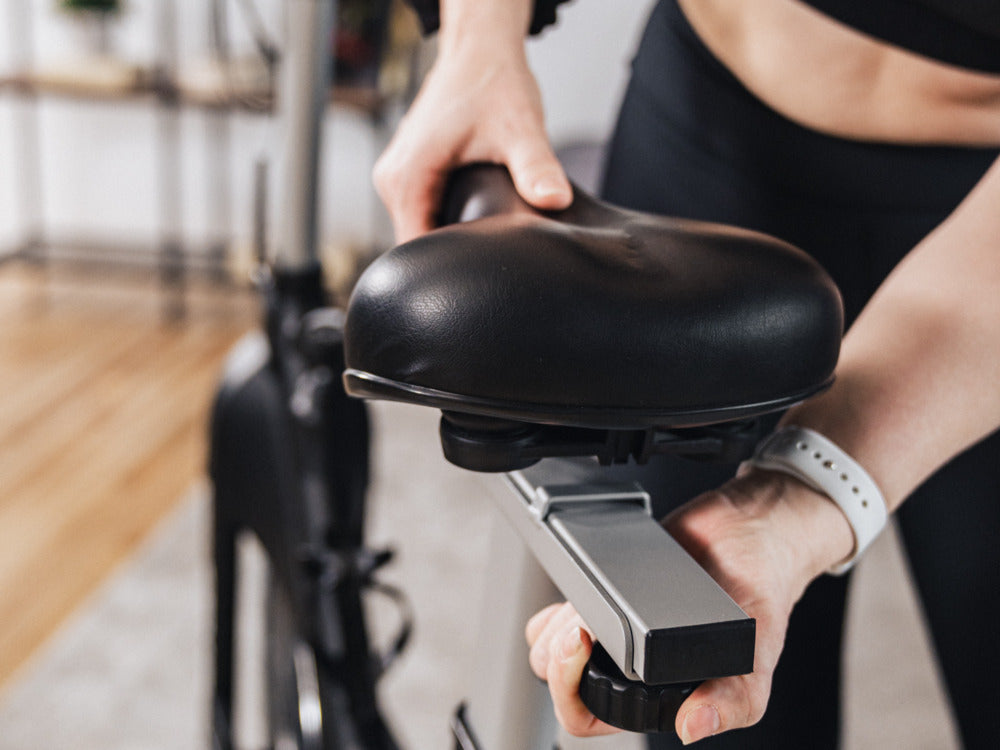
Image Source: movewithascend.com
Why Are Exercise Bike Seats So Uncomfortable?
Before diving into solutions, it’s helpful to understand why many stock exercise bike seats feel like a medieval torture device.
Design Choices by Manufacturers
Exercise bike manufacturers often prioritize functionality and cost over rider comfort. They typically equip their bikes with narrow, hard saddles designed to mimic the saddles found on performance road bikes. These are meant to minimize friction and weight for serious cyclists, but for casual indoor users, they can be a major source of discomfort.
Anatomy of Discomfort
- Pressure Points: The narrow design of many bike seats concentrates pressure on a few key areas, primarily the sit bones (ischial tuberosities) and the soft tissues in between. This can lead to numbness, soreness, and even pain.
- Lack of Padding: Most basic exercise bike seats have minimal to no padding. They rely on the rider’s form and the saddle’s shape to distribute weight.
- Saddle Shape: The curve and width of the saddle play a crucial role. A saddle that doesn’t match your anatomy or riding style will inevitably cause discomfort.
Individual Differences
What’s comfortable for one person might be agonizing for another. Factors like body weight, riding posture, sit bone width, and even personal sensitivity all contribute to how a particular seat feels.
Your Guide to a More Comfortable Ride
The good news is you don’t have to suffer through an uncomfortable ride. Here are various hacks to make your exercise bike seat feel much better.
1. Adjust Your Saddle Position
Before buying anything, ensure your current seat is adjusted correctly. Small tweaks can make a big difference.
Saddle Height
- Too High: This can cause rocking from side to side, putting undue pressure on your hands and creating an unstable ride.
- Too Low: This can lead to excessive knee bend and can also contribute to discomfort by shifting your weight incorrectly.
- The Golden Rule: When your leg is at its lowest point (pedal down), your knee should have a slight bend – about 25-35 degrees. To check, place your heel on the pedal at its lowest point. Your leg should be nearly straight. When your foot is properly positioned with the ball of your foot on the pedal, your knee will have the correct bend.
Saddle Fore/Aft Position
- Knee Alignment: With the pedal in the 3 o’clock position, your front knee cap should be roughly aligned with the pedal spindle (the bolt holding the pedal to the crank arm). You can use a string with a weight (plumb bob) to check this.
- Impact on Comfort: Moving the saddle slightly forward or backward can change how your weight is distributed and how your hips sit on the seat, potentially relieving pressure.
Saddle Tilt
- Level is Standard: Most saddles should be perfectly level.
- Slight Adjustment: If you feel pressure on the front of the saddle, try tilting the nose of the seat very slightly upwards. Conversely, if you feel too much pressure on your tailbone, a very slight downward tilt might help. Be cautious with tilt adjustments; too much can create new pressure points.
2. Add a Bicycle Seat Cushion or Gel Bike Seat Cover
This is often the quickest and most cost-effective solution. Adding extra padding directly addresses the hardness of the existing seat.
Types of Seat Cushions:
- Gel Cushions: These are extremely popular for a reason. Gel conforms to your shape, providing excellent pressure relief. A good gel bike seat cover can dramatically improve comfort.
- Foam Cushions: While less sophisticated than gel, thick, high-density foam cushions can also offer significant comfort. Look for cushions with a dense, supportive foam rather than cheap, flimsy padding that flattens quickly.
- Hybrid Cushions: Many cushions combine gel and foam for a balance of support and softness.
How to Choose and Use a Cushion:
- Fit: Ensure the cushion fits your existing seat. Most are designed to be universal and attach with adjustable straps.
- Straps: The straps should be snug but not so tight that they distort the cushion’s shape or your saddle’s.
- Test: Try a short ride with the cushion. If it feels like it’s bunching up or moving, adjust the straps.
- Durability: Some cheaper cushions can wear out quickly or lose their cushioning effect. Reading reviews can help you find a more durable option.
A padded bicycle saddle often refers to a saddle with built-in padding. However, if your bike has a minimalist saddle, a bike seat pad that you add on top is a common solution.
3. Upgrade to a Padded Exercise Bike Seat or an Ergonomic Bike Saddle
If adding a cushion doesn’t provide enough relief, or if you find the straps annoying, consider replacing the entire saddle.
Padded Exercise Bike Seat Options:
These are designed with more generous padding and often a wider profile than performance saddles. They aim for immediate comfort, especially for upright or casual riding positions.
Ergonomic Bike Saddle Considerations:
Ergonomic saddles are designed with rider anatomy in mind. They often feature:
- Wider Rear Section: To better support the sit bones.
- Cut-outs or Channels: To relieve pressure on soft tissues.
- Specific Shapes: Designed to accommodate different riding postures (upright vs. more aggressive).
What to Look for in a Replacement Saddle:
- Width: Measure your sit bone width. Many bike shops can help with this. A saddle that is too narrow or too wide will cause discomfort. A wider bike seat is often more comfortable for casual or upright riding.
- Shape: Saddles come in various shapes: flat, curved, or with a central relief channel. Experiment to see what feels best.
- Padding Type: Gel or high-density foam are generally preferred for comfort.
- Cut-outs/Channels: These are designed to reduce pressure on sensitive areas.
- Intended Use: Look for saddles designed for comfort, touring, or recreational cycling, rather than racing.
4. Consider Cycling Shorts with Built-in Padding
Professional cyclists swear by padded shorts, and for good reason. The padded insert, often called a chamois or pad, is designed to reduce friction and pressure.
Types of Padded Shorts:
- Gel Inserts: Offer excellent shock absorption and pressure relief.
- Foam Inserts: Provide cushioning.
- Seamless Construction: Reduces chafing.
How They Work:
The pad in cycling shorts acts as a second skin, cushioning your sit bones and preventing direct contact with the hard saddle. It also helps wick away moisture, keeping you drier and more comfortable.
Important Note:
You do not wear underwear under padded cycling shorts. The seams in underwear can cause chafing and irritation against the pad.
5. Adjust Your Riding Posture
How you sit on the bike significantly impacts comfort.
Upright vs. Leaning Forward:
- Upright Posture: This is common on many stationary bikes. It places more weight on the sit bones. A wider saddle or more padding is usually beneficial here.
- Leaning Forward: This shifts some weight to your hands and perineal area. A saddle with a relief channel or cut-out might be helpful.
Core Engagement:
Engaging your core helps stabilize your pelvis and prevents you from rocking back and forth on the saddle. This reduces pressure on your sit bones.
Pedal Stroke:
Aim for a smooth, circular pedal stroke. Avoid mashing the pedals, which can create jerky movements and put uneven pressure on the seat.
6. Wear the Right Attire
Beyond padded shorts, other clothing choices can affect comfort.
Breathable Fabrics:
Opt for moisture-wicking fabrics. Sweat can make your skin more prone to chafing and irritation.
Avoid Seams:
Loose-fitting shorts or pants with bulky seams can rub against the saddle or your skin, causing discomfort.
7. Gradual Acclimatization
If you’re new to cycling or haven’t ridden in a while, your body needs time to adjust.
Start Slowly:
Begin with shorter rides and gradually increase the duration and intensity.
Listen to Your Body:
Don’t push through intense pain. Take breaks if needed.
8. Saddle Cover Alternatives: A Deeper Dive
Let’s explore some of the most effective seat enhancements in more detail.
Gel Bike Seat Cushion – The Superstar of Comfort
A gel bike seat cushion is often the go-to solution for immediate comfort. The key benefit of gel is its ability to mold precisely to the contours of your body, distributing pressure evenly. Unlike foam, which can compress over time and lose its effectiveness, good quality gel tends to retain its shape and cushioning properties for longer.
- Pros: Excellent pressure relief, conforms to body shape, readily available, relatively inexpensive.
- Cons: Can sometimes make the ride feel “mushy” if too thick, may shift if not secured properly, can trap heat.
- Tips for Use: Look for a gel bike seat cushion with a breathable cover. Ensure the straps are adjustable and secure it tightly to prevent movement.
Padded Bicycle Saddle – A More Permanent Solution
Replacing the saddle itself offers a more integrated and often more effective solution than a temporary cover. A padded bicycle saddle is designed with comfort as a primary feature. These often have wider profiles and thicker padding than standard saddles.
- Pros: Permanent solution, can look more integrated with the bike, often designed for specific riding styles.
- Cons: More expensive than a cushion, requires installation, finding the perfect fit can involve trial and error.
- Considerations: When buying a padded bicycle saddle, pay attention to the width. For stationary bikes used in an upright position, a wider saddle is generally more comfortable as it supports your sit bones better.
The Wider Bike Seat Advantage
For many users, especially those on upright stationary bikes or cruiser-style bikes, a wider bike seat is a game-changer. A wider seat distributes your weight over a larger surface area, reducing the pressure on any single point.
- Benefits: Better weight distribution, less pressure on sit bones and soft tissues.
- What to Look For: Saddle width is measured at its widest point. For casual and upright riding, saddles that are 7 inches (178 mm) or wider are often recommended.
The Comfortable Spinning Seat Nuance
Spinning bikes are designed for high-intensity workouts, and the saddles are often very basic. To achieve a comfortable spinning seat, you’ll likely need a good bike seat pad or a replacement saddle specifically designed for comfort. The aggressive nature of spinning workouts means that even slight discomfort can be amplified.
- Key for Spin Bikes: Since spin bikes are often used by multiple people, consider a gel bike seat cover that is easy to wipe down and sanitize. If you own the bike, a more permanent padded exercise bike seat can be a great investment.
9. Saddle Fit: A Crucial Element
Let’s reiterate the importance of saddle fit. A saddle that doesn’t fit your anatomy will be uncomfortable, no matter how much padding it has.
Sit Bone Measurement:
This is paramount. Your sit bones are the bony points you feel when you sit on a hard surface.
1. Place a piece of corrugated cardboard on a chair.
2. Sit down on the cardboard, ensuring your weight is distributed evenly.
3. Stand up. You will see two distinct indentations from your sit bones.
4. Measure the distance between the centers of these two indentations.
Matching Width to Measurement:
- Narrower Saddles (under 140mm): Best for riders in a more aggressive, forward-leaning position.
- Medium Saddles (140mm-160mm): Good for a balanced riding position.
- Wider Saddles (over 160mm): Ideal for upright riding positions and heavier riders.
Saddle Shape and Your Flexibility:
- Flexible Riders: Can often tolerate flatter saddles and may benefit from saddles with a central relief channel to reduce pressure on soft tissues.
- Less Flexible Riders: Tend to prefer saddles with more curve or a “hammock effect,” which can better support their sit bones in a more upright posture.
10. Saddle Maintenance and Care
Even the most comfortable saddle can feel less so if it’s not properly maintained.
- Cleaning: Regularly clean your saddle, especially if using a gel bike seat cover, to prevent sweat and grime buildup.
- Protection: If your bike is stored in a damp environment, consider covering it to prevent material degradation.
When to Consider Professional Help
If you’ve tried multiple solutions and still experience significant discomfort, it might be time to consult a professional.
- Bike Fitter: A professional bike fitter can assess your posture, flexibility, and biomechanics. They can recommend specific saddle types and adjust your bike’s fit for optimal comfort and performance.
- Physical Therapist: For persistent pain or numbness, a physical therapist can help identify underlying issues and provide exercises or treatments.
Putting It All Together: A Step-by-Step Approach
- Assess Current Comfort: What exactly is causing the pain? Is it pressure on sit bones, soft tissues, or chafing?
- Adjust Saddle Position: Start with height, fore/aft, and tilt.
- Try a Cushion: A quality gel bike seat cover or a good bike seat pad is a great first accessory.
- Consider Padded Shorts: Invest in a pair of well-fitting padded cycling shorts.
- Explore Replacement Saddles: If accessories don’t suffice, look for a padded exercise bike seat or an ergonomic bike saddle that matches your sit bone width and riding style. A wider bike seat is often the solution for upright riders.
- Refine Posture: Engage your core and focus on smooth pedaling.
- Listen to Your Body: Don’t ignore pain, and gradually build up your riding time.
Achieving a comfortable exercise bike seat is entirely possible. By understanding the causes of discomfort and applying these simple, research-backed hacks, you can transform your exercise bike into a comfortable and effective fitness tool. Happy cycling!
Frequently Asked Questions (FAQ)
Q1: Do I need a seat cover if I have a comfortable saddle?
A: Not necessarily. If your current saddle is already comfortable and well-suited to your anatomy and riding style, a cover might not be needed. However, some riders prefer the extra cushioning a gel bike seat cover provides, even on a comfortable saddle.
Q2: Can I wear underwear with padded cycling shorts?
A: No, you should not wear underwear with padded cycling shorts. The seams in underwear can cause chafing and irritation against the chamois (pad). The chamois is designed to be worn directly against the skin to minimize friction and wick moisture.
Q3: How often should I replace a gel bike seat cover?
A: The lifespan of a gel bike seat cover depends on its quality and how often it’s used. High-quality covers can last for several months to a year or more of regular use. If you notice the gel has flattened significantly, lost its elasticity, or the cover is tearing, it’s time for a replacement.
Q4: Is a wider bike seat always more comfortable?
A: A wider bike seat is generally more comfortable for riders who sit in a more upright position, as it provides better support for the sit bones. However, if you ride in a more aggressive, forward-leaning posture, a narrower saddle might be more appropriate to avoid chafing the inner thighs. The key is matching the saddle width to your sit bone measurement and riding style.
Q5: What’s the difference between a bicycle seat cushion and a gel bike seat cover?
A: While often used interchangeably, a bicycle seat cushion can refer to any type of padding added to a saddle, including foam or gel. A gel bike seat cover specifically uses gel as the primary cushioning material and is typically designed to fit over an existing saddle with straps. Both aim to increase comfort.
Q6: My exercise bike seat still hurts even with a padded seat cover. What else can I do?
A: If a padded exercise bike seat cover or bike seat pad isn’t enough, consider these steps:
* Adjust Saddle Position: Ensure height, fore/aft, and tilt are optimized.
* Try Padded Shorts: Invest in quality cycling shorts.
* Replace the Saddle: Look for an ergonomic bike saddle or a wider bike seat if your current one is too narrow or poorly shaped.
* Check Your Posture: Engage your core and maintain a smooth pedal stroke.
* Consult a Professional: A bike fitter can offer personalized advice.
Q7: Is a comfortable spinning seat achievable for longer rides?
A: Yes, achieving a comfortable spinning seat for longer rides is possible. While spin bike saddles are often minimalist, using a high-quality gel bike seat cushion or upgrading to a more ergonomic saddle designed for comfort can make a significant difference. Combining these with padded cycling shorts will greatly enhance comfort for extended periods.