
So, how much does it cost to wrap a bike? The cost to wrap a bike can range from $100 for a do-it-yourself (DIY) partial wrap with basic vinyl to $1,000 or more for a professional full wrap with custom graphics and premium materials. This guide will break down all the factors influencing the vinyl bike wrap cost, helping you understand the full picture.
Wrapping a bike is a fantastic way to personalize its look, protect its paint, and even add a layer of durability. Whether you’re a professional cyclist looking for a competitive edge with custom graphics or a casual rider wanting to give your bike a fresh, unique appearance, a vinyl wrap offers a versatile solution. But what goes into the price tag? Let’s dive deep into what determines the full bike wrap price and explore the various options available.
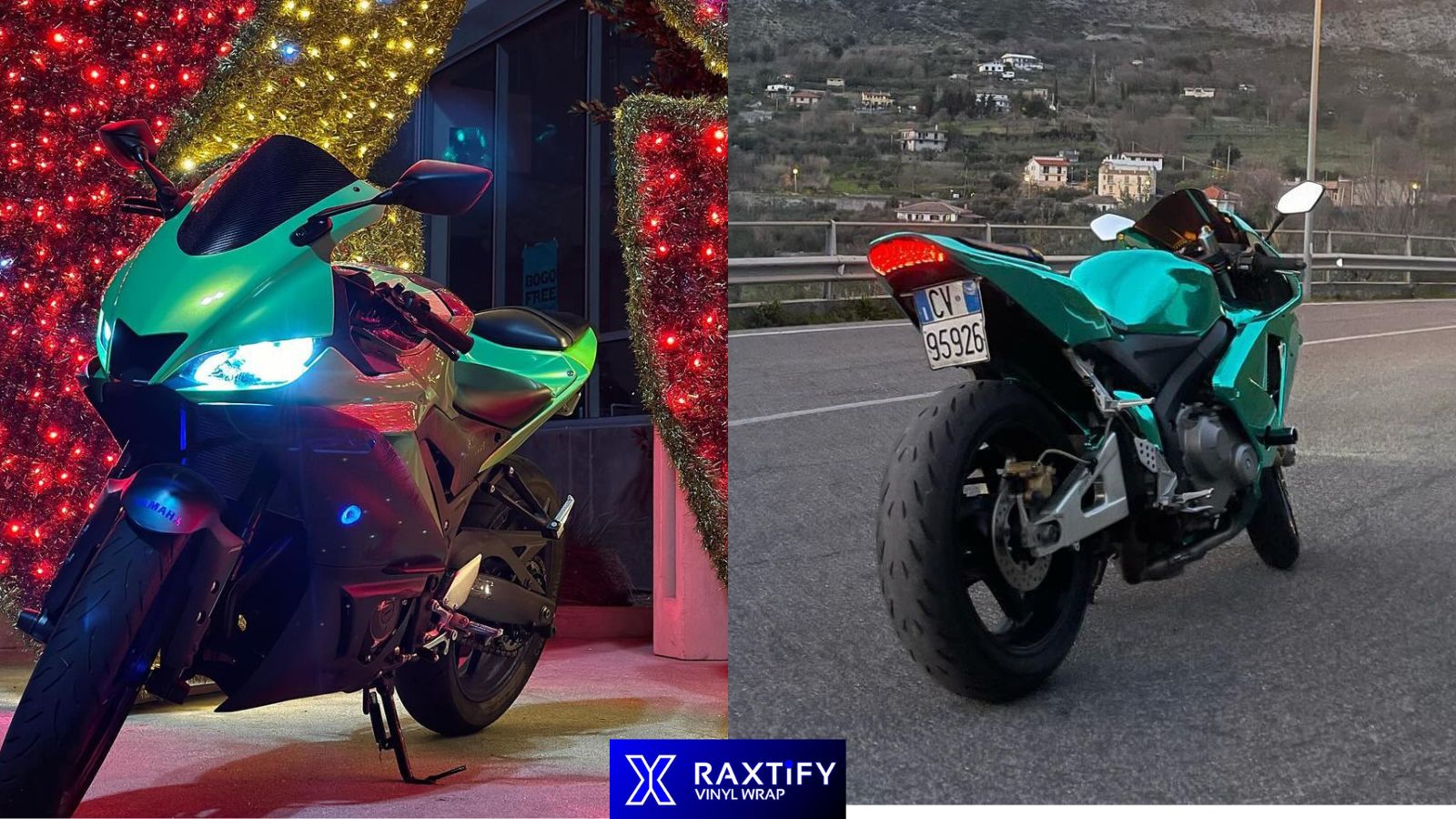
Image Source: cdn.shopify.com
Deciphering the Cost: Key Factors for Bike Wraps
Several elements contribute to the final cost of a bike wrap. These aren’t always obvious, but knowing them can help you budget effectively and make informed decisions.
Material Matters: The Vinyl Itself
The type of vinyl used is a primary driver of cost. Think of it like choosing paint for your house – there are basic options and premium ones with different finishes and protective qualities.
Types of Vinyl and Their Price Points
- Standard Cast Vinyl: This is the most common and generally the most affordable option. Cast vinyl is known for its conformability, meaning it can stretch and mold around the curves of your bike easily. It’s also more durable than calendared vinyl.
- Cost: Expect to pay around $10-$20 per linear foot for good quality cast vinyl.
- Specialty Vinyls: These include finishes like matte, satin, chrome, carbon fiber, brushed metal, and color-shifting (chameleon) vinyls. These often have higher production costs and thus a higher price point.
- Cost: Specialty vinyls can range from $20-$50+ per linear foot. Chrome and complex finishes are typically at the higher end.
- Protective Overlays (Laminates): For added durability against scratches, chips, and UV rays, a clear laminate can be applied over the vinyl. This is highly recommended, especially for the frame.
- Cost: Adds about $5-$10 per linear foot to the vinyl cost.
The Scope of the Wrap: Full vs. Partial
Just like with a car, you can choose to wrap your entire bike or just specific sections. This significantly impacts both the material needed and the labor involved.
Full Bike Wrap Cost
A full bike wrap covers the entire frame, and often includes wrapping components like forks, handlebars, and sometimes even wheels (though wheel wraps are a separate, specialized service). This provides the most dramatic transformation and protection.
- Material: Requires a significant amount of vinyl. For a typical road bike or mountain bike frame, you might need anywhere from 30 to 60 linear feet of vinyl, depending on the bike’s complexity and the vinyl’s width.
- Complexity: Wrapping an entire bike is intricate. There are many compound curves, sharp edges, and areas that require careful heat application and trimming.
- Bike Wrap Installation Cost: This is where the majority of the cost lies for a professional job. Experienced installers charge for their time, skill, and the precision required.
Partial Bike Wrap Cost
A partial bike wrap focuses on specific areas. This is a great option for those on a tighter budget or who want to highlight certain parts of their bike.
- Common Areas: Top tube, down tube, seat stays, chain stays, head tube, fork legs, or even just accents on the handlebars and seat post.
- Bicycle Graphics Pricing: If you’re looking for custom graphics or logos placed on specific parts, this falls under bicycle graphics pricing. This can be done using a separate vinyl cut-out or as part of a larger printed wrap.
- Cost Savings: Naturally, less material and less labor mean a lower overall cost.
Customization and Design: Making it Yours
The degree of customization you desire will heavily influence the custom bike wrap price.
Custom Bike Wrap Price Elements
- Pre-colored Vinyl: Using a solid color from a standard vinyl roll is the most budget-friendly customization.
- Printed Graphics: If you want custom designs, patterns, or logos printed onto vinyl, this adds to the cost. High-resolution digital printing requires specialized equipment and expertise.
- Design Fees: If you need a graphic designer to create your custom artwork, factor in their hourly rates.
- Complex Designs: Intricate patterns, gradients, or designs that require precise alignment across different panels will increase installation time and, therefore, cost.
- Logos and Branding: Incorporating specific logos for teams or sponsors will also fall under custom design pricing.
The Installer: DIY vs. Professional
This is perhaps the biggest differentiator in bike wrap installation cost.
DIY Bike Wrap Cost
The DIY bike wrap cost is generally much lower because you’re only paying for the materials and tools.
- Material Cost: You’ll buy the vinyl rolls yourself.
- Tool Costs: You’ll need a heat gun or powerful hairdryer, squeegees (felt-edged ones are best for vinyl), a sharp craft knife or blade, cutting mat, rubbing alcohol, and possibly a primer/adhesion promoter. These tools can cost anywhere from $50 to $150 depending on what you already own.
- Time Investment: DIY wrapping is time-consuming and requires patience. Mistakes can happen, leading to wasted material and frustration.
- Learning Curve: It takes practice to get a perfect finish, especially on complex curves.
Professional Bike Wrap Installation Cost
When you go to a professional installer, you’re paying for their expertise, specialized tools, and the guarantee of a high-quality finish.
- Labor Rates: Professional installers typically charge by the hour or a flat rate per job. Rates can vary significantly based on location and the installer’s experience.
- Efficiency: Professionals can wrap a bike much faster and with fewer errors than a beginner.
- Warranty/Guarantee: Many professional installers offer a warranty on their work, providing peace of mind.
Comparing Bike Wrap Costs: A Rough Estimate
To give you a clearer picture, let’s look at some estimated costs. These are highly variable and should be used as a guide only.
| Service Type | Material Cost (Approx.) | Labor Cost (Approx.) | Total Estimated Cost (Approx.) | Notes |
|---|---|---|---|---|
| DIY Partial Wrap | $50 – $150 | $0 (Your Time) | $50 – $150 + Tools | Requires patience, learning curve, potential for mistakes |
| DIY Full Wrap | $150 – $300 | $0 (Your Time) | $150 – $300 + Tools | Significant time investment, higher risk of errors |
| Pro Partial Wrap | $75 – $200 | $100 – $300 | $175 – $500 | Professional finish on specific areas |
| Pro Full Wrap | $200 – $500 | $300 – $700 | $500 – $1,200+ | Premium finish, full bike protection, custom options |
Note: These are general estimates. A very high-end road bike or a complex BMX bike might incur higher costs.
What Influences Professional Bike Wrap Installation Cost?
Beyond the material, the installer’s pricing structure is crucial.
Installer Experience and Reputation
Highly sought-after installers with a strong portfolio and positive reviews often command higher prices. Their skill means fewer mistakes, a cleaner finish, and potentially a longer-lasting wrap.
Location
Labor costs vary significantly by region. An installer in a major metropolitan area will likely charge more than one in a smaller town.
Bike Complexity
Not all bikes are created equal when it comes to wrapping.
Factors Making a Bike More Complex to Wrap
- Frame Design: Bikes with internal cable routing, intricate tube shapes, or many sharp angles are more challenging.
- Component Integration: Bikes with integrated cockpits (handlebars and stem as one unit) or complex suspension linkages require more meticulous disassembly and reassembly.
- Surface Preparation: If the bike’s existing paint is damaged or requires significant cleaning and prep work, this adds to the labor time.
Turnaround Time
If you need the wrap done quickly, some installers might charge a rush fee.
A Deeper Dive into Vinyl Bike Wrap Cost Components
Let’s break down the costs further, looking at specific types of wraps and materials.
Cost of Different Vinyl Finishes
- Glossy Vinyl: Generally the most affordable.
- Matte Vinyl: Slightly more expensive than gloss.
- Satin Vinyl: Similar pricing to matte.
- Carbon Fiber Textured Vinyl: Often costs more due to the manufacturing process for the texture.
- Chrome Vinyl: This is typically one of the most expensive options due to its reflective properties and difficulty in application.
- Color-Shift/Chameleon Vinyl: These are premium, often costing $30-$60+ per linear foot for the material alone.
The Role of Digital Printing
When you opt for custom graphics, the cost increases due to the printing process.
- Setup Fees: For custom printed designs, there might be a one-time setup fee for preparing the artwork for printing.
- Ink Costs: High-quality, durable inks are used, adding to the material expense.
- Lamination: Printed vinyl is almost always laminated for protection against UV fading and abrasion, adding to the cost.
Motorcycle Wrap Cost Comparison
While this guide focuses on bicycles, it’s worth noting that wrapping a motorcycle wrap cost is generally higher than a bicycle. This is due to the larger surface area, more complex fairings, and often the need for specialized vinyl for higher temperatures or more extreme weather exposure. Expect motorcycle wraps to start from $500-$800 for a partial wrap and upwards of $1,000-$2,500+ for a full, custom job by a professional. This comparison helps contextualize the vinyl bike wrap cost within a broader vehicle wrapping market, where a car wrap cost comparison shows even higher price points, often starting from $2,000-$5,000 for a full vehicle wrap.
Fathoming the DIY Process and Expenses
If you’re considering a DIY approach, it’s essential to be realistic about the costs and challenges.
Essential Tools for DIY Bike Wrapping
- Heat Gun or Hair Dryer: Crucial for stretching and conforming vinyl.
- Squeegees: Various types, including felt-edged ones to prevent scratching.
- Craft Knife/Blade: For precise trimming. A sharp blade is paramount.
- Cutting Mat: Protects your surfaces.
- Rubbing Alcohol: For cleaning the bike surface thoroughly.
- Primer/Adhesion Promoter: Recommended for edges and areas with high stress.
- Magnets: To hold pieces in place while you work.
- Masking Tape: For marking and holding.
Estimating Material Needs for DIY
- Measure your frame: Use a flexible measuring tape to get the lengths of tubes and components.
- Account for overlap and waste: Always buy more vinyl than your initial measurements suggest. You’ll need extra for mistakes, trimming, and ensuring proper overlap.
- Consider vinyl width: Vinyl comes in various widths. You’ll need to plan how to lay out your pieces efficiently to minimize waste.
Potential Pitfalls of DIY Wrapping
- Wrinkles and Bubbles: Improper heating or squeegeeing can lead to unsightly imperfections.
- Stretching Too Much: Overheating and overstretching can thin the vinyl, making it prone to tearing and fading.
- Cutting Errors: A mistake with a blade can permanently damage the underlying paint or the vinyl.
- Poor Adhesion: If the surface isn’t cleaned properly, or if edges aren’t sealed, the wrap can lift.
- Time Consumption: What seems like a quick project can easily take many hours, even days, for a first-timer.
Is a Bike Wrap Worth the Investment?
When considering the full bike wrap price, it’s wise to weigh the costs against the benefits.
Benefits of Wrapping Your Bike
- Aesthetics: A complete visual overhaul without changing the bike’s actual paint.
- Protection: Guards against minor scratches, scuffs, and stone chips. Some vinyls offer UV protection.
- Resale Value: A clean, well-wrapped bike can maintain or even increase its resale value compared to one with worn or damaged paint.
- Customization: Express your unique style.
- Temporary Change: Unlike painting, a wrap can be removed, returning the bike to its original finish.
When a Wrap Might Not Be Ideal
- Extreme Durability Needs: For very aggressive off-road riding where impacts are frequent and severe, a wrap might get damaged quickly.
- Budget Constraints: If the custom bike wrap price is significantly out of reach, a partial wrap or even a professional paint job might be a more suitable alternative.
Frequently Asked Questions About Bike Wraps
Q1: Can I wrap my entire bike myself?
A1: Yes, you can, but it requires significant patience, the right tools, and a willingness to learn. Mistakes are common for beginners, so practicing on scrap pieces is recommended.
Q2: How long does a bike wrap typically last?
A2: A professionally installed, high-quality vinyl wrap with a protective laminate can last anywhere from 3 to 7 years, depending on the quality of the vinyl, installation, and how well the bike is maintained and stored. DIY wraps, especially if not applied perfectly, might have a shorter lifespan.
Q3: What is the difference between a vinyl wrap and paint protection film (PPF)?
A3: Vinyl wraps are primarily for aesthetics and offer some protection. Paint Protection Film (PPF) is a much thicker, clear urethane film specifically designed to protect the paint from chips, scratches, and minor impacts. PPF is significantly more expensive than vinyl wrap.
Q4: Will wrapping damage my bike’s paint?
A4: If applied and removed correctly by a professional, a vinyl wrap should not damage the underlying paint. However, if the bike’s paint is already compromised (e.g., peeling clear coat), the wrap could potentially lift some of that damaged paint upon removal.
Q5: How do I maintain a wrapped bike?
A5: Regular cleaning with mild soap and water is recommended. Avoid abrasive cleaners, high-pressure washers directed at edges, and harsh chemicals. Some manufacturers offer specific vinyl care products.
Q6: Where can I find a bike wrapper?
A6: Look for vehicle wrap specialists, sign shops that offer vehicle graphics, or custom bike shops that offer wrapping services. Online searches for “bike wrap near me” or “bicycle graphics installation” can be helpful. You can also ask fellow cyclists for recommendations.
Conclusion: Investing in Your Bike’s Look and Longevity
The cost to wrap a bike is a variable landscape, influenced by material choices, design complexity, and whether you tackle it yourself or hire a professional. Whether you’re looking for a subtle upgrade with a partial bike wrap cost or a complete transformation with a full bike wrap price, budgeting for quality materials and expert installation will yield the best results. By carefully considering these factors, you can achieve a stunning, personalized look for your bike that also offers a layer of protection. Remember to use online tools like a vehicle wrap cost calculator as a starting point, but always get personalized quotes for the most accurate pricing.