
This blog post will guide you through the best way to wash bike shorts and care for them to ensure they last a long time.
Your favorite pair of bike shorts are more than just clothing; they’re your trusty companion on every ride, from leisurely spins to grueling climbs. Their specialized fabric, chamois padding, and tight fit are designed for comfort and performance. But just like any high-performance gear, proper care is essential to keep them feeling and looking great, ride after ride. Washing bike shorts properly might seem straightforward, but there are a few key steps that can make a big difference in their lifespan and your comfort. This comprehensive guide will break down exactly how to wash bike shorts, from pre-wash preparation to drying and storage, ensuring your investment in quality cycling apparel pays off.
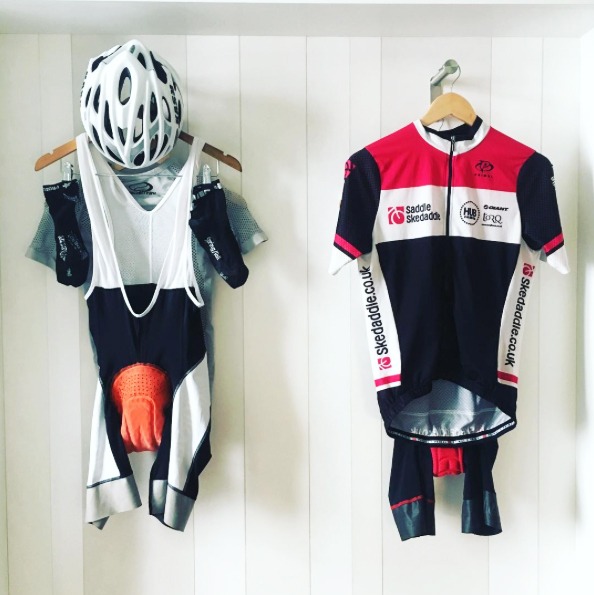
Image Source: www.skedaddle.com
Why Proper Washing Matters for Bike Shorts
You might wonder, “Why can’t I just toss my bike shorts in with the rest of my laundry?” The answer lies in the unique materials and construction of cycling apparel. Bike shorts are typically made from a blend of synthetic fibers like nylon and spandex (Lycra), designed for stretch, moisture-wicking, and durability. The padded chamois in the crotch area is also a crucial element that requires specific attention.
Protecting the Fabric and Fit
The spandex in your bike shorts is what gives them their form-fitting feel and ability to move with you. Harsh detergents, high heat, and aggressive washing cycles can break down these elastic fibers, leading to a loss of compression, saggy material, and a less supportive fit. This is where understanding bike shorts fabric care becomes paramount.
Preserving the Chamois
The chamois, often made from a combination of foam and antibacterial materials, is designed to reduce friction and provide cushioning. Improper washing can damage the chamois’s structure, compromise its anti-bacterial properties, and even cause it to break down prematurely. This is particularly important when discussing washing padded bike shorts.
Preventing Odors and Bacteria
Sweat and bacteria can build up quickly in cycling shorts. While most modern chamois have anti-odor treatments, regular and correct washing helps maintain these properties and prevents the buildup of odor-causing bacteria, making your cycling shorts laundry a crucial part of hygiene.
The Best Way to Wash Bike Shorts: A Step-by-Step Guide
So, what is the best way to wash bike shorts? It’s all about gentleness and specificity. Follow these steps for optimal results:
1. Wash After Every Use
This is the golden rule of bike short care. Even if you’ve only been out for a short, cool ride, sweat and bacteria can start to work their way into the fabric and chamois. Washing them immediately after each use prevents odors from setting in and prolongs the life of the chamois.
2. Pre-Rinse (Optional but Recommended)
If you can’t wash your shorts immediately, a quick rinse in cool water can remove a significant amount of sweat and salt, making the subsequent wash more effective.
3. Choose the Right Detergent
- Mild Detergent: Opt for a mild, liquid detergent. Avoid fabric softeners, bleach, and harsh chemical detergents.
- Specialized Sports Detergents: For serious cyclists or those with sensitive skin, consider a detergent specifically formulated for sports apparel washing. These often contain enzymes that break down sweat and body oils more effectively without damaging synthetic fabrics.
- Avoid Powder Detergents: Powder detergents can sometimes leave residue that irritates the skin and can be abrasive to the delicate Lycra fibers.
4. Hand Washing vs. Machine Washing
Both methods can be effective if done correctly.
Hand Washing Your Bike Shorts
Hand washing is often considered the gentlest approach, especially for bib shorts care.
- Fill a Basin: Fill a clean sink or basin with cool or lukewarm water. Avoid hot water, as it can damage the elasticity.
- Add Detergent: Add a small amount of your chosen mild detergent. Swish the water to distribute the detergent.
- Submerge and Agitate: Submerge your bike shorts and gently agitate the water. You can lightly swish the shorts around.
- Focus on the Chamois: Gently work the detergent into the chamois area with your hands to ensure a thorough clean. Avoid excessive scrubbing or wringing, which can damage the padding.
- Rinse Thoroughly: Drain the soapy water and refill the basin with clean, cool water. Rinse the shorts repeatedly until all detergent residue is gone. Squeeze out excess water gently, again avoiding twisting or wringing.
Machine Washing Your Bike Shorts
If you prefer machine washing, follow these precautions to ensure your lycra shorts cleaning is safe.
- Use a Mesh Laundry Bag: Place your bike shorts inside a mesh laundry bag. This protects them from snagging on zippers or hooks from other garments and minimizes friction during the cycle.
- Load with Similar Colors and Fabrics: Wash your bike shorts with other synthetic activewear or dark colors. Avoid washing them with cotton items like towels or jeans, as these can be abrasive and leave lint.
- Select the Gentle Cycle: Choose the “delicate,” “gentle,” or “hand wash” cycle on your washing machine.
- Cold or Lukewarm Water: Always use cold or lukewarm water. Hot water is the enemy of spandex and Lycra.
- Low Spin Speed: Select the lowest spin speed available to minimize stress on the fabric and chamois.
- Skip Fabric Softener: Fabric softener can coat the Lycra fibers, reducing their moisture-wicking capabilities and potentially damaging the chamois.
5. Drying Your Bike Shorts
This is another critical step in bike shorts fabric care. Improper drying can ruin your shorts just as easily as improper washing.
- Air Dry is Best: The absolute best way to dry bike shorts is to air dry them.
- Reshape and Hang: After washing, gently squeeze out excess water (do not wring or twist). Reshape the shorts and hang them on a clothesline or drying rack. Avoid using clothespins directly on the fabric if possible, as they can leave marks. Hanging them from the waistband is ideal.
- Avoid Direct Sunlight: While sunlight can help kill bacteria, prolonged exposure to direct sunlight can fade colors and degrade the Lycra over time. Hang them in a shaded, well-ventilated area.
- Never Use a Tumble Dryer: The heat from a tumble dryer is the quickest way to destroy the elasticity of your bike shorts and damage the chamois. Never put bike shorts in a dryer.
6. Storage
Once dry, store your bike shorts properly to maintain their shape and prevent creases.
- Fold or Hang: Fold them neatly or hang them in your wardrobe. Avoid stuffing them into a drawer where they can get misshapen.
Special Considerations for Bib Shorts
Bib shorts care follows the same general principles as regular bike shorts, but with a few extra considerations due to the shoulder straps and overall construction.
The Bib Straps
- Mesh Paneling: Bib straps often feature mesh panels for breathability. These can be delicate and prone to snagging. Always use a mesh laundry bag.
- Avoid Overstretching: When washing or drying, be mindful not to stretch the bib straps unnecessarily.
The Pad in Bib Shorts
The chamois in bib shorts is just as important as in standard shorts. The washing and drying principles remain the same: gentle cleaning, no high heat, and air drying.
Common Mistakes to Avoid in Bike Shorts Laundry
To reinforce the proper bike short care, here’s a quick rundown of what not to do:
- Using Bleach or Fabric Softener: These chemicals damage Lycra and reduce its performance.
- Washing in Hot Water: High temperatures degrade elasticity.
- Tumble Drying: Heat from dryers destroys the fabric’s stretch.
- Wringing or Twisting: This can tear the fibers and damage the chamois.
- Ironing: Never iron bike shorts.
- Dry Cleaning: The chemicals used in dry cleaning are too harsh for bike shorts.
- Leaving Them Damp in a Bag: This is a breeding ground for bacteria and mold.
Extending the Lifespan of Your Bike Shorts
Beyond regular washing, here are some tips for maximizing the longevity of your cycling gear:
- Choose Quality: Invest in high-quality bike shorts from reputable brands. Better materials and construction generally mean a longer lifespan, even with everyday use.
- Rotate Your Shorts: If you cycle frequently, having multiple pairs of bike shorts allows you to rotate them. This means each pair gets a chance to dry completely and recover its shape between rides, reducing wear and tear.
- Avoid Rough Surfaces: Be mindful of where you sit or place your shorts when not on the bike. Rough surfaces can snag or abrade the fabric.
- Inspect Regularly: Before and after washing, give your shorts a quick inspection for any loose threads or signs of wear. Addressing small issues early can prevent them from becoming bigger problems.
How to Clean Cycling Tights
The principles for how to clean cycling tights are virtually identical to those for bike shorts. Tights, whether for road cycling, mountain biking, or gravel riding, are also constructed with Lycra and often have padded chamois.
- Gentle Wash: Always use a gentle cycle with cool water and a mild detergent.
- Mesh Bag: Use a mesh laundry bag to protect the fabric.
- Air Dry: Crucially, air dry your cycling tights. Never use a tumble dryer.
- No Fabric Softener or Bleach: These will damage the synthetic fibers.
The main difference might be the absence of a chamois in some base-layer tights. However, even without a padded chamois, the fabric itself requires careful treatment to maintain its compression and moisture-wicking properties.
Sports Apparel Washing Best Practices
These tips for sports apparel washing extend beyond just bike shorts and are good practice for all your athletic gear:
- Read the Care Label: Always check the manufacturer’s care label for specific instructions.
- Wash Separately: If possible, wash your performance wear separately from heavy cotton items.
- Avoid Ironing: Most activewear fabrics are not meant to be ironed.
- Don’t Overload the Machine: Give your clothes enough space to move freely for a better clean.
Frequently Asked Questions About Washing Bike Shorts
Here are answers to some common questions about cycling shorts laundry:
Q1: Can I wash my bike shorts with my regular clothes?
A1: It’s best to avoid washing your bike shorts with regular clothes, especially items like jeans or towels that can be abrasive. If you must, use a mesh bag and a very gentle cycle with cold water. Washing them separately with other athletic wear is ideal.
Q2: How often should I wash my bike shorts?
A2: You should wash your bike shorts after every single use, regardless of the length or intensity of your ride.
Q3: Is it okay to use a dryer on a low setting for bike shorts?
A3: Absolutely not. Even a low heat setting on a dryer can damage the Lycra and chamois in your bike shorts. Always air dry them.
Q4: Can I use baby wipes to clean my bike shorts after a short ride?
A4: While baby wipes can offer a quick refresh, they don’t thoroughly clean the fabric or the chamois from sweat and bacteria. It’s still best to give them a proper wash soon after.
Q5: My bike shorts have a removable chamois. How do I wash them?
A5: If your chamois is removable, you can usually wash the shorts and the chamois separately following the guidelines above. Be sure to follow the manufacturer’s specific instructions for removable padding.
Q6: What’s the difference between washing padded bike shorts and regular athletic shorts?
A6: Padded bike shorts require extra care for the chamois. The padding is sensitive to heat and harsh chemicals, so gentler washing and avoiding the dryer are even more critical than with standard athletic shorts.
Q7: My bike shorts smell even after washing. What am I doing wrong?
A7: This can happen if detergent residue is left behind, or if they weren’t washed quickly enough after use. Ensure you’re using a mild detergent, rinsing thoroughly, and washing after every ride. If the odor persists, consider a specialized sports detergent.
By adhering to these guidelines for bike short care, you can ensure that your cycling shorts remain comfortable, supportive, and functional for many miles to come. Treat them well, and they’ll continue to enhance your riding experience.