
So, how fast is a 450cc dirt bike? A 450cc dirt bike can reach top speeds of roughly 70-85 mph (112-137 kmh) on the road, though off-road conditions significantly alter this. What truly sets these machines apart is their incredible acceleration and the thrilling 450cc dirt bike performance they offer. This article will dive deep into the speed, power, and overall capabilities of these popular off-road powerhouses.
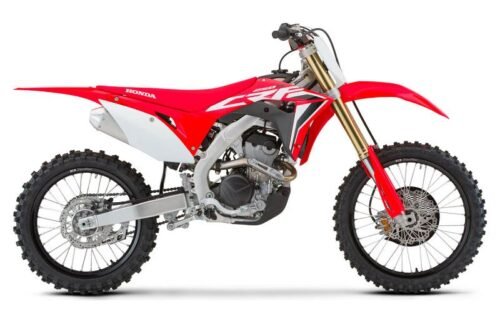
Image Source: www.fodsports.com
Fathoming the Speed: What Does “Fast” Mean for a 450cc Dirt Bike?
When we talk about the speed of a 450cc dirt bike, it’s crucial to remember they are not built for highway cruising. Their design prioritizes agility, explosive power delivery, and the ability to conquer challenging terrain. Therefore, “fast” in the context of a dirt bike means rapid acceleration, the capability to quickly reach and maintain high speeds on unpaved surfaces, and the power to overcome obstacles.
450cc Dirt Bike Speed: Beyond the Numbers
The 450cc dirt bike speed isn’t just about a single top speed number. It’s about how quickly the bike gets there, how it handles that speed in varied conditions, and the rider’s skill in harnessing that power.
450cc Motocross Top Speed: What to Expect
For 450cc motocross top speed, you’ll typically see figures ranging from around 70 mph to as high as 85 mph (112 to 137 kmh). This is often achieved on a closed course, like a motocross track, where the bike can get into its optimal power band. Factors like gearing, track conditions, rider weight, and even air density can influence this ultimate velocity.
Factors Affecting 450cc Motocross Top Speed:
- Gearing: The front and rear sprockets determine how the engine’s power is translated to the rear wheel. Different gearing setups can prioritize acceleration or top-end speed.
- Track Conditions: Mud, sand, or hard-packed dirt all affect traction and how efficiently the bike can put its power down.
- Rider Skill: An experienced rider can maintain better control and momentum, leading to higher speeds.
- Engine Tuning: Modifications and proper tuning can unlock more power.
- Tire Choice: Different tire patterns offer varying levels of grip, impacting how well the bike accelerates and handles at speed.
450cc Dirt Bike Top Speed MPH and KMH: A Comparative Glance
To give you a clearer picture, let’s look at the typical 450cc dirt bike top speed mph and 450cc dirt bike top speed kmh:
| Bike Type | Approximate Top Speed (MPH) | Approximate Top Speed (KPH) | Notes |
|---|---|---|---|
| Motocross | 70 – 85 | 112 – 137 | Optimized for track performance, short bursts of speed. |
| Enduro/Trail | 60 – 75 | 96 – 120 | Tuned for broader power delivery, more focus on usable torque. |
| Supermoto | 80 – 90+ | 129 – 145+ | Street-legal tires and often different gearing for higher speeds. |
| Dual-Sport (450) | 75 – 85 | 120 – 137 | Capable of highway speeds, but comfort and stability may vary. |
Note: These are approximate figures and can vary significantly based on the specific model, modifications, and riding conditions.
Deciphering the Power: 450cc Dirt Bike Horsepower
The heart of a 450cc dirt bike’s performance lies in its engine’s 450cc dirt bike horsepower. These single-cylinder, four-stroke engines are renowned for their potent power delivery, offering a thrilling blend of torque and high-RPM revving.
450cc Dirt Bike Horsepower: What the Numbers Mean
Generally, a modern 450cc dirt bike will produce anywhere from 50 to 60 horsepower (hp). Some high-performance or race-oriented models might even push slightly beyond this range. This might not sound like a lot compared to some street bikes, but on a lightweight dirt bike, it translates to explosive performance.
How Horsepower Translates to Performance:
- Quick Acceleration: More horsepower means the engine can spin up faster, leading to rapid increases in speed.
- Usable Powerband: While peak horsepower is important, the delivery of that power across the rev range is what truly defines the bike’s character. A strong mid-range is crucial for off-road riding.
- Overcoming Obstacles: The grunt from a 450cc engine is essential for clearing jumps, powering through mud, or climbing steep hills.
Grasping the Thrill: 450cc Dirt Bike Acceleration
Perhaps even more defining than top speed is the 450cc dirt bike acceleration. This is where the raw power of these bikes truly shines. They are designed to get up and go immediately.
450cc Dirt Bike Acceleration: The Explosive Launch
Imagine sitting on a bike that weighs only around 240-260 pounds (110-120 kg) and has 55 hp. The power-to-weight ratio is phenomenal. This means that from a standstill, a 450cc dirt bike can accelerate incredibly quickly.
0-60 mph Times:
While official 0-60 mph times for dirt bikes are not as commonly tested or advertised as for street bikes, anecdotal evidence and rider experience suggest that a good 450cc dirt bike acceleration can achieve this benchmark in the ballpark of 3 to 4 seconds. This is comparable to many high-performance sports cars.
What Contributes to Rapid Acceleration?
- Lightweight Construction: Less mass means less force is needed to accelerate the bike.
- High Power Output: A strong engine provides the necessary force.
- Traction: Effective grip from the tires is crucial to put the power down without excessive wheelspin.
- Rider Technique: Clutch control and body positioning play a significant role in maximizing acceleration.
Interpreting 450cc Dirt Bike Capabilities
Beyond sheer speed and acceleration, a 450cc dirt bike capabilities encompass a much broader range of what these machines can do. They are versatile tools for off-road exploration and competition.
450cc Dirt Bike Capabilities: Versatility Off the Beaten Path
These bikes are engineered to handle a wide variety of terrain and riding styles.
Motocross (MX):
- Focus: Explosive acceleration, quick handling through corners, jumping capability, and aggressive power delivery.
- Performance: Built for short, intense races on prepared tracks. They excel at bursts of speed and precise maneuvers.
Enduro/Trail Riding:
- Focus: Usable torque across a wider RPM range, comfort for longer rides, and ability to navigate technical terrain like rocks, roots, and logs.
- Performance: More forgiving power delivery, often with features like lights and slightly larger fuel tanks. They are designed for exploring trails and tackling natural obstacles.
Hard Enduro:
- Focus: Extreme low-end torque, excellent clutch control, and robust components to withstand brutal conditions.
- Performance: Specialized for the most challenging off-road scenarios, requiring exceptional rider skill and machine resilience.
Dual-Sport:
- Focus: A blend of off-road capability with street-legal features. They need to be reasonably comfortable at highway speeds and durable enough for varied conditions.
- Performance: A compromise between off-road prowess and on-road legality, allowing riders to connect trails or commute short distances.
Comprehending 450cc Dirt Bike Performance: A Holistic View
When we discuss 450cc dirt bike performance, we’re looking at the sum of its parts and how they work together. It’s about how the bike feels, handles, and responds to rider input in its intended environment.
Key Elements of 450cc Dirt Bike Performance:
- Engine Power Delivery: Is it smooth and tractable, or does it hit hard and fast? This is often tailored by the manufacturer for different riding disciplines.
- Suspension: High-quality suspension is critical for absorbing impacts, maintaining tire contact with the ground, and providing a stable ride at speed. The longer travel and adjustable nature of dirt bike suspension are key to their performance.
- Chassis and Handling: Dirt bikes have lightweight frames and geometry designed for agility. They can change direction quickly and respond precisely to rider input.
- Braking: Powerful yet modulated brakes are essential for controlling speed and stopping effectively on loose surfaces.
- Traction: The ability of the tires to grip the dirt is paramount. This is influenced by tire design, tire pressure, and the rider’s throttle control.
450cc Dirt Bike vs. 250cc: A Power Comparison
A common question is: how does a 450cc dirt bike vs. 250cc compare in terms of speed and performance? This is a significant point of differentiation in the dirt bike world.
The 450cc Advantage:
- More Torque: 450cc bikes generally produce more torque than their 250cc counterparts. This means they have more “grunt” off the bottom and in the mid-range, making them feel more powerful when pulling away or climbing hills.
- Higher Top Speed: Due to the larger engine displacement and often higher horsepower, 450cc bikes typically have a higher 450cc dirt bike top speed potential.
- Less Effort: Riders often find they don’t have to rev a 450cc as hard as a 250cc to achieve a desired pace. This can lead to less rider fatigue on longer rides or races.
The 250cc Advantage:
- Lighter Weight: 250cc bikes are often slightly lighter than 450cc models.
- More Maneuverable: Their lighter weight and often smaller size can make them feel more nimble and easier to flick around in tight sections.
- Easier to Ride (for some): The less aggressive power delivery can be more forgiving for less experienced riders, reducing the risk of being thrown off by an unexpected surge of power.
- Higher Revving: While they may have less low-end torque, 250cc engines often rev higher and faster, which can be advantageous in certain motocross scenarios.
In essence:
- Choose a 450cc if: You prioritize outright power, torque for overcoming obstacles, and a higher top-end speed. It’s often the choice for experienced riders or those looking for maximum performance in open terrain or motocross.
- Choose a 250cc if: You prioritize a lighter, more nimble machine, a less demanding power delivery, or are a beginner/intermediate rider looking to hone your skills.
Safety and Skill: Riding a Fast Dirt Bike
It’s vital to remember that the speed capabilities of a 450cc dirt bike performance are significant, and riding them safely requires skill, experience, and proper protective gear.
Essential Considerations for Safe Riding:
- Protective Gear: Always wear a helmet, goggles, gloves, boots, and protective clothing.
- Training: Consider taking a dirt bike riding course. Learning proper techniques for body positioning, throttle control, and braking is crucial.
- Know Your Limits: Start slow and gradually increase your speed as you become more comfortable with the bike and the terrain.
- Bike Maintenance: Ensure your bike is well-maintained, with brakes, tires, and suspension in good working order.
- Awareness: Always be aware of your surroundings, including other riders, obstacles, and changing terrain conditions.
Frequently Asked Questions (FAQ)
Q1: Can I ride a 450cc dirt bike on the street?
Generally, no, unless it is specifically a dual-sport or supermoto conversion that is legally registered and equipped with street-legal components (lights, mirrors, horn, etc.). Standard motocross or enduro dirt bikes are not street-legal.
Q2: Is a 450cc dirt bike too powerful for a beginner?
For most beginners, a 250cc four-stroke or even a 125cc two-stroke dirt bike is a more appropriate starting point. A 450cc dirt bike’s power can be overwhelming and lead to bad habits or accidents if not handled with respect and skill.
Q3: What is the average lifespan of a 450cc dirt bike engine?
The lifespan of a dirt bike engine depends heavily on maintenance, riding style, and whether it’s used for recreational riding or hard racing. Race engines may require rebuilds every 50-100 hours of hard use, while recreational bikes with diligent maintenance can last much longer.
Q4: How does engine displacement (like 450cc) relate to speed?
Larger engine displacement generally allows for more air and fuel to be burned, resulting in more power. More power, combined with the lightweight nature of dirt bikes, directly contributes to higher acceleration and top speed capabilities.
Q5: Are there different types of 450cc dirt bikes?
Yes, 450cc dirt bikes come in various categories, including motocross, enduro, trail, and supermoto, each tailored for specific types of riding and terrain. This specialization means their performance characteristics, including speed and power delivery, can differ significantly.