
An electric bike battery’s lifespan typically ranges from 3 to 5 years, or roughly 500 to 1,000 charge cycles, after which its capacity will begin to noticeably decrease. The actual range an e-bike can achieve on a single charge varies significantly, often between 20 to 100 miles, depending on various influencing factors.
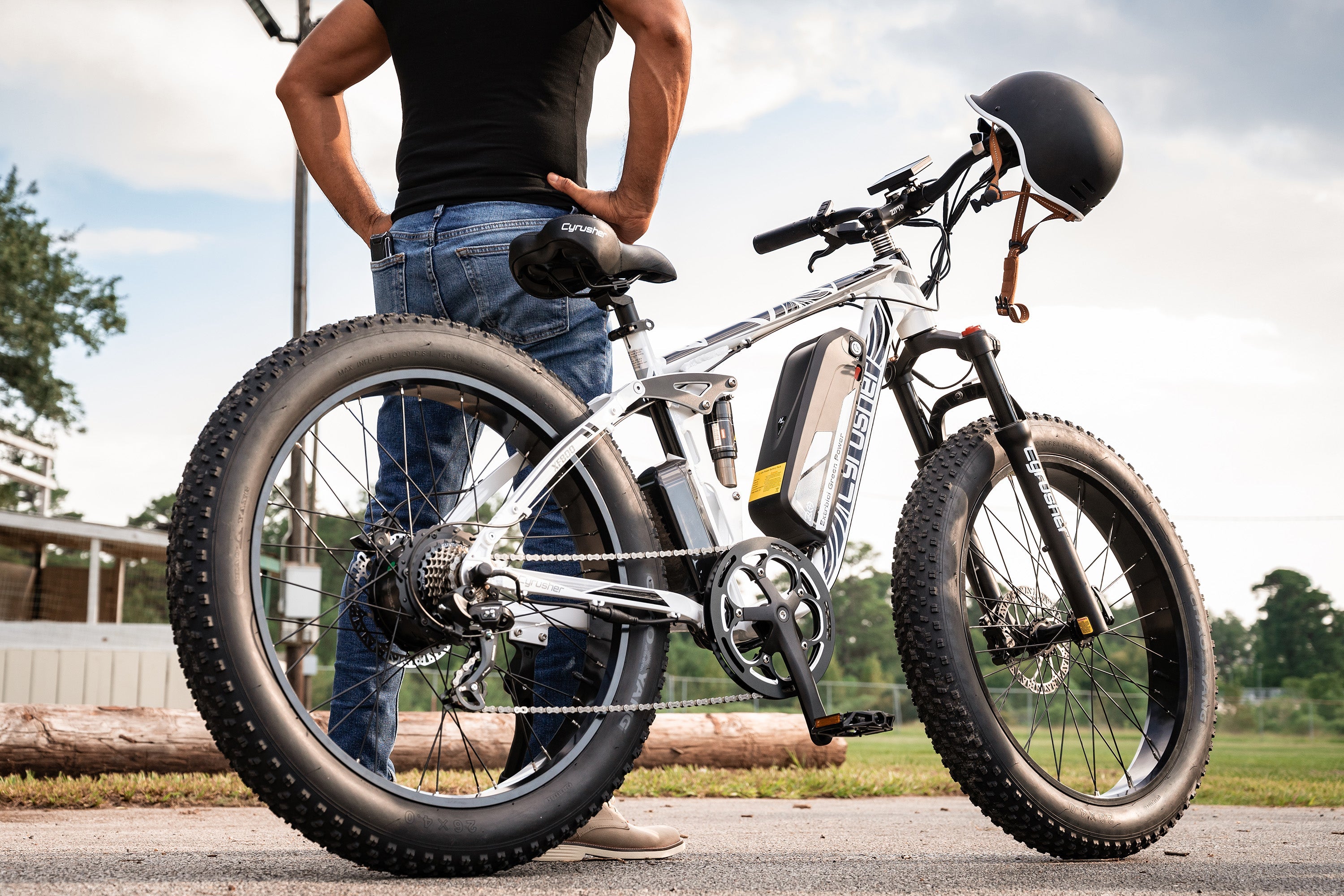
Image Source: www.cyrusher.com
Deciphering E-Bike Battery Lifespan: What to Expect
When you invest in an electric bike, one of the most significant components you’re purchasing is the battery. This powerhouse dictates how far you can travel and how many adventures you can embark on before needing a recharge. But what exactly determines how long an e-bike battery will last? Several factors play a crucial role, from the initial quality of the battery to how it’s treated over time. We’ll delve into the nuances of e-bike battery lifespan and what contributes to the overall electric bicycle battery life.
The Core: Understanding Battery Chemistry
Most modern electric bikes utilize lithium-ion (Li-ion) batteries. These batteries are favored for their high energy density, lighter weight compared to older technologies like lead-acid, and their ability to be recharged many times. However, like all rechargeable batteries, Li-ion batteries also experience e-bike battery degradation over time. This degradation means their ability to hold a full charge gradually diminishes.
Charge Cycles: The Heartbeat of Battery Life
A key metric for rechargeable bicycle battery longevity is the concept of “charge cycles.” A charge cycle is completed each time a battery is fully discharged and then recharged. For a typical Li-ion e-bike battery, you can expect anywhere from 500 to 1,000 full charge cycles before a significant drop in capacity occurs. This doesn’t mean the battery suddenly stops working after 1,000 cycles; rather, its maximum capacity might reduce to around 70-80% of its original state.
Think of it this way: if you charge your e-bike battery fully once a week, it could potentially last you between 9.5 to 19 years based solely on charge cycles. However, this is a simplified view, as other factors significantly influence the actual electric bike battery charge cycles.
Factors Affecting E-Bike Battery Life
The journey to a long-lasting e-bike battery is influenced by a multitude of elements. It’s not just about the chemistry; it’s about how you use, store, and maintain your battery. Here’s a breakdown of the key factors affecting e-bike battery life:
- Riding Style and Terrain: Aggressive riding, frequent acceleration and braking, and tackling steep hills will draw more power from the battery, leading to more frequent recharges and thus, faster depletion of charge cycles. Smoother, more consistent riding on flatter terrain will generally extend battery life.
- Assist Level Usage: Electric bikes offer varying levels of pedal assistance. Using a higher assist level constantly will drain the battery much faster than using a lower setting or relying more on your own pedaling power.
- Environmental Conditions: Extreme temperatures, both hot and cold, can negatively impact battery performance and longevity. Storing or charging your battery in very hot or very cold conditions can accelerate e-bike battery degradation.
- Battery Capacity (Watt-hours – Wh): Larger capacity batteries (measured in Watt-hours) will offer a greater e-bike battery range on a single charge, but this doesn’t directly translate to a longer overall lifespan in terms of years or charge cycles. However, a larger battery might be used less frequently for recharges if its capacity is sufficient for your typical rides, indirectly aiding longevity.
- Battery Management System (BMS): A good quality battery will have a sophisticated Battery Management System (BMS). The BMS protects the battery from overcharging, over-discharging, short circuits, and overheating, all of which are crucial for maintaining rechargeable bicycle battery longevity.
- Charging Habits: How and when you charge your battery can make a difference. Regularly fully draining the battery or consistently keeping it at 100% charge for extended periods can contribute to e-bike battery degradation.
- Battery Age and Storage: Even when not in use, batteries degrade over time. Proper storage – typically in a cool, dry place at around 50-60% charge – is vital for minimizing e-bike battery degradation.
Fathoming E-Bike Battery Range: How Far Can You Go?
The e-bike battery range is the distance an electric bike can travel on a single charge. This is perhaps the most frequently asked question by potential and current e-bike owners. While manufacturers often provide a range estimate, the reality on the road can be quite different due to the very factors we’ve discussed that influence battery life.
What Influences Your E-Bike’s Range?
The e-bike battery range is not a fixed number. It’s a dynamic figure that changes based on how you ride and the conditions you’re in.
- Rider and Cargo Weight: A heavier rider, or a rider carrying significant cargo (like groceries or equipment), will require more power from the motor, thus reducing the e-bike battery range.
- Terrain and Elevation Changes: Riding uphill or through hilly terrain demands substantially more energy than riding on flat ground. Each climb will consume more battery power, shortening the overall distance you can cover.
- Pedal Assist Level: As mentioned earlier, the level of assistance you select directly impacts range. Riding in “eco” or “tour” mode will yield a much longer range than riding in “sport” or “turbo” mode.
- Wind Conditions: Riding into a strong headwind requires the motor to work harder, depleting the battery faster and reducing the e-bike battery range. Riding with a tailwind can have the opposite effect, extending your range.
- Tire Pressure: Properly inflated tires offer less rolling resistance. Underinflated tires make the motor work harder, consuming more battery power and decreasing range.
- Motor Efficiency: Different motor types (hub motors vs. mid-drive motors) and their efficiencies can affect how much energy is used for a given amount of assistance, influencing the e-bike battery range. Mid-drive motors, which leverage the bike’s gears, are often more efficient, especially in varied terrain.
- Battery State of Charge and Health: An older battery with reduced capacity will naturally provide a shorter range than a new battery with full charge capacity.
Typical E-Bike Battery Range Estimates
While it’s impossible to give a single definitive number, here are some general estimations for e-bike battery range:
| Battery Capacity (Wh) | Estimated Range (Miles) |
|---|---|
| 300 Wh | 20 – 40 |
| 400 Wh | 30 – 60 |
| 500 Wh | 40 – 80 |
| 600 Wh | 50 – 100 |
Note: These are estimates and can vary significantly based on the factors listed above.
It’s also worth noting that the electric scooter battery life operates on similar principles, though the battery sizes and motor demands might differ.
Maximizing Your E-Bike Battery’s Longevity: How to Extend E-Bike Battery Life
Fortunately, you aren’t entirely at the mercy of e-bike battery degradation. There are proactive steps you can take to extend e-bike battery life and keep your electric bike performing optimally for years to come.
Smart Charging Practices
- Avoid Deep Discharges: Try not to let your battery completely die regularly. It’s generally better to charge it when it reaches around 20% capacity.
- Don’t Always Charge to 100%: For daily use, charging to 80-90% can reduce stress on the battery and potentially extend its rechargeable bicycle battery longevity. However, for longer rides where you need maximum range, a full charge is advisable.
- Use the Correct Charger: Always use the charger specifically designed for your e-bike battery. Using an incompatible charger can damage the battery and void warranties.
- Charge in Moderate Temperatures: Avoid charging your battery in extreme heat or cold. A comfortable room temperature is ideal.
- Don’t Leave it Plugged In Indefinitely: While most modern chargers have overcharge protection, it’s generally a good practice to unplug the battery once it’s fully charged.
Proper Storage Techniques
- Cool, Dry Place: When storing your e-bike for an extended period (more than a few weeks), store the battery in a cool, dry environment, away from direct sunlight or heat sources.
- Partial Charge for Storage: For long-term storage, aim for a charge level of around 50-60%. This helps to prevent deep discharge and minimize e-bike battery degradation.
- Check Periodically: If storing for many months, check the battery’s charge level every few months and top it up to the recommended storage level if it has dropped significantly.
Everyday Riding Habits
- Gentle Acceleration and Braking: Smoothly accelerate and decelerate to conserve battery power. Avoid sudden, jerky movements.
- Utilize Gears: Use your bike’s gears effectively, especially when climbing hills. This allows the motor to operate more efficiently, improving both range and e-bike battery lifespan.
- Maintain Tire Pressure: Keep your tires properly inflated to reduce rolling resistance.
- Minimize Weight: Carry only what you need to reduce the load on the motor.
Cleaning and Maintenance
- Keep it Clean: A clean battery and connection points ensure efficient power transfer.
- Protect from Moisture: While most e-bike batteries are designed to be weather-resistant, avoid submerging them in water or exposing them to prolonged heavy rain if possible.
When is it Time for E-Bike Battery Replacement?
Even with the best care, all batteries have a finite lifespan. Eventually, you’ll notice a decline in performance that might necessitate an e-bike battery replacement.
Signs Your E-Bike Battery Needs Replacing
- Significantly Reduced Range: If your e-bike’s range has dramatically decreased compared to when it was new, even after a full charge, the battery’s capacity is likely degraded.
- Shorter Run Time: The bike may not last as long on a charge as it used to, even on lower assist levels.
- Inconsistent Power Delivery: You might experience a noticeable drop in power or erratic behavior from the motor, especially under load or on hills.
- Longer Charging Times: While not always a definitive sign, an unusually long time to reach a full charge could indicate a battery issue.
- Physical Damage or Swelling: Any visible damage, such as swelling of the battery pack, cracks, or leaks, is a serious sign that the battery needs immediate replacement for safety reasons.
- Battery Error Codes: Some e-bike systems will display error codes if they detect a battery fault.
- Aging Beyond Expected Lifespan: If your battery is approaching or has exceeded its typical charge cycle count (500-1000 cycles) or age (3-5 years), its performance will naturally decline.
The Cost and Process of E-Bike Battery Replacement
E-bike battery replacement can be a significant expense. Prices can range from a few hundred to over a thousand dollars, depending on the battery’s capacity, brand, and compatibility with your specific e-bike model.
When it’s time for a replacement, it’s crucial to:
- Contact the Manufacturer or Authorized Dealer: The safest and most reliable way to replace your battery is to purchase a genuine replacement from the manufacturer or an authorized dealer. This ensures compatibility and quality.
- Consider Third-Party Options Cautiously: Some aftermarket battery manufacturers offer compatible batteries. Research these options thoroughly, looking for reputable brands with good reviews and warranties, as a poorly made aftermarket battery can damage your e-bike.
- Proper Disposal: Never dispose of old lithium-ion batteries in regular household waste. They are considered hazardous waste. Take them to an electronics recycling center or a designated battery drop-off location. Many e-bike shops also offer battery recycling services.
Conclusion: Nurturing Your E-Bike’s Power Source
The e-bike battery lifespan and e-bike battery range are deeply intertwined with how you use and care for your battery. By employing smart charging habits, practicing proper storage techniques, and adopting mindful riding styles, you can significantly extend e-bike battery life and enjoy your electric bike for many years and miles to come. While e-bike battery degradation is an inevitable process, understanding the contributing factors and taking preventive measures will help you get the most out of your valuable investment.
Frequently Asked Questions (FAQ)
Q1: How many charge cycles can I expect from an e-bike battery?
A1: Most quality lithium-ion e-bike batteries are rated for between 500 to 1,000 full charge cycles before a noticeable decrease in capacity.
Q2: Will extreme temperatures affect my e-bike battery?
A2: Yes, extreme heat and cold can negatively impact both the performance and the long-term lifespan of an e-bike battery. It’s best to charge and store your battery in moderate temperatures.
Q3: Can I use a regular phone charger for my e-bike battery?
A3: No, you should always use the specific charger that came with your e-bike or a manufacturer-approved replacement. Using the wrong charger can damage the battery and pose a safety risk.
Q4: How can I increase the range of my electric bike on a single charge?
A4: To increase your e-bike’s range, try using a lower pedal assist level, maintain proper tire pressure, ride smoothly, avoid frequent stops and starts, and minimize carrying excess weight.
Q5: What should I do with an old e-bike battery?
A5: Old e-bike batteries should never be thrown in the regular trash. They are considered hazardous waste and must be recycled properly at an electronics recycling facility or through an e-bike shop that offers battery recycling services.
Q6: Is it bad to charge my e-bike battery every night?
A6: For most modern e-bike batteries with Battery Management Systems (BMS), charging overnight is generally fine. However, to potentially maximize long-term rechargeable bicycle battery longevity, some experts suggest avoiding leaving it plugged in for excessively long periods after it’s fully charged, and for daily use, charging to around 80-90% can sometimes be beneficial.
Q7: How much does an e-bike battery replacement typically cost?
A7: The cost of an e-bike battery replacement can vary widely, usually ranging from $300 to over $1,000, depending on the battery’s capacity, brand, and compatibility.
Q8: Does riding in the rain affect my e-bike battery lifespan?
A8: While most e-bike batteries are designed to be weather-resistant, prolonged exposure to heavy rain or submersion can potentially affect the battery’s seals and connections over time, indirectly impacting its electric bicycle battery life. It’s best to keep the battery and its connections as dry as possible.
Q9: What is the difference between e-bike battery lifespan and e-bike battery range?
A9: E-bike battery lifespan refers to how long the battery will last in terms of years and charge cycles before its capacity significantly degrades. E-bike battery range, on the other hand, is the distance the e-bike can travel on a single charge. While related (a degraded battery will have a shorter range), they are distinct measures.
Q10: Are there ways to “recondition” an old e-bike battery to restore its capacity?
A10: For lithium-ion batteries, true “reconditioning” to restore significant lost capacity due to age or e-bike battery degradation is generally not possible. While some specialized techniques exist for balancing cells, they won’t reverse wear and tear. If a battery’s capacity is significantly reduced, e-bike battery replacement is usually the only effective solution.