
So, you’re wondering, “How old do I need to be to ride an electric bike?” Generally, there isn’t a universal federal law dictating a minimum age electric bike rider across all situations in the United States, but many states and localities do have regulations. The electric bike age restrictions can vary significantly, often depending on the classification of the e-bike itself. For many common e-bikes, particularly those with pedal assistance and lower speeds, there might not be a strict ebike legal age in many places, but parental supervision is often advised for younger riders.
Electric bikes, or e-bikes, have exploded in popularity. They offer a fantastic way to get around, whether it’s for commuting, recreation, or simply enjoying the outdoors. But as with any vehicle, knowing the rules is important. This guide will delve into the nuances of electric bicycle age requirements, clarify electric bike license age, and explain the general electric bike age laws so you can ride with confidence and compliance. We’ll also touch upon similar rules for electric scooters, as many people wonder about the electric scooter age limit too.
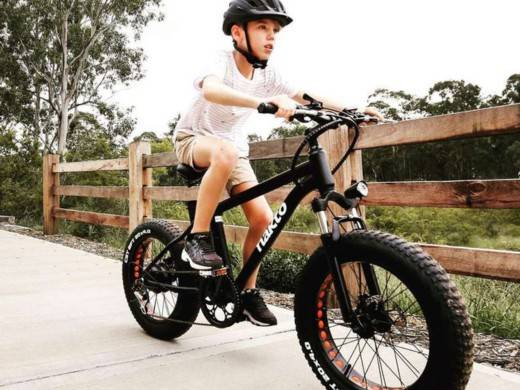
Image Source: nakto.com
Deciphering E-Bike Classifications: The Key to Age Laws
The primary reason for the varied age requirements lies in how e-bikes are classified. Most states have adopted a three-class system, which is crucial for understanding electric bicycle age requirements. This system helps differentiate e-bikes based on their motor power, speed capabilities, and whether they have a throttle.
Class 1 Electric Bikes
- Description: These e-bikes provide assistance only when the rider is pedaling. The motor cuts off once the bike reaches 20 miles per hour (mph).
- Age Implications: Generally, Class 1 e-bikes are treated much like traditional bicycles. In many jurisdictions, this means there’s no specific minimum age electric bike rider. However, local ordinances or trail rules might impose age limits or require adult supervision for younger riders.
Class 2 Electric Bikes
- Description: These e-bikes are equipped with a throttle that can propel the bike forward without pedaling. The motor assistance stops when the bike reaches 20 mph.
- Age Implications: Class 2 e-bikes, due to their throttle-powered capability, often have more specific age restrictions. Many states require riders to be at least 16 years old to operate a Class 2 e-bike. This is a common answer to the question, “Do you need to be 16 for an electric bike?” when it comes to throttle-equipped models.
Class 3 Electric Bikes
- Description: These e-bikes also have pedal assistance and can reach higher speeds, with the motor assisting up to 28 mph. They often have a speedometer.
- Age Implications: Class 3 e-bikes are the fastest and most powerful of the three classes. Consequently, they typically have the strictest age requirements. The age to operate electric bike in this class is commonly set at 16 years or older. In many places, a license or permit might also be required, similar to operating a moped.
State-Specific Age Regulations: A Patchwork of Rules
It’s essential to reiterate that electric bike age laws are primarily determined at the state level, and sometimes even at the city or county level. This creates a patchwork of regulations across the country. What’s legal in one state might be different in another.
Common Age Thresholds
- 16 Years Old: This is a very common ebike legal age for operating Class 2 and Class 3 e-bikes. The reasoning often mirrors regulations for mopeds or other motorized vehicles.
- 14 or 15 Years Old: Some states might allow younger riders, perhaps 14 or 15, to operate Class 2 or Class 3 e-bikes with certain conditions, such as requiring supervision or restricting them to specific paths.
- No Specific Age Limit (for Class 1): For Class 1 e-bikes, which are pedal-assisted only and have lower speed limits, many states have no explicit minimum age electric bike rider. They are often treated as standard bicycles, meaning that if a child can ride a regular bicycle safely, they can likely ride a Class 1 e-bike.
Federal Law and E-bike Age
It’s important to note that federal law (specifically the Consumer Product Safety Act) defines a “low-speed electric bicycle” as having fully operable pedals, an electric motor of less than 750 watts, and a top speed of less than 20 mph. These are generally treated as bicycles, and federal law doesn’t impose age restrictions. However, state and local laws can and do impose their own rules, which are the ones most relevant to riders.
When Do You Need a License or Registration?
For most e-bikes, especially Class 1 and Class 2, you generally do not need a license or registration. This is a significant advantage of e-bikes over mopeds or motorcycles. However, this can change for Class 3 e-bikes in some states.
Class 3 E-bikes and Licensing
In certain states, Class 3 e-bikes, due to their higher speeds, may be treated similarly to motor vehicles. This could mean:
- License Requirements: Some states might require a valid driver’s license or a special permit to operate a Class 3 e-bike.
- Registration: While less common for e-bikes, some jurisdictions might require registration or a license plate, though this is rare.
- Helmet Laws: Even if a license isn’t required, helmet laws might apply, particularly for riders under a certain age.
If you’re considering a Class 3 e-bike, it is absolutely crucial to check the specific laws in your state and local area. The electric bike license age is not a standardized concept across the board.
E-bikes vs. Electric Scooters: Similarities and Differences in Age Rules
The question of how old to ride an electric bike often arises alongside questions about electric scooters. Many of the principles are similar, but there are key differences.
Electric Scooter Age Limits
- General Rule: Similar to e-bikes, electric scooter age limit regulations vary by location. However, for many electric scooters designed for personal mobility, there isn’t always a strict minimum age electric bike rider equivalent.
- Shared Responsibility: Many cities have implemented specific rules for electric scooters on public roads and bike lanes. These often mirror e-bike laws, with a common minimum age electric bike rider for operating them on public streets being 16.
- Rental Scooters: Companies that rent electric scooters often have their own age policies, typically requiring riders to be 18 years or older and to have a valid driver’s license.
- Legal Classification: The way electric scooters are legally classified (e.g., as personal mobility devices, motor vehicles, or simply recreational equipment) heavily influences the age and licensing requirements.
It’s important to remember that while the technology might seem similar, the legal framework for e-bikes and electric scooters can differ. Always verify the specific rules for the device you intend to ride.
Riding on Public Property: Trails, Sidewalks, and Roads
Where you can ride your e-bike also impacts age considerations. The age to operate electric bike can be influenced by the type of terrain or path you’re using.
Bike Paths and Trails
- General Treatment: Many bike paths and trails are open to all types of bicycles, including e-bikes. However, some local park authorities or trail management groups may have specific rules regarding e-bike use, especially for younger riders.
- Class Restrictions: Some trails might only permit Class 1 e-bikes, while prohibiting Class 2 and Class 3 due to speed or throttle operation. This can indirectly affect age, as younger riders might be restricted from using higher-class e-bikes on these trails.
Sidewalks
- Bicycle Laws Apply: In most jurisdictions, e-bikes are treated as bicycles. This means they are generally permitted on sidewalks where regular bicycles are allowed. However, riding on sidewalks is often discouraged due to safety concerns, especially for faster or more powerful e-bikes.
- Age and Sidewalk Riding: For younger riders, the decision to allow them on sidewalks might be at the discretion of parents or guardians, even if legally permitted.
Public Roads
- Following Traffic Laws: When riding on public roads, e-bike riders must adhere to the same traffic laws as traditional cyclists. This includes stopping at stop signs, yielding to pedestrians, and using hand signals.
- Age and Road Use: The ebike legal age becomes particularly important here. If a state requires a rider to be 16 to operate a Class 2 or Class 3 e-bike on the road, then that’s the rule that applies.
Child Electric Bikes: Specific Age Considerations
The market also features “child electric bikes” or smaller, lower-powered e-bikes designed for younger riders. These often fall into a gray area regarding regulations.
What Constitutes a “Child E-bike”?
- Lower Speed and Power: These bikes typically have lower top speeds (often below 10 mph) and less powerful motors.
- Not Always Classified as E-bikes: Some of these smaller electric bikes might not meet the technical definition of an e-bike under state law. They might be classified more like electric scooters or even toys, which can mean different age rules or no specific regulations at all.
- Safety First: Regardless of the legal classification, the child electric bike age recommendation from manufacturers and safety experts should always be followed. Parental supervision is paramount for any child riding an electric-powered bicycle.
Manufacturer Recommendations
Always check the manufacturer’s age recommendations for any e-bike, especially those designed for children. These recommendations are usually based on safety, the bike’s capabilities, and the physical development of a child.
Safety Gear: Helmets and Beyond
Regardless of age or e-bike class, safety should always be the top priority.
Helmet Use
- Legal Requirements: Many states and cities have helmet laws for e-bike riders, especially for those under 18 or those operating Class 2 and Class 3 e-bikes. The electric bicycle age requirements for helmet use can be stricter than for general riding.
- Recommended Practice: Even where not legally mandated, wearing a helmet is strongly recommended for all riders, regardless of age, as it significantly reduces the risk of head injury.
Other Safety Gear
- Lights: Ensure your e-bike has front and rear lights, especially if riding at dawn, dusk, or at night.
- Reflectors: Visibility is key. Make sure your e-bike has reflectors.
- Bell or Horn: A bell or horn can alert pedestrians and other cyclists to your presence.
Resources for Finding Specific Laws
Because electric bike age laws are so varied, it’s crucial to find the most accurate information for your specific location.
Where to Look
- State Department of Motor Vehicles (DMV) or Transportation Department: These agencies often publish guidelines on e-bike regulations.
- Local City or County Clerk’s Office: Municipalities may have their own ordinances regarding e-bike use.
- Reputable E-bike Retailers: Many e-bike shops are knowledgeable about local laws and can provide guidance.
- Online Legal Databases: Websites that aggregate state statutes can be helpful, but always cross-reference with official sources.
Example of State Variations (Hypothetical)
| State | Class 1 E-bike Age | Class 2 E-bike Age | Class 3 E-bike Age | License/Registration Required |
|---|---|---|---|---|
| California | No specific age | 16+ | 16+ | No license/registration |
| Texas | No specific age | 16+ | 16+ | No license/registration |
| New York | No specific age | 16+ | 16+ | No license/registration |
| Florida | No specific age | No specific age | 16+ (for certain paths) | No license/registration |
| Washington | No specific age | 16+ | 16+ | No license/registration |
Disclaimer: This table is for illustrative purposes only and may not reflect current laws. Always verify with official state and local sources.
Frequently Asked Questions (FAQ)
What is the minimum age to ride an electric bike?
The minimum age electric bike rider varies greatly by state and by the classification of the e-bike. For pedal-assist only (Class 1) e-bikes, many places have no specific minimum age, treating them like traditional bicycles. For e-bikes with a throttle (Class 2) or those that go faster (Class 3), the ebike legal age is often 16 years old.
Do I need a license to ride an electric bike?
For most electric bikes (Class 1 and Class 2), you typically do not need a license or registration. Some states may require a license or permit for Class 3 e-bikes due to their higher speeds, similar to mopeds.
Are there age restrictions for electric scooters?
Yes, electric scooter age limit regulations are common. Many cities and states require riders to be at least 16 years old to operate electric scooters on public roads. Rental companies often have an age requirement of 18 years or older.
Can a child ride an electric bike?
While there may not be a specific child electric bike age law in all areas for Class 1 e-bikes, it’s crucial to consider the child’s maturity, physical ability, and adherence to safety rules. Manufacturers often provide age recommendations for their products. For faster or throttle-equipped e-bikes, the electric bike age laws typically require riders to be 16 or older.
What is the electric bike age limit in my state?
Electric bike age restrictions are determined by individual states and local municipalities. To find the exact electric bike age laws applicable to you, you should consult your state’s Department of Motor Vehicles or Transportation Department, or your local city/county government.
Is the age to operate electric bike the same everywhere?
No, the age to operate electric bike is not the same everywhere. Regulations vary significantly from state to state and even city to city. It’s essential to research the specific laws where you plan to ride.
What are the electric bicycle age requirements for different classes?
Generally, Class 1 e-bikes have fewer age restrictions, often treated like traditional bicycles. Class 2 and Class 3 e-bikes, due to their throttle capability or higher speeds, commonly have an ebike legal age of 16 years old, and sometimes require a license or permit in certain states.
In conclusion, while the appeal of electric bikes is undeniable for all ages, staying informed about the electric bike age laws in your area is paramount. By understanding the classifications and the varying regulations, you can ensure a safe, legal, and enjoyable riding experience for everyone. Always prioritize safety, wear a helmet, and respect local ordinances.