
A Tour de France bicycle weight typically hovers around the UCI’s minimum limit of 6.8 kilograms (14.99 pounds). Can you buy a Tour de France bike? Yes, many of the bikes ridden by professional cyclists are available to the public, though they come with a significant price tag. Who makes these incredible machines? Leading manufacturers like Specialized, Trek, Pinarello, and Giant are prominent players in the pro peloton, each with their own innovations.
The quest for the perfect Tour de France bicycle weight is a constant pursuit for professional cycling teams and their sponsors. Every gram shaved off a bike can translate into a tiny advantage on the road, a difference that might decide a stage win or even the entire race. But how light can these machines actually be, and what goes into achieving that low pro cycling bike weight?
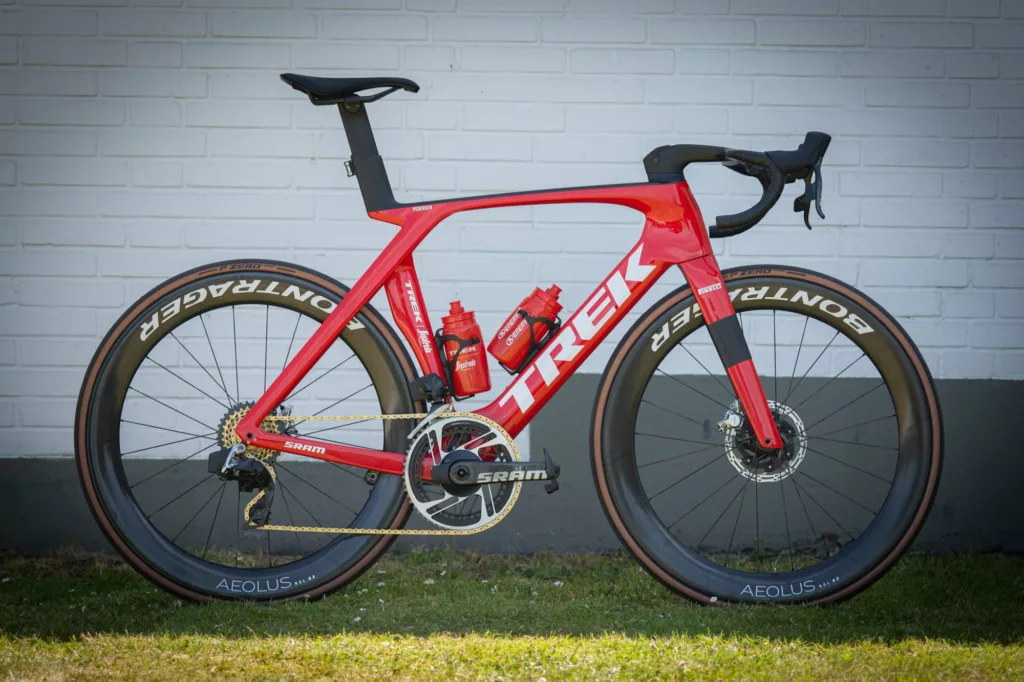
Image Source: procyclinguk.com
The UCI’s Weight Limit: A Crucial Benchmark
The Union Cycliste Internationale (UCI), the world governing body for sports cycling, has established a critical rule regarding bicycle weight. This rule, often referred to as the UCI bike weight limit, dictates that a bicycle used in UCI-sanctioned events, including the Tour de France, must weigh a minimum of 6.8 kilograms (14.99 pounds).
This rule was introduced to ensure a level playing field and to prevent a “weight war” where manufacturers might compromise structural integrity or safety in the relentless pursuit of the absolute lightest bike. It also aims to maintain a degree of accessibility, preventing the sport from becoming solely reliant on the most expensive, ultra-lightweight technology.
Why the 6.8kg Minimum?
- Safety: Extremely lightweight bikes can sometimes be less robust. The UCI rule ensures that bikes are built with sufficient structural integrity to withstand the rigors of professional racing, including impacts and stresses.
- Fairness: Without a minimum weight, teams with larger budgets could develop extremely exotic and prohibitively expensive bikes that might offer an unfair advantage. The limit helps to standardize the equipment to some extent.
- Spectacle: The UCI also considers the visual aspect of the sport. A minimum weight helps maintain a certain aesthetic and ensures that the bicycles are recognizable as bicycles, rather than highly specialized, near-limitations devices.
The Average Tour de France Bike Mass
While the UCI sets a minimum, the reality is that most professional road bikes in the Tour de France are built to be as close to this limit as possible without going under. Therefore, the average Tour de France bike mass is remarkably consistent, typically falling between 6.8 kg and 7.0 kg.
It’s an interesting paradox: manufacturers strive to make their bikes as light as possible, but the UCI rule forces them to add a small amount of weight if their creations dip below the 6.8kg threshold. This might involve using slightly heavier, but stronger, components or even adding small weights to specific areas of the frame.
Factors Influencing Actual Weight
Even within teams, there can be slight variations in bike weight due to:
- Component Choices: Different riders may opt for slightly different gear ratios, saddle choices, or handlebar widths, all of which can add or subtract a few grams.
- Frame Size: Larger frames naturally weigh more than smaller frames.
- Tire and Wheel Choices: While teams often standardize on specific wheelsets for aerodynamic performance, tire choices and sealant can also contribute to weight differences.
- Bottle Cages and Water Bottles: The weight of the water bottles themselves and the cages holding them can add a few hundred grams.
The Pursuit of Lightweight Cycling Frames
The foundation of any high-performance road bike is its frame. In the context of lightweight cycling frames, manufacturers are constantly innovating with materials and designs.
Carbon Fiber: The Reigning Champion
The overwhelming material of choice for lightweight cycling frames in professional cycling is carbon fiber. Carbon fiber offers an incredible strength-to-weight ratio, allowing engineers to create frames that are both exceptionally light and incredibly stiff.
- Advanced Layups: Manufacturers use sophisticated computer modeling to determine the optimal placement and orientation of carbon fiber plies. This allows them to reinforce high-stress areas while keeping weight down in others.
- Aerodynamic Integration: Modern frames are not just about straight-line stiffness; they also incorporate aerodynamic shaping. This means that even the lightest frames are often sculpted to cut through the wind, leading to the concept of aerodynamic bike weight.
Other Materials (and why they’re less common now)
While carbon fiber dominates, it’s worth noting other materials that have been used in cycling history:
- Aluminum: Lighter and cheaper than steel, aluminum became popular for its stiffness. However, it generally lacks the vibration-dampening qualities and ultimate lightness of carbon fiber.
- Titanium: Known for its durability, corrosion resistance, and smooth ride quality, titanium frames can be relatively light. However, they are typically more expensive to manufacture and often don’t reach the same low weights as high-end carbon frames.
- Steel: The traditional material for bicycles, steel can be built into strong and comfortable frames. However, achieving the same level of lightness as carbon fiber with steel is practically impossible.
Components: The Sum of Many Parts
The frame is crucial, but the other components on a professional road bike also play a significant role in reaching that target weight. Every part is scrutinized for its weight-to-performance ratio.
Groupsets: The Drivetrain and Brakes
Modern electronic groupsets (like Shimano Dura-Ace Di2, SRAM Red eTap AXS, and Campagnolo Super Record EPS) are meticulously engineered for lightness and precision.
- Materials: High-end components utilize lightweight alloys and carbon fiber for cranksets, derailleurs, shifters, and brake levers.
- Cranksets: Often featuring hollow-forged crank arms and lightweight chainrings, these are critical for saving grams.
- Brakes: While disc brakes are now prevalent for their stopping power and consistency, teams often choose the lightest available disc brake calipers and rotors to minimize any weight penalty compared to rim brakes.
Wheels and Tires: Spinning Light
The wheels and tires are often considered the “engine” of a bike because their rotational weight has a significant impact on acceleration and handling.
- Carbon Fiber Rims: Lightweight carbon fiber rims are standard. The depth of the rim also plays a role; shallower rims are typically lighter, while deeper rims offer aerodynamic advantages.
- Hubs: High-end hubs use lightweight alloys and often feature ceramic bearings for reduced friction.
- Tires: Professional teams often use tubular tires, which are glued onto the rim. These can be lighter than clincher tires and offer a more supple ride. The specific tire compound and casing also influence weight and performance.
Cockpit: Handlebars, Stem, and Seatpost
The “cockpit” components are another area where grams are meticulously saved.
- Handlebars and Stems: Often made from carbon fiber, these components are designed to be stiff for efficient power transfer while remaining lightweight. Integrated bar-and-stem units are common for aerodynamic benefits and a cleaner look.
- Seatposts: Carbon fiber seatposts are standard for their vibration-damping properties and low weight.
Saddle and Pedals
Even the smallest components are considered:
- Saddles: High-end saddles feature carbon rails and lightweight composite shells.
- Pedals: Lightweight pedals with carbon fiber bodies and titanium spindles are a common choice.
Are Tour de France Bikes the Lightest Tour de France Bikes?
Yes, the bikes ridden by riders in the Tour de France are designed to be among the lightest Tour de France bikes possible, while strictly adhering to the UCI’s 6.8kg minimum. This means that while individual components might be chosen for their absolute lowest weight, the overall bike will be brought up to or just over the UCI limit.
Teams and manufacturers are so precise that they will often use small, strategically placed weights to bring a bike that is slightly under the limit up to the required 6.8kg. This ensures compliance and prevents any potential penalties.
Aerodynamic Bike Weight: A Balancing Act
In modern road cycling, the concept of aerodynamic bike weight has become increasingly important. It’s not just about being light; it’s about being efficiently light.
The Aerodynamics Factor
Teams and manufacturers understand that aerodynamic drag can have a much greater impact on a rider’s speed than a few extra grams of weight, especially on flatter stages or during time trials. This leads to a constant balancing act:
- Frame Design: Frames are shaped with airfoil profiles and integrated components to reduce wind resistance. This often means that frames might be slightly heavier than a purely round-tubed, ultralight design, but the aerodynamic gains outweigh the weight penalty.
- Wheel Depth: Deeper section wheels are generally more aerodynamic but can be heavier and more susceptible to crosswinds. Teams will choose wheel depths based on the stage profile and expected wind conditions.
- Component Integration: Cables are often routed internally, and components like stems and handlebars are integrated to create a smoother, more aerodynamic front end.
The UCI’s 6.8kg rule, in a way, has helped foster this shift towards aerodynamics. With a minimum weight to meet, manufacturers are incentivized to put that weight allowance into design features that improve speed, such as aerodynamic tube shapes, rather than just using the absolute lightest materials possible.
Grand Tour Bike Construction: Precision and Performance
The process of building a Grand Tour bike construction is a testament to meticulous engineering and a deep understanding of the demands of professional racing.
Team Workshops: A Hub of Innovation
Each professional cycling team has its own workshop, staffed by expert mechanics. These workshops are where the magic happens, from initial bike builds to ongoing maintenance and adjustments.
- Customization: Bikes are often custom-fitted to each rider, considering their unique biomechanics and preferences.
- Component Selection: Mechanics work closely with sponsors to select the optimal components for each race and each rider.
- Weight Checks: Every bike is weighed before and after each stage to ensure it meets UCI regulations and to track any changes.
The Role of Sponsors
Bike manufacturers and component brands are major sponsors of professional cycling teams. This sponsorship drives innovation, as brands use the Tour de France as a testing ground for their latest technologies. The resulting professional road bike specifications are often cutting-edge and represent the pinnacle of cycling technology.
Road Bike Weight for Racing: What the Amateur Can Expect
While professional Tour de France bikes are incredibly advanced, the concept of road bike weight for racing is also relevant to amateur cyclists.
The Ambitious Amateur
Many serious amateur cyclists aspire to own bikes that are similar to those ridden by professionals. However, it’s important to note that:
- Cost: Professional-level bikes can cost tens of thousands of dollars.
- Maintenance: They require a high level of mechanical expertise to maintain.
- Durability: While strong, they are designed for peak performance and may not be as durable for everyday riding as a more robust bike.
Practical Weight Considerations for Amateurs
For most amateur racers, a road bike in the 7-9 kg (15-20 pound) range is considered excellent. Achieving a weight much lower than this often involves compromises in durability, comfort, or cost that may not be practical for non-professional use.
Frequently Asked Questions (FAQ)
Q1: Is it possible to buy the exact bike a Tour de France rider uses?
A1: Yes, for the most part. Manufacturers offer “replica” or “pro-level” versions of the bikes ridden in the Tour de France. However, these might have slight component differences, and the absolute custom touches or proprietary technologies used by the team may not be available to the public.
Q2: Why don’t Tour de France bikes weigh less than 6.8 kg?
A2: The UCI has a minimum weight limit of 6.8 kg for bicycles in competition. If a bike is built to be lighter than this, teams are required to add weight to meet the regulation. This ensures a more level playing field and promotes safety.
Q3: What are the most expensive components on a Tour de France bike?
A3: Generally, the frame, the wheelset, and the electronic groupset (drivetrain and brakes) are the most expensive components. High-end carbon fiber frames, lightweight carbon wheelsets, and top-tier electronic groupsets can each cost several thousand dollars.
Q4: Are all riders on the same brand of bike?
A4: No, each team has specific sponsors. While one team might ride Specialized bikes, another might ride Trek, Pinarello, or another manufacturer. Within a team, riders might have some choices regarding specific components or setup, but they will all be on bikes from their team’s sponsor.
Q5: What about disc brakes vs. rim brakes in the Tour de France?
A5: Disc brakes have become the dominant choice in the Tour de France due to their superior stopping power and consistency, especially in wet conditions. While they might have historically added a slight weight penalty compared to the lightest rim brakes, modern disc brake systems are very lightweight, and the performance benefits are generally considered to outweigh the minimal weight difference.
Q6: How does a rider choose between different bike models within a team?
A6: Teams often have different bike models available, typically an aero bike and a lightweight climbing bike. Riders will choose which bike to use based on the stage profile. For flatter or rolling stages with significant chances of sprints, an aero bike might be preferred. For mountainous stages, a lighter climbing-specific bike would be the choice. Some teams also offer all-around bikes that aim to balance aerodynamics and weight.