
Ever strummed your guitar and felt like something was just… off? Maybe the sound wasn’t as bright as you hoped, or perhaps your fingers felt a little sore after a long practice session. If you’ve ever wondered why your acoustic guitar doesn’t sound quite like you imagine, the answer might be simpler than you think. It’s all about the strings!
Choosing the right acoustic guitar strings can feel like navigating a maze. There are so many kinds: different materials, thicknesses, and brands. It’s easy to get confused, and picking the wrong ones can lead to frustration, a less-than-ideal sound, and even discomfort while playing. But don’t worry, finding the perfect set doesn’t have to be a chore.
In this post, we’re going to unlock the secrets of acoustic guitar strings. We’ll break down what makes each type special and how they affect your playing and your sound. By the time you finish reading, you’ll feel confident in choosing strings that make your guitar sing and your playing feel effortless. Get ready to discover the strings that will take your music to the next level!
Our Top 5 Acoustic Guitar Strings Recommendations at a Glance
Top 5 Acoustic Guitar Strings Detailed Reviews
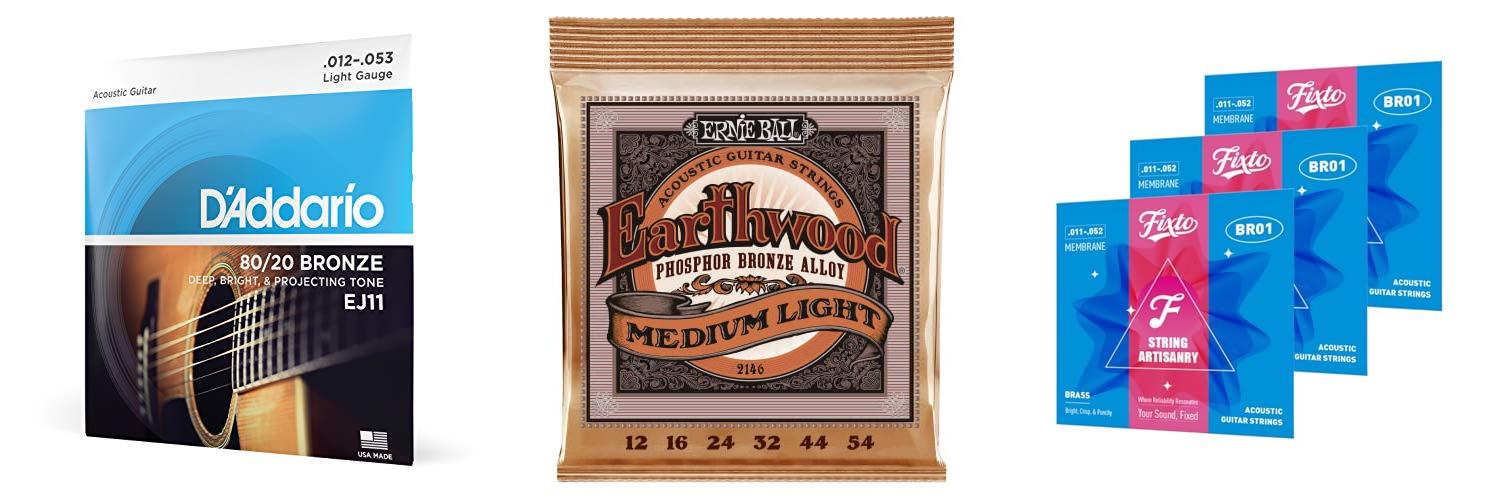
1. D’Addario Acoustic Guitar Strings

Rating: 9.4/10
Unlock your guitar’s true voice with D’Addario EJ11 80/20 Bronze acoustic guitar strings. This 6-string set, in a light gauge of 12-53, delivers a classic sound that has inspired musicians for decades. They are crafted with precision, giving you a reliable and vibrant tone for any playing style.
What We Like:
- PRECISION WOUND: These strings feature a strong hexagonal high carbon steel core. This makes them super durable.
- BOLD, BRIGHT SOUND: The 80/20 Bronze wrap wire gives your guitar a loud, clear sound. It projects wonderfully, filling any space with music.
- THE ORIGINAL ACOUSTIC STRING: D’Addario 80/20 Bronze strings have a rich history. John D’Addario Sr. and John D’Angelico created them back in the 1930s.
- EARN REWARD POINTS: You can get points for your purchases! Just find the code on the recyclable bag and register it.
- MADE IN THE USA: These strings are proudly made in the USA. D’Addario makes them in their New York factory to their high standards.
What Could Be Improved:
- For beginners, the light gauge might feel a little different at first.
- The bright tone might not be everyone’s favorite for certain music styles.
These D’Addario EJ11 strings are a fantastic choice for any acoustic guitarist looking for a brilliant and classic sound. They offer a great playing experience and a tone that truly shines.
2. Ernie Ball Earthwood Medium Light Phosphor Bronze Acoustic Guitar Strings

Rating: 8.8/10
Upgrade your acoustic guitar’s sound with Ernie Ball Earthwood Medium Light Phosphor Bronze strings. These strings give your guitar a warm, full sound that projects nicely. They are a popular choice for many guitarists because they feel just right under your fingers.
What We Like:
- They create a warm, rich tone that sounds great.
- Your music will have excellent projection, meaning it will be heard clearly.
- The strings offer great clarity, so each note stands out.
- The medium light gauge (12-54) is the most liked by players.
- They are made with the freshest, best materials right in California, USA.
- The Element Shield Packaging keeps the strings fresh and ready to play for a long time.
What Could Be Improved:
- While phosphor bronze offers a warm tone, some players might prefer the brighter sound of other materials.
- For very light playing styles, some might find them slightly heavier than extra-light strings.
These Ernie Ball Earthwood strings offer a fantastic balance of tone and playability for most acoustic guitarists. They are a solid choice for anyone looking to enhance their instrument’s voice.
3. FIXTO – Acoustic Guitar strings – 3 Packs of Brass Acoustic strings (High G 3rd – BR01)

Rating: 8.8/10
Get ready to make beautiful music with the FIXTO – Acoustic Guitar strings – 3 Packs of Brass Acoustic strings (High G 3rd – BR01). These strings are built to last and sound amazing. They are perfect for anyone who loves to play guitar, whether you’re just starting out or you’ve been playing for years. The special design helps your guitar sound its best and makes playing more comfortable.
What We Like:
- The inside of the strings is made with strong steel. This makes them stay in tune better and last longer. They are great for playing hard and bending strings.
- They sound clear and nice, not too sharp. They are good for playing songs and singing along, or for playing with your fingers.
- A special coating keeps sweat and wetness from hurting the strings. This means they sound good for a longer time, and you won’t have to change them as often.
- The brass outside is smooth. It feels good on your fingers, even when you practice for a long time. Both new and experienced players will find them easy to use.
- The sound is balanced. Whether you are recording or playing on a stage, the strings keep their clear sound and can handle different volumes. They work well in many places.
What Could Be Improved:
- While the nano-coating is great, some players might prefer a slightly brighter, un-coated tone for certain styles.
- The “High G 3rd” might be a specific gauge that not all players immediately understand without further explanation.
These FIXTO acoustic guitar strings offer a great combination of durability, comfortable playability, and a pleasing tone. They are a solid choice for guitarists looking to enhance their playing experience.
4. Elixir Strings

Rating: 8.8/10
Meet the Elixir Strings, Acoustic Guitar Strings, 80/20 Bronze with NANOWEB Coating, Light 12-53. These strings are designed to give your acoustic guitar a bright, focused sound that lasts a long time. They also feel smooth and comfortable under your fingers, making playing a real joy.
What We Like:
- The NANOWEB Coating keeps your strings sounding fresh and new for much longer than others.
- You get a bright, clear tone that really cuts through, making your guitar sound its best.
- The strings feel super smooth, which makes playing for hours a lot more comfortable.
- They resist rust and sweat, so you don’t have to worry about them getting yucky.
- Made right here in the USA with high-quality materials.
What Could Be Improved:
- For some players, the initial cost might seem a bit higher than non-coated strings.
These Elixir Strings offer a fantastic balance of tone, feel, and longevity. They are a solid choice for any acoustic guitarist looking to upgrade their sound and playing experience.
5. Ernie Ball Earthwood Medium Light 80/20 Bronze Acoustic Guitar Strings

Rating: 9.2/10
The Ernie Ball Earthwood Medium Light 80/20 Bronze Acoustic Guitar Strings, 12-54 Gauge (P02003) deliver a vibrant and clear sound for your acoustic guitar. This set features the popular medium-light gauge, making them comfortable to play for many guitarists. They produce a bright, balanced tone with excellent projection, allowing every note to ring out with clarity.
What We Like:
- Bright, balanced tone that really sings.
- Excellent projection and clarity for clear notes.
- Medium Light gauge is easy to play and very popular.
- Strings stay fresh thanks to Element Shield Packaging.
- Made in the USA with great materials.
What Could Be Improved:
- Some players might prefer a different tonal character.
- While durable, they may not last as long as coated strings for heavy players.
These Ernie Ball Earthwood strings are a fantastic choice for any acoustic guitarist looking for a lively and responsive sound. They offer a great balance of playability and tone.
The Ultimate Buying Guide: Finding Your Perfect Acoustic Guitar Strings
Choosing the right acoustic guitar strings can make a huge difference in how your guitar sounds and feels. It’s like picking the right shoes for a run – the right ones help you play better and feel more comfortable. This guide will help you understand what to look for.
Key Features to Look For
1. String Gauge (Thickness)
Strings come in different thicknesses, called gauges. Thicker strings (heavy gauge) produce a louder, fuller sound. They can be a bit harder to press down, though. Thinner strings (light gauge) are easier to play, especially for beginners. They have a brighter sound but are not as loud.
- Extra Light: Easiest to play, brightest sound.
- Light: Good for beginners, still easy to play.
- Medium: Balanced sound and playability.
- Heavy: Loudest sound, fullest tone, harder to play.
2. String Material
The materials strings are made of greatly affect their tone and how long they last. The core of the string is usually steel. The winding material is what you touch and hear the most.
3. String Coating
Some strings have a thin coating. This coating helps them last longer by protecting them from dirt and sweat. Coated strings often have a smoother feel. They can sometimes sound a little less bright than uncoated strings at first.
Important Materials
1. Bronze
This is a very common material for acoustic guitar strings. It’s an alloy of copper and tin. Bronze strings give a warm, bright, and clear sound. They are a great all-around choice.
2. Phosphor Bronze
These strings are made with phosphor bronze. They have a richer, warmer tone than regular bronze. They also tend to last a bit longer and resist corrosion better. Many players love the full sound of phosphor bronze.
3. Silk & Steel
These strings have a steel core wrapped with silk. They produce a very mellow, soft sound. They are easier on your fingers and are often used for fingerstyle playing or for guitars with a lighter build.
4. Nickel
While more common on electric guitars, some acoustic strings use nickel. They offer a warmer, more vintage tone. They aren’t as bright as bronze strings.
Factors That Improve or Reduce Quality
1. Manufacturing Precision
High-quality strings are made with great care. The windings are even and smooth. This evenness helps the string vibrate clearly. Poorly made strings can sound “dead” or buzz.
2. Material Purity
Using pure metals for the windings and a strong core material makes a difference. Better materials resist breaking and corrosion. They also hold their tune better.
3. Freshness
Guitar strings can lose their sound quality over time, even in the package. Always buy from reputable stores that have good stock turnover. Old strings sound dull and break more easily.
User Experience and Use Cases
1. Beginners
Beginners usually find light or extra-light gauge strings the easiest to play. Silk & steel strings are also a good option because they are very gentle on fingertips. These strings help new players build finger strength and confidence.
2. Fingerstyle Players
Many fingerstyle players prefer lighter gauge strings or silk & steel strings. These allow for more nuanced playing and a softer touch. Phosphor bronze is also popular for its rich tone.
3. Strummers
Strummers often like medium or heavy gauge strings. These provide more volume and a fuller sound when strumming chords. Bronze and phosphor bronze are excellent choices for a bright, projecting tone.
4. Recording and Performance
For recording, clear and consistent tone is key. Phosphor bronze strings are often favored for their balanced sound. For live performance, durability and volume are important. Coated strings can offer longer life and consistent sound through many gigs.
Frequently Asked Questions (FAQ)
Q: What is the most common type of acoustic guitar string?
A: Bronze and phosphor bronze strings are the most common. They offer a good balance of tone, playability, and durability for many guitarists.
Q: Are coated strings worth the extra cost?
A: Coated strings can last much longer than uncoated strings. If you play a lot or don’t like changing strings often, they are often worth the extra money. They also feel smoother to some players.
Q: How often should I change my acoustic guitar strings?
A: It depends on how much you play and how much you sweat. A good rule of thumb is every 1-3 months for regular players. If your strings sound dull, are hard to tune, or have visible corrosion, it’s time for a change.
Q: Can I use electric guitar strings on an acoustic guitar?
A: It’s not recommended. Acoustic guitar strings are built to be much stronger and thicker to produce the needed volume. Electric guitar strings will sound weak and might break easily on an acoustic.
Q: What are “extra light” gauge strings?
A: Extra light gauge strings are the thinnest available. They are the easiest to press down, making them great for beginners or players with hand pain. They produce a bright sound.
Q: Do string materials affect tuning stability?
A: Yes, the quality of the materials and how the strings are manufactured can affect tuning stability. Higher-quality strings with good materials and construction will hold their tune better.
Q: What is the difference between bronze and phosphor bronze?
A: Phosphor bronze strings have a bit of phosphorus added to the bronze alloy. This gives them a warmer, richer tone and makes them last longer than regular bronze strings.
Q: How do I know if my strings are old?
A: Old strings sound dull and lack brightness. You might also see signs of rust or corrosion on them. They might also feel rough or dirty.
Q: Are silk and steel strings good for beginners?
A: Yes, silk and steel strings are excellent for beginners. They are very soft on the fingers and produce a mellow sound, making it easier to practice for longer periods.
Q: Can string gauge affect my guitar’s sound?
A: Absolutely. Thicker strings (heavy gauge) produce a louder, fuller sound with more sustain. Thinner strings (light gauge) are brighter and easier to play, but not as loud.
In conclusion, every product has unique features and benefits. We hope this review helps you decide if it meets your needs. An informed choice ensures the best experience.
If you have any questions or feedback, please share them in the comments. Your input helps everyone. Thank you for reading.