
Imagine the rich, resonant sound of a guitar filling a room. That beautiful music often starts with something small but mighty: acoustic steel strings. But if you’re a guitarist, you know that picking the *right* strings can feel like navigating a maze. There are so many brands, thicknesses, and materials! It’s easy to get lost, and the wrong strings can make even a great guitar sound dull or feel uncomfortable to play.
This confusion is a common problem for guitarists, from beginners just starting out to seasoned players looking for that perfect tone. You want strings that sing, that feel good under your fingers, and that last a long time. But how do you find them? That’s where this guide comes in.
By the time you finish reading, you’ll understand the key things that make acoustic steel strings different. We’ll break down what matters most, so you can stop guessing and start playing with strings that truly enhance your music. Get ready to discover how the right strings can unlock a whole new level of sound and playability for your acoustic guitar.
Our Top 5 Acoustic Steel Strings Recommendations at a Glance
Top 5 Acoustic Steel Strings Detailed Reviews
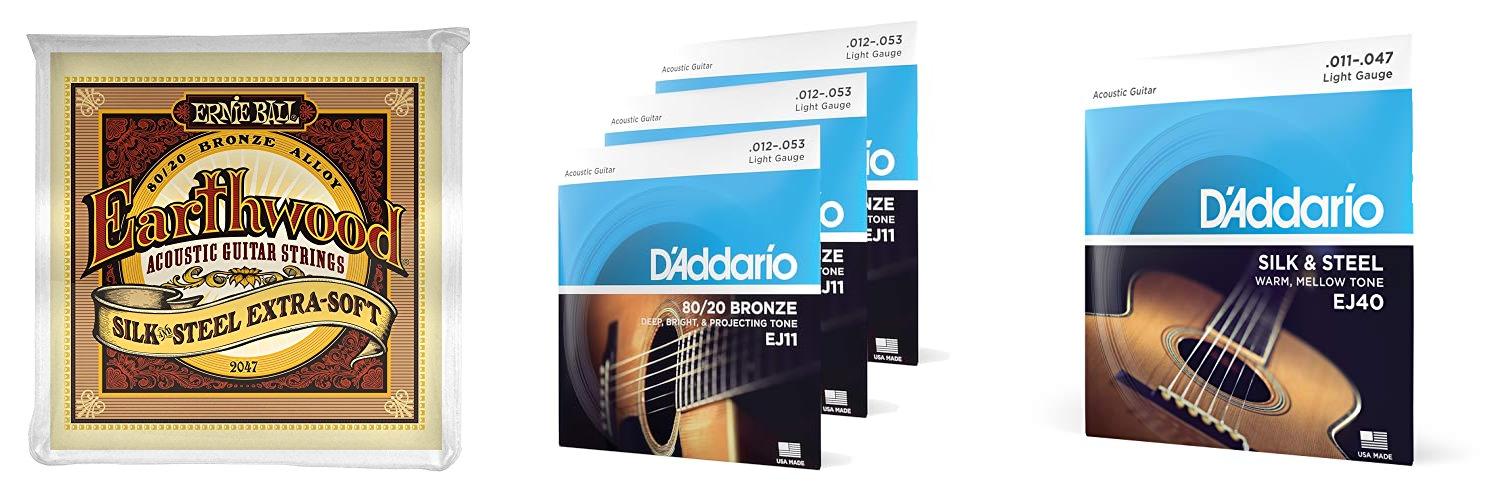
1. Ernie Ball Earthwood Silk and Steel Extra-Soft Acoustic Guitar Strings

Rating: 9.0/10
Ernie Ball Earthwood Silk and Steel Extra-Soft Acoustic Guitar Strings are designed to give your acoustic guitar a wonderfully warm and gentle sound. These strings feel super comfortable on your fingers, making them a joy to play, especially for longer sessions. They are a fantastic choice for players who want a softer touch and a mellow tone without sacrificing quality.
What We Like:
- These strings create a warm, mellow sound that’s really pleasing to the ear.
- The silk wrap makes them incredibly soft and easy on your fingertips.
- They combine the bright sound of bronze with a subtle silk touch.
- Made in the USA with high-quality materials, you know you’re getting the best.
- The 10-50 gauge is a popular choice for a balanced feel and tone.
What Could Be Improved:
- The extra-soft nature might not be ideal for players who prefer a very bright and loud sound.
- Some players might find the mellow tone less suited for aggressive strumming styles.
If you’re looking for a comfortable playing experience and a sweet, warm tone from your acoustic guitar, these Ernie Ball Earthwood Silk and Steel strings are an excellent option. They truly deliver on their promise of a softer touch and a beautiful, mellow sound.
2. D’Addario Acoustic Guitar Strings

Rating: 8.9/10
Unleash your guitar’s full potential with D’Addario Acoustic Guitar Strings, 80/20 Bronze, EJ11-3D, Light Gauge 12-53. This 6-string set, conveniently packed as a 3-pack, brings a classic, vibrant sound to your instrument. These strings are crafted for players who want a clear, ringing tone that projects beautifully.
-
What We Like:
- The precision winding over a high-carbon steel core creates a strong and reliable string.
- You’ll get a bold, bright sound that really stands out, perfect for any musical style.
- These strings are the original acoustic string design, a nod to guitar history.
- You can earn reward points for your purchases, which is a nice bonus.
- They are proudly made in the USA, ensuring high quality.
- The light gauge (12-53) makes them easier to play, especially for beginners or those with lighter playing styles.
- You get three sets in one pack, offering great value.
-
What Could Be Improved:
- Some players might prefer a heavier gauge for more warmth or sustain, but this is a matter of personal preference.
- While the 80/20 bronze offers brightness, players seeking a warmer, mellower tone might look at other D’Addario options.
For guitarists seeking that classic, bright acoustic tone and a comfortable playing experience, this D’Addario 3-pack is an excellent choice. You get quality, value, and a sound that will inspire your playing.
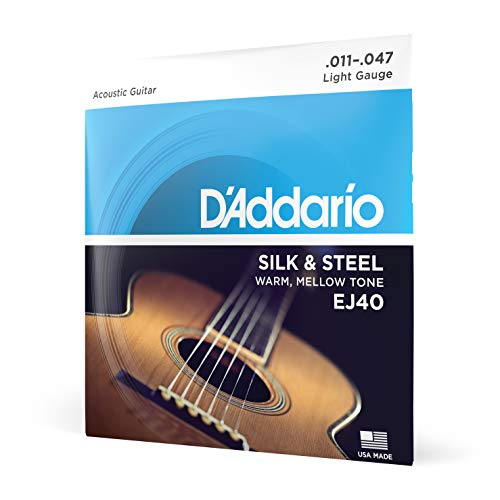
3. D’Addario Silk & Steel Acoustic Guitar Strings – EJ40-6 String – Warm
Rating: 8.8/10
Are you searching for a guitar string that brings out the warmest, softest sound from your acoustic guitar? The D’Addario Silk & Steel Acoustic Guitar Strings – EJ40-6 String – Warm, Mellow Tone – Light, 11-47 might be exactly what you need. These strings are designed to give your playing a gentle, pleasant tone, perfect for relaxing music sessions.
What We Like:
- They create a wonderfully warm and mellow sound.
- The low tension makes them easy on your fingers, reducing noise when you play.
- These strings are ideal for fingerstyle playing.
- Their design gives your guitar a vintage acoustic feel.
- They are made with silver-plated copper windings and a silk and steel core.
- This combination makes them especially good for parlor guitars and older instruments.
- D’Addario makes strings for all kinds of music and players, from beginners to pros.
- They also offer many other guitar accessories to help you play better.
- These strings are proudly made in the USA.
What Could Be Improved:
- Some players might prefer a brighter, louder tone.
- The mellow sound might not be the best fit for very aggressive music styles.
If you love a soft, sweet sound from your acoustic guitar, these D’Addario Silk & Steel strings are a fantastic choice. They help you sound your best and feel comfortable while playing.
4. Ernie Ball Earthwood Extra Light 80/20 Bronze Acoustic Guitar Strings

Rating: 8.7/10
If you’re looking for acoustic guitar strings that feel easy to play and sound great, Ernie Ball Earthwood Extra Light 80/20 Bronze Acoustic Guitar Strings (P02006) are a fantastic option. These strings offer a bright and clear sound that projects well, making your guitar sing. The extra light gauge means less pressure on your fingers, which is a big help for beginners or anyone who wants to play for longer without getting tired.
What We Like:
- They deliver a bright and balanced tone that really cuts through.
- The extra light 10-50 gauge makes bending strings and playing chords much easier.
- The 80/20 bronze wrap on a high-carbon steel core gives a clear, crisp sound.
- The Element Shield Packaging keeps them fresh and ready to go.
- They are made in California, USA, with good quality materials.
What Could Be Improved:
- Some players might find the extra light gauge too thin for very aggressive strumming.
- While the tone is bright, some players prefer a warmer sound that other string types might offer.
These Ernie Ball Earthwood strings are a solid choice for players seeking comfort and a lively sound. They make playing more enjoyable and help your guitar sound its best.
5. Martin Authentic Acoustic Guitar Strings

Rating: 9.1/10
Unleash your guitar’s true potential with Martin Authentic Acoustic Guitar Strings, Superior Performance Custom 11.5-47, Silk & HT Steel. These strings offer a brilliant sound and smooth playing experience, making them a top choice for serious musicians. They are built to last through many jams and performances.
What We Like:
- BRIGHT TONES: These strings give your guitar a clear, rich sound. They help your guitar stay in tune better. You’ll hear your guitar’s unique voice like never before.
- SUPERIOR STRINGS: They are made tough for lots of playing and practicing. The silk and steel design makes them strong and resistant to rust. They keep their tune really well.
- VERSATILE STRING SOUNDS: You get a steady, true sound no matter how you play. They work great for fingerpicking or flat picking. Play any style of music, from country to rock.
- CUSTOM-GAUGE ACOUSTIC STRINGS: The size is just right for acoustic guitars, from the thinnest to the thickest string. They make your guitar sound brighter. They add life to the bass and middle notes too.
- AUTHENTIC ACOUSTIC: Martin strings are known for quality. Musicians all over the world trust Martin. These strings are made for great sound and easy playing.
What Could Be Improved:
- The “silk and steel” construction might not appeal to players who prefer a purely metallic string feel.
- While described as versatile, some players might find the custom gauge less ideal for very specific playing techniques or guitar types.
These Martin strings are a fantastic investment for any guitarist looking to enhance their instrument’s sound and playability. They truly bring out the best in your guitar.
Choosing Your Perfect Acoustic Steel String Guitar: A Beginner’s Guide
So, you’re thinking about diving into the wonderful world of acoustic steel string guitars? That’s awesome! These guitars make beautiful music, from strumming campfire songs to rocking out on stage. But with so many options, how do you pick the right one? This guide will help you find a guitar you’ll love for years to come.
Why Acoustic Steel Strings?
Acoustic steel string guitars have a bright, clear sound. Their strings are made of steel, which gives them a louder voice than nylon string guitars. They are great for many music styles like folk, country, pop, and rock.
1. Key Features to Look For
When you’re shopping for a steel string acoustic, keep these important parts in mind:
- Body Shape and Size: This is a big deal! Different shapes affect the sound and how comfortable the guitar feels.
- Dreadnought: This is the classic, big guitar shape. It has a loud, bold sound, perfect for strumming chords.
- Concert/Orchestra Model (OM): These are smaller than dreadnoughts. They offer a balanced sound and are comfy to hold, good for fingerpicking.
- Grand Auditorium: A mix between dreadnought and OM. It gives good volume and comfort.
- Parlor: The smallest shape. It has a warm, intimate sound and is super easy to travel with.
- Neck Profile: This is the shape of the back of the guitar’s neck. Some are thicker, some are thinner. Find one that feels good in your hand.
- Fretboard Radius: This is how curved the fretboard is. A flatter radius is easier for fast playing, while a more curved one can feel better for chords.
- Electronics (Optional): Some acoustic guitars have pickups built-in. This lets you plug them into an amplifier to play louder.
2. Important Materials
The wood used to build a guitar makes a huge difference in its sound and look.
- Top Wood: This is the front part of the guitar’s body.
- Spruce: The most common top wood. It’s strong and gives a bright, clear sound.
- Cedar: This wood is softer and gives a warmer, mellower tone.
- Back and Sides Wood: These parts shape the sound.
- Mahogany: Gives a warm, woody sound with good mid-range.
- Rosewood: Offers a rich, full sound with great bass and treble.
- Maple: Produces a bright, clear sound with good projection.
- Neck and Fretboard Wood:
- Mahogany or Maple: Common for necks.
- Rosewood or Ebony: Often used for fretboards. Ebony is harder and smoother.
3. Factors That Improve or Reduce Quality
What makes one guitar sound better than another?
- Solid Wood vs. Laminate:
- Solid Wood: Guitars made with solid wood tops, backs, and sides generally sound much better. They resonate more and improve with age.
- Laminate: These guitars use layers of wood pressed together. They are usually cheaper and more durable, but the sound is not as rich.
- Construction and Craftsmanship: How well the guitar is put together matters. Look for smooth fret edges, good glue joints, and a well-finished body.
- Bracing: This is the internal support system inside the guitar. Different bracing patterns change the sound. Scalloped bracing, for example, can make the guitar louder and more responsive.
4. User Experience and Use Cases
Think about how you plan to use your guitar.
- For Beginners: A comfortable neck and a good-sounding, easy-to-play guitar are key. Smaller body shapes can be easier to handle.
- For Strummers: A dreadnought or grand auditorium with a solid spruce top will give you the volume and power you need.
- For Fingerpickers: A concert or OM size guitar with a balanced tone is often preferred.
- For Recording or Performing: A guitar with built-in electronics (a pickup and preamp) will be very useful.
Choosing your first steel string acoustic can seem tricky, but by understanding these features, materials, and quality factors, you’ll be well on your way to finding an instrument that inspires you to play!
Frequently Asked Questions About Acoustic Steel Strings
Q: What is the main difference between acoustic steel strings and classical guitars?
A: Acoustic steel strings have metal strings and a brighter, louder sound. Classical guitars have nylon strings and a softer, warmer tone. Steel strings are usually played with a pick, while classical guitars are often played with fingers.
Q: How important is the guitar’s body shape for beginners?
A: The body shape is important for comfort. Smaller shapes like concert or OM are often easier for beginners to hold and play. Dreadnoughts are bigger but offer a powerful sound.
Q: Should I get a solid wood guitar or a laminate guitar?
A: Solid wood guitars sound much better and improve over time. They are usually more expensive. Laminate guitars are more affordable and durable, good for very young players or if you need a tough guitar.
Q: What does “tonewood” mean?
A: Tonewood is the type of wood used to build the guitar. Different woods create different sounds. The top wood is especially important for the guitar’s voice.
Q: What are the most common “tonewoods” for acoustic guitars?
A: For the top, spruce and cedar are very common. For the back and sides, mahogany, rosewood, and maple are popular choices.
Q: Do I need a guitar with electronics?
A: Not necessarily for starting out. If you plan to play with an amplifier or record your music, then yes, a guitar with built-in electronics is very helpful.
Q: How do I know if a guitar neck feels right?
A: It’s all about how it feels in your hand. Try holding the neck. Does it feel too thick or too thin? Does it feel comfortable when you make chords?
Q: What is “action” on a guitar?
A: Action refers to how high the strings are from the fretboard. Lower action is easier to play, but if it’s too low, the strings can buzz. A good guitar shop can adjust the action for you.
Q: Is it okay to buy a used acoustic steel string guitar?
A: Yes, buying used can be a great way to get a quality guitar for less money. Just make sure to check it carefully for any damage or issues.
Q: How often should I change my steel strings?
A: You should change your strings when they start to sound dull or feel rough. For most players, this is every 1-3 months, depending on how much you play.
In conclusion, every product has unique features and benefits. We hope this review helps you decide if it meets your needs. An informed choice ensures the best experience.
If you have any questions or feedback, please share them in the comments. Your input helps everyone. Thank you for reading.